Last updated on July 27, 2025
For most of my life, I never really considered Katowice a suitable tourist destination. In my head, I had this image of a polluted, industrial city that didn’t have much to offer apart from concrete wherever you look.
That all changed when I first went to Katowice for a concert back in 2018. I was genuinely shocked by the amount of greenery, amazing restaurants and cafés, and how easy it was to get around the city. I’ve now been to Katowice 4 times and every single time I leave, I already can’t wait to return.


Now, that’s not to say my preconception was completely false. Katowice is still very much a city of contrasts, and you’ll likely see dilapidated buildings steps away from new-build blocks of flats, rubbish in some streets, and people daydrinking in the city centre. But, there are also enough things to do in Katowice to fill several days, and just as many day trips you can take once you’ve run out.


If this is your first time visiting, I hope this Katowice travel guide shows you just how underrated this city is, and helps you plan your trip!
AD – This post contains affiliate links (marked with *) | Read my full disclaimer
Where to stay in Katowice
I’d highly recommend staying within walking distance from the Market Square, as you’ll then be able to explore a lot of the top attractions on foot. There are so many options for different budgets, from flats to boutique hotels and luxury stays, that we’ve never had a problem finding something suitable.
But, if you end up visiting during a busier period, don’t worry. Katowice genuinely has one of the best transportation systems I’ve seen (more on that soon!). So, as long as you’ve got a bus or tram stop nearby, you’ll be perfectly fine.
During our December trip, we stayed at Apartio Rooms Katowice*, which was an aparthotel literally on the Market Square. If you’re visiting in December, that’s where the Katowice Christmas market takes place – and in spring, it’s also home to the Katowice Easter market, so you’ll be right in the middle of the action.
Despite the location, the noise level was acceptable, and we only paid around 389 PLN (around €91 or £76) for two nights, which felt like a great deal.

On our latest trip, we stayed 10 minutes away from the square, at Harbor Apartments – Damrota*. They had loads of options available for different group sizes, and the property was bright and spacious. If the Internet was faster, it’d be perfect for remote work as well. We paid 1,156 PLN (about €273 or £231) for 5 nights, which wasn’t too bad either.


You can check the availability and prices for your dates below:
How to get around Katowice
Getting around Katowice (and the wider Silesian region) is surprisingly easy thanks to the Metropolis GZM system – a joint network that covers over 40 cities and towns in the area. That means one public transport ticket works across buses and trams within the zone. If you choose the Metrobilet, it works on local Koleje Śląskie and Polregio trains, too.
You can grab a ticket from one of the machines at bus or tram stops or use an app (such as Jakdojade or even through Revolut) to plan your journey. Remember to validate your ticket once you board the vehicle – if you bought your ticket through an app, you do it by scanning one of the QR codes you’ll find on the walls.
If you prefer getting around a bit more comfortably, Uber and Bolt are both widely available and super affordable. We even took an Uber to Zabrze and back, and each one-way ride cost us about 60 PLN (around €14 or £12), which was perfect for when we were a little short on time.
Best things to do in Katowice
Located right in the heart of Silesia, Katowice is a city with a strong industrial past, its own dialect, and a unique cultural identity shaped by both Polish and German influences over the years. It might feel a bit gritty in places, but it’s full of surprises – where old coal mines stand next to modern museums, and local pride runs deep.
Here are some of the best things to see and do in Katowice if you want to get to know the city a little better.
Walk around Nikiszowiec and Giszowiec
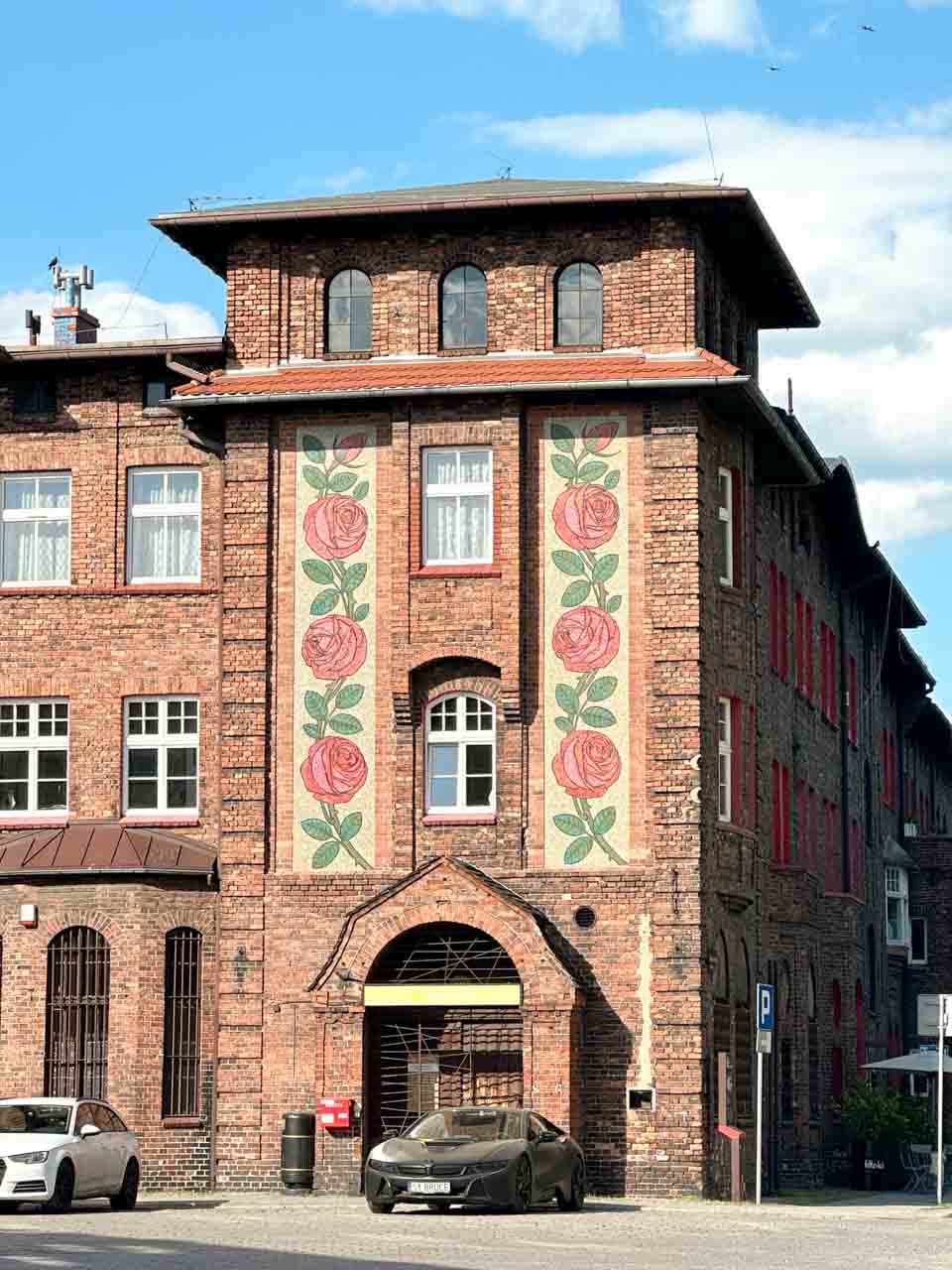
If you want to experience a more authentic side of Katowice, head to Nikiszowiec and Giszowiec – two old workers’ districts built in the early 1900s for miners and their families.
The key difference between the two is in their design: Giszowiec was built more like a garden city, with lots of greenery and detached houses, while Nikiszowiec has a much denser layout with rows of red-brick buildings known as familoki (a Silesian word for communal housing blocks). We’ve only been to Nikiszowiec, and it’s one of the places I enjoy coming back to every single time we’re in Katowice.


The central place in Nikiszowiec is Plac Wyzwolenia (Liberation Square). I simply enjoy walking around the area to look at the architecture and take in the atmosphere. While you’re there, pop into Cafe Byfyj for coffee and cake, or Śląska Prohibicja if you’re after a proper meal.


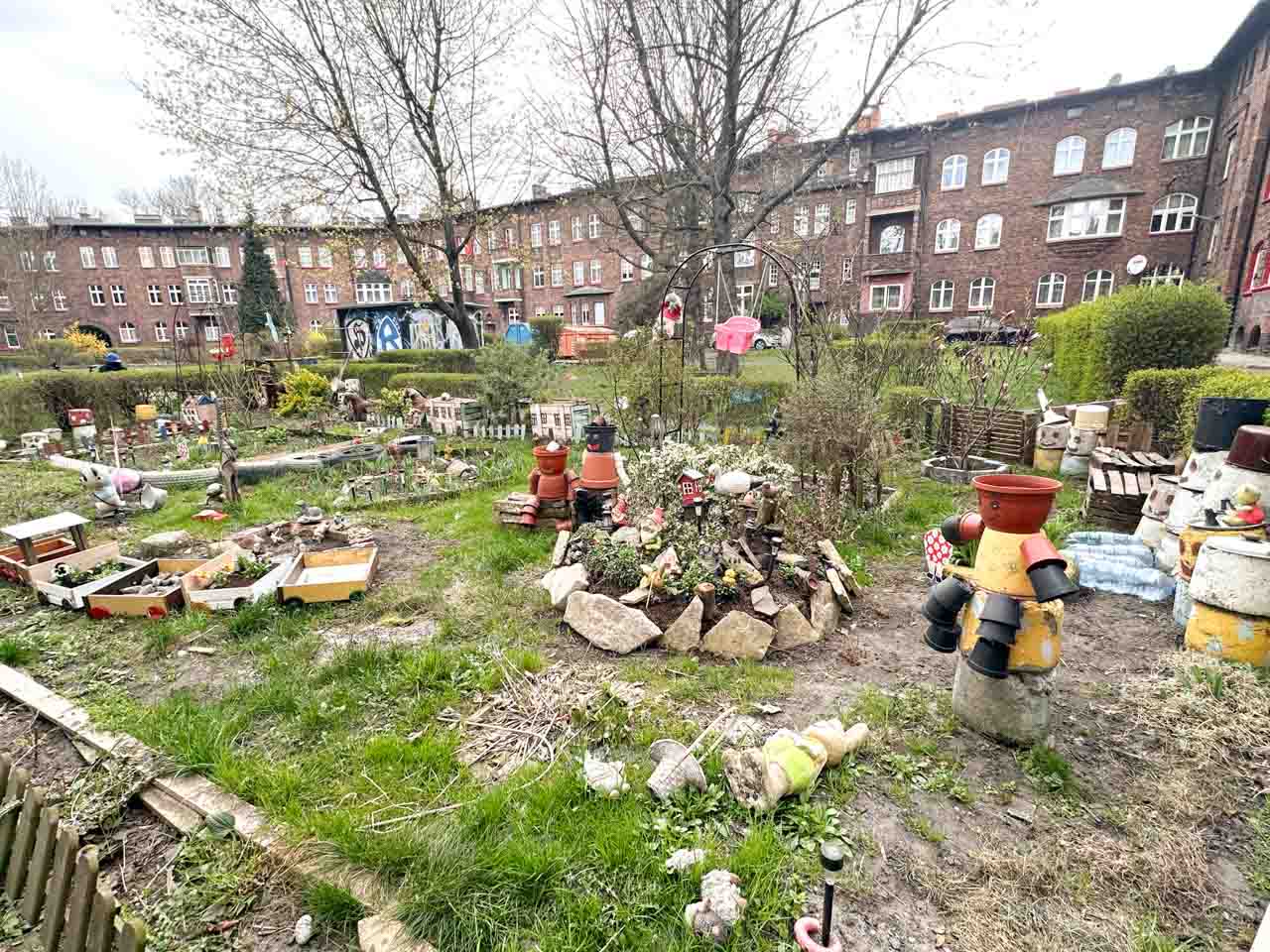
And if you want to find a really sweet spot, type “Magiczne podwórko” into Google Maps. It’s this little courtyard that locals transformed with pots, pans, colourful figurines, and other trinkets into the cutest communal garden.
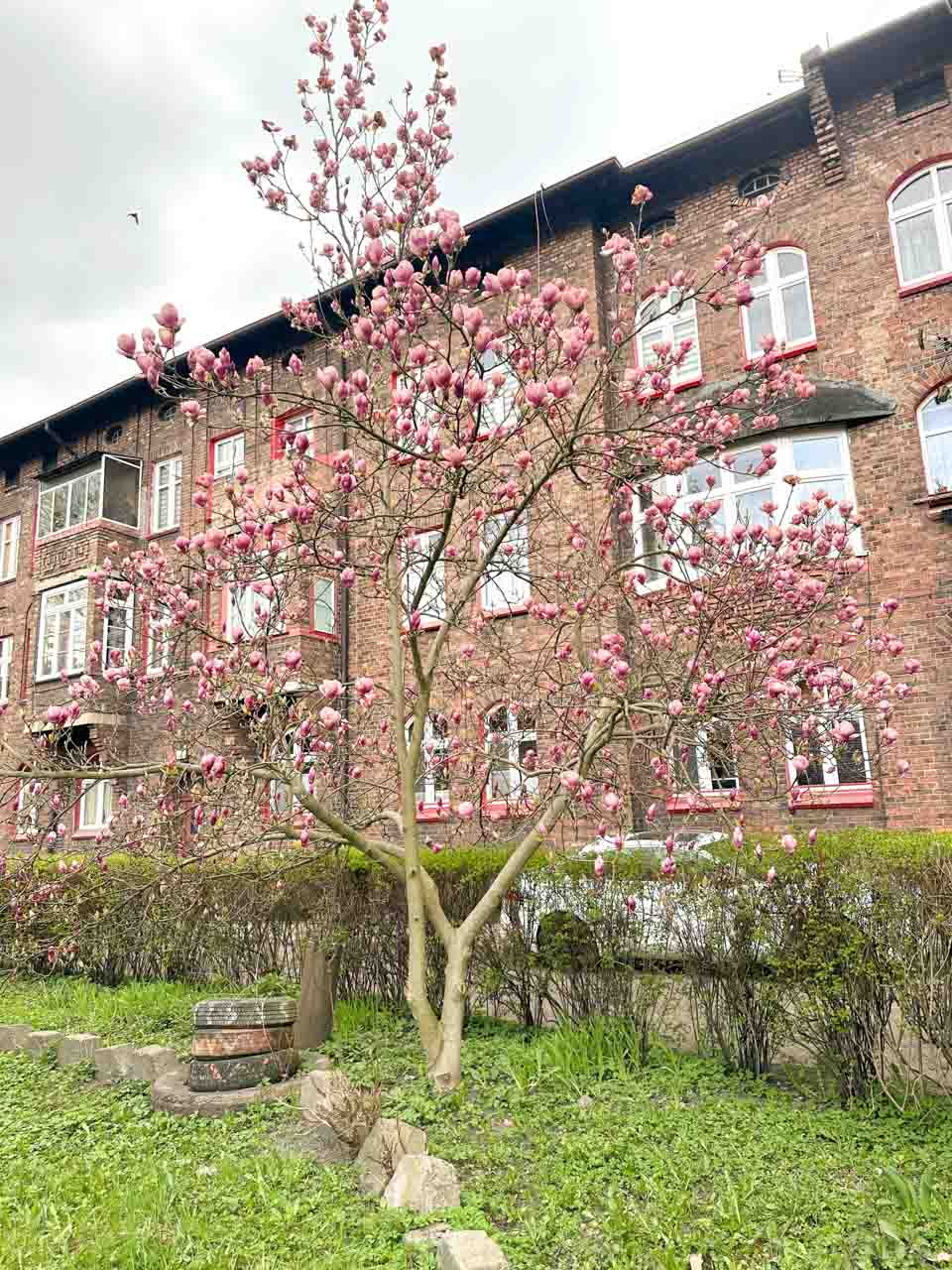
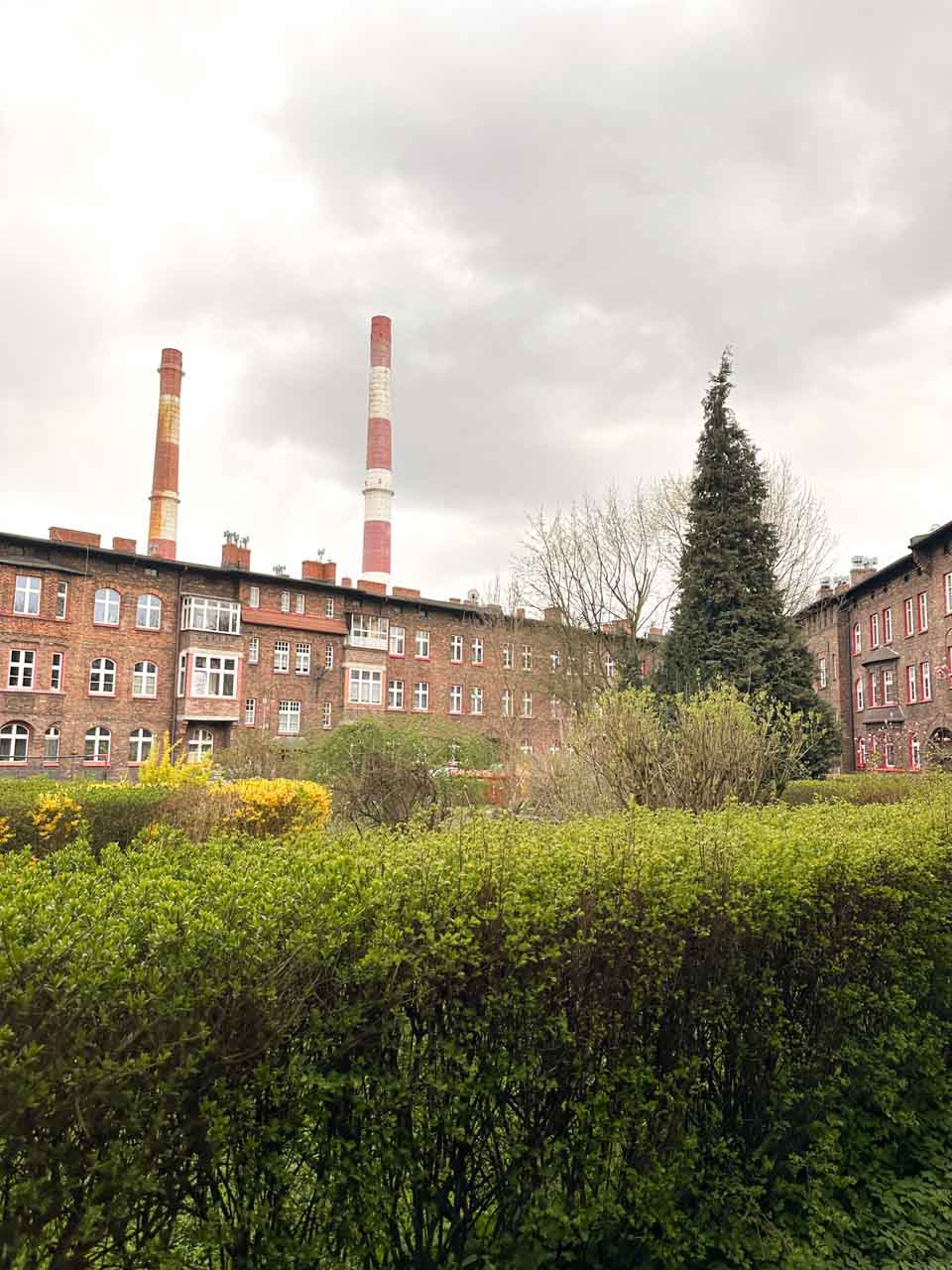
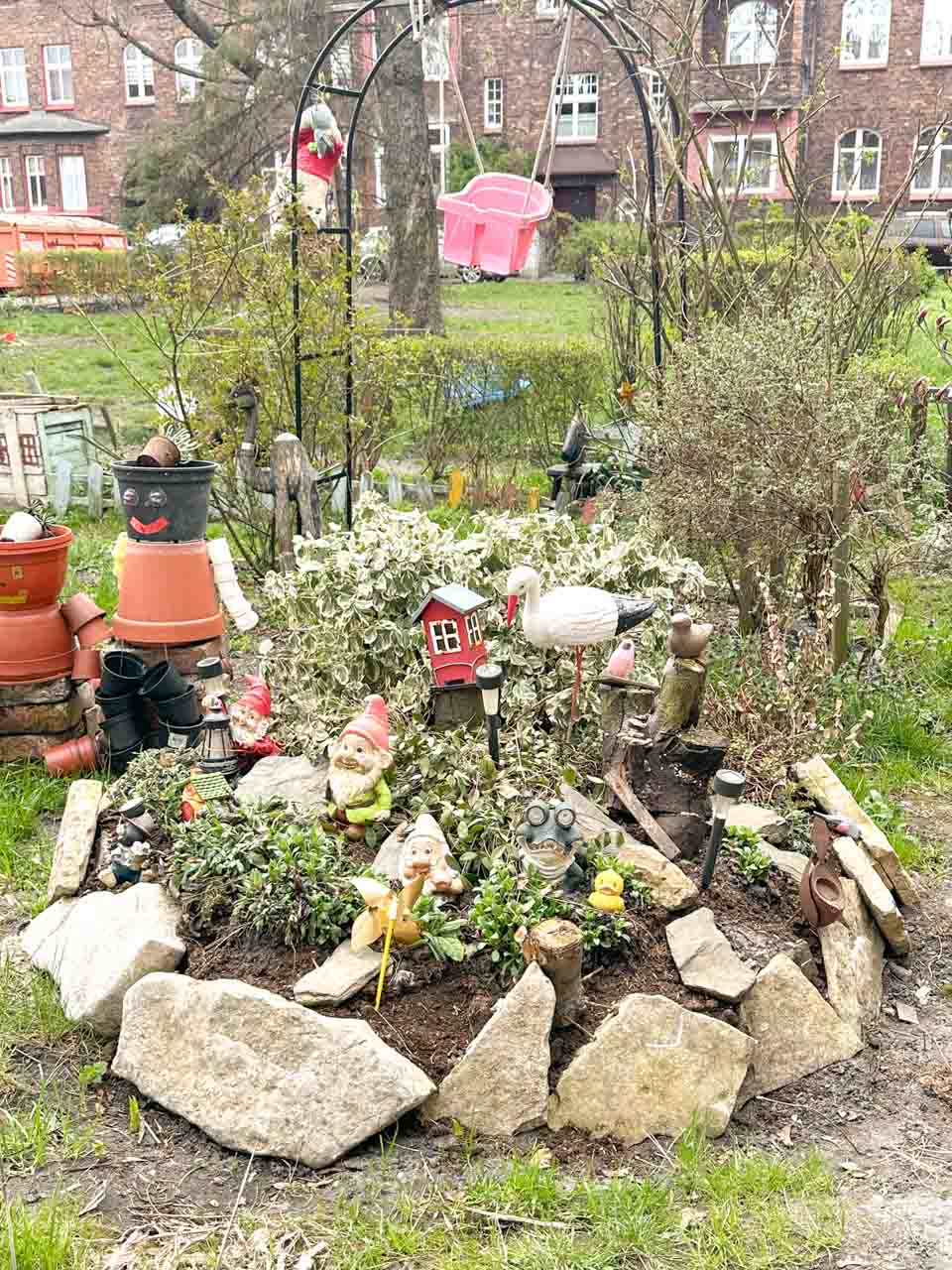
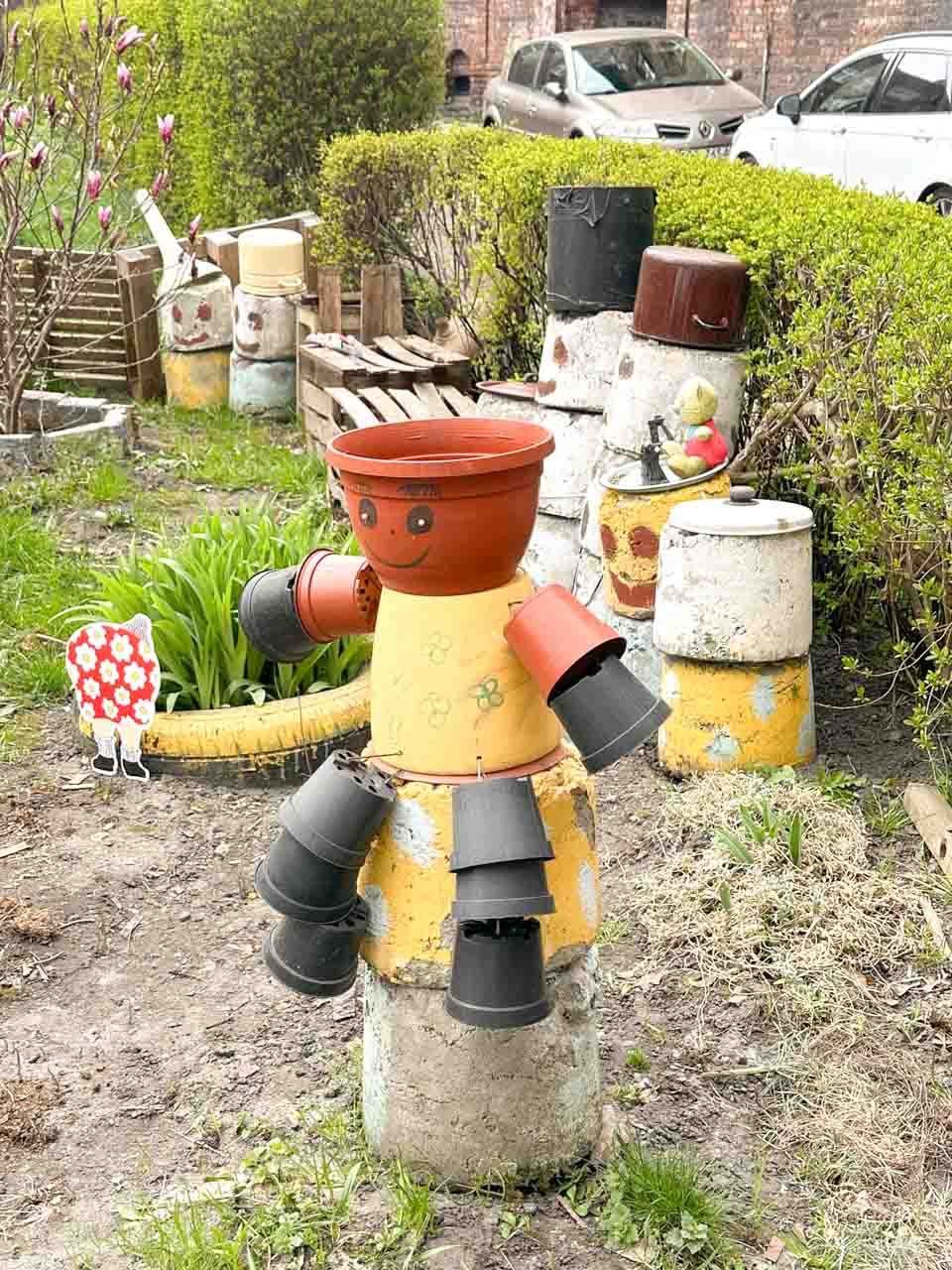
You can also check out the City Ethnology department of the Museum of Katowice History to see what these traditional houses used to look like inside. A 15-minute walk away, you can also find the Wilson Shaft Gallery – an old mining shaft transformed into an art gallery.
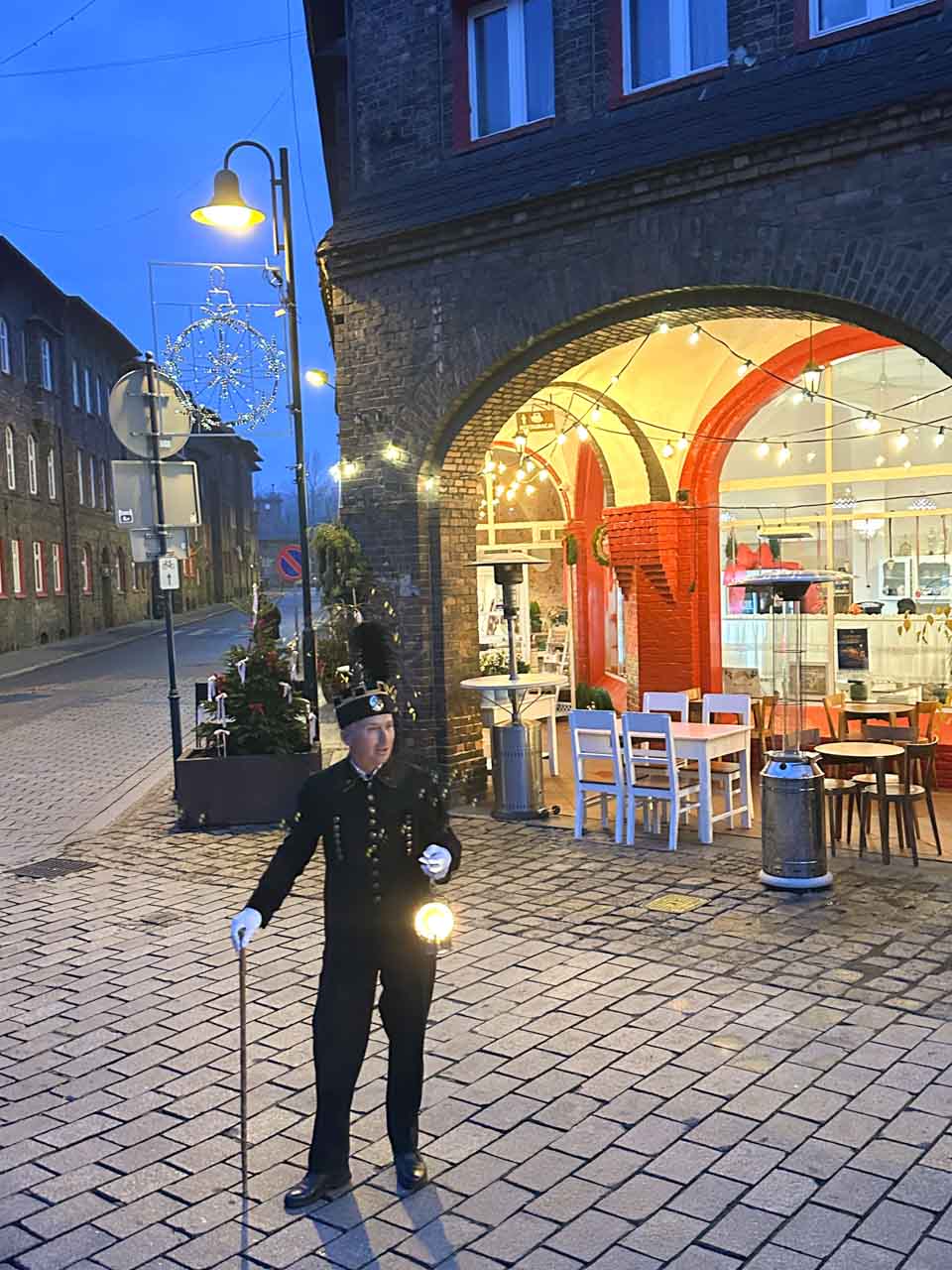
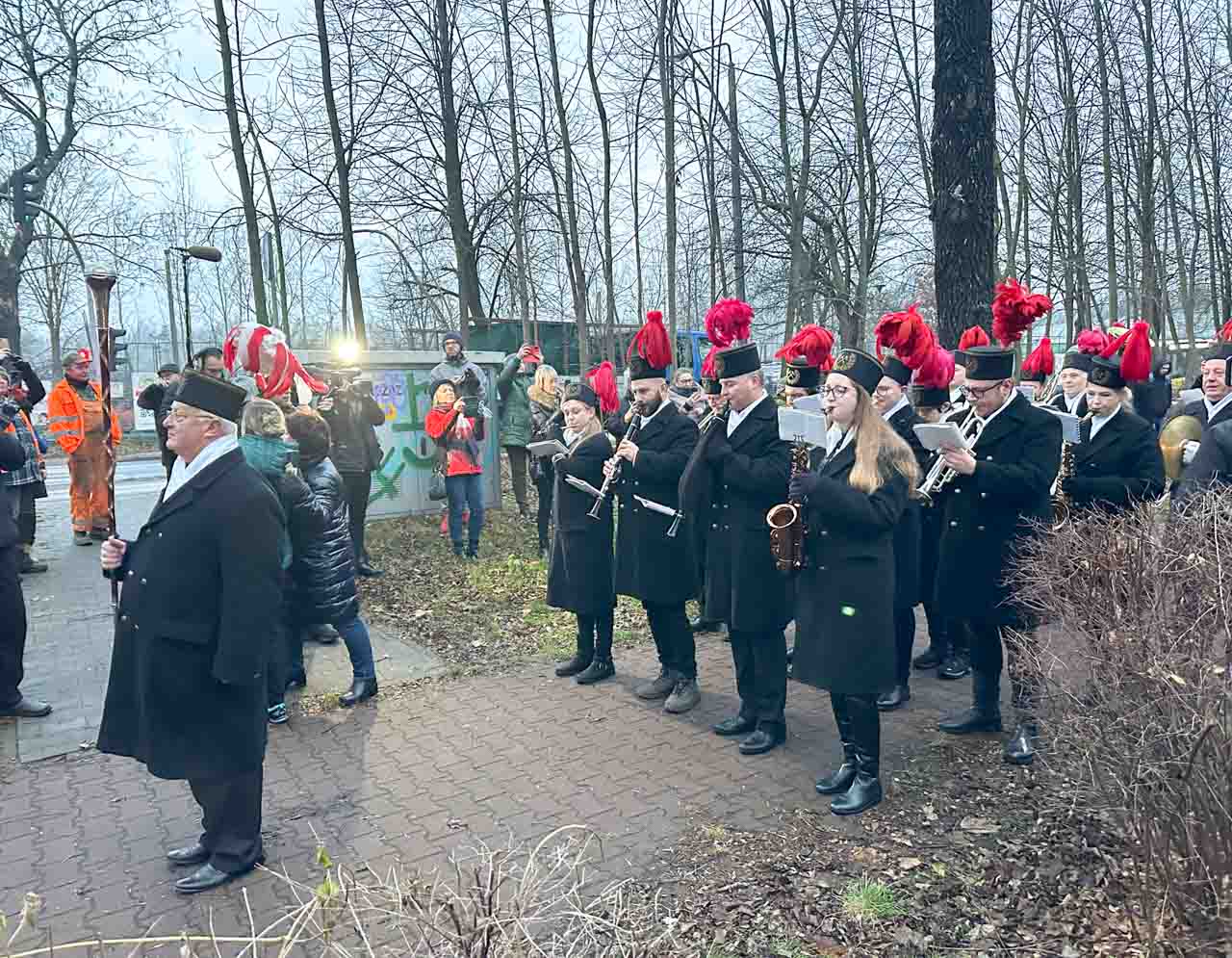
If you happen to be around on the 4th of December, definitely go then. That’s Barbórka, or Miners’ Day, and there’s a parade of a miners’ orchestra going through the neighbourhood in the morning to wake people up. We saw them last year – it started around 7 am in front of Cafe Byfyj, and it was such a fun thing to witness!



Visit the Silesian Museum
Even if you’re not a big museum person, the Silesian Museum is well worth a visit. It’s built on the site of a former coal mine, and a big part of it is actually underground – which already makes it cooler than most museums.


The permanent exhibition walks you through the complicated history of Upper Silesia, including parts that used to be brushed under the rug during the Communist era – like the region’s deep cultural ties with Germany and how they shaped its language, identity, and history.


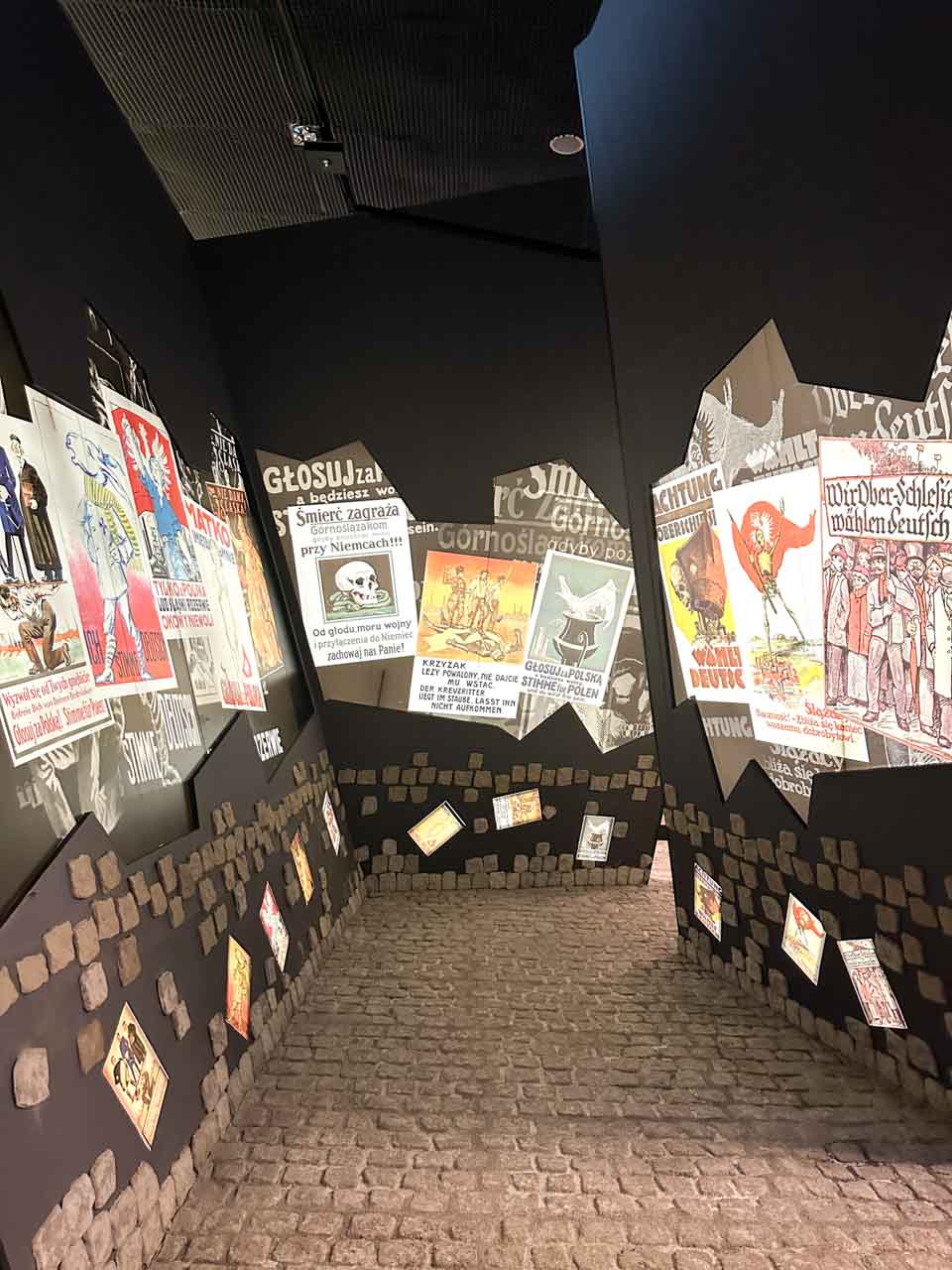

You can also try your hand at a quiz guessing the meaning of different Silesian words (learning German for several years definitely saved me there!). It’s one of those places where you actually learn loads without feeling like you’re stuck in a history lesson.


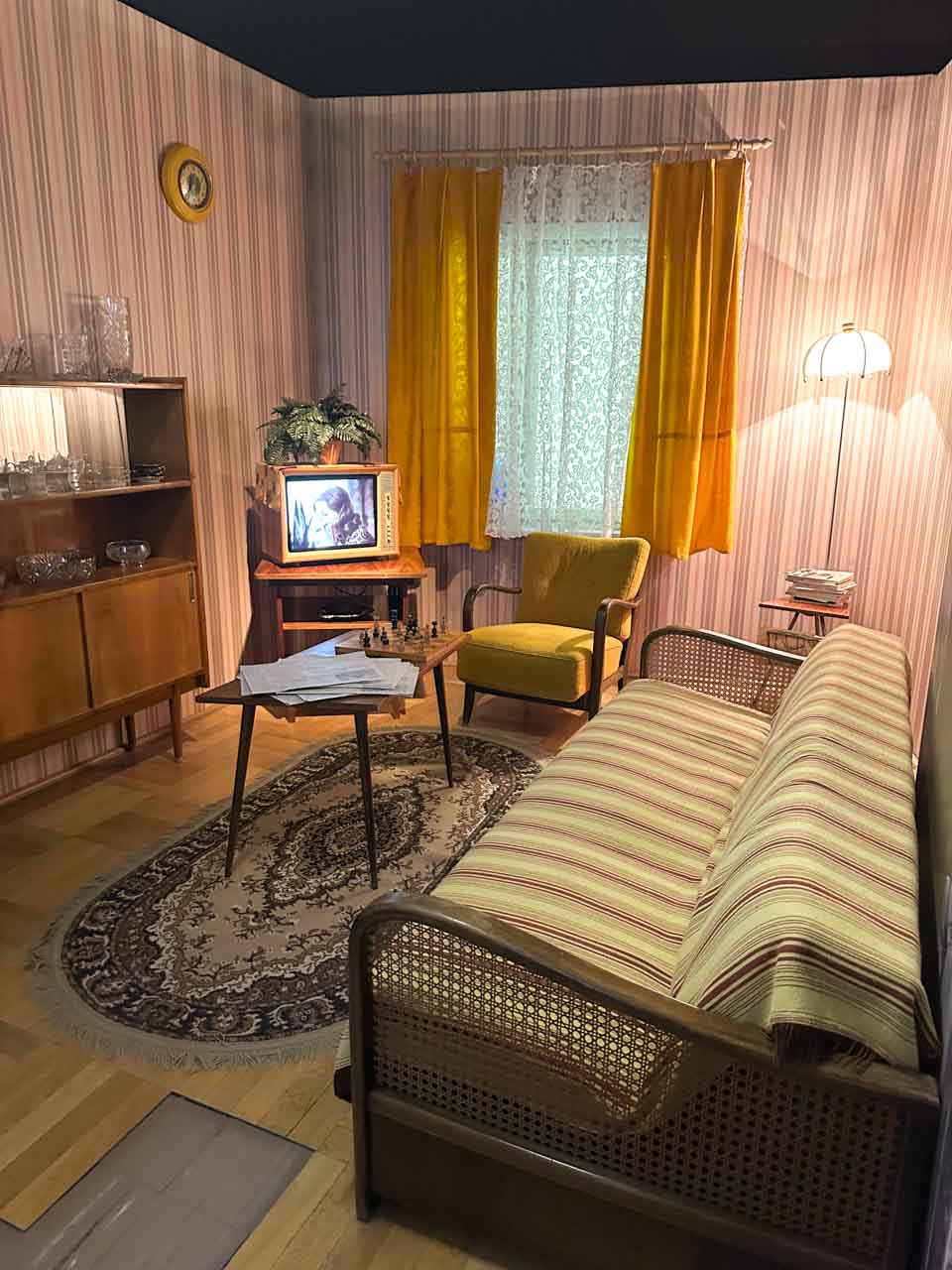
There’s also another exhibition showing Polish art from the period between 1800 and 1945, including paintings by some of the most famous Polish artists, as well as some post-war pieces. Sadly, this one was closed when we visited, so we’ll have to stop by another time.


There were also a couple of temporary contemporary art exhibitions – we saw one showing different theatre set designs and costumes, which was pretty interesting.


You can also usually climb the mining shaft to get panoramic views over the city centre (I’ve heard it’s one of the best spots in all of Katowice!), but the whole area is currently under renovation.

Check out the Spodek
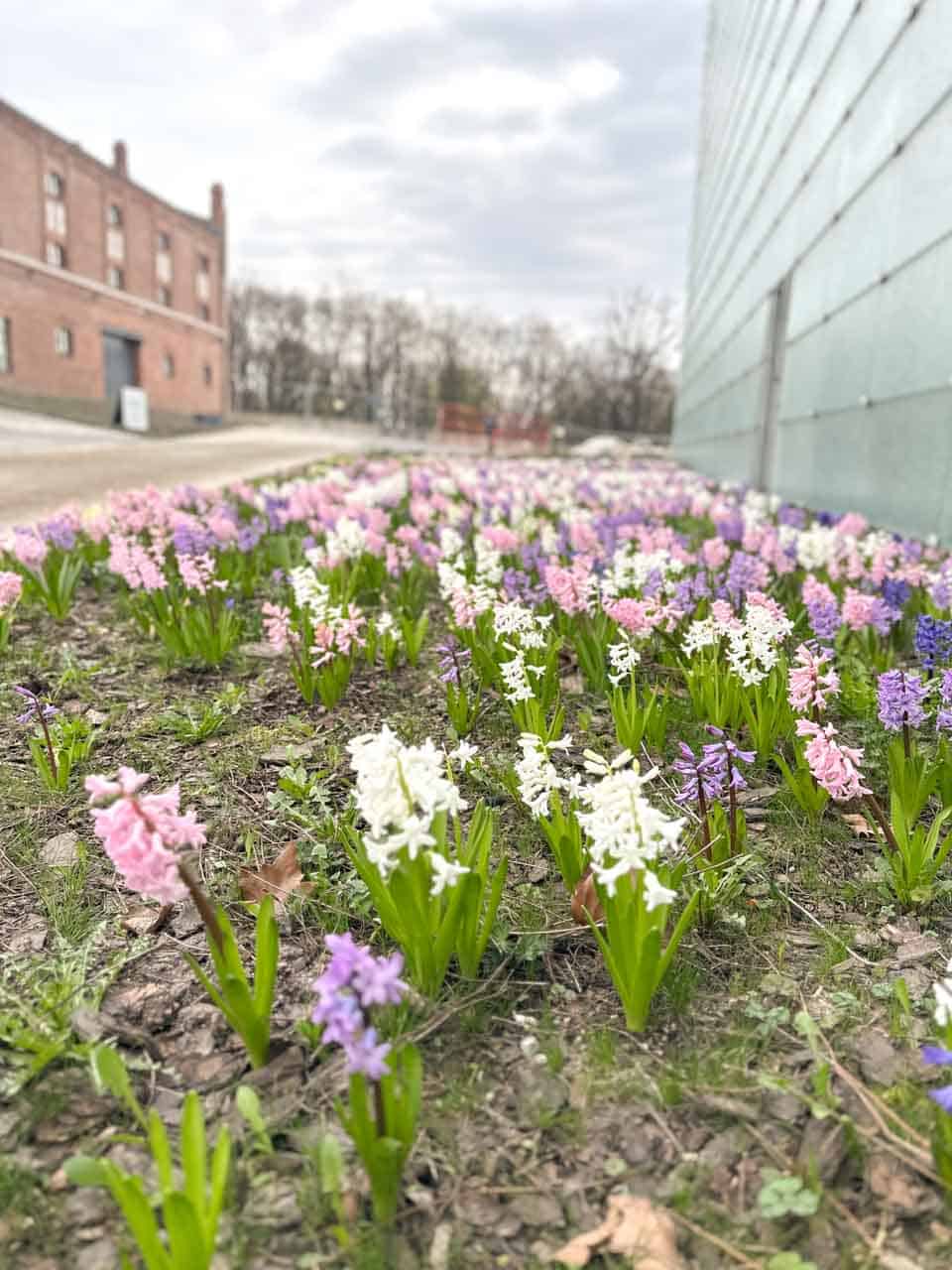
If you’re wondering why there’s a flying saucer casually parked in the middle of Katowice – don’t worry, you’re not hallucinating. That’s just Spodek (which literally means “saucer” in Polish), one of the most recognisable buildings in the entire country. It’s a prime example of post-war modernist architecture, and let’s be honest, Katowice just wouldn’t be Katowice without it in the skyline.

Despite looking like a giant UFO landed in Silesia, the saucer shape wasn’t just for style points. The architects actually designed it that way to help the structure withstand the mining tremors underneath the city. So, basically – form meets function, but make it sci-fi.
Spodek plays host to everything from international sports events to concerts. Think Metallica, Iron Maiden, Elton John, Green Day… all of them have graced the stage here. And if you’re visiting during an event, you can even stay in the on-site budget hotel, Hotel Diament Spodek*, or pop into Spodek Cafe for a coffee and breakfast.


Before you head in, make sure to stop by the Silesian Insurgents’ Monument on the other side of the road. Each of its three wings represents one of the Silesian Uprisings (1919, 1920, and 1921), which played a key role in the region’s complicated history with Germany.
Explore the rest of the Culture Zone
The Katowice Culture Zone is made up of four places – and I’ve already mentioned half of them: the Spodek Arena and the Silesian Museum. But it’s worth sticking around to check out the other two as well: the Polish National Radio Symphony Orchestra (NOSPR) and the International Congress Centre (ICC).
Built on the site of the former Katowice coal mine, this whole area has been completely transformed. What used to be a symbol of the city’s industrial roots is now one of the most exciting and modern parts of town. When I first visited, there were people lounging on the steps and chatting – it just felt like the kind of place you’d want to hang out in.

NOSPR is a beautifully designed concert hall with space for up to 1,800 guests and world-class acoustics. It’s still on my list, but I’ve heard nothing but amazing things. If you’re keen to go, book early – tickets tend to go fast, and you can grab them from the official NOSPR website.
The Culture Zone also hosts the Tauron Nowa Muzyka Festival, mixing electronica with jazz, rock, hip-hop, and a bit of the avant-garde too. I haven’t been, but from the setup and the whole post-industrial vibe, it reminded me a lot of Colours of Ostrava (you’ll find more about that in my Ostrava guide).
Spend a day at Silesia Park
This was probably the place that surprised me the most on my first visit to Katowice. I just didn’t expect there to be this much greenery in what’s known as such an industrial region. But Silesia Park (Park Śląski), located right on the border of Katowice and Chorzów, completely changed my perception of the city.

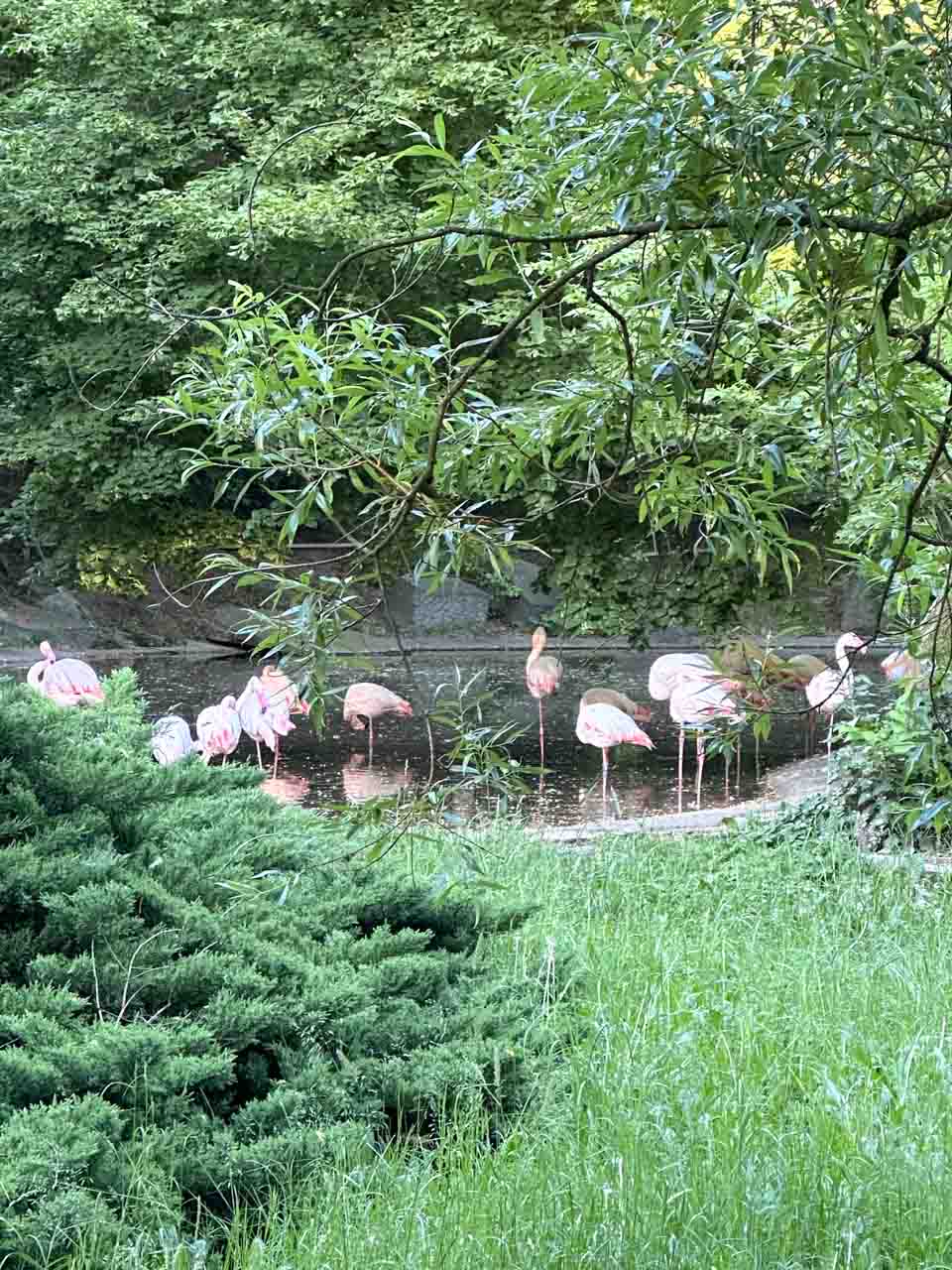
It’s basically Katowice’s very own Central Park. And it’s huge. You’ll find everything from a planetarium and an amusement park with a Ferris wheel to the Silesian Zoo and one of my personal favourites: the Elka Cableway.
There are currently two lines of the Elka Cableway – one that runs between the Silesian Stadium and the Legendia amusement park, and another between the amusement park and the planetarium, gliding right over the zoo (which makes it especially fun).

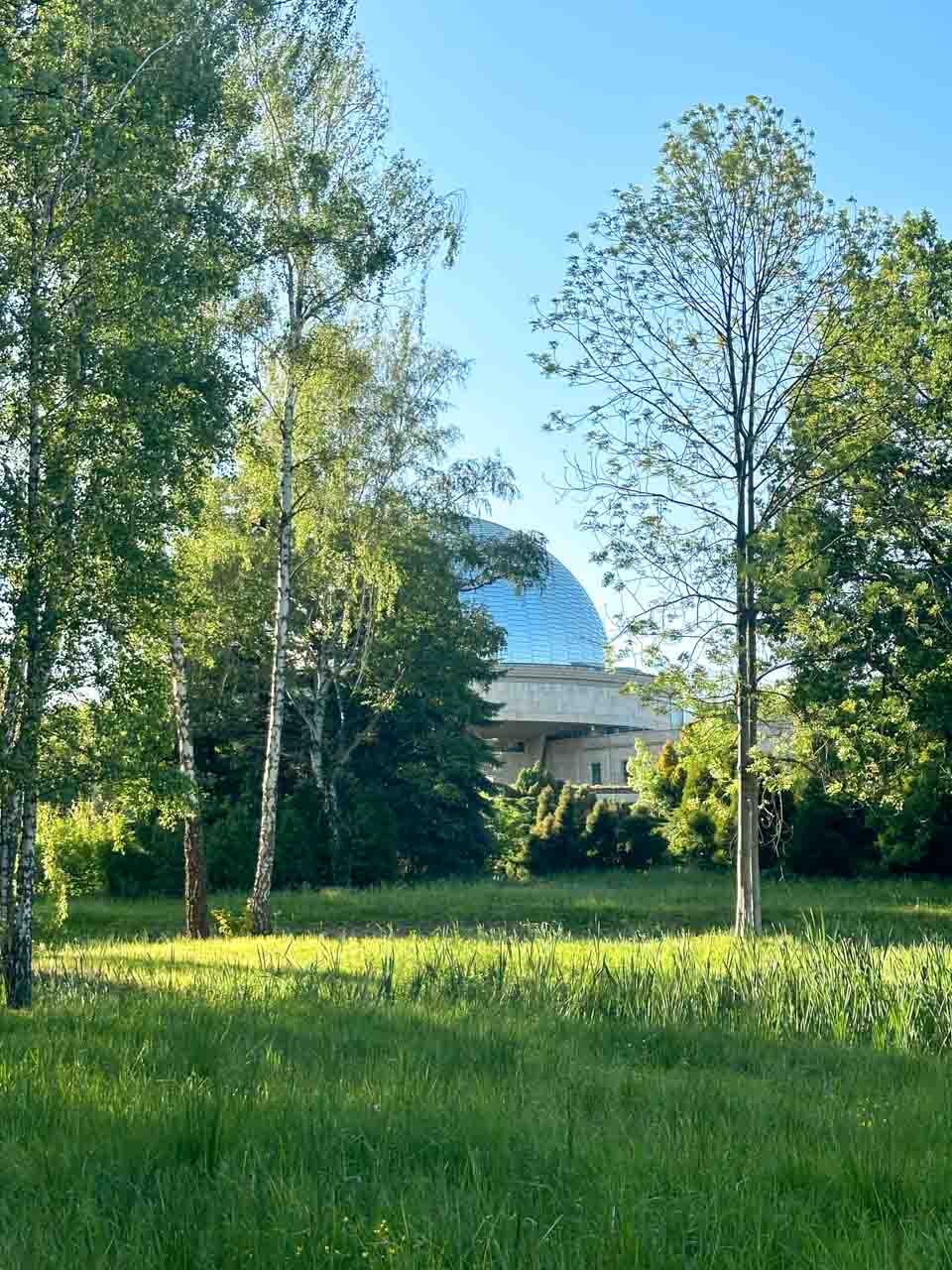
Each ride takes around 15 minutes, and it’s a really lovely way to see the park from above. One ride costs 29 PLN (about €6.80 or £5.70), or you can get two rides for 37 PLN (around €8.70 or £7.30). Eventually, a third line will open to bring back the original triangular route from 1967. When it first opened, it was actually the only lowland cableway in Europe, and today, it’s the longest one.
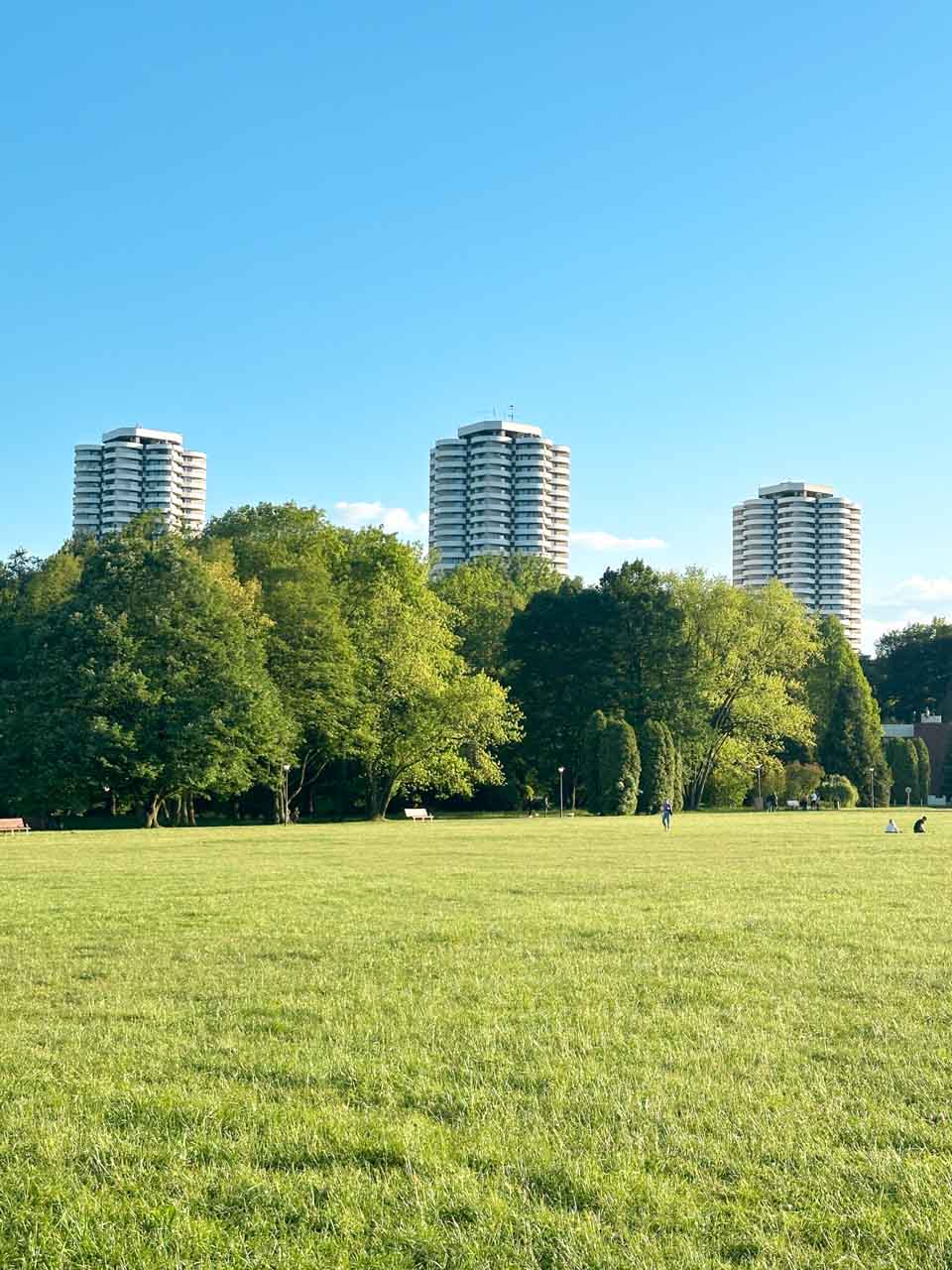

You’ll also find the Silesian Stadium here – one of the biggest concert venues in Poland. It’s hosted some massive names over the years, including U2, The Rolling Stones, and Iron Maiden… and yes, I did tick off a bucket list moment by seeing Guns N’ Roses there!
Go bebok spotting
You know how Wrocław has its famous dwarves hidden all over the city? Well, Katowice has its own quirky tradition too – beboks, or beboki in Polish.
Beboki come from Polish folklore and were originally seen as small, ugly, and mischievous creatures. Parents used to warn their kids to behave or a bebok would come and take them away. Not exactly bedtime story material… but don’t worry, the modern Katowice versions are a lot cuter (and much less likely to give you nightmares).
These days, you’ll spot beboks all over Katowice, and looking for them has become a fun way to explore the city – especially if you’re visiting with kids. There are nearly 100 of them already, each with its own personality, all designed by a local artist from Nikiszowiec.


The first ones appeared in 2021, and they’re still going strong – the latest one was added in May 2025. That means it’s still a relatively new attraction, and guides can go out of date pretty quickly. If you want to see the full list (with photos and locations), check out this Wikipedia page – it’s in Polish, but a quick translation will do the trick. Or if you just want to get your bearings and start spotting them straight away, this interactive map is super handy.
Buy some cheeky souvenirs
One of my best friends from Silesia introduced me to Gryfnie when she gifted me a tote bag for my birthday. So naturally, when I finally visited Katowice, I had to pop in.
The name Gryfnie means “nicely” or “beautifully” in Silesian, and the shop more than lives up to it. It’s all about celebrating Silesian language and culture in the most fun, cheeky way possible. You’ll find T-shirts with witty local slogans, colourful socks, postcards, chocolate, coffee, black soap shaped like lumps of coal, and black herbal sweets that are another nod to the region’s mining history.
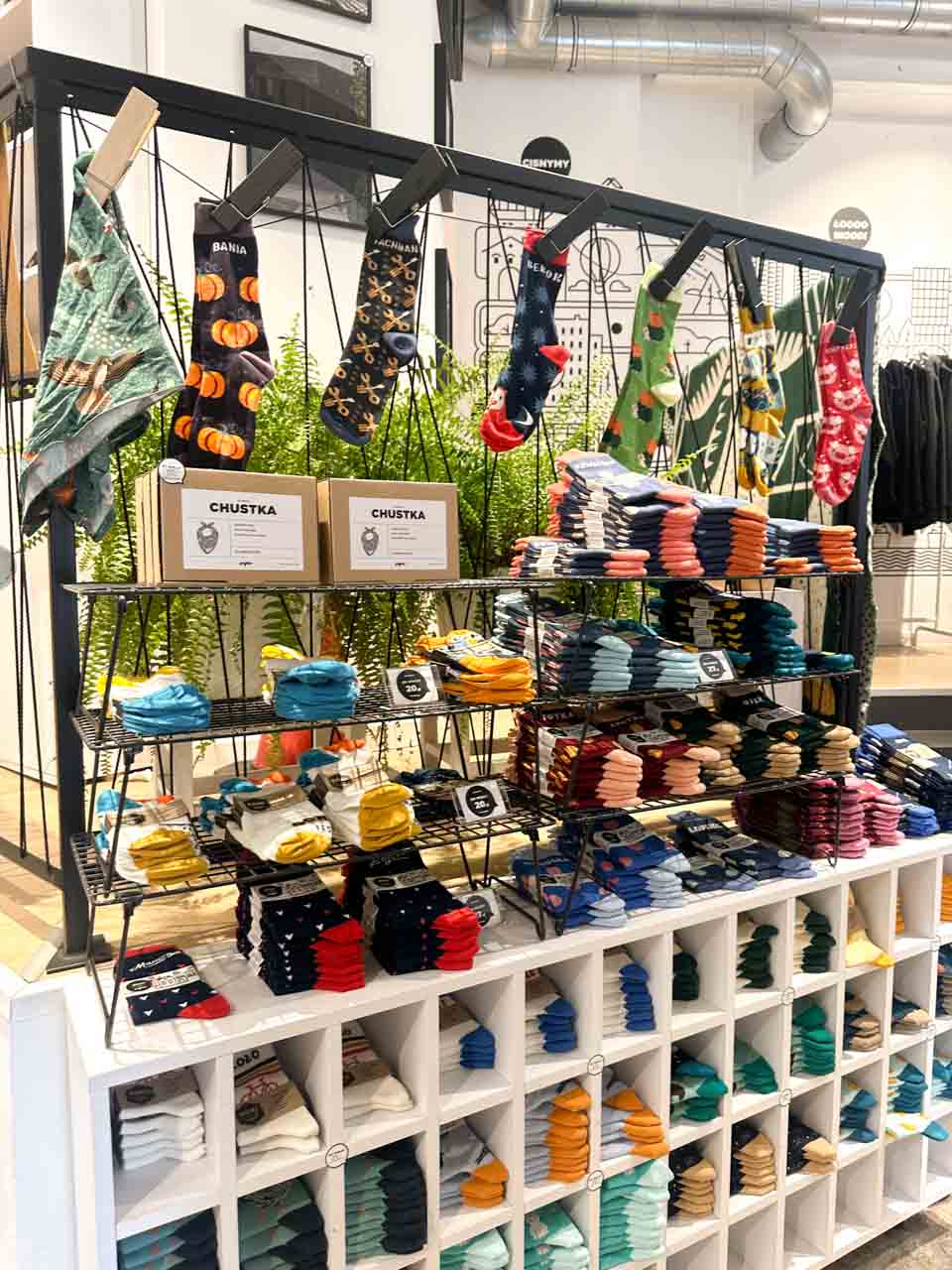

Even their website is in Silesian rather than Polish, which makes browsing feel like a fun little puzzle. They also stock Polish–Silesian dictionaries sometimes, in case you need a hand decoding things!


I always stop by whenever I’m in town and always come away with something new to love. It’s also super easy to find – just follow the signs towards ul. Andrzeja (Andrzej Street) when exiting the main train station.


Stroll along Mariacka Street
When I first visited Katowice, Mariacka Street really stuck with me. It felt like the kind of place I’d been missing where I live – a whole street packed with pubs and restaurants, serving affordable food and drinks, and actually filled with locals rather than tourists. It had such a great atmosphere, and I remember thinking how cool it was that people could just hang out like that on a random weekday night.


When I came back a few years later, it had taken on more of a university student vibe – louder, messier, a bit too chaotic for my liking (or maybe it was the fact that I simply got older). Still, I always enjoy walking down the street, especially on warm summer evenings when it’s buzzing with life and energy. And to be fair, some of my favourite spots are just around the corner.
Olio (a bit further down) serves one of the best pizzas I’ve ever had. It’s a chain, and I’ve been to the one where I live, but I believe the Katowice one is just as good. Pizzatopia is another winner – it’s a build-your-own pizza concept, which makes it perfect if you’re out with friends and everyone wants something different.
Plus, if you walk all the way to the end of the street, you’ll spot the Immaculate Conception of the Blessed Virgin Mary Church.
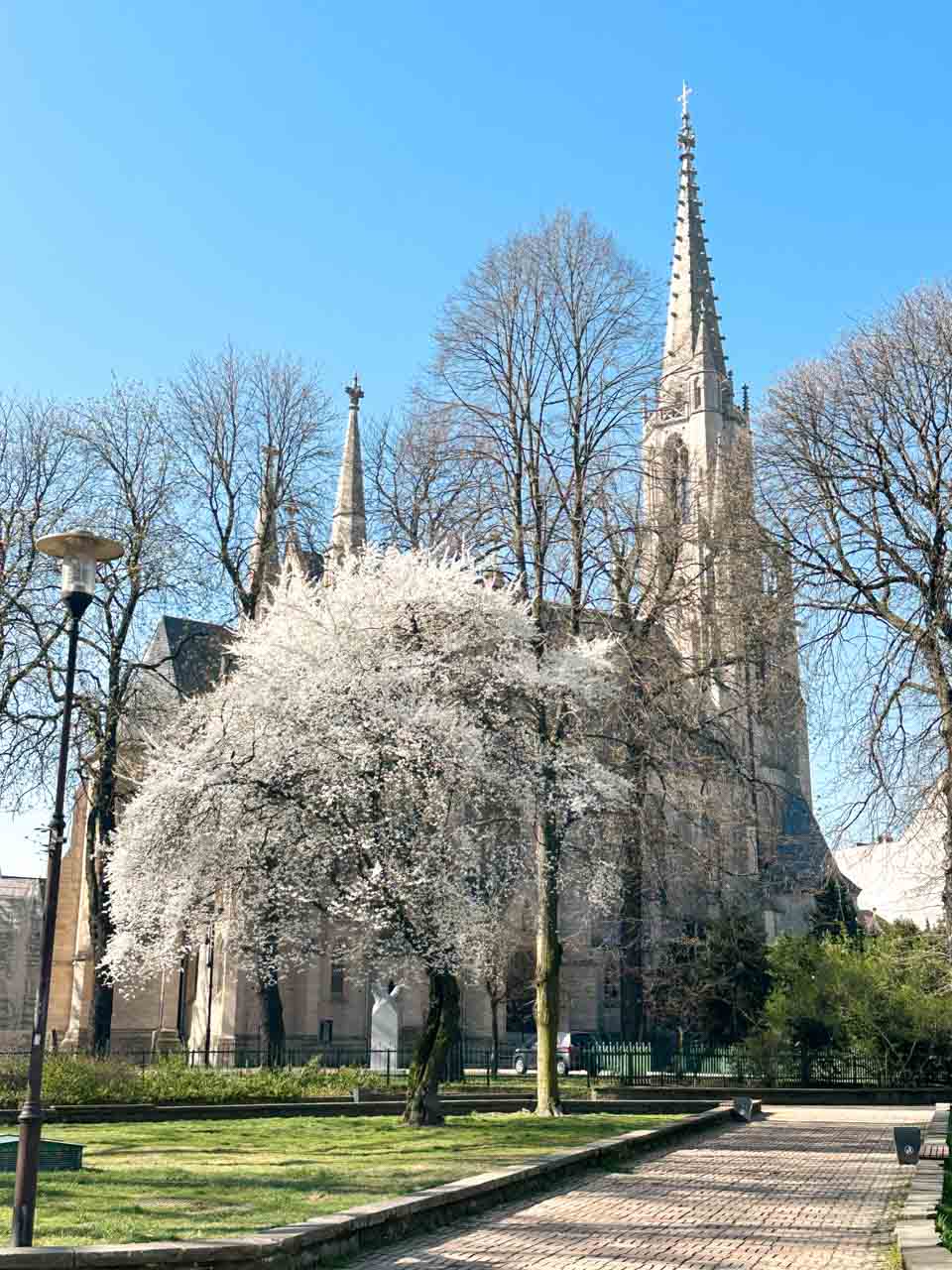

It took me a while to actually step inside, but I’m so glad I did – it’s easily one of the most beautiful churches in Katowice!


Admire the modernist architecture
One of my favourite parts of Katowice is the area just across the tracks from the Market Square, where you’ll find some of the best examples of the city’s modernist architecture.


Back in the 1920s and ’30s, Katowice was going through rapid growth. After becoming part of Poland in 1922 and the capital of the autonomous Silesian region, the city suddenly needed more housing and official buildings – and fast. That building boom led to some incredible modernist designs that earned Katowice the nickname “Polish Chicago.”

Today, you can follow the Modernism Route, a self-guided walk that takes you past 16 buildings. I haven’t done the full official walk (yet!), but I love wandering that part of town and spotting all the little details.
If you’re into architecture or just fancy doing something a bit different, it’s definitely worth checking out. The city even created a website where you can find a full map and info about each building.
See the city from above
Okay, Katowice might not have the world’s most jaw-dropping skyline – but if you’re anything like me, there’s still something really fun about seeing a city from high up. One of the best spots to do that is the old mining shaft next to the Silesian Museum, which I mentioned earlier.
If you want a drink with your view, you can also head to the 27th floor of the nearby Courtyard Katowice City Center hotel*. There’s a bar up there that’s open from 6 pm to midnight, and while the prices are a bit steep these days (probably to keep the crowds down), it’s still worth it for the experience.


Another one on my list is the observation deck at the Upper Silesian Pantheon. If you’re not visiting the exhibition inside, the ticket to the top is just 5 PLN (around €1.15 or £1), or only 2 PLN (about €0.50 or £0.40) if you are. A proper bargain for a little peek at the city from above!
Watch a hockey game
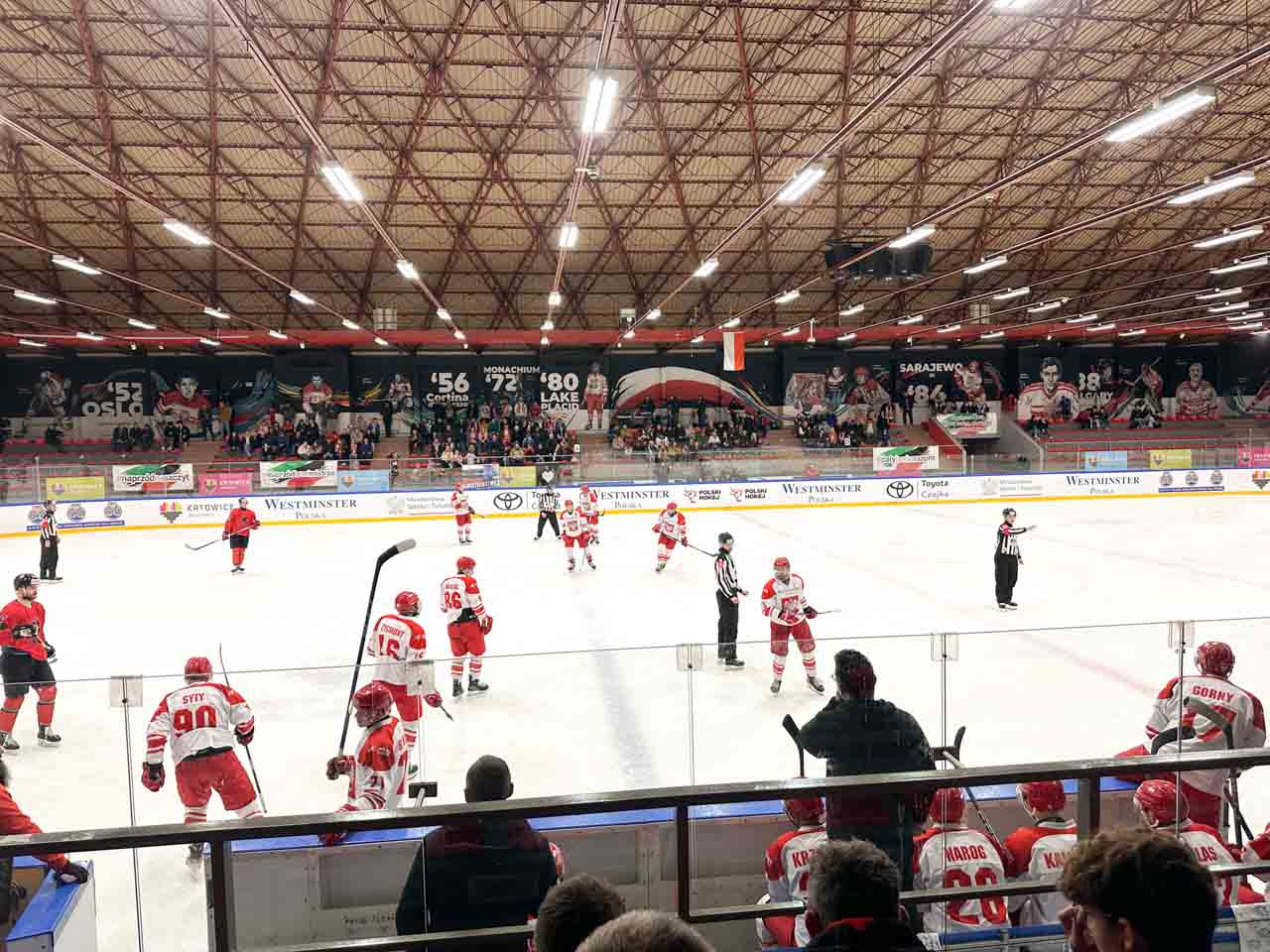
If you’re into sports, Silesia’s got loads to offer. You can watch volleyball or basketball tournaments at Spodek, cheer on track and field stars at the Silesia Stadium, or catch a local football match. But if you’re a hockey fan, this is one of the few regions in Poland where the sport is actually popular.
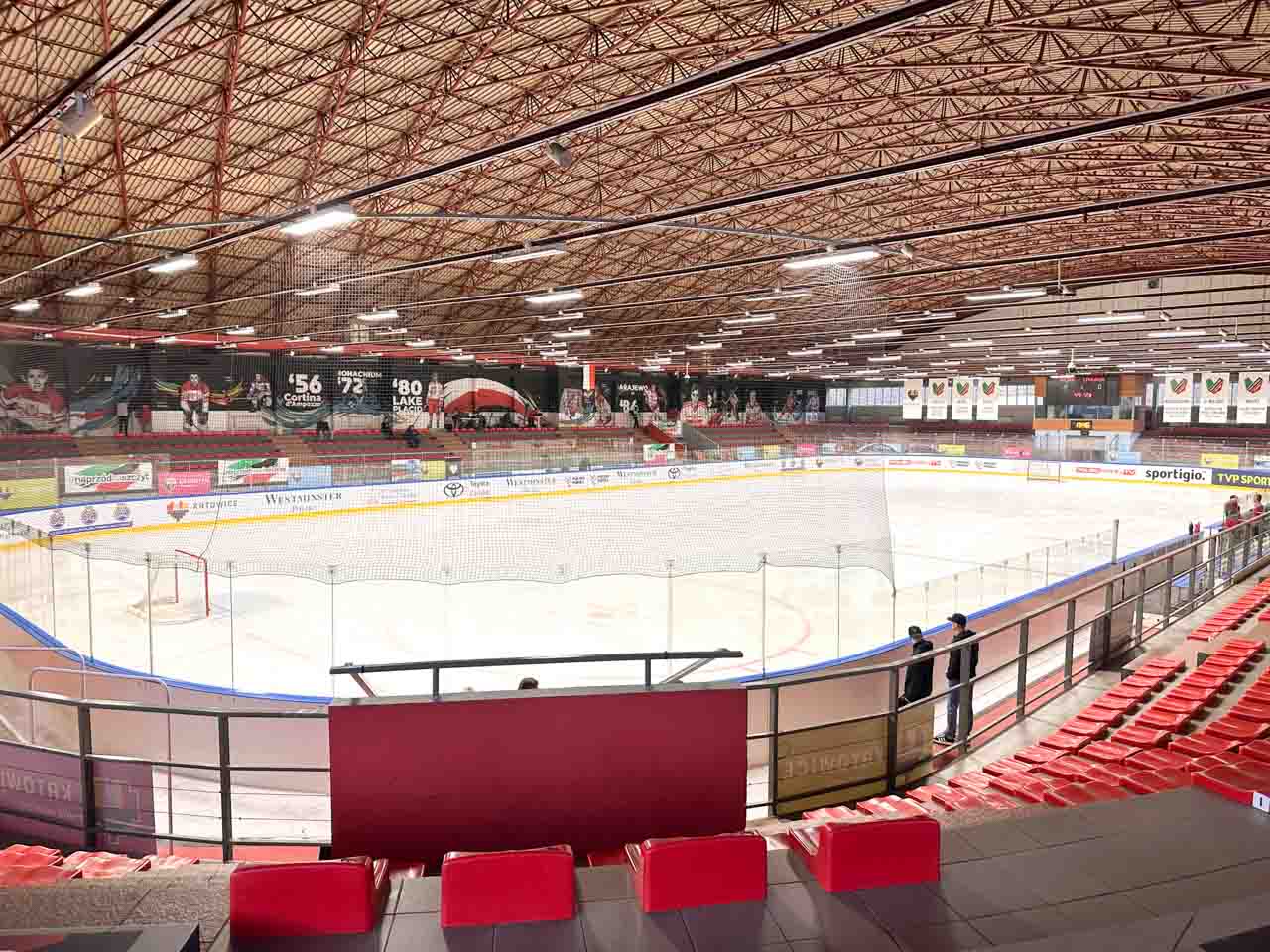
Two of the country’s top teams – GKS Katowice and GKS Tychy – are based in Silesia, so you’ve got a good chance of catching a game.
My boyfriend is a hockey fan, so we went to see a friendly between Poland and Lithuania at the Jantor Ice Arena in Nikiszowiec, and we had a lovely time. Plus, it was the perfect excuse to head back to one of my favourite neighbourhoods in the city!
Go on a day trip to Zabrze
Out of everything we did in Silesia, this was honestly one of my favourites. If you’ve only got time for one day trip from Katowice, I’d absolutely recommend this one. Zabrze is just around 20 minutes from Katowice by train (both Intercity and Koleje Śląskie go there), and it’s home to one of the most unique tourist experiences in the region.

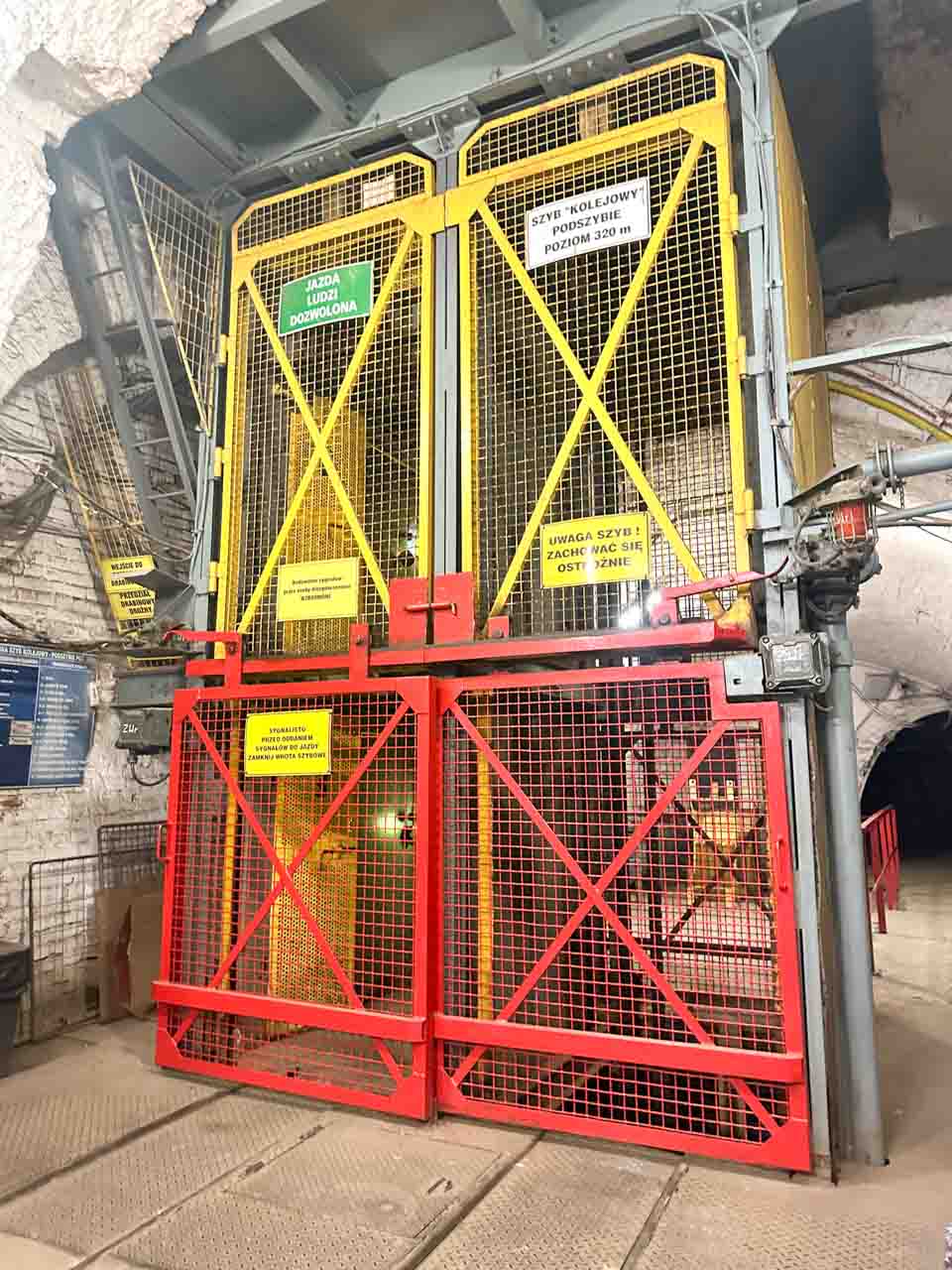
At Guido Coal Mine, you can be a miner for a few hours – literally or figuratively, depending on which tour you pick. Some of the more hands-on ones take you 355 metres underground, where you’re kitted out with full gear and get to try your hand at actual mining tasks in a preserved longwall from the late 20th century.


We weren’t quite that brave, so we went for the 320-metre tour instead. You’ll take a mining lift (szola in Silesian) down into the depths, learn about the history of coal mining and the risks miners faced, and even ride an electric overhead railway through the tunnels – the only tourist train of its kind in the world!


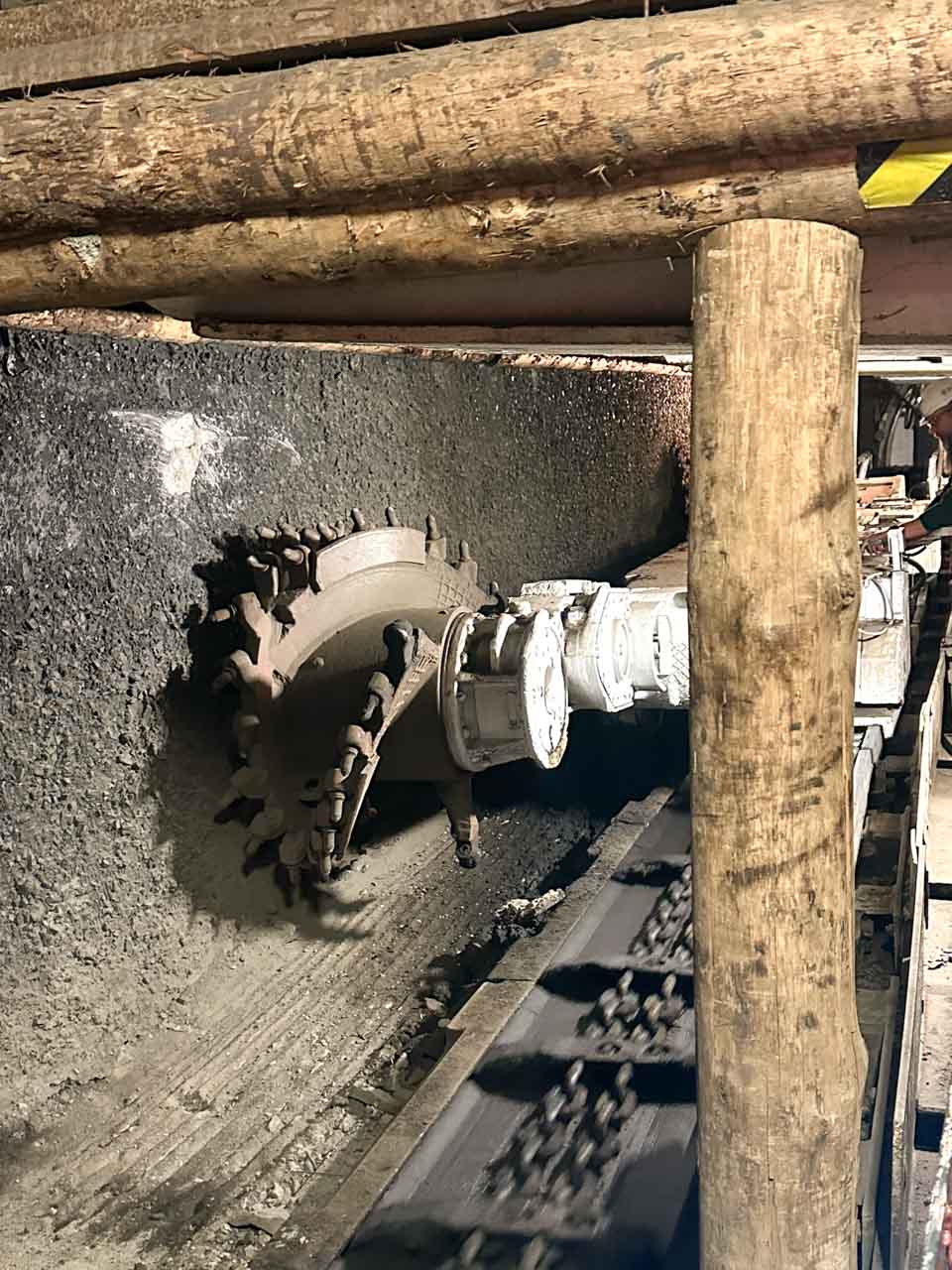
You’ll also see massive machinery like shearers and roadheaders up close, and even watch them at work to get a real feel for the scale of it all. It gave me a whole new appreciation for the job. Not seeing the light for hours on end does something weird to your sense of time and space!

If you want, you can end your “shift” at the deepest pub underground.
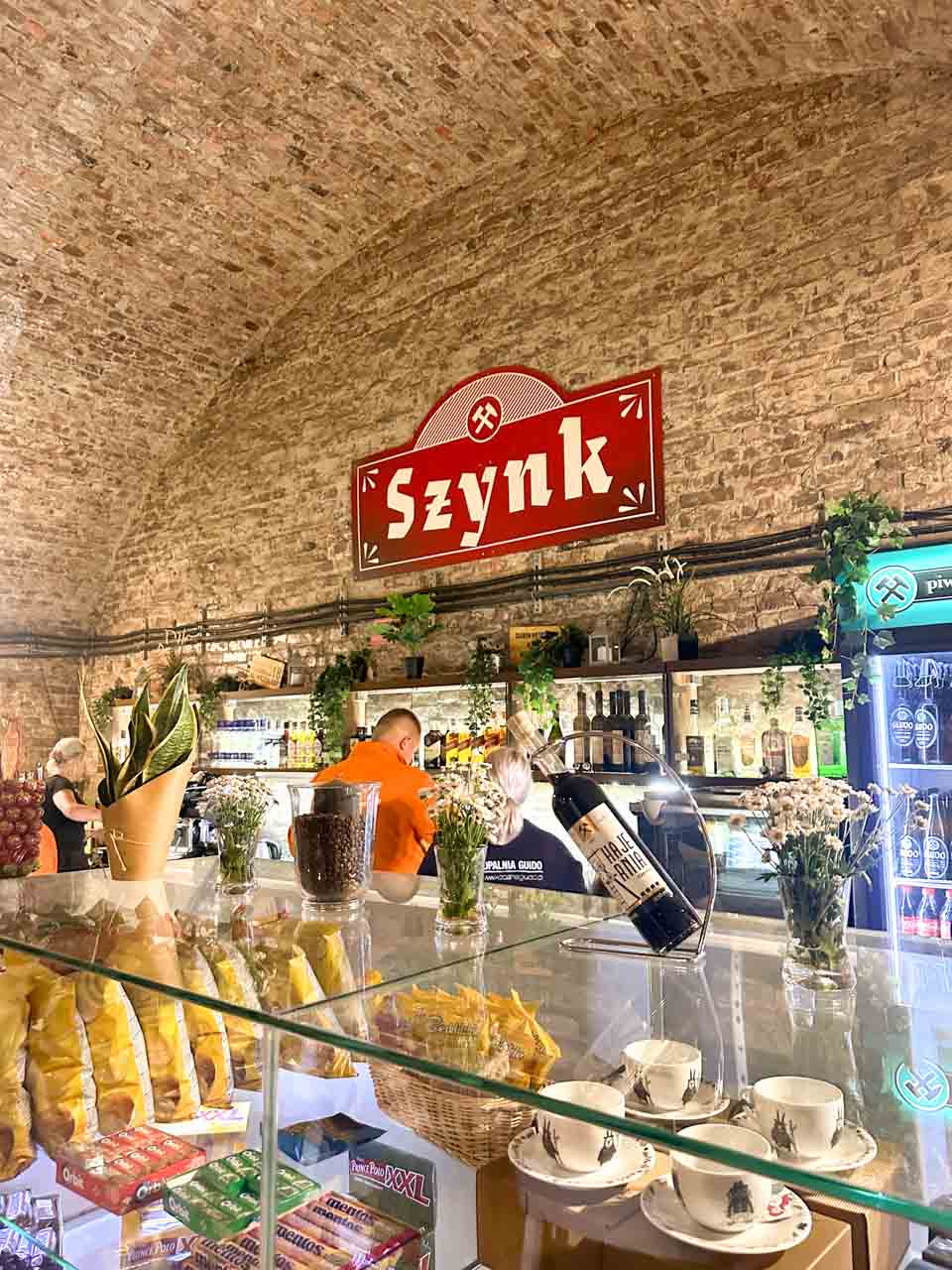

We grabbed a cold beer each and shared some black bread with coal (yes, really), lard, and pickles.


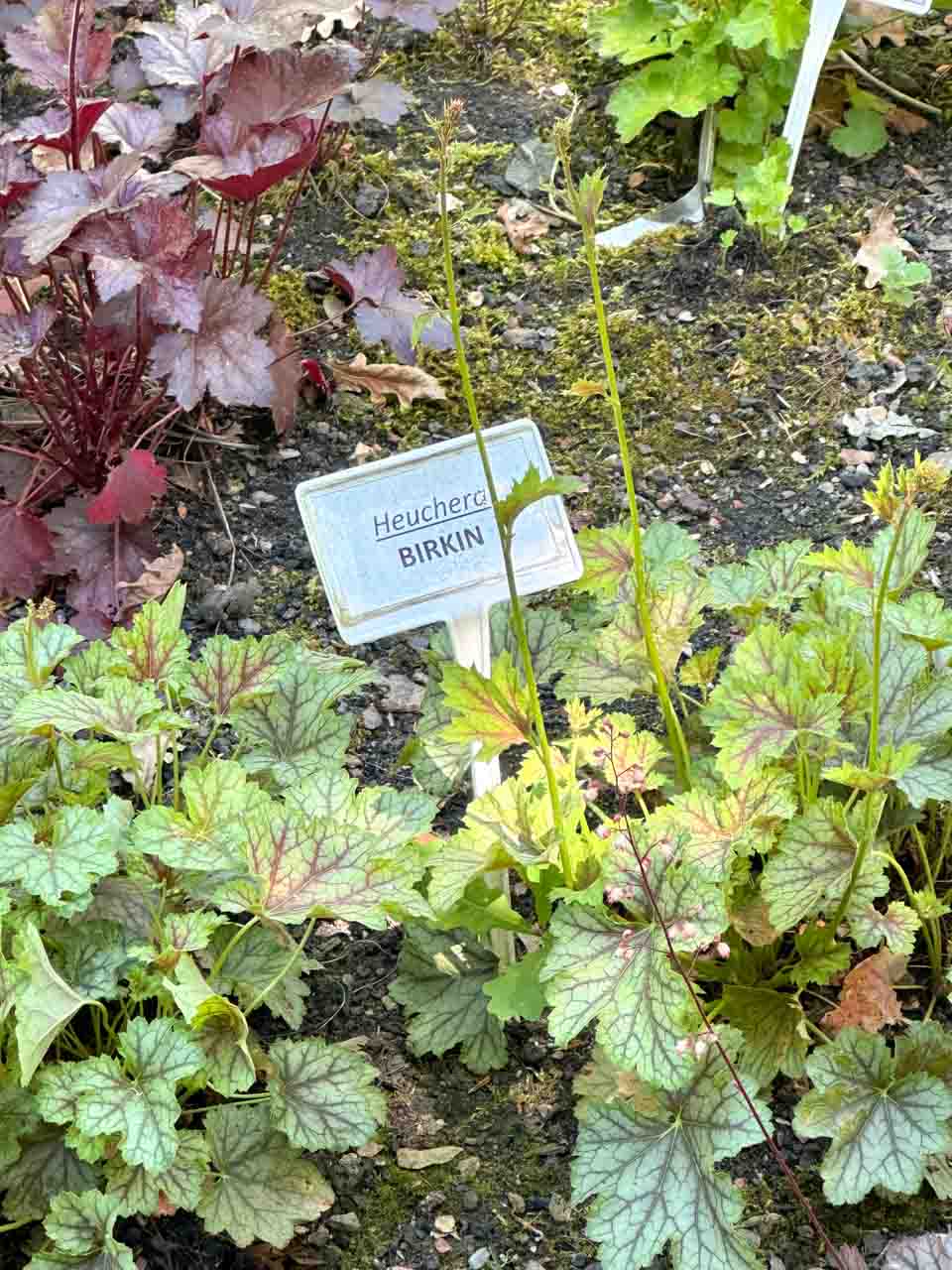
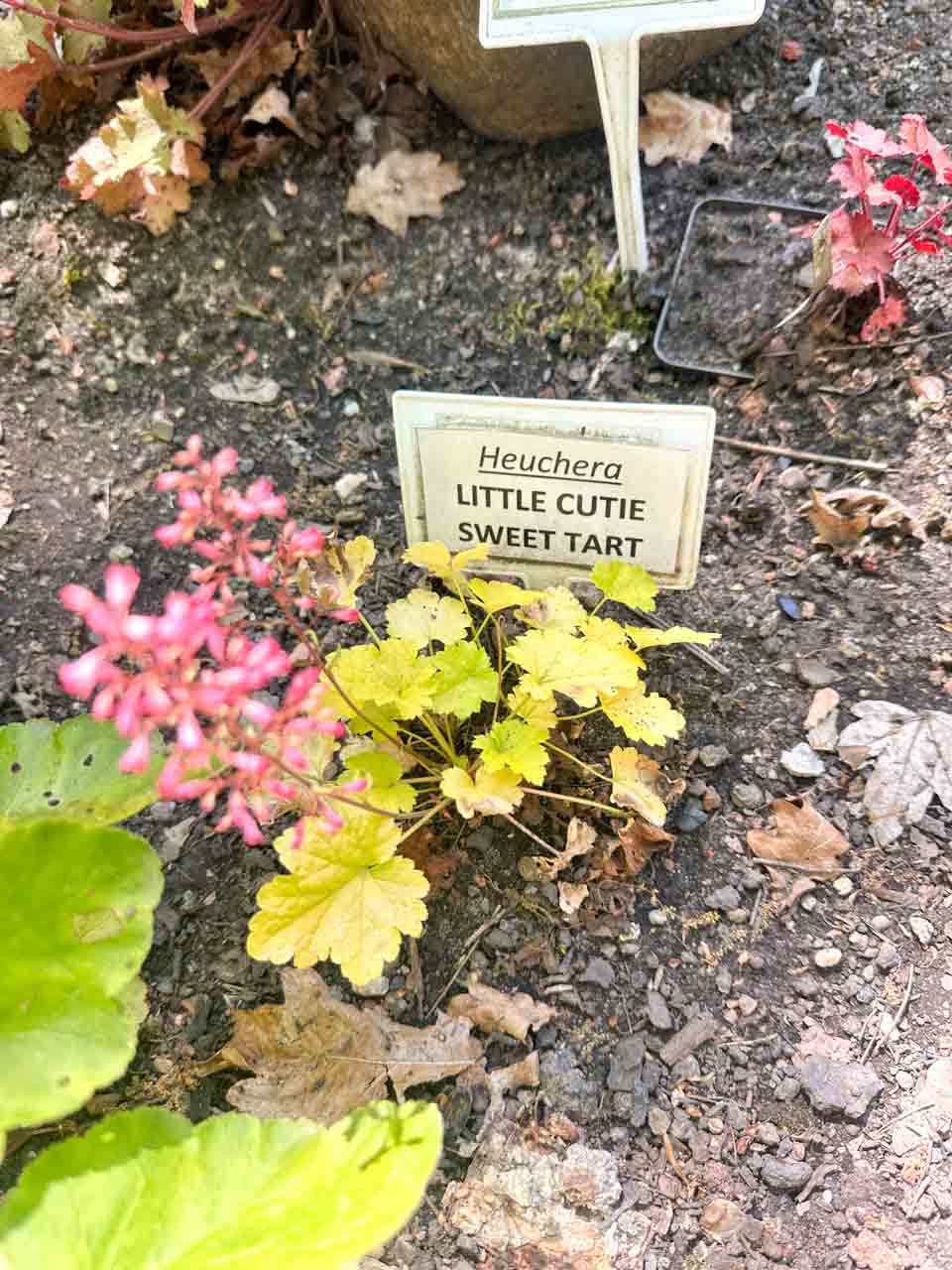
Since we arrived very early, we stopped by the botanical garden in Zabrze first.
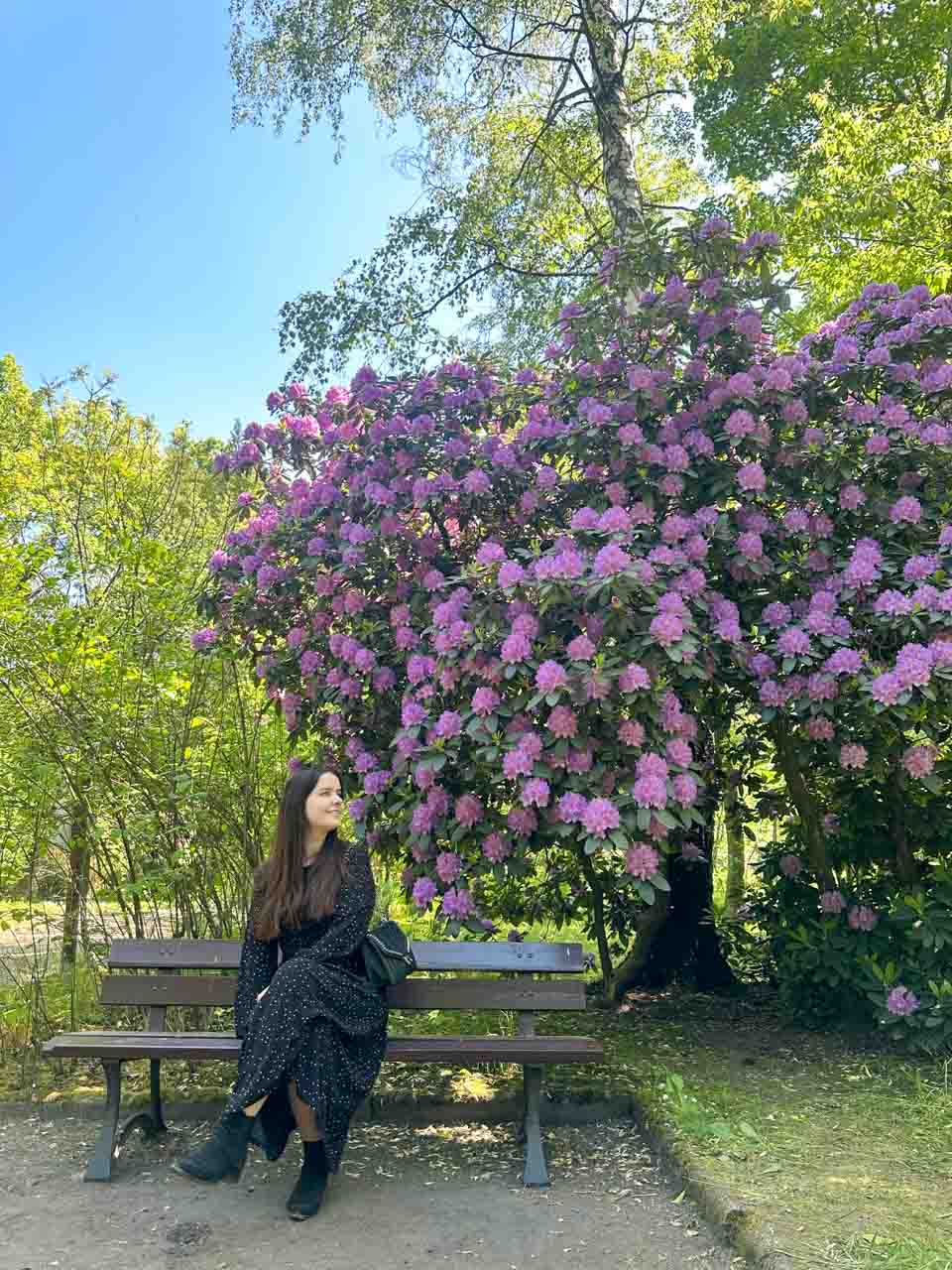
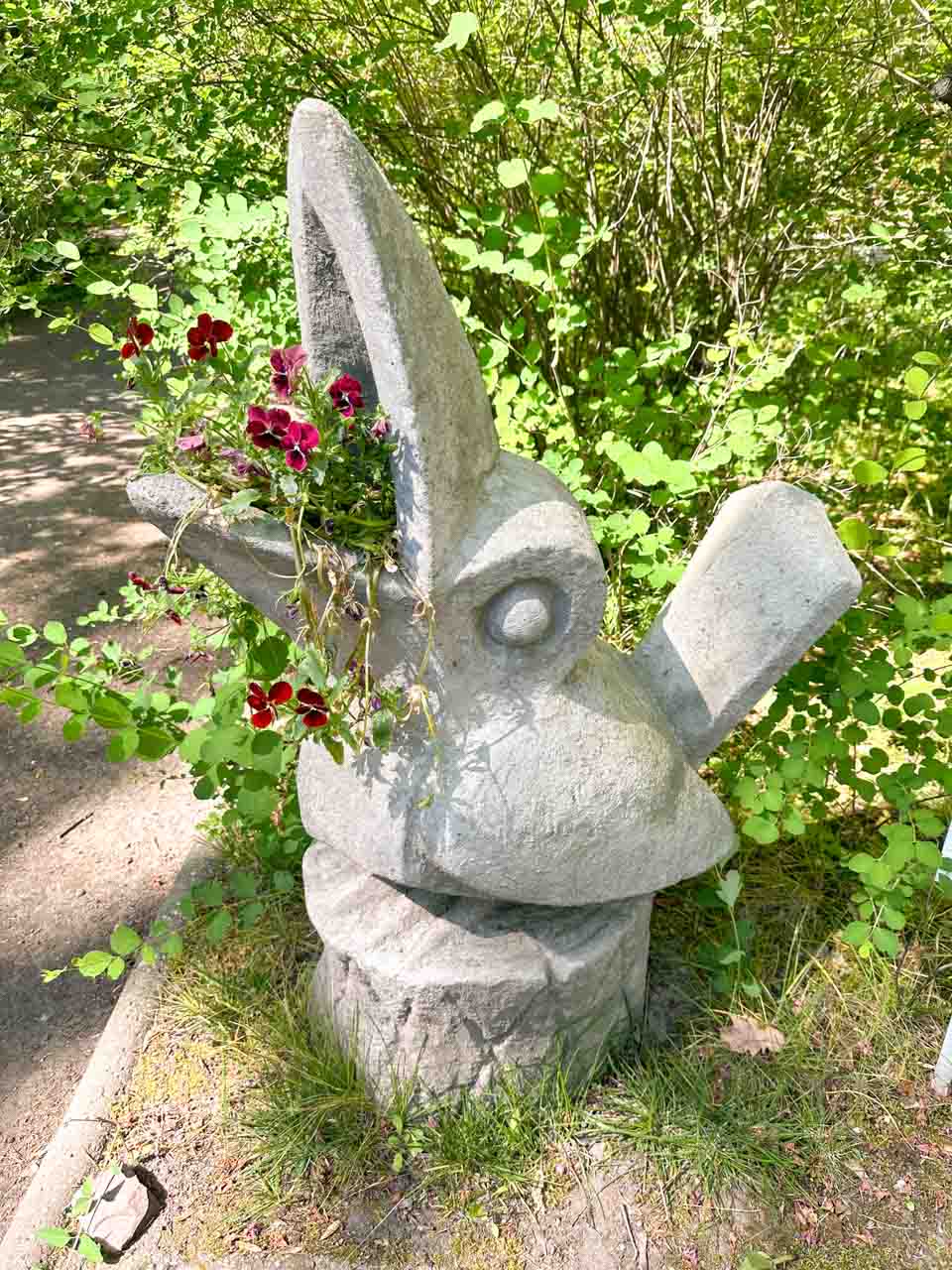

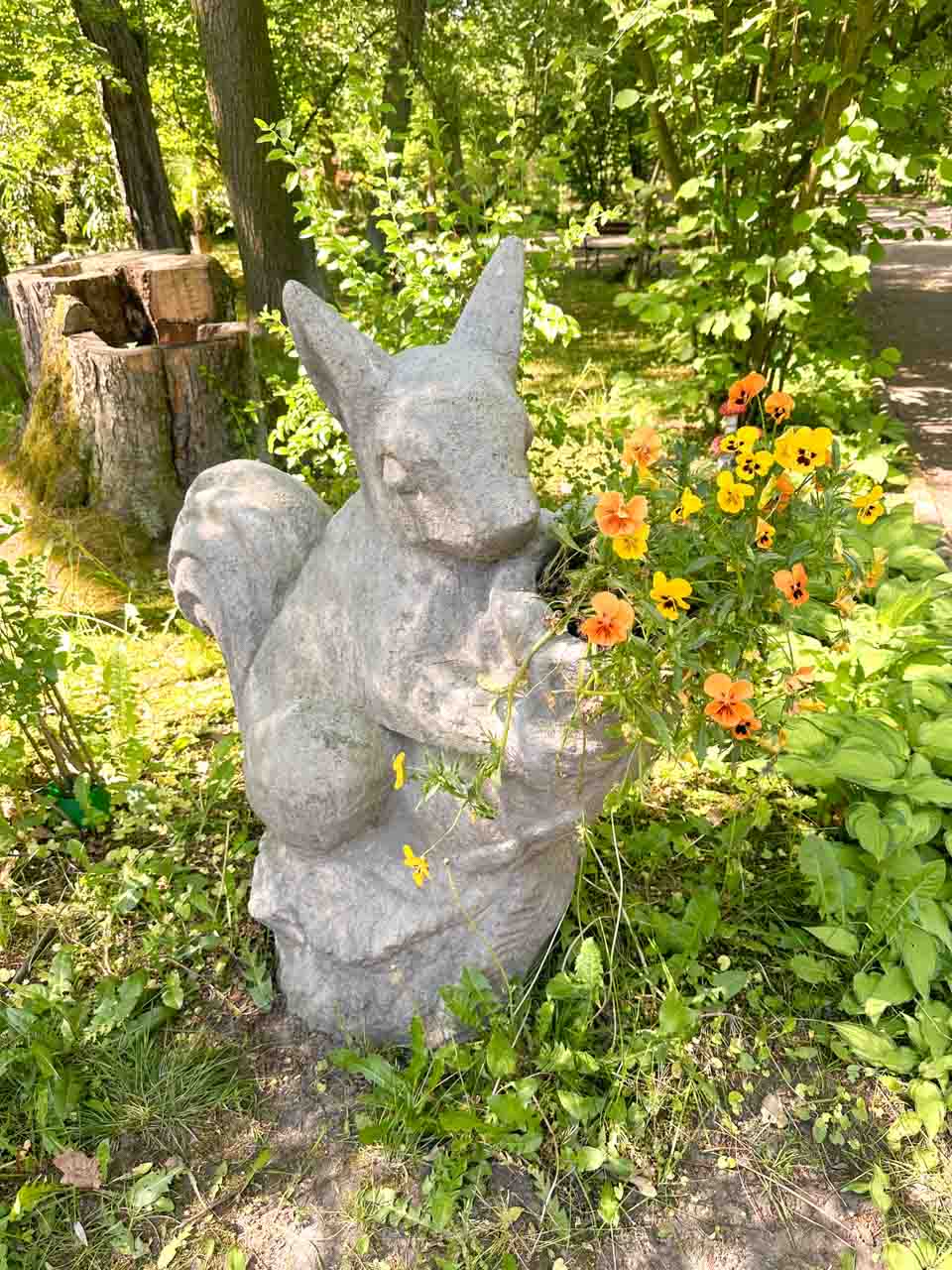
It’s tiny, but really lovely, especially on a sunny morning – and just look at how cute some of the plant names were!
Try traditional Silesian food
Silesia has its very own regional food – hearty, simple dishes with strong roots in working-class tradition and a mix of influences from nearby countries.
The most popular meal is Silesian roulade – a beef roll filled with bacon, onions, and pickles – served with red cabbage and Silesian potato dumplings, known locally as gumiklyjzy. They’re round with a little dimple in the middle (perfect for catching gravy) and pretty much a Sunday lunch staple here.


You’ll also find krupniok, a type of blood sausage made with barley, often served pan-fried until crispy on the outside. It’s not for everyone (I’ve actually never had it myself), but if you’re feeling brave, it’s worth a try.
Another local favourite is żur (usually called żurek in other parts of Poland) – a sour rye soup that’s usually served with sausage and a boiled egg. It’s one of my all-time favourites, especially in colder months, and with a huge dollop of strong horseradish!
And then there’s wodzionka, a garlic and bread soup made from stale bread, garlic, lard or butter, and sometimes bacon, that was traditionally eaten by miners.
If you’d like to know where to try these (plus more modern or less traditional eats, great coffee, and breakfast spots), I’ve put together a full foodie guide to the best places to eat in Katowice – be sure to check it out! Just be careful before you order a Silesian tiramisu – I’ve explained why in my Katowice Christmas Market guide. 😉
Visit other cities
If you’ve got more time on your hands and feel like you’ve ticked off most of Katowice’s attractions, it’s a great base for exploring more of Central Europe.
You can easily hop on a train and head south to cities like Vienna, Ostrava, Bratislava, or Budapest – and in the summer months, even further down to places like Ljubljana or Rijeka.
Ostrava is especially easy to get to – it’s just about an hour away, and while some people say it’s not worth a trip, I’d argue otherwise. There are actually some really cool things to do there if you know where to look!
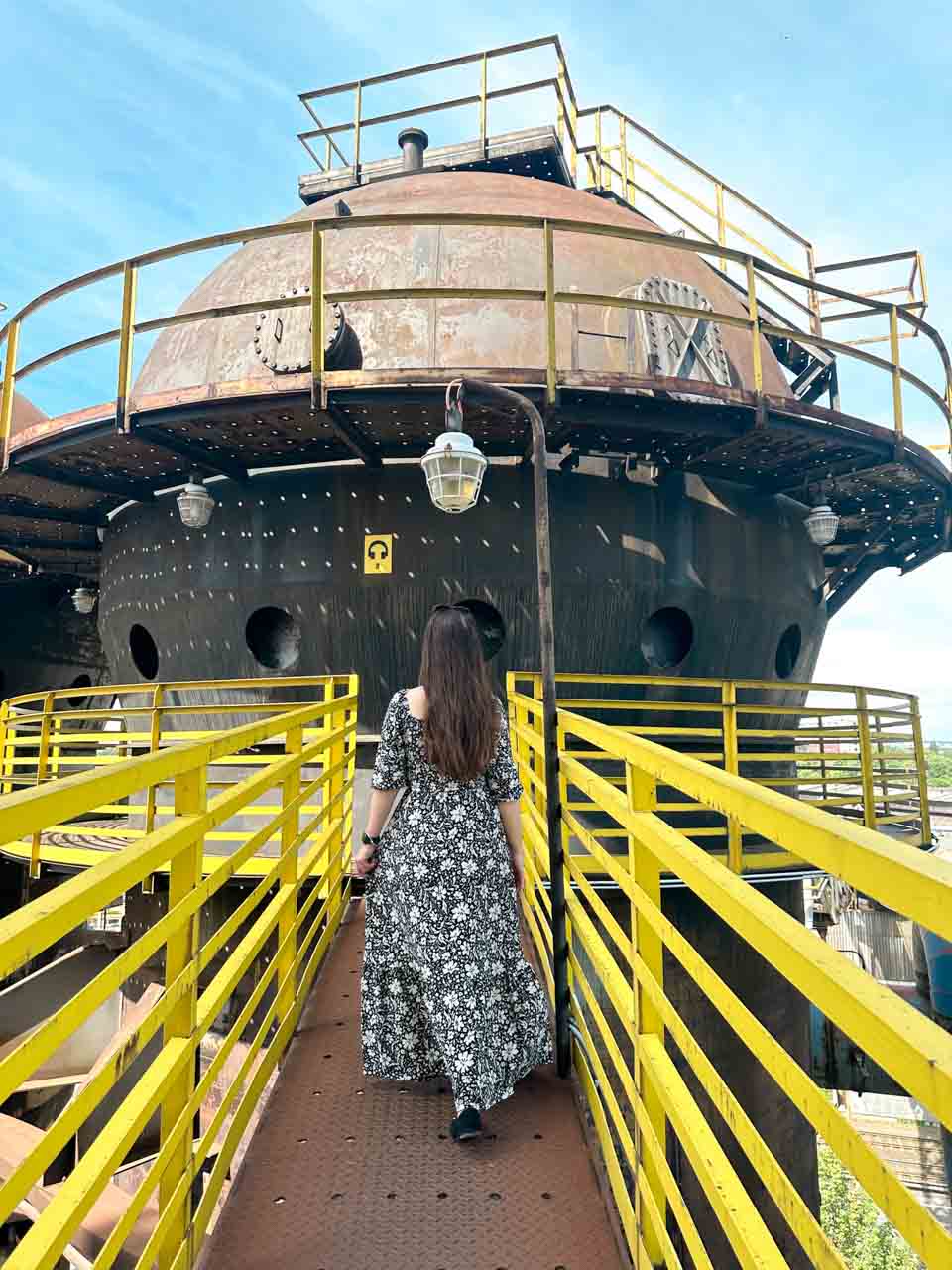
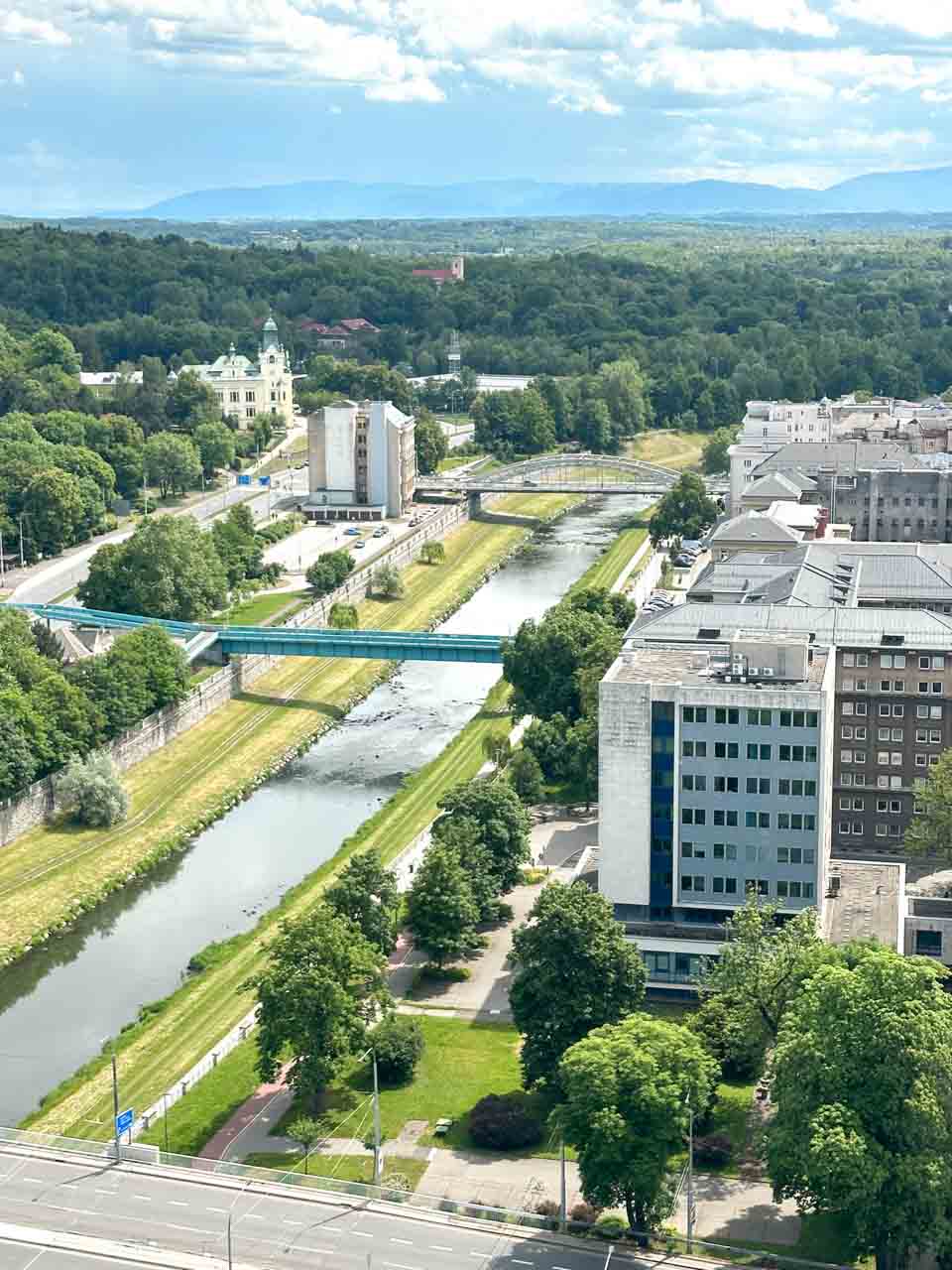
I’ve linked all my travel guides above, so if you’re thinking of adding another destination to your trip, have a read and get some ideas for what to see and do!
Would you consider visiting Katowice? Which of these things did you like the most?



We are just finishing our 5 day visit of Katowice and your blog was our main source of information. Thank you wery much!
Best regards, Katarina and Elvis
Author
Thanks for the kind words! I’m so happy to hear you found my guide helpful and I hope you had a great time in Katowice ☺️
Hi Dominika!
I found your post while researching Katowice and I absolutely loved it!
I recently discovered that some of my ancestors came from this city and settled here in Brazil. When I was living in Germany, people often said I had Polish features, and now I’ve found out that this is actually true. Getting to know more about the city through your perspective was a truly beautiful experience. I really hope to visit the city someday.
I’ll add your blog link to my blogroll so I can keep following your work.
Best wishes,
Bruna
https://falacatarina.com/
Author
Hey! Thank you so much for sharing your story – it’s so cool! How interesting that people noticed your Polish features before you even knew about your roots. It truly made my day to hear that I could help you learn more about the place your ancestors are from. That means a lot. 🤍 I really hope you get to visit Katowice one day and experience it for yourself. I might be heading back there in May, and if I do, I’ll definitely add some new recommendations to the blog. And if you ever decide to visit Poland, feel free to reach out if you need help with anything. 😊
W Nikiszowcu warto odiwedzic restauracje Maola – mala, ale super fajnie zaaranzowana, z bardzo kreatywnie wykorzystanymi wozkami kopalnianymi.
Author
Dziękuję za polecenie! Nie słyszałam wcześniej o tej restauracji, ale brzmi naprawdę ciekawie 😊