Last updated on August 10, 2025
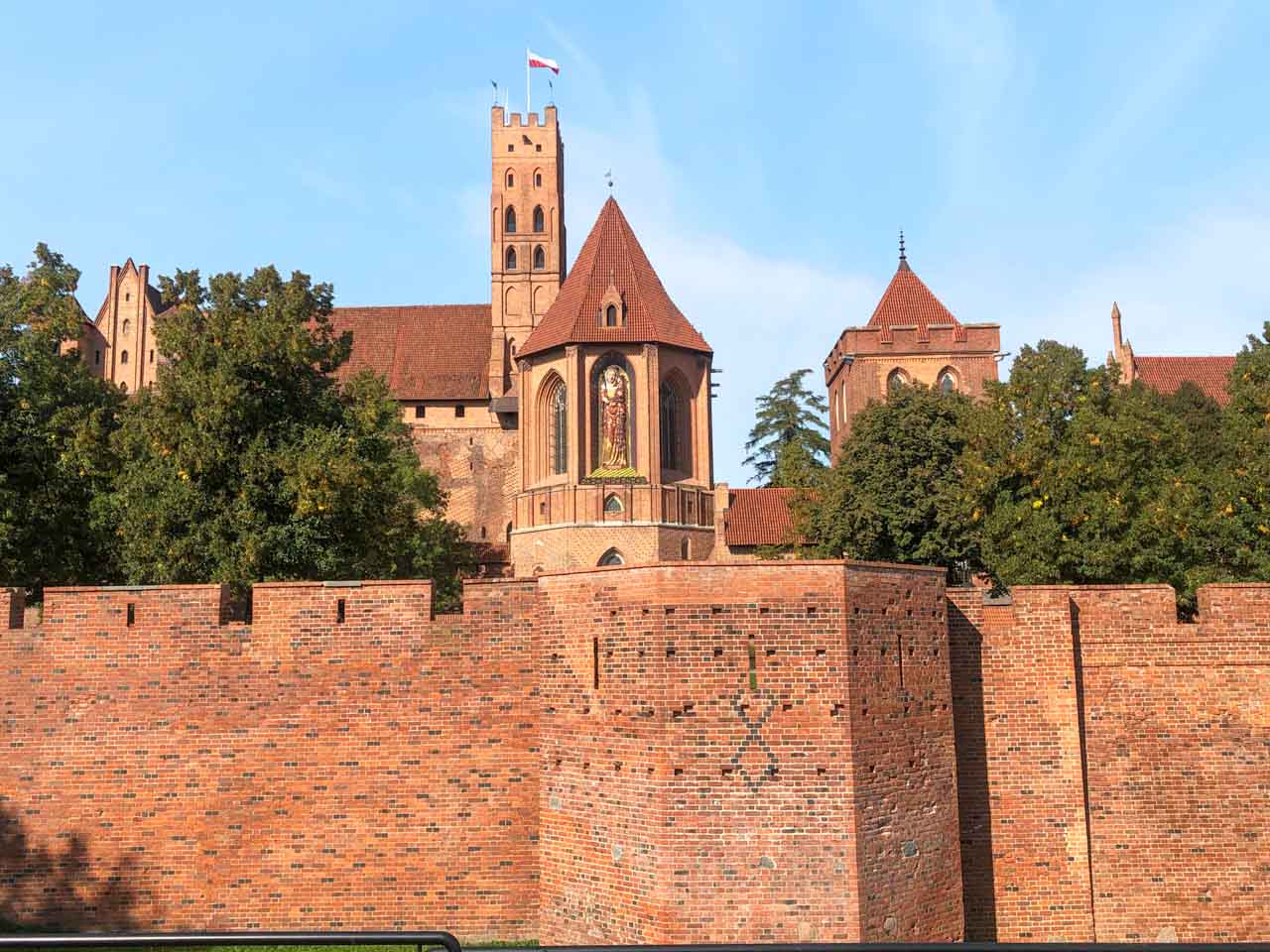
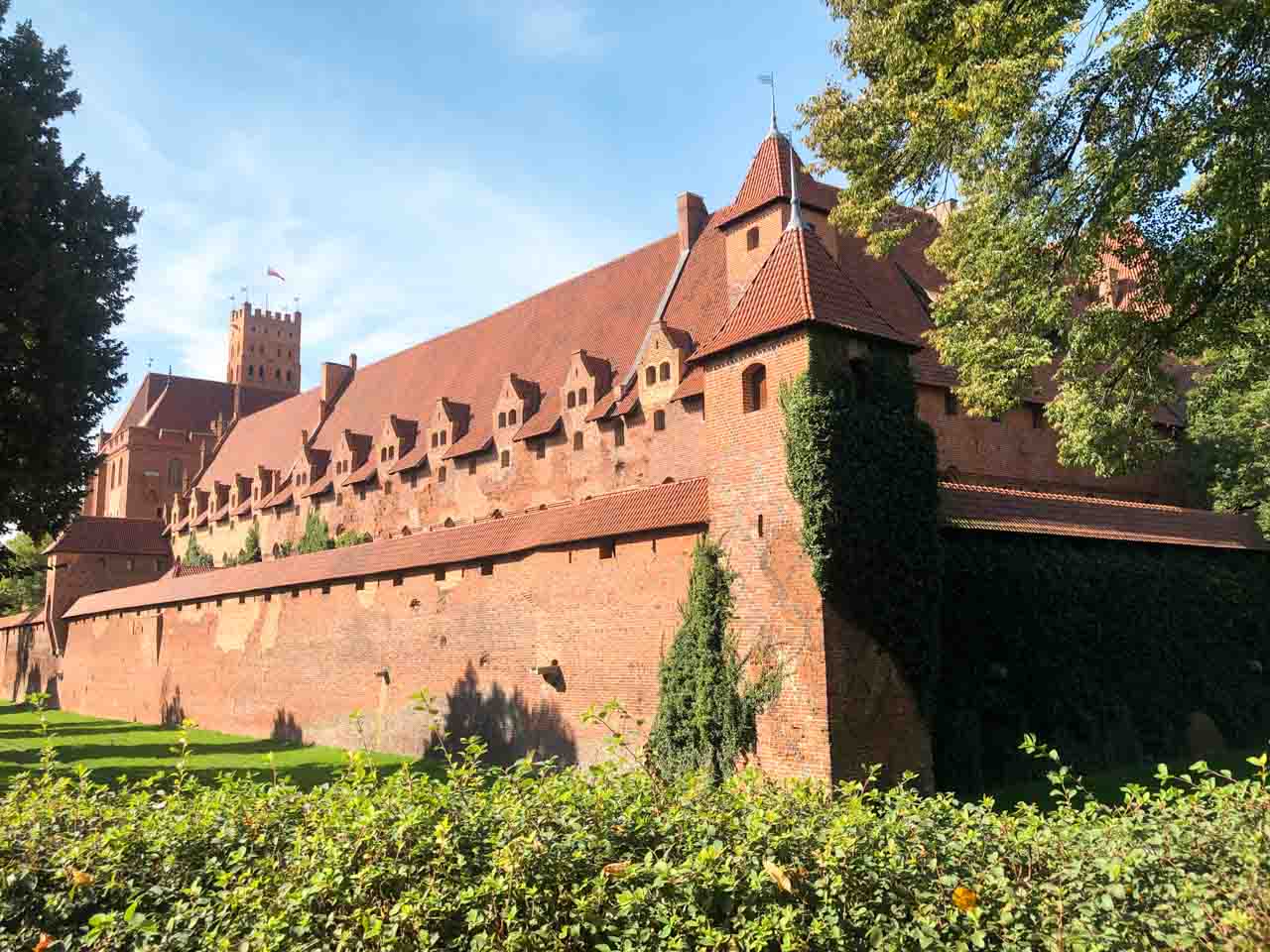
Just an hour away from Gdańsk, you’ll find Malbork Castle – the largest brick castle in the world and a UNESCO World Heritage site. It dates back to the 13th century, when the Teutonic Knights began building it as their headquarters. They ruled over large parts of the Baltic region at the time and used the castle as a base to expand their power and fight off enemies.
Later on, after the Polish Crown took control of the region, the castle was turned into a royal residence and served as one of the seats of Polish kings until the partitions of Poland in the late 18th century.

If you’re ever in the area, this is one of those places you absolutely have to see. I’ve been multiple times – both solo and with friends visiting – and it’s such an easy day trip from Gdańsk that I always end up recommending it.
So, I decided to put together this little guide to help you plan your visit. I’ll walk you through everything step by step – from how to book your train tickets, to getting into the castle, and all the best things to check out once you’re inside.

How to get to Malbork from Gdańsk
The easiest way to get to Malbork from Gdańsk is definitely by train. You could drive or take a bus, but honestly, I wouldn’t recommend it – especially in peak season, when traffic can be a nightmare and parking near the castle is almost impossible.
Every year, between 700,000 and 800,000 tourists visit Malbork Castle, so things can get very busy, particularly in the summer. Trains are much more relaxed – and you don’t have to stress about delays or where to leave your car.
Luckily, both long-distance and regional trains stop in Malbork, so you won’t have any trouble finding a connection. In Gdańsk, there are three main stations: Gdańsk Oliwa, Gdańsk Wrzeszcz, and Gdańsk Główny (the one closest to the Old Town). Two train companies run this route: PKP Intercity and Polregio.
PKP Intercity
PKP Intercity is the main train operator in Poland. When you search for tickets on the PKP Intercity website, you’ll see a few abbreviations before each train number: TLK, IC, and EIP.
Here’s what they mean:
No matter which option you choose, you always need to buy your ticket in advance – either at the station, through the PKP Intercity website, or via the app. Your ticket will include a specific carriage and seat number, and sometimes the inspector might ask to see your ID too, so make sure you’ve got it on you.
If you’re travelling in a group of 2-6 people, you’ll get 30% off on TLK or IC trains – it should apply automatically as long as you book tickets at least 7 days in advance. The only thing to watch out for is that since these trains run longer routes, they sometimes arrive late. But for a short trip like this, I wouldn’t bother paying extra unless you’re really in a rush.
Polregio
The alternative to Intercity trains is regional ones operated by Polregio. You can buy tickets at the station or online via the Polregio website (just a heads-up: at the moment, I don’t see an option to switch the site to English).
If you’re booking online, you can do it up to 5 minutes before departure. But unlike Intercity, you can also just hop on and buy a ticket from the conductor – just make sure to head to the front of the train and let them know as soon as you board.
Another perk is that your ticket stays valid for up to 6 hours from your chosen departure time, so if you miss your train, you can just catch the next one going the same way. There are no seat reservations either – just grab any free spot.
How to get from the train station to the castle
If you’re taking an Intercity train, you’ll arrive at the main station in Malbork. From there, it’s a simple 15-minute walk to the castle. Just turn right when you leave the station, walk towards the roundabout and cross the road. Then head down Kościuszki Street in the direction of McDonald’s – the castle will come into view soon after.
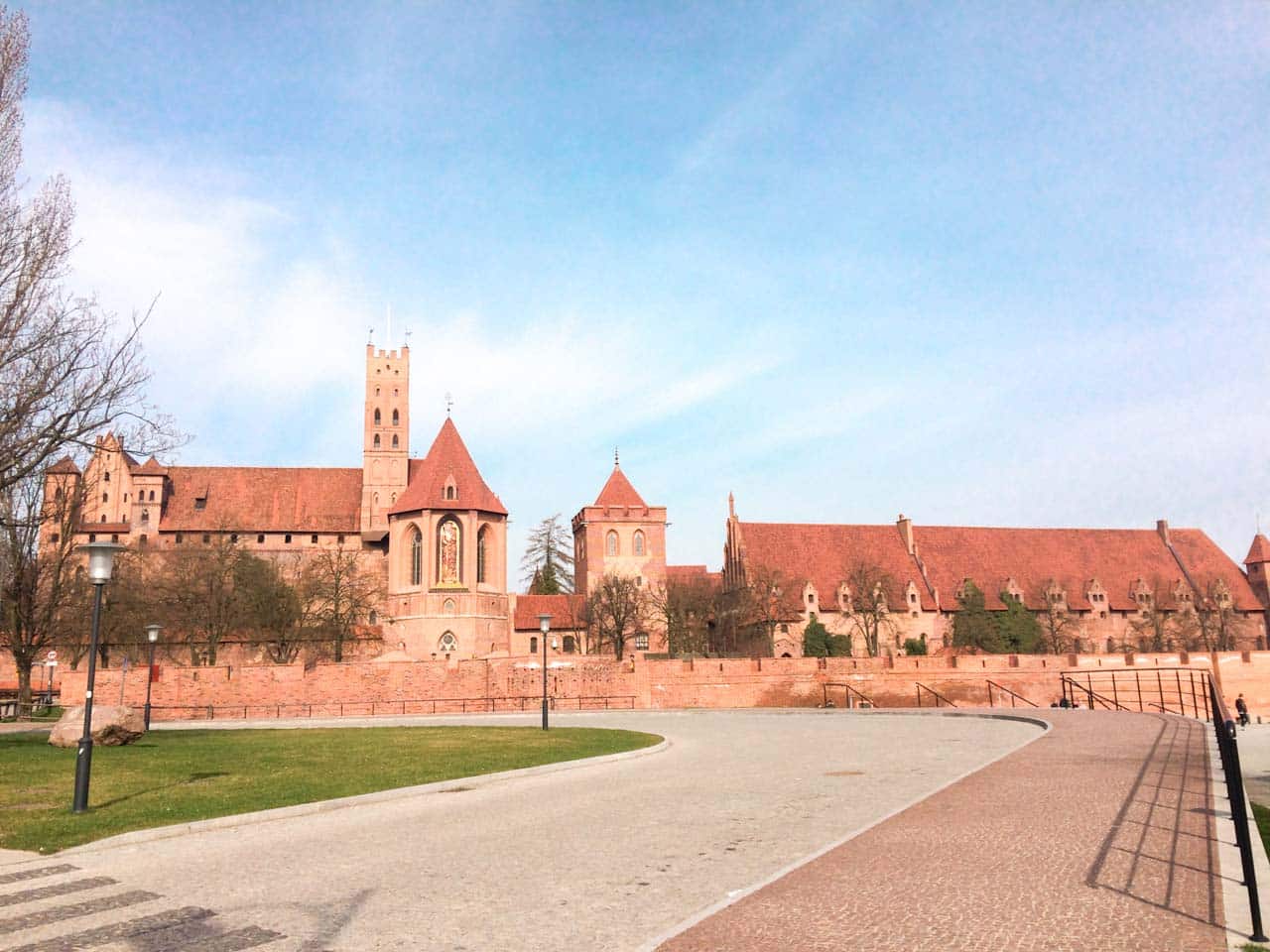
If you’re on a Polregio train, it might stop at both the main station and Malbork Kałdowo. The Kałdowo stop is a little closer, and the walk takes you across the river, with a lovely view of the castle from the other side.
Guided tours
If you’re not feeling confident about tackling Polish trains on your own – or just prefer a more relaxed option – you can also book a guided tour with pickup included.
It’ll cost you quite a bit more (roughly five times the price of doing it yourself), but if you’re not much of a planner, this is a great alternative.
Just click on any of the tours below to see what’s included and check prices and availability.
How much does it cost to visit Malbork Castle?
There are a few different ticket options, depending on how much time you’ve got and how much you want to see:
All tickets include an audioguide with several languages to choose from, or a Polish guide. I’d definitely recommend booking ahead on the Malbork Castle website – especially in the summer, as it can get pretty busy.

What can you see inside Malbork Castle?
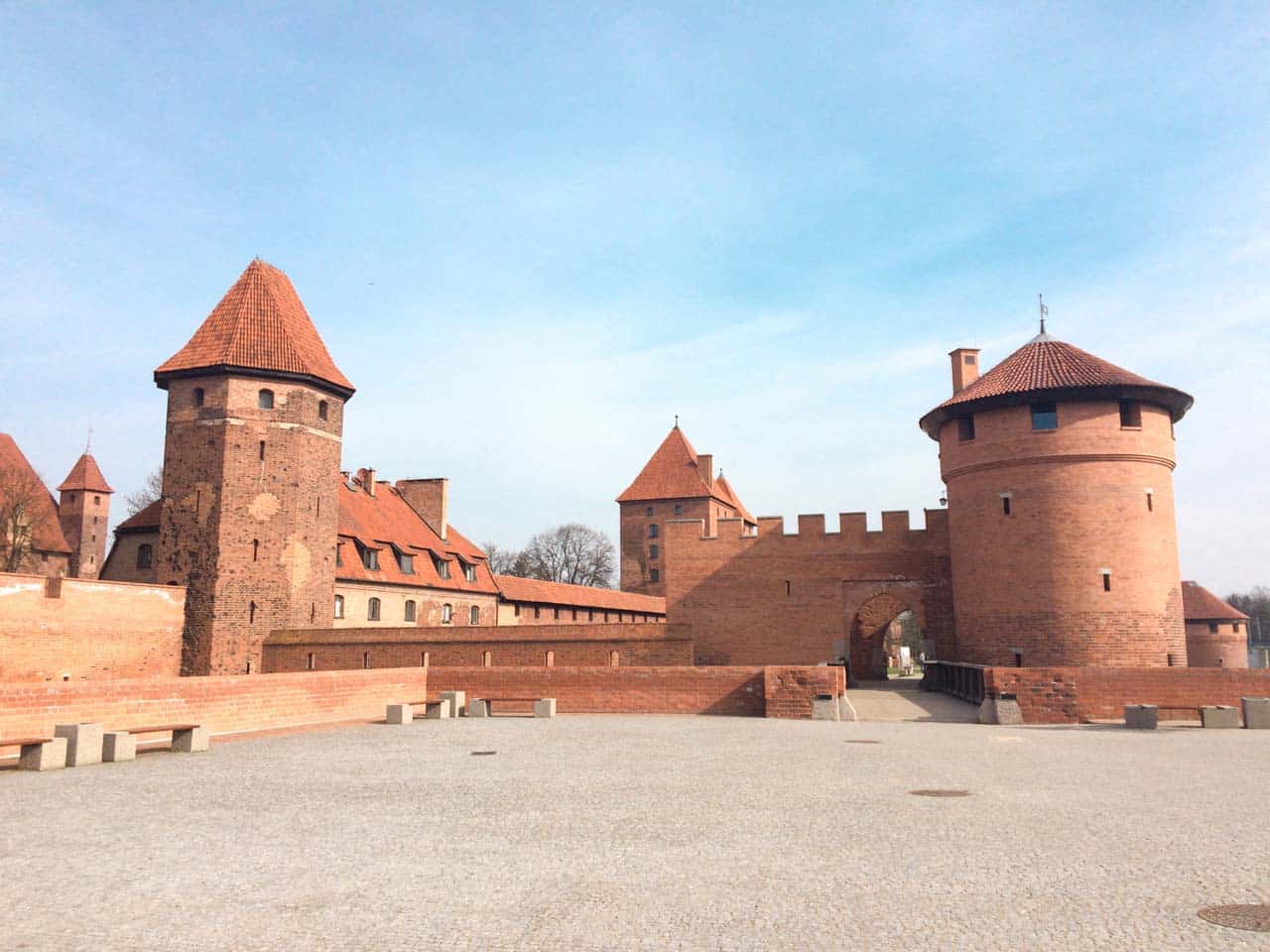
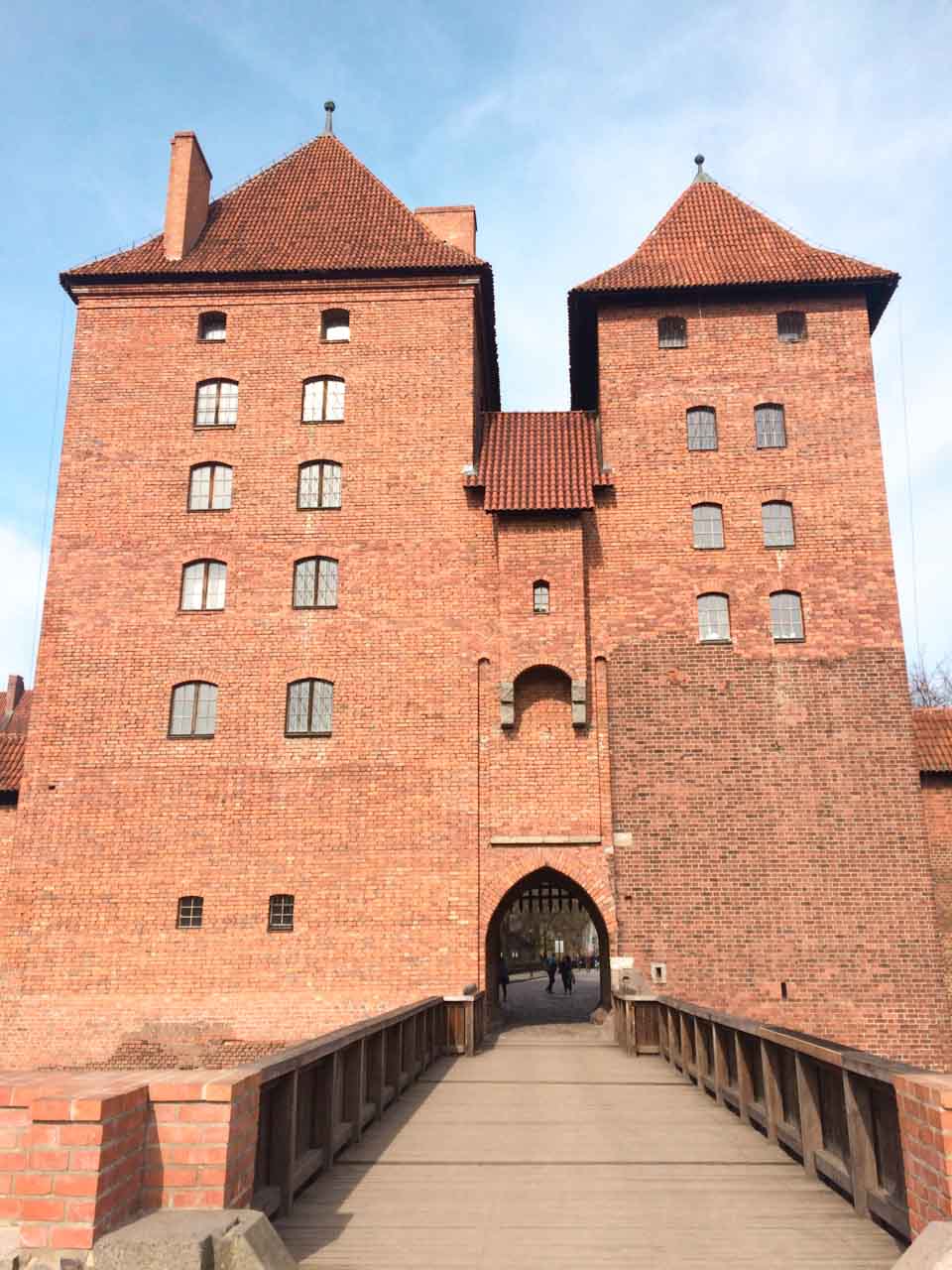
The Malbork Castle complex consists of three connected castles – the High, Middle, and Low Castles. The audioguide clips play automatically when you reach a certain spot, and they stop as soon as you walk away, so you can explore at your own pace without feeling stuck in one place.
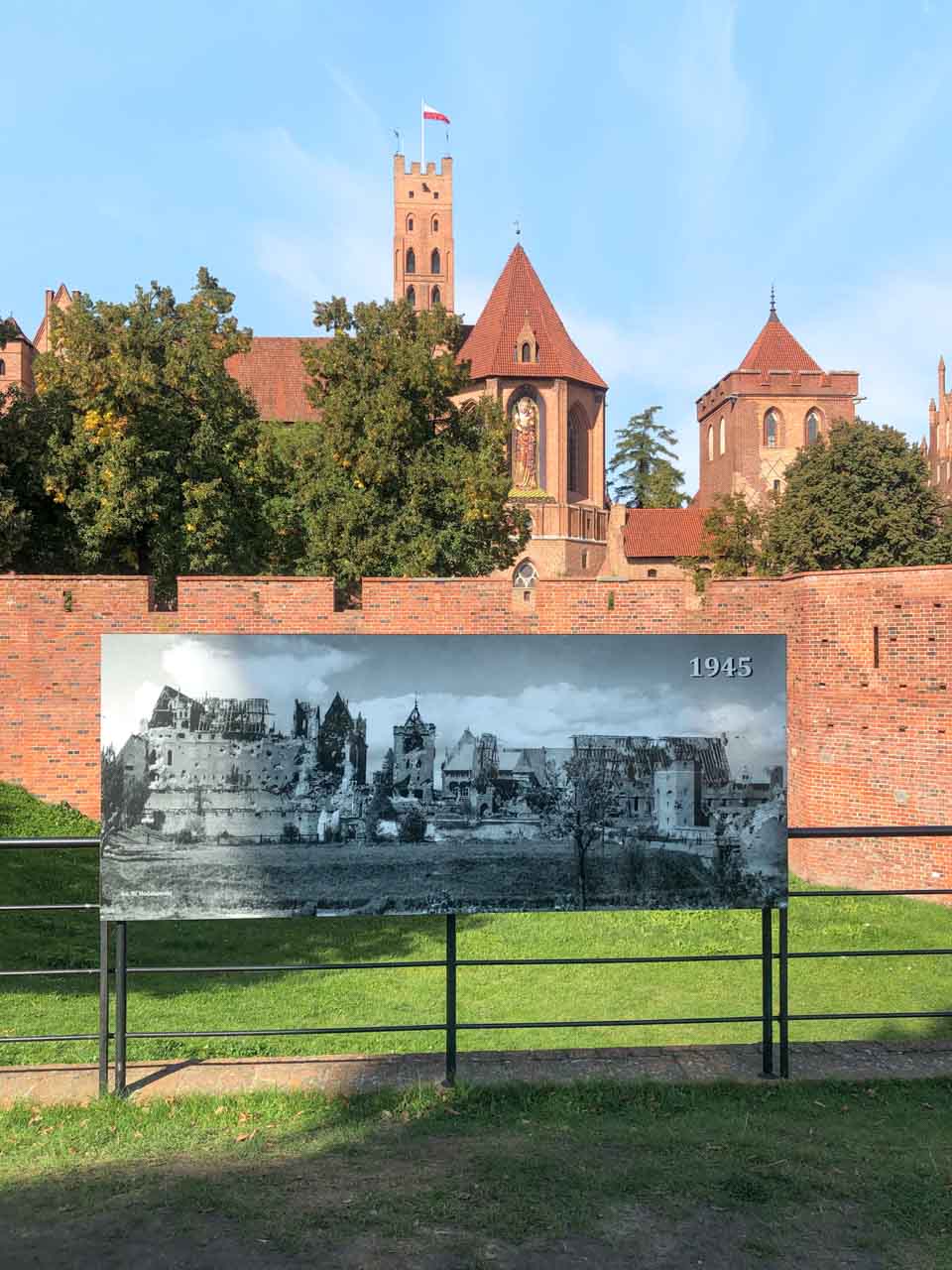
Malbork Castle was badly damaged during WWII and later hit by a fire, so what you’re seeing today is largely a reconstruction. But unlike other castles that try to glam it up with velvet ropes and fancy furnishings, Malbork keeps things raw.
You won’t find palatial rooms here – it’s more about the scale, the layout, and the stonework that gives you a real feel for what it might’ve looked like centuries ago.
Low Castle
Before you even enter the main museum, you’ll pass through the area known as the Low Castle. This part is free to walk around and open to everyone – your ticket only gets checked once you reach the Middle Castle.
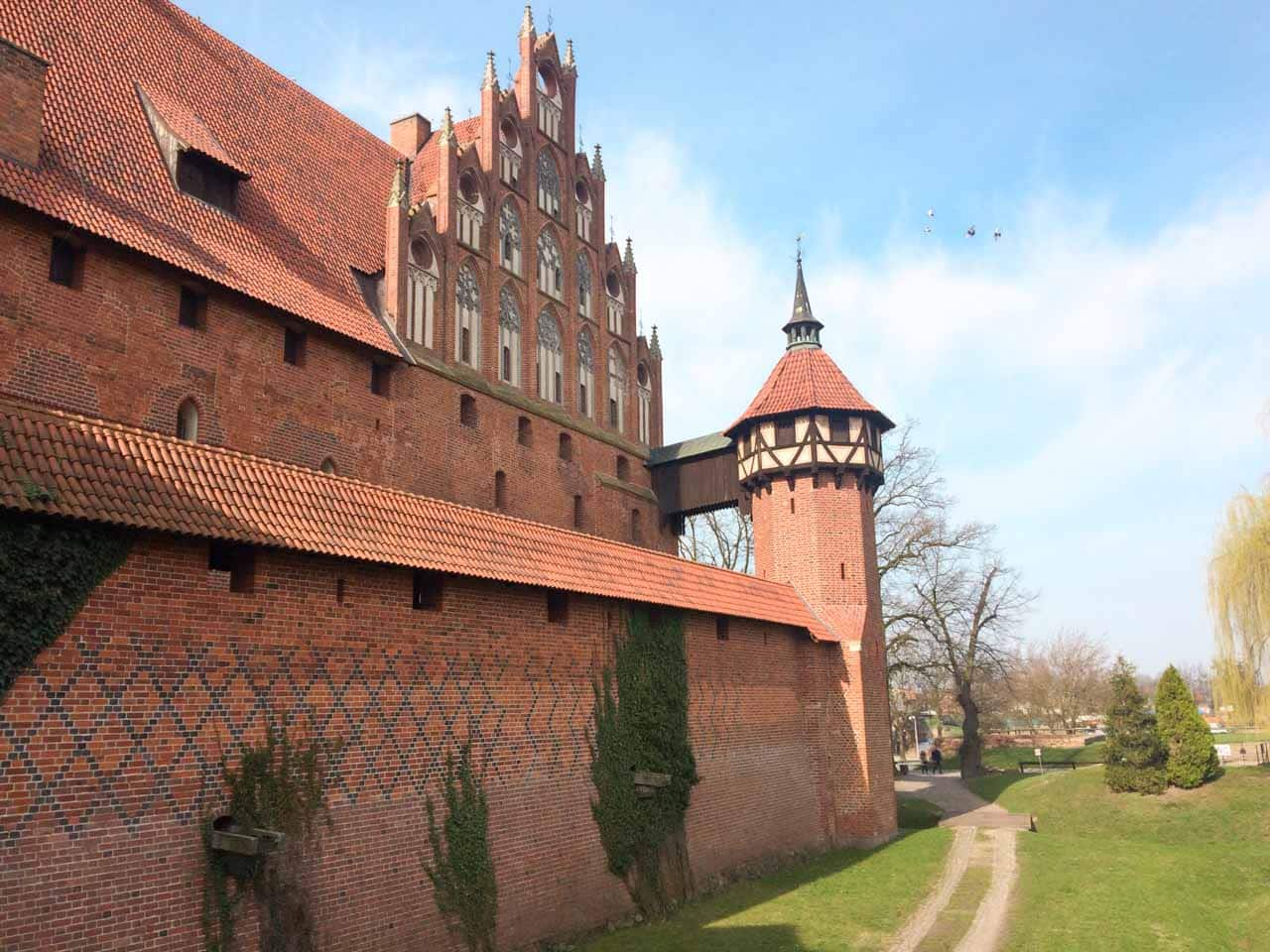
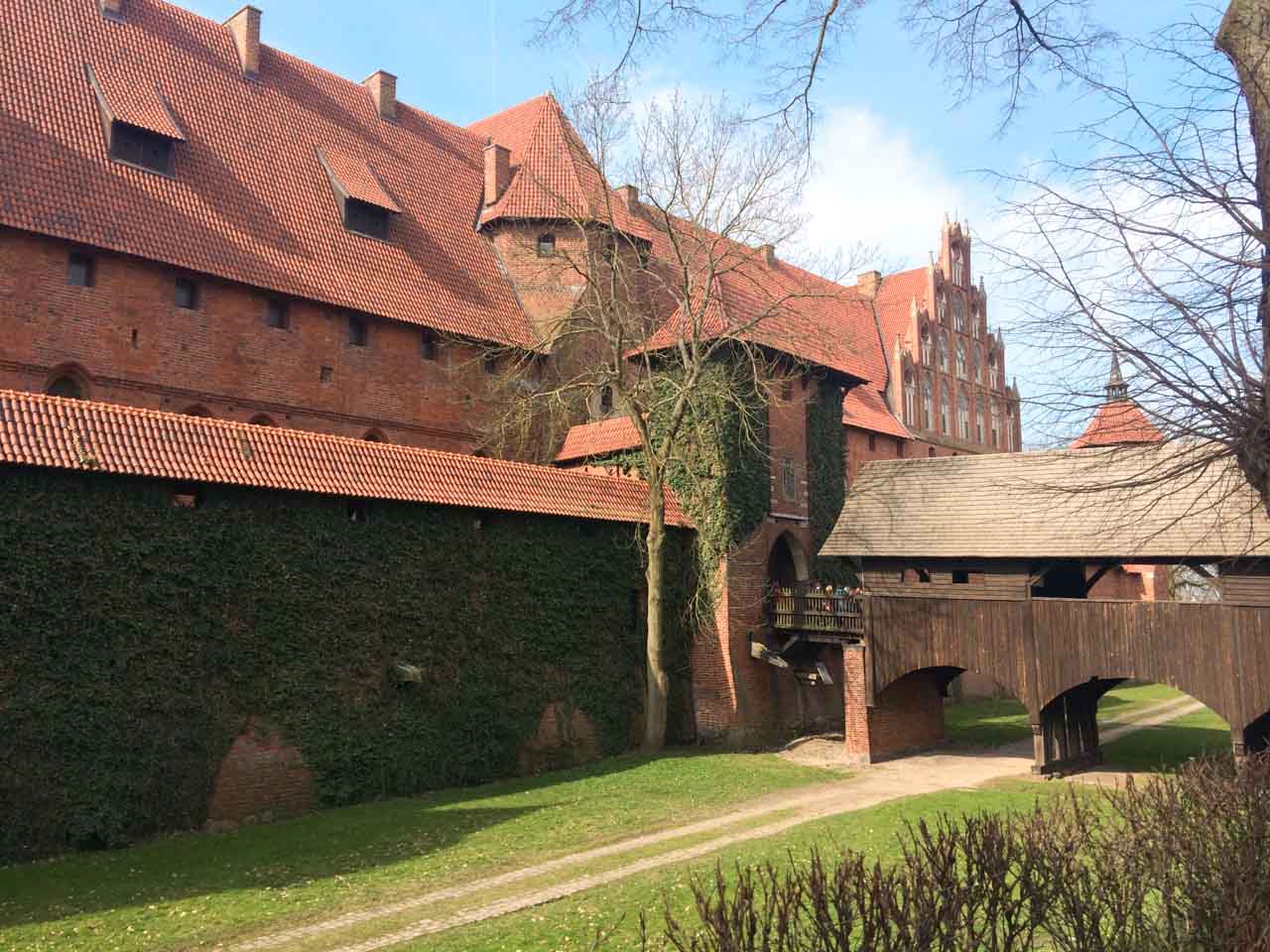
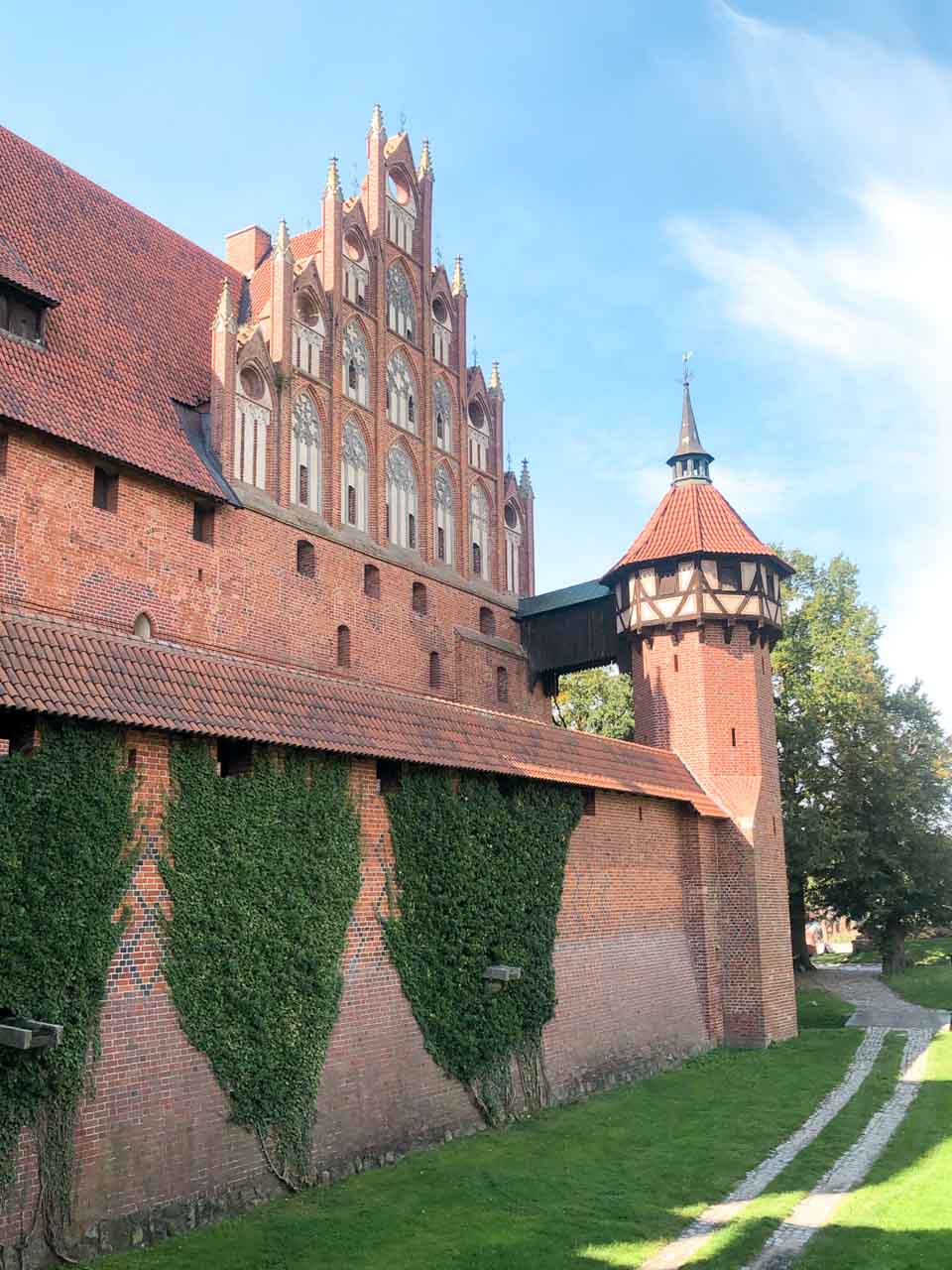
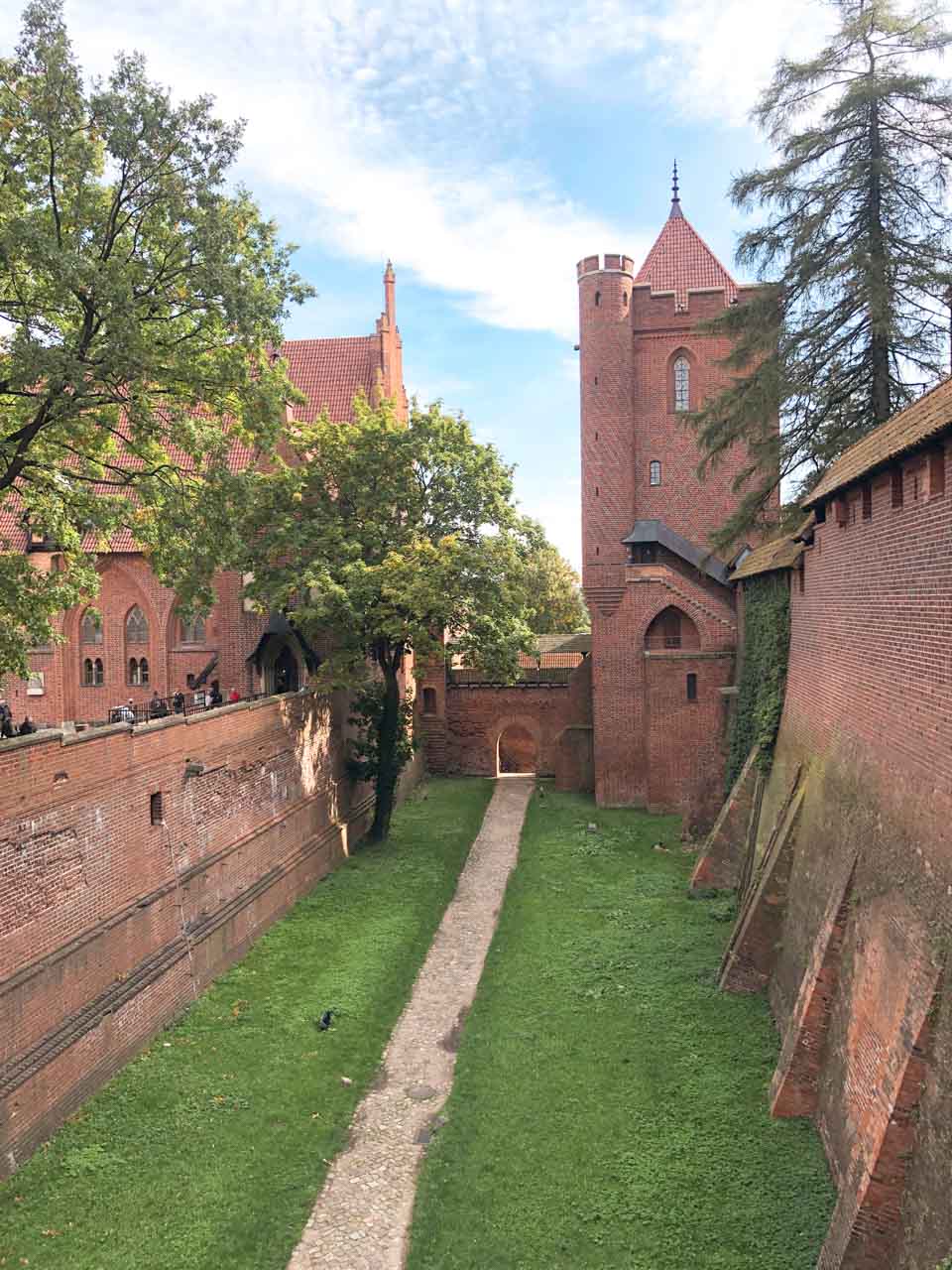
It’s more functional, with some outbuildings and what used to be the old armoury (called Karwan), plus some lovely views of the walls and moat as you make your way in.
Middle Castle
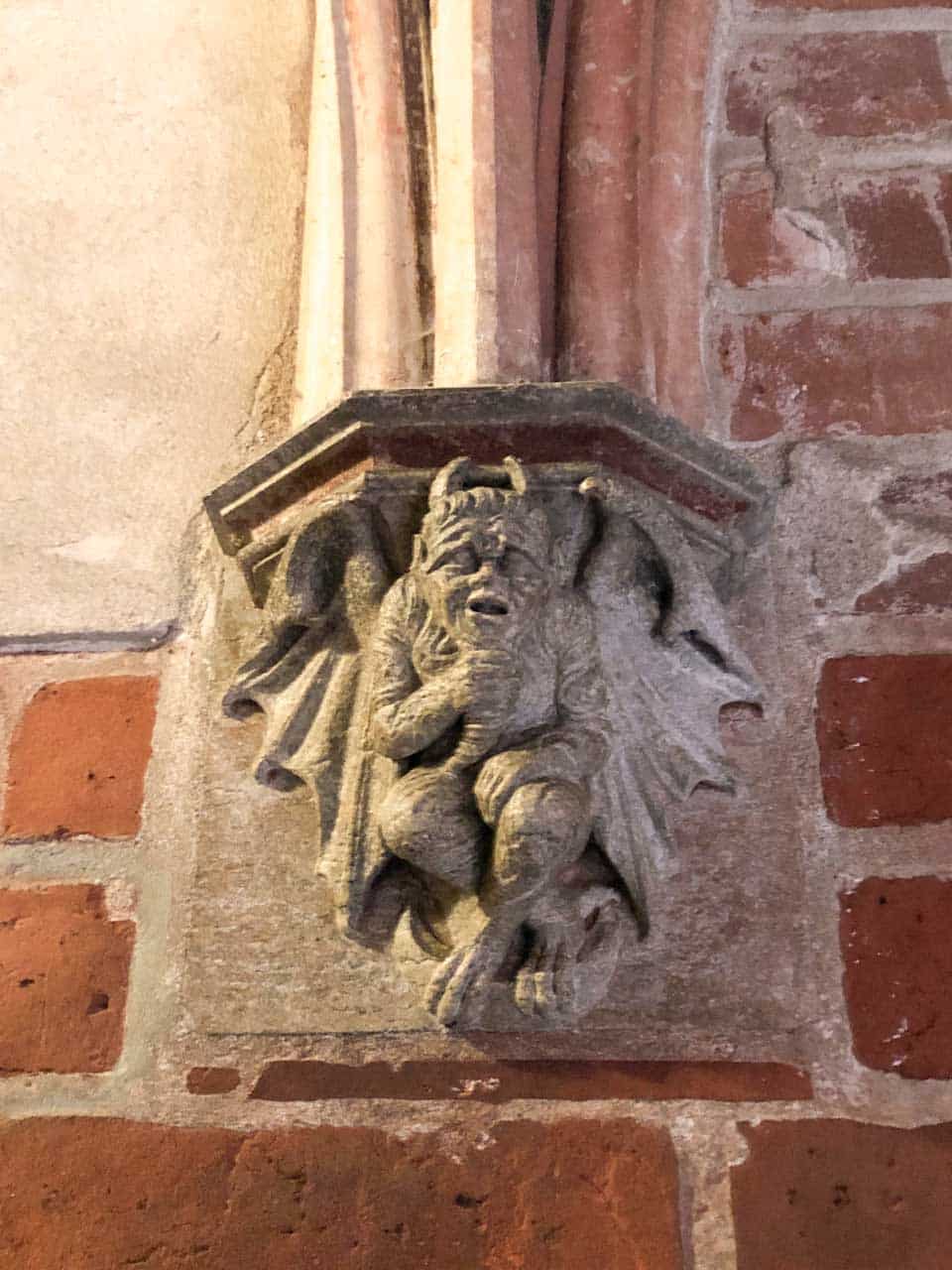
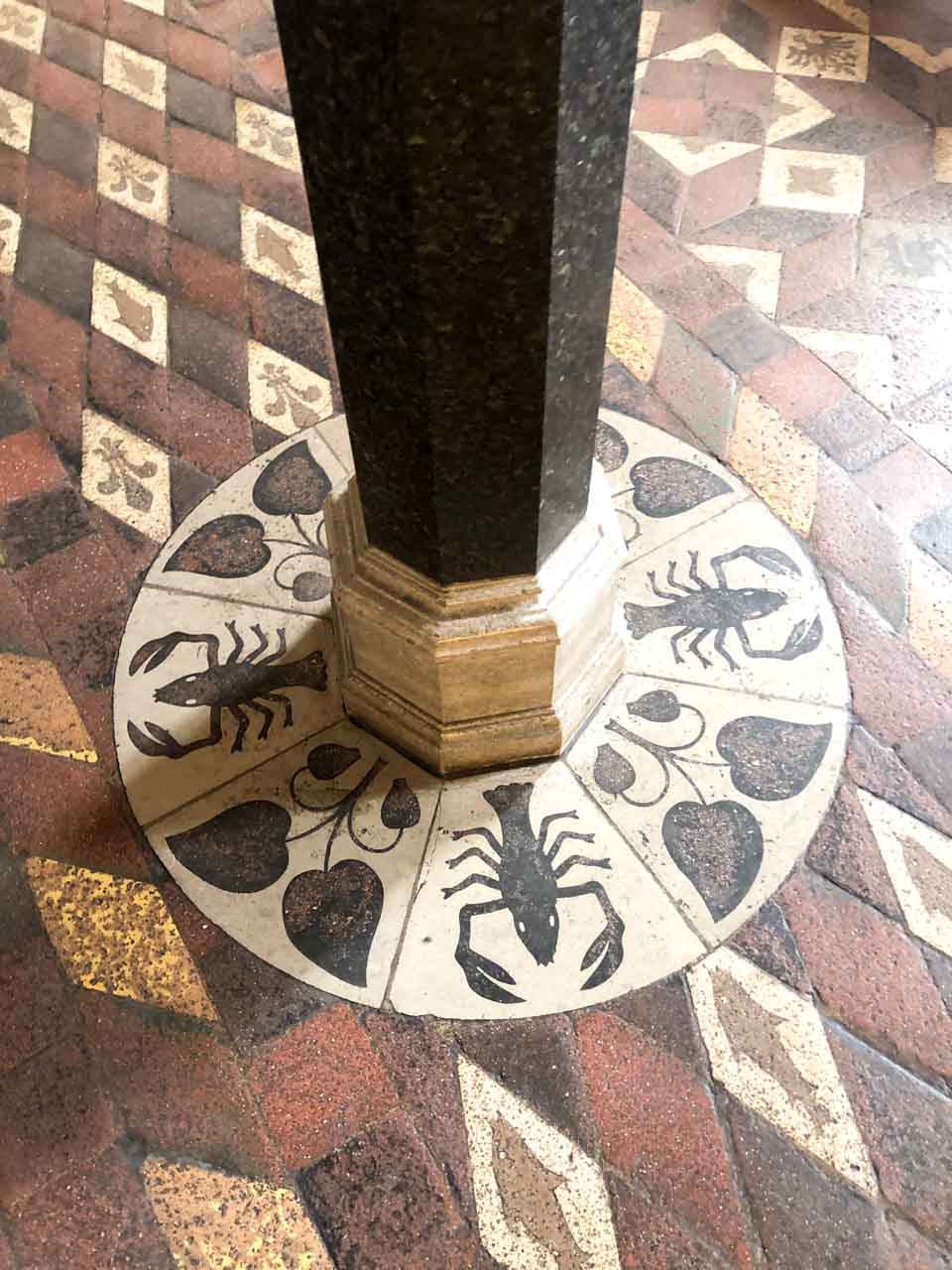
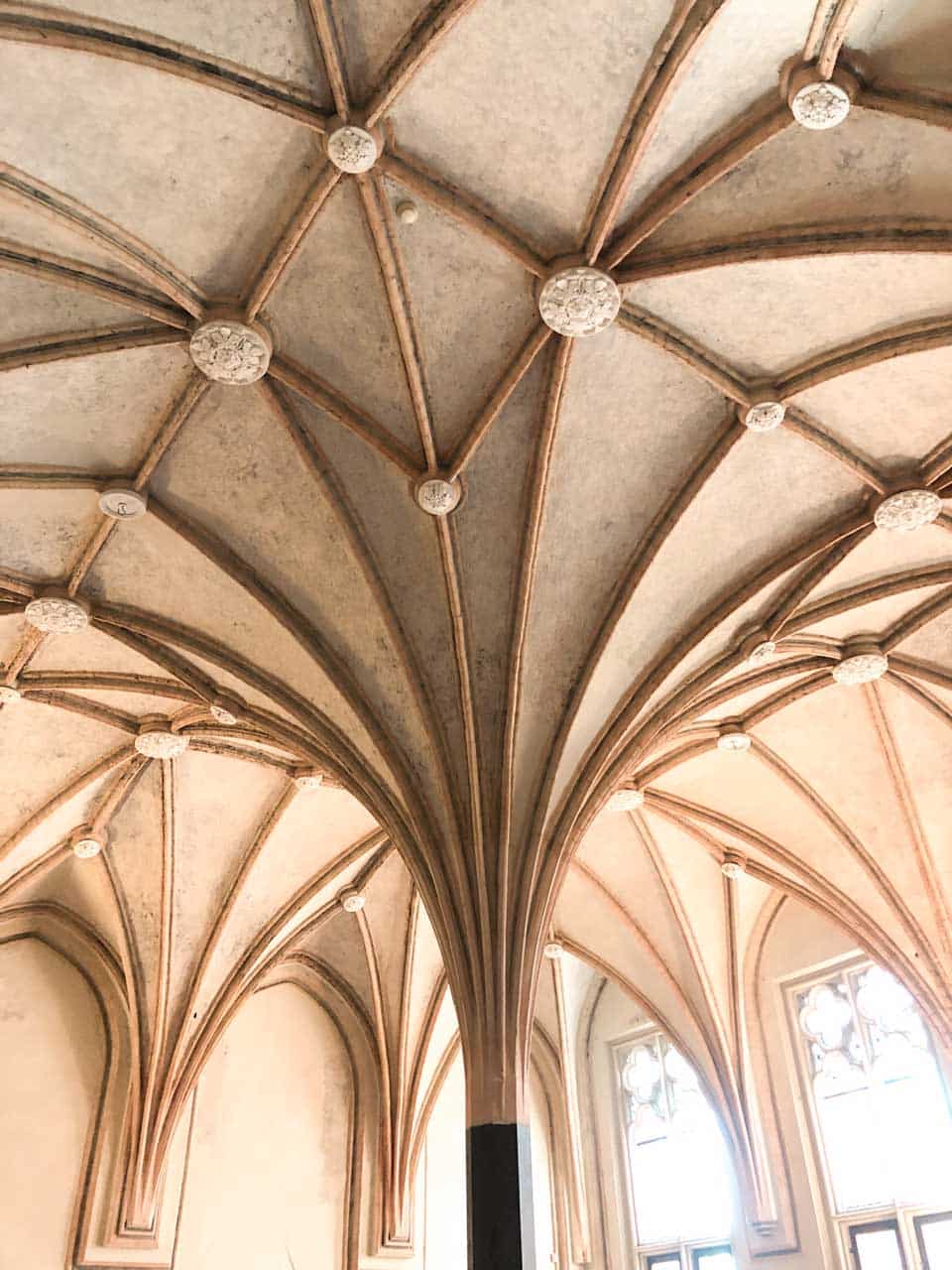
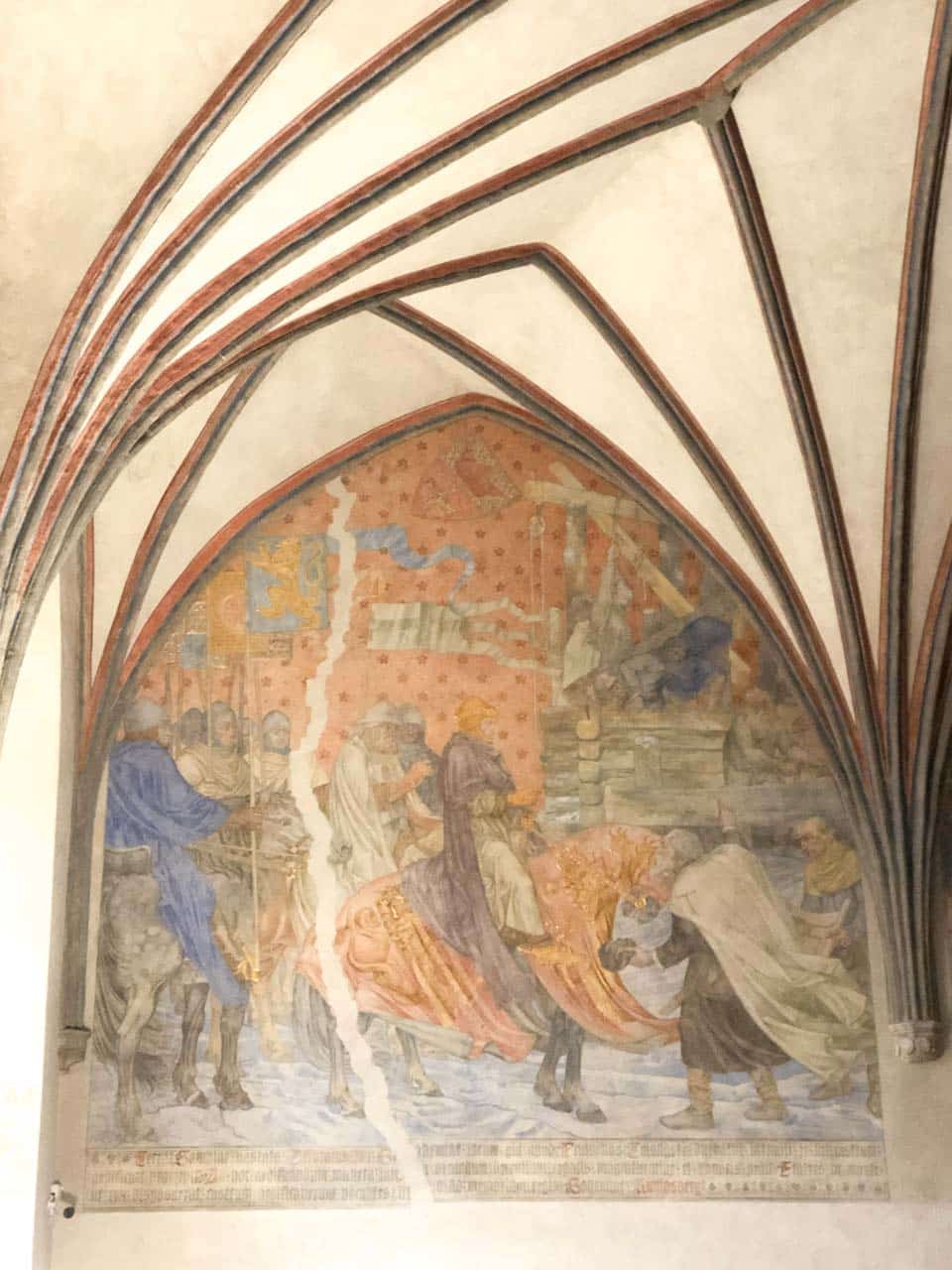
The proper tour starts in the Middle Castle, where the Teutonic Grand Masters lived and hosted guests. My favourite part is the Great Refectory – a huge hall that served as their banquet space. It’s one of the most stunning interiors in the entire complex, and some of the original wall paintings are still there.
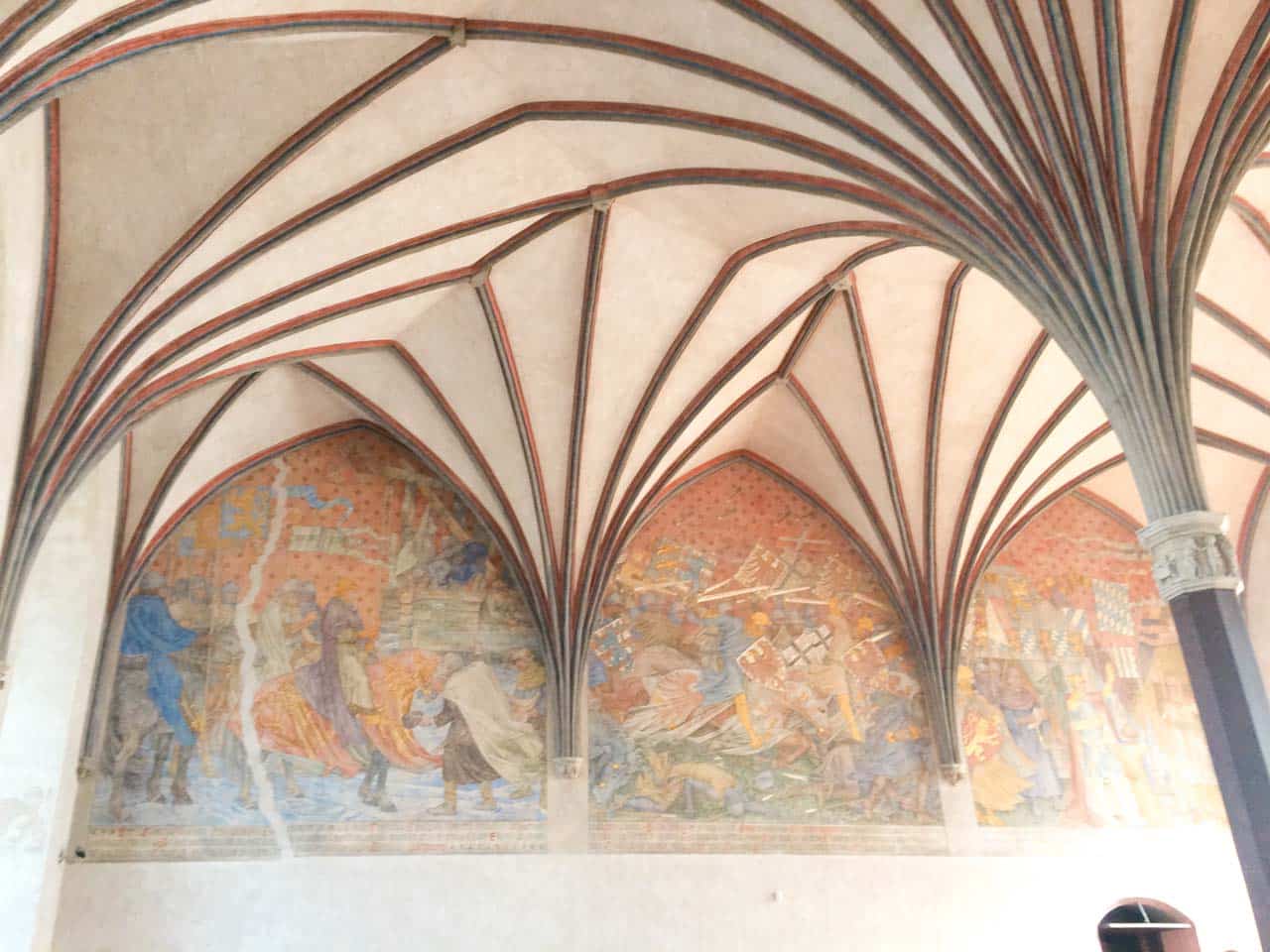
You’ll even get to see the underfloor heating system – it always blows my mind that they used to have it back then!
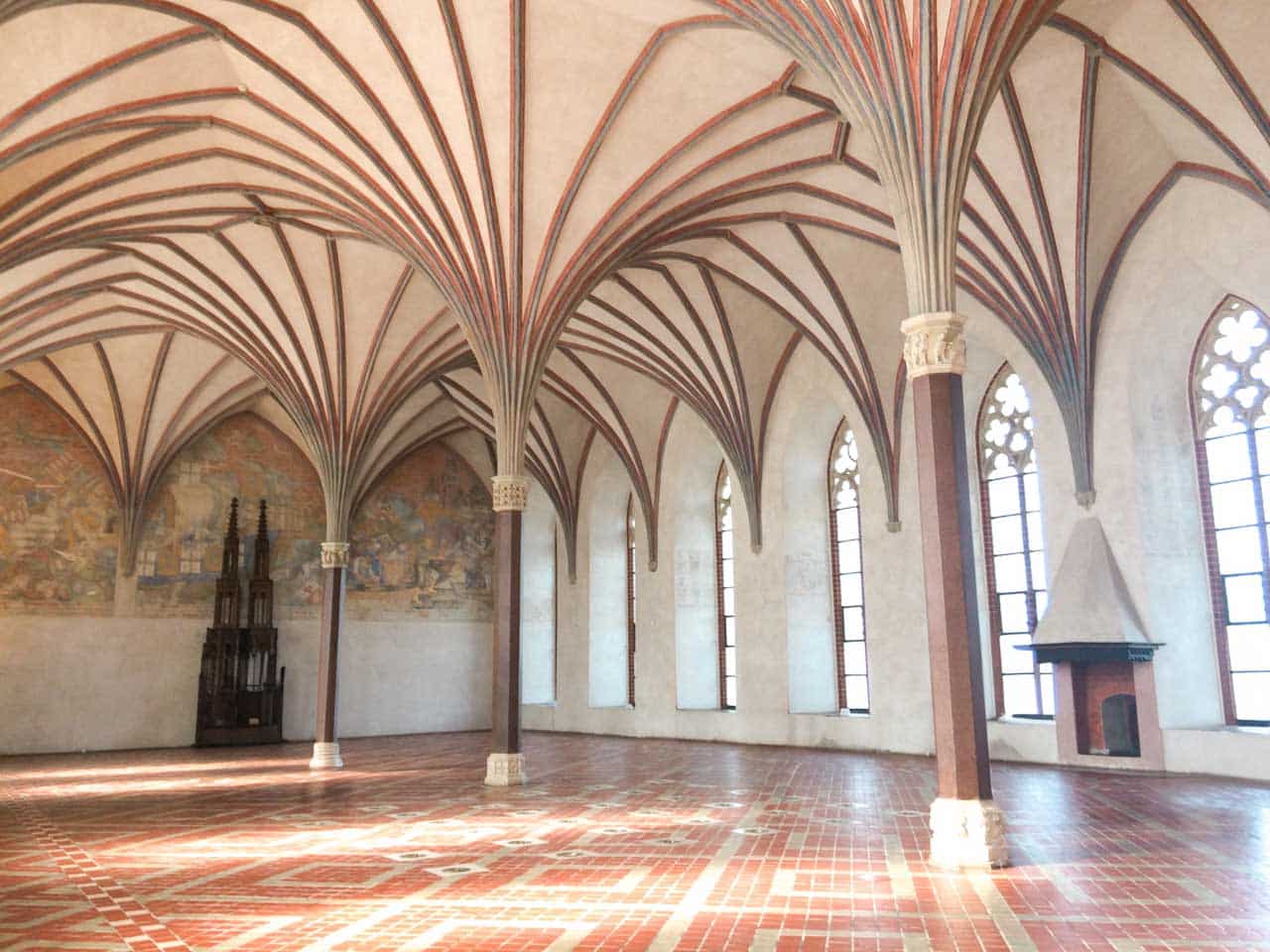
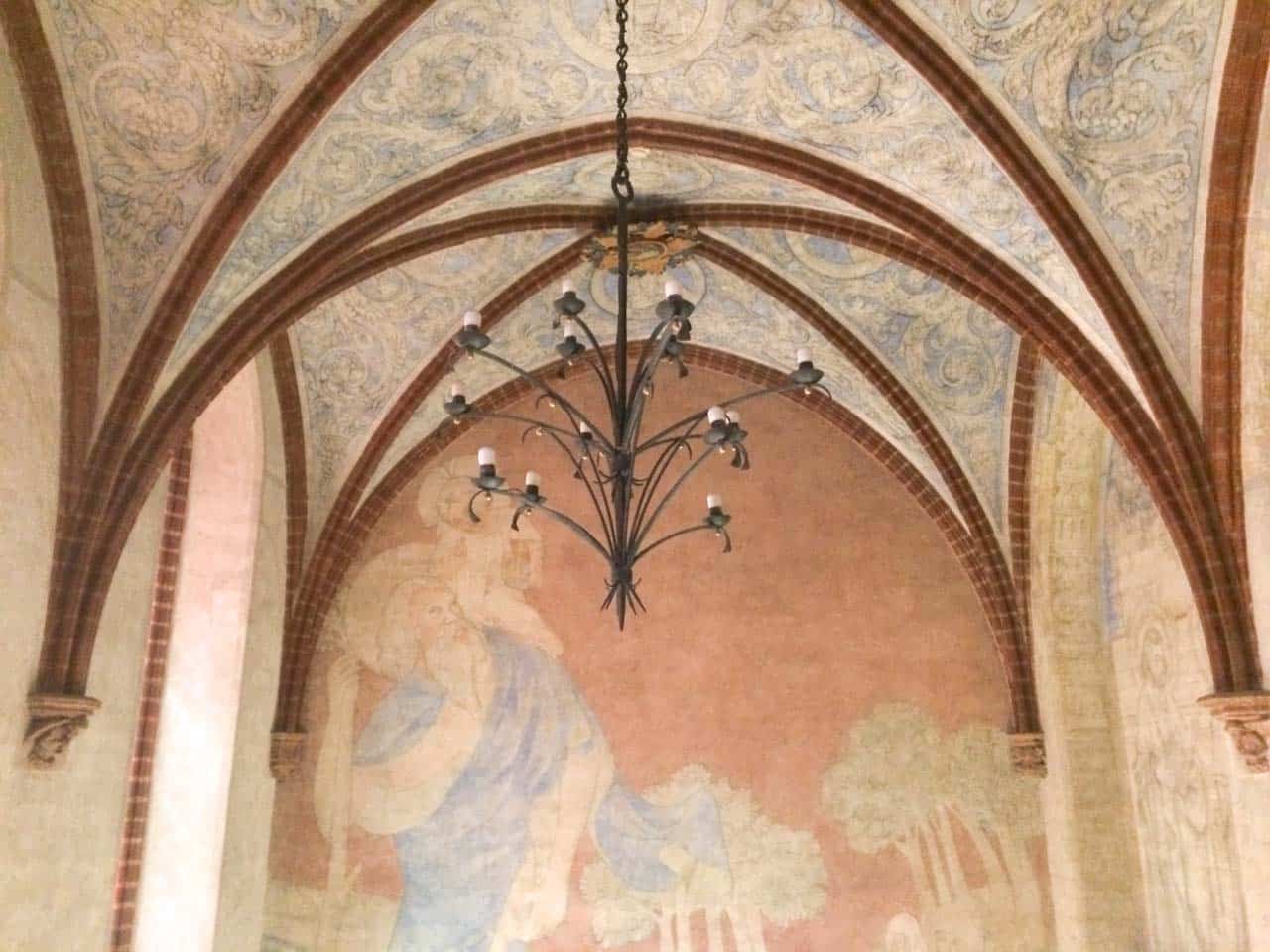
You can also see the castle’s collection of amber products. Malbork sat along the old Amber Road, so during the time of the Teutonic Order, amber trade became a major source of wealth.
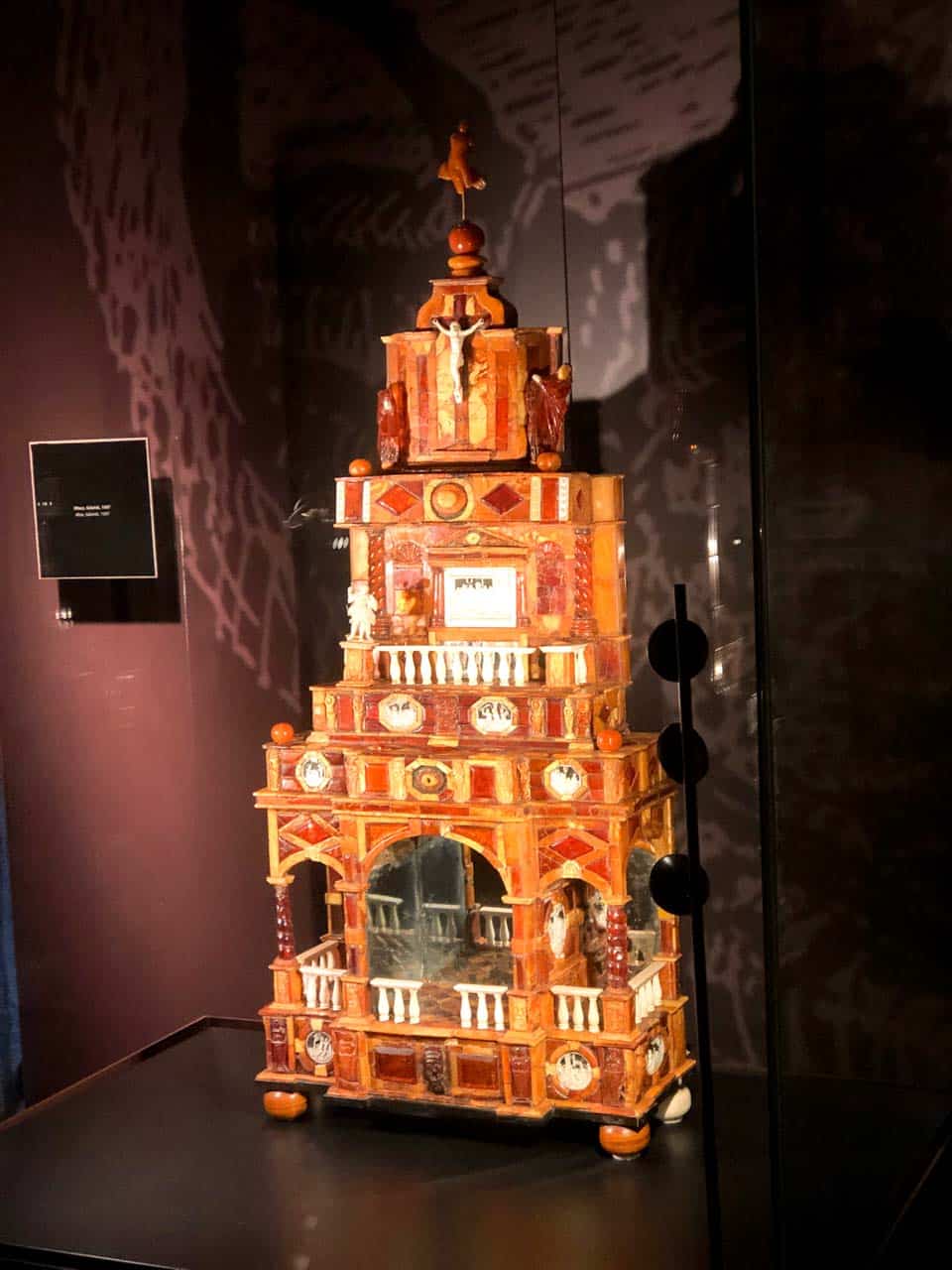
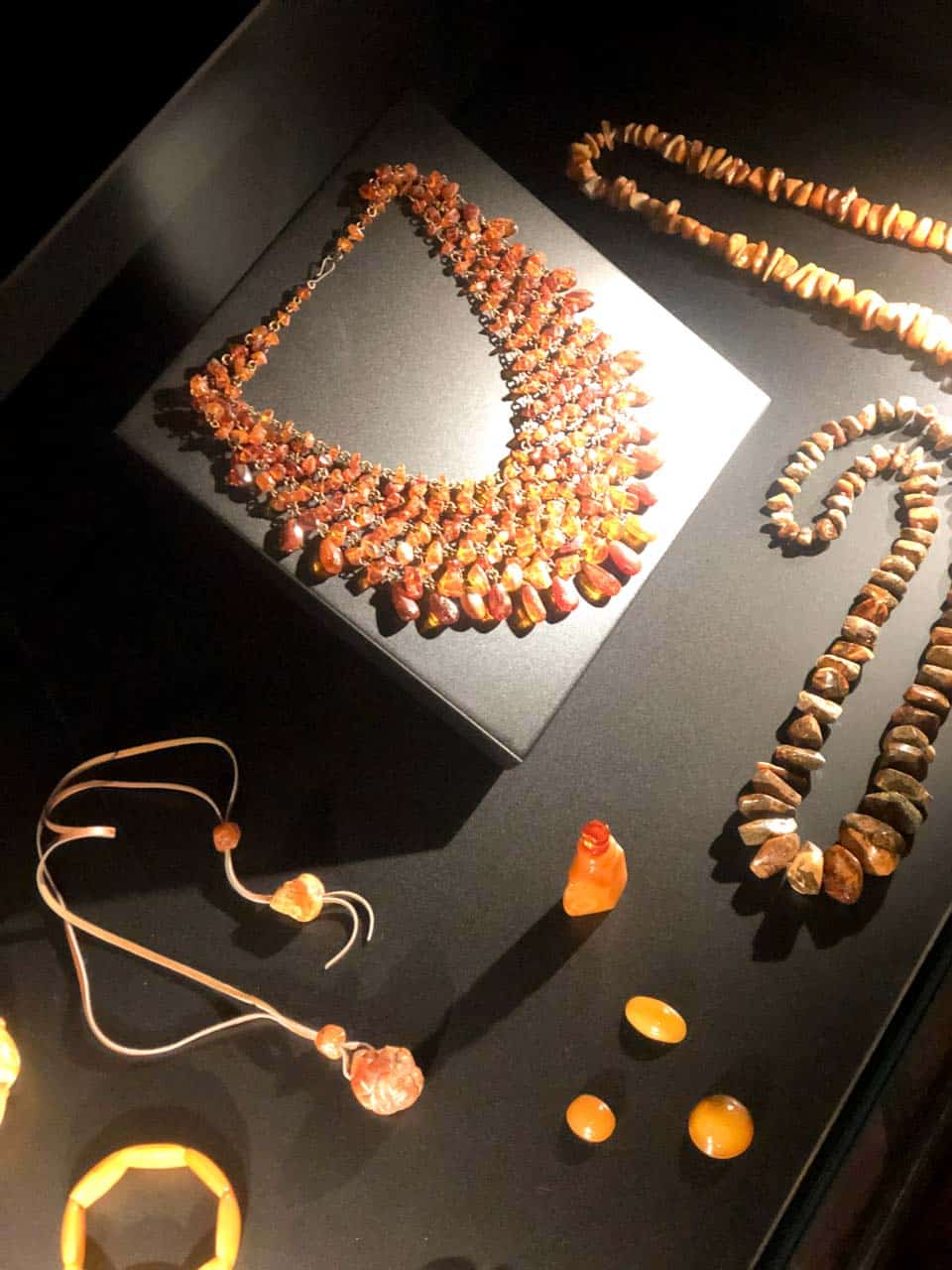

You’ll find jewellery, religious items, and even entire altars made from amber – it’s wild how detailed some of them are. There’s also a display of medieval weapons and armour, which is always fun to look at (and imagine how heavy those things must’ve been).
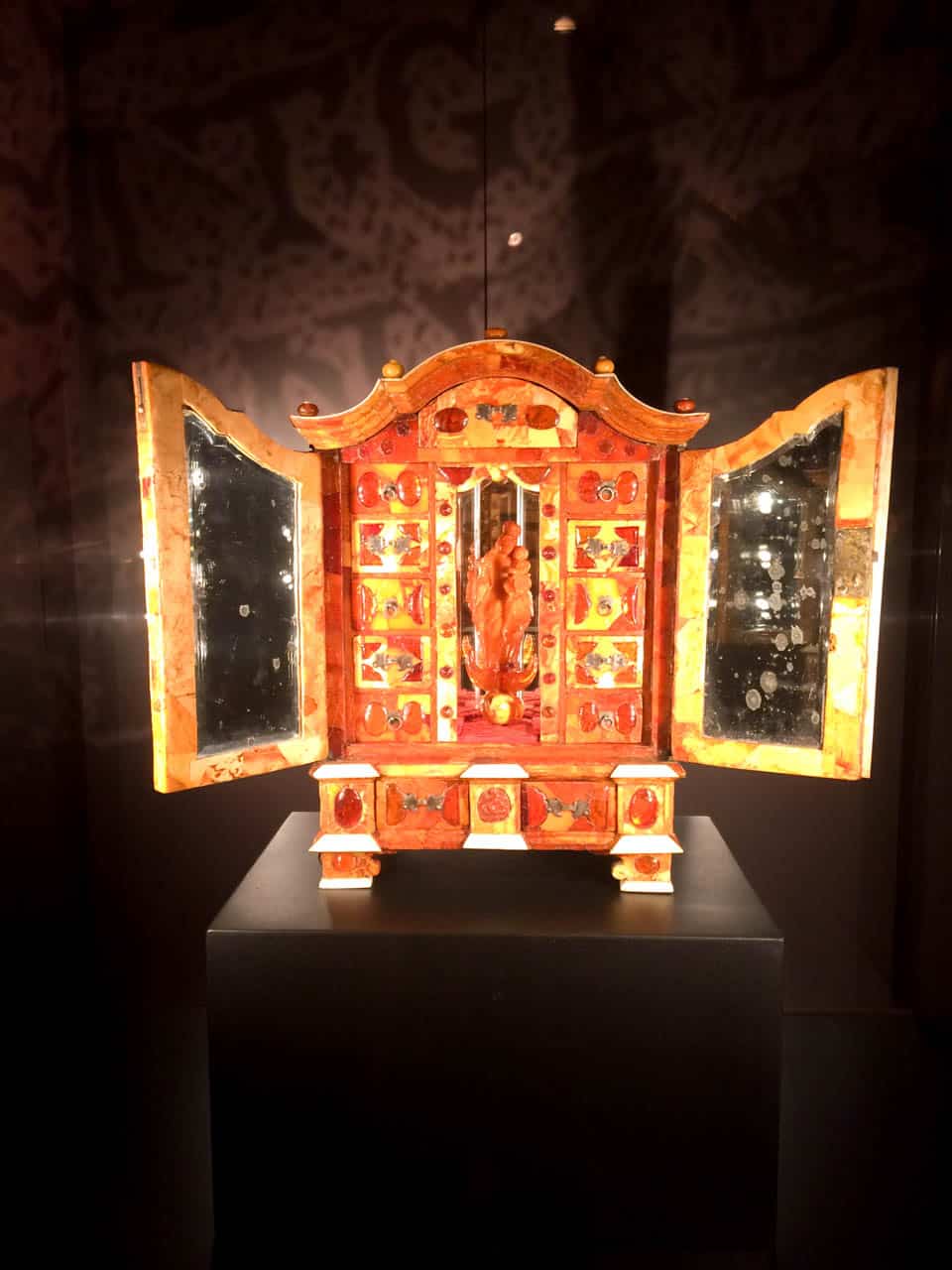
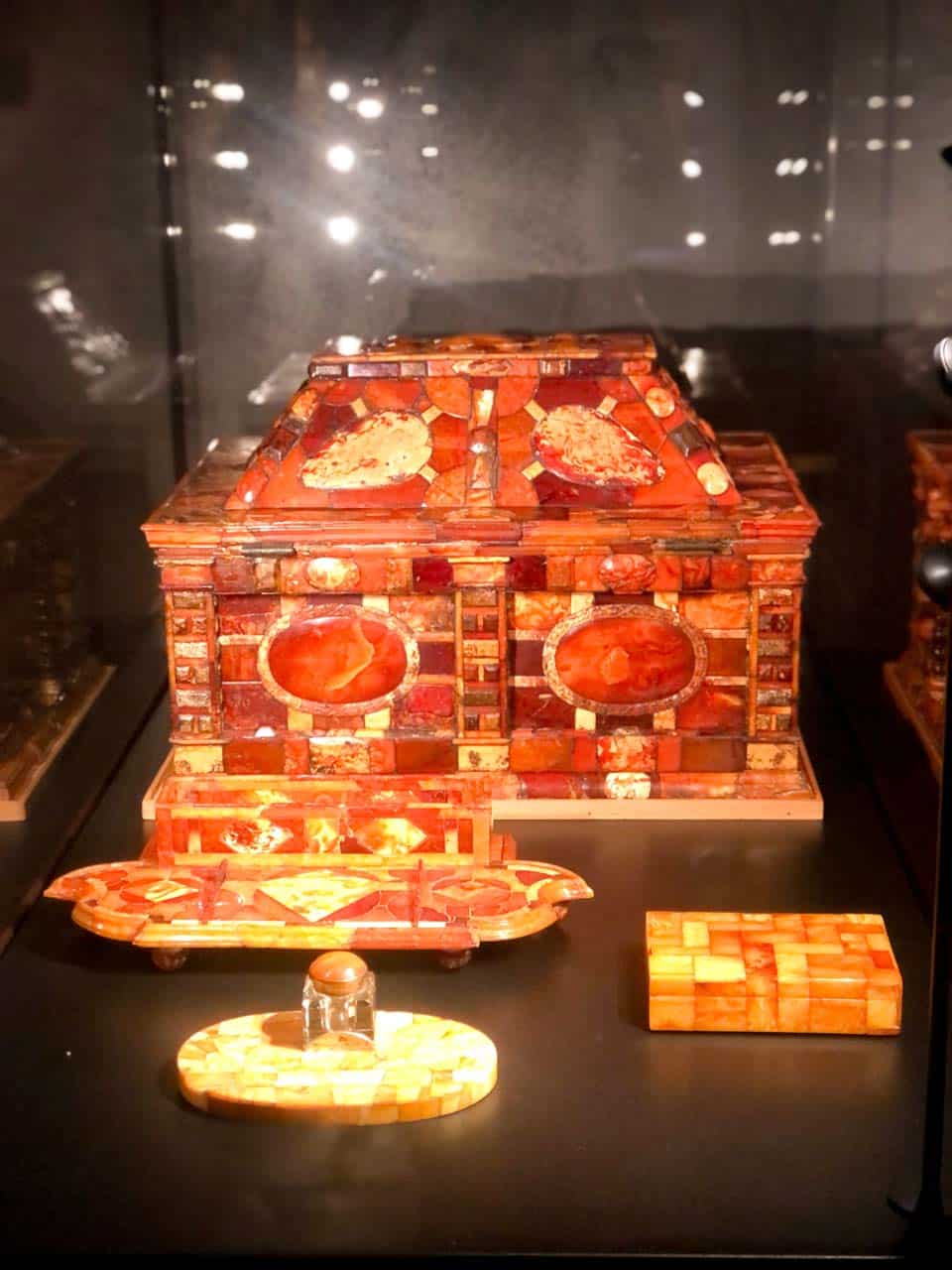

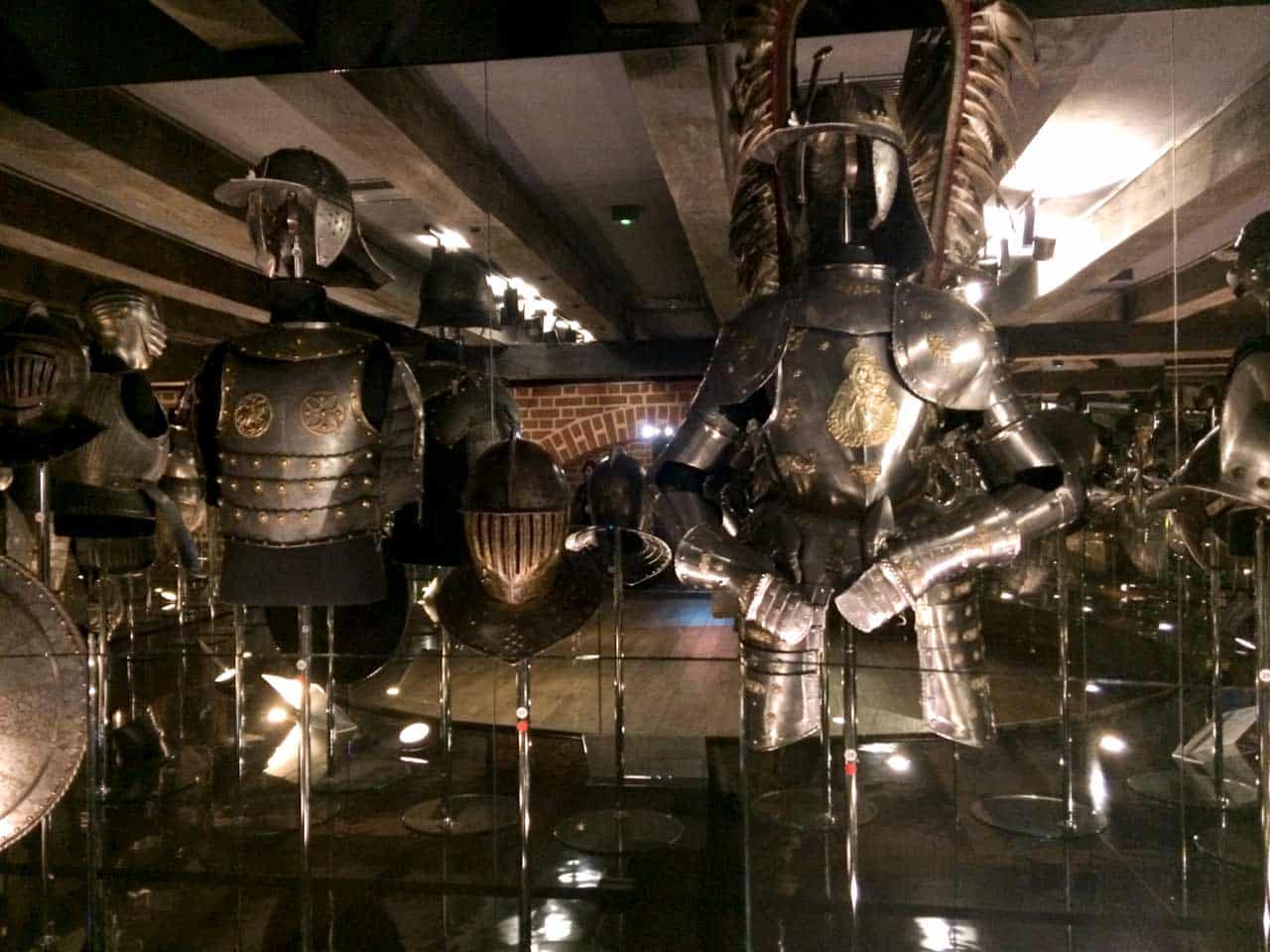
This is definitely the busiest part of the castle and the one that takes the longest to explore. Once you’re done, you can take a break in the courtyard if the weather’s nice, or grab a bite at the castle restaurant.
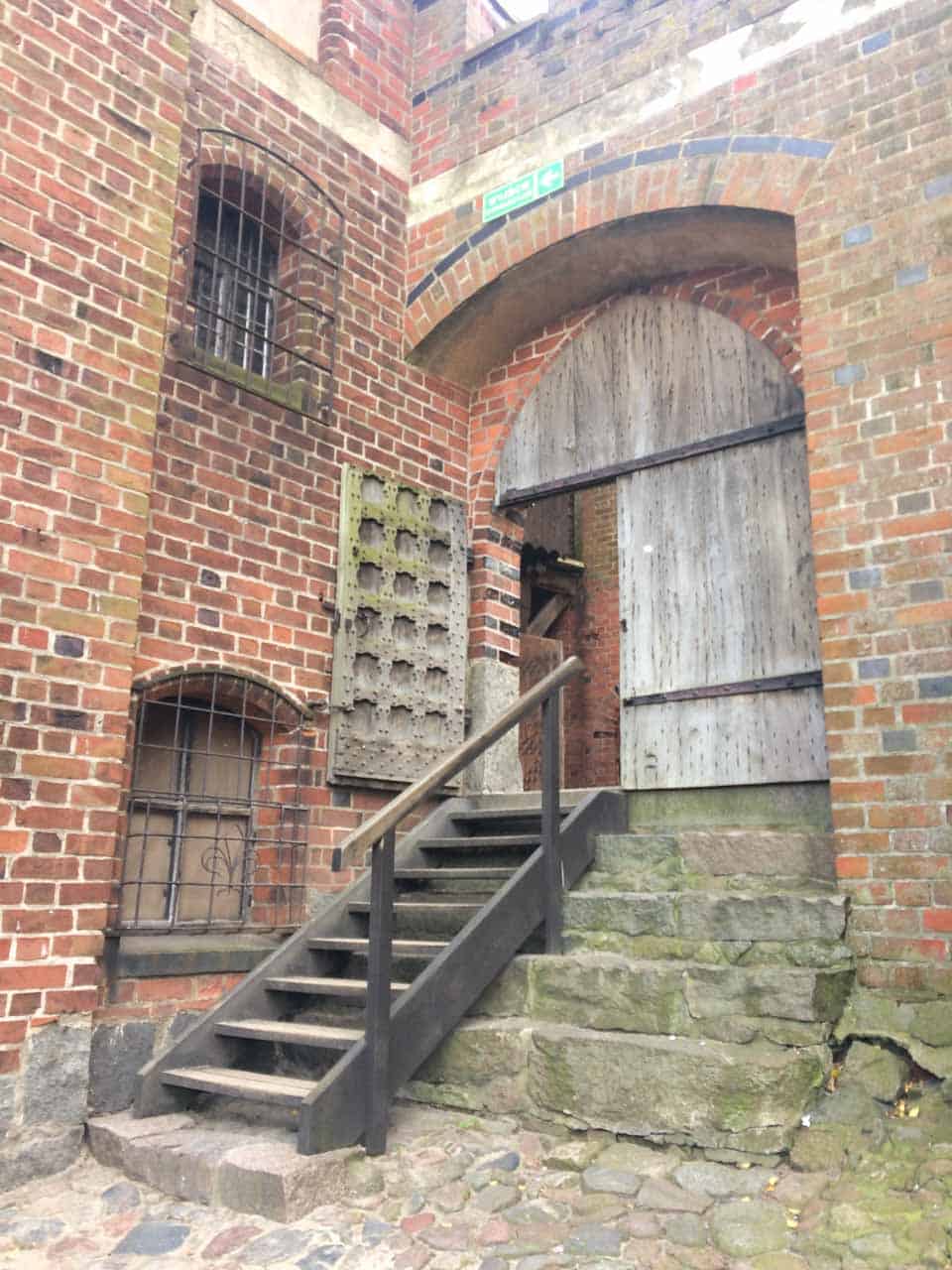
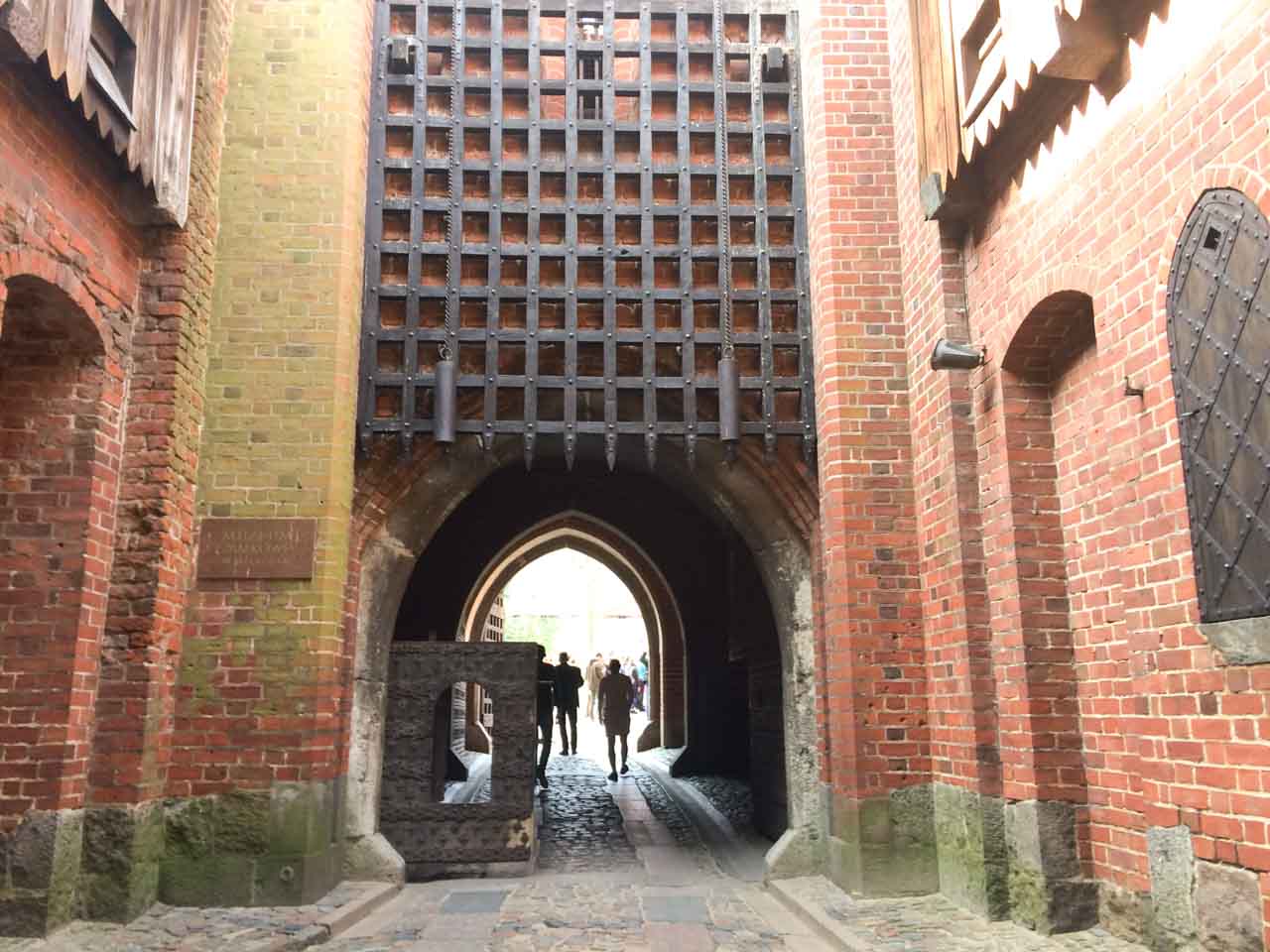
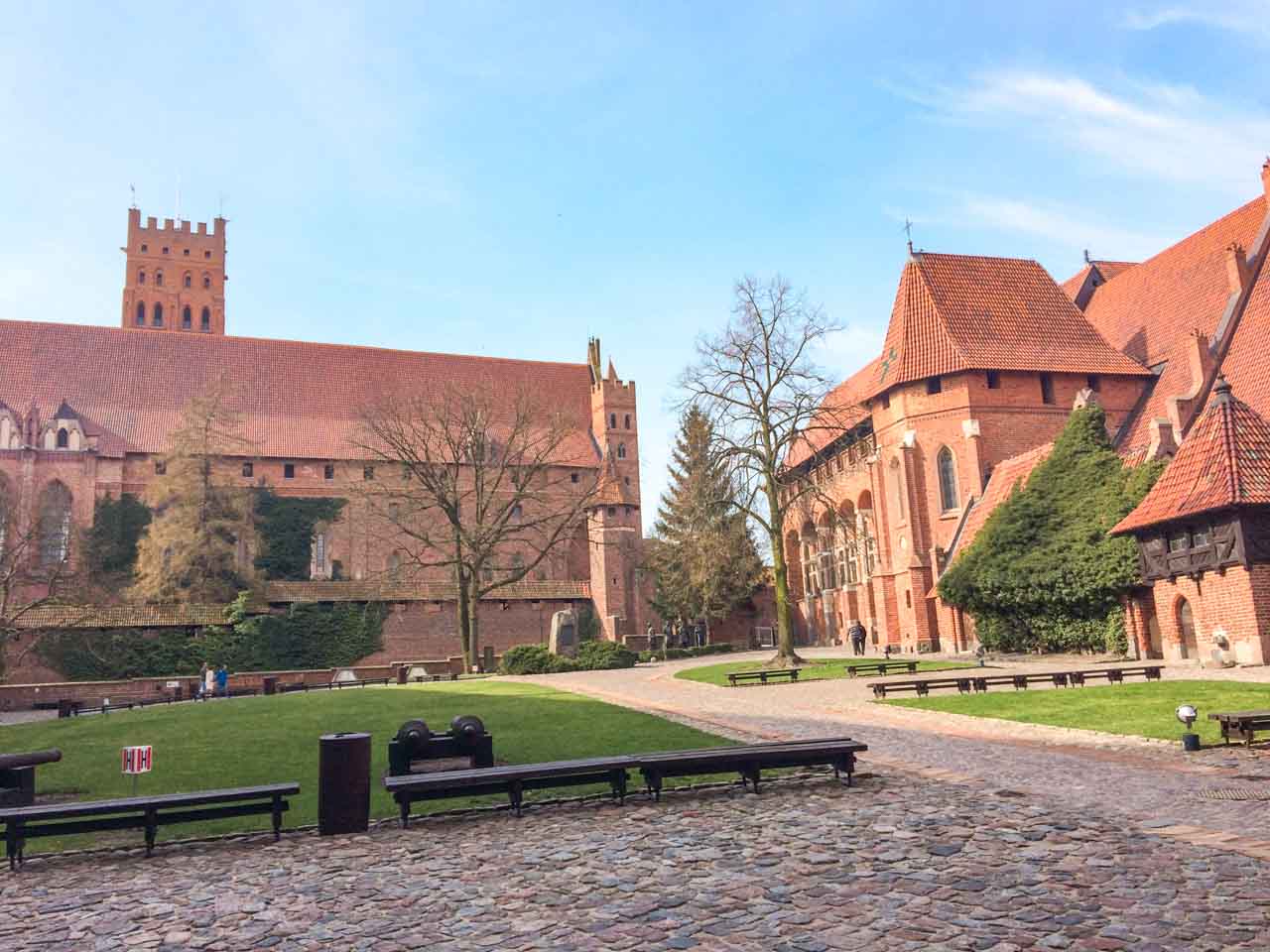
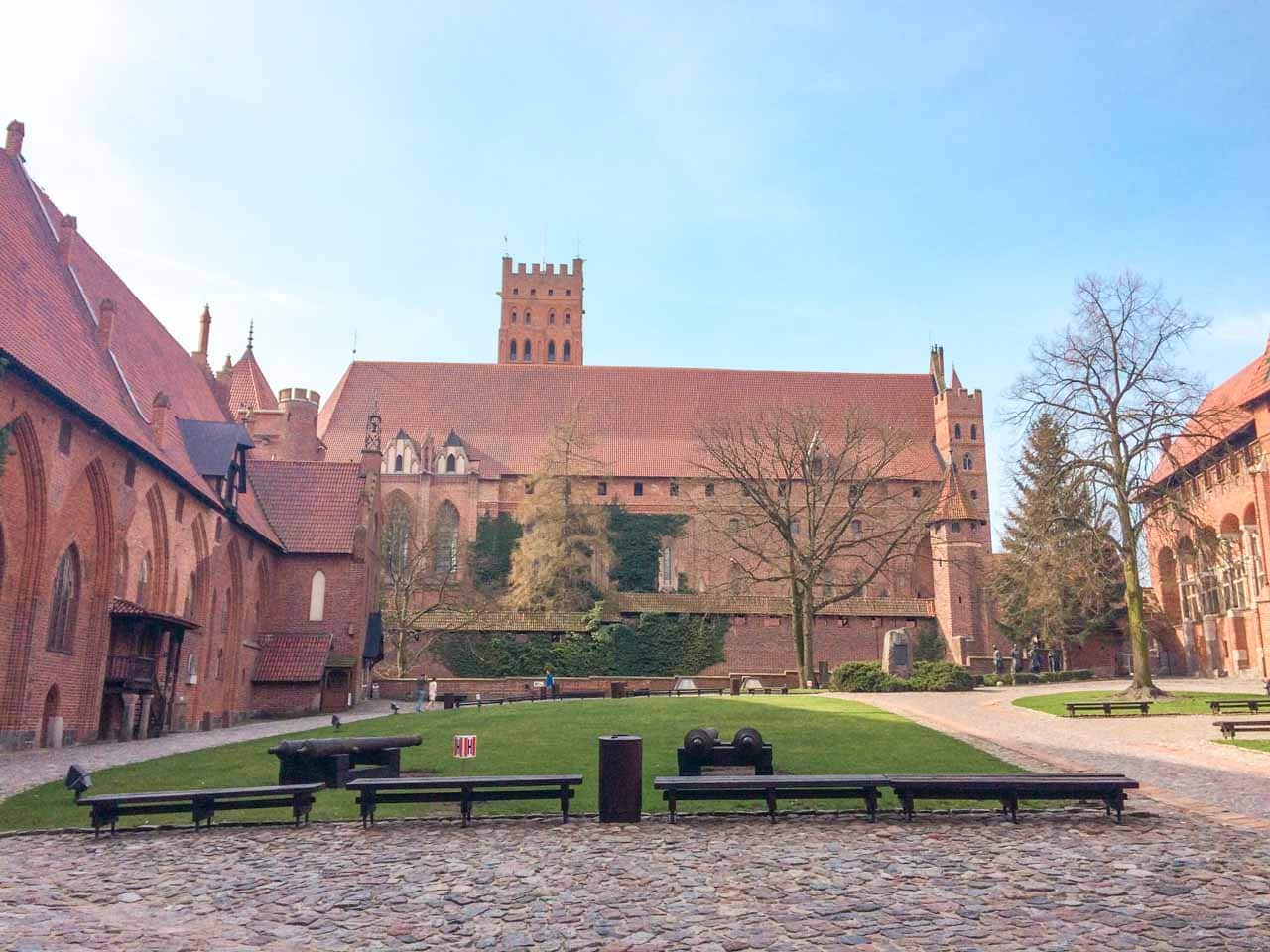
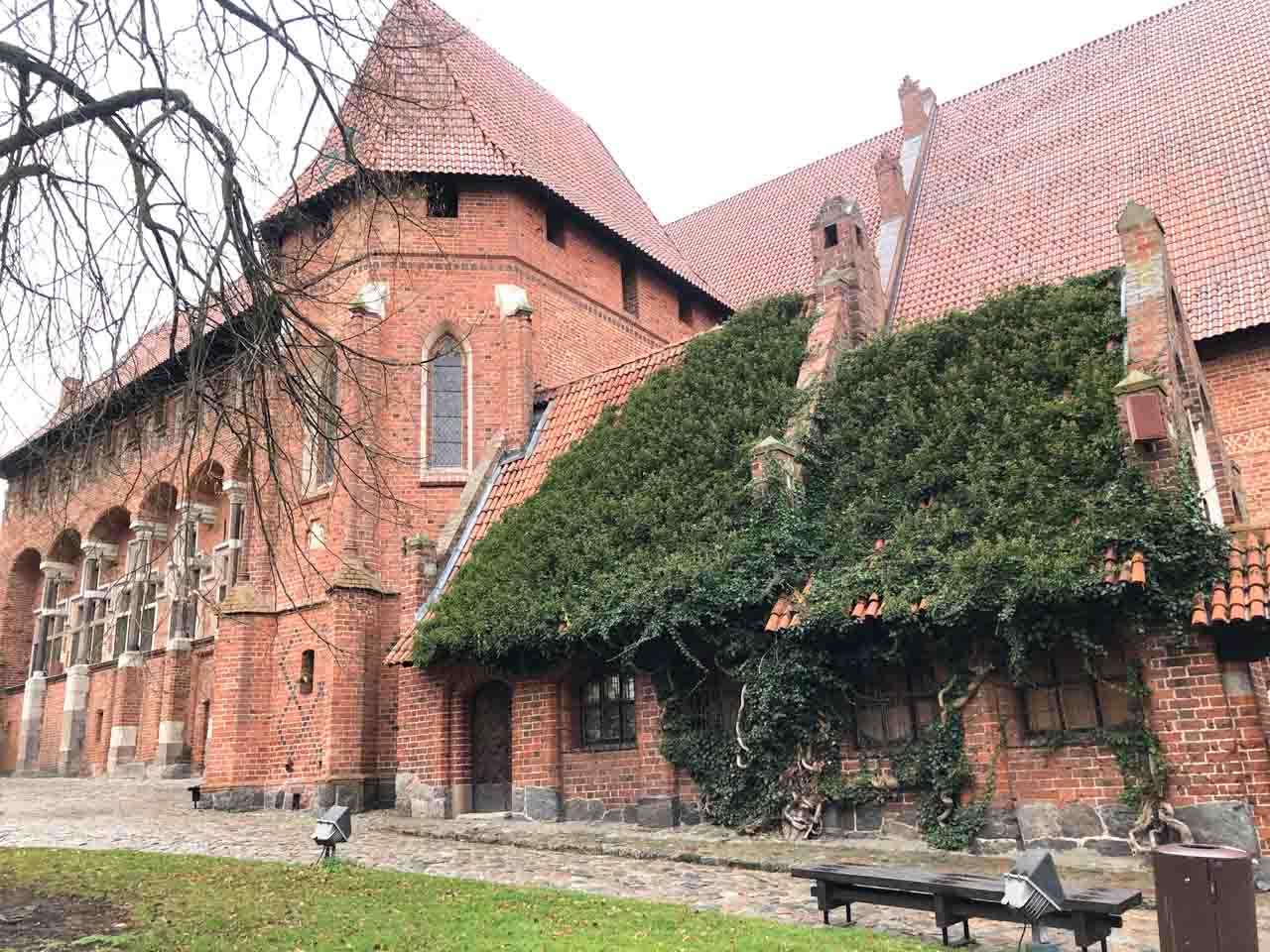
High Castle
From there, you continue onto the High Castle, the oldest part of Malbork Castle where the Teutonic Knights actually lived, worked, and prayed.
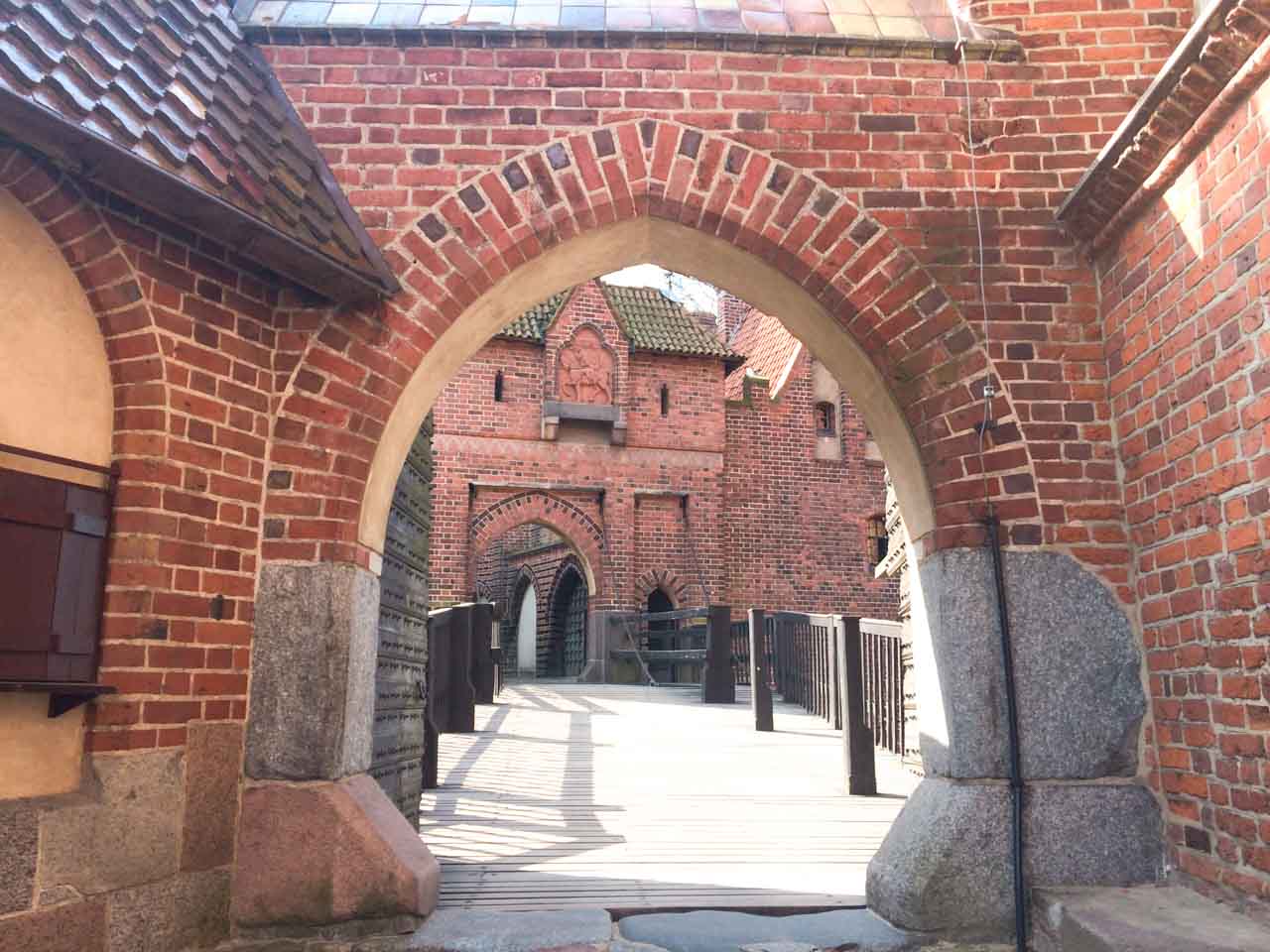
The ground floor was mostly for storage and utility rooms, while the upper levels held the more important spaces.
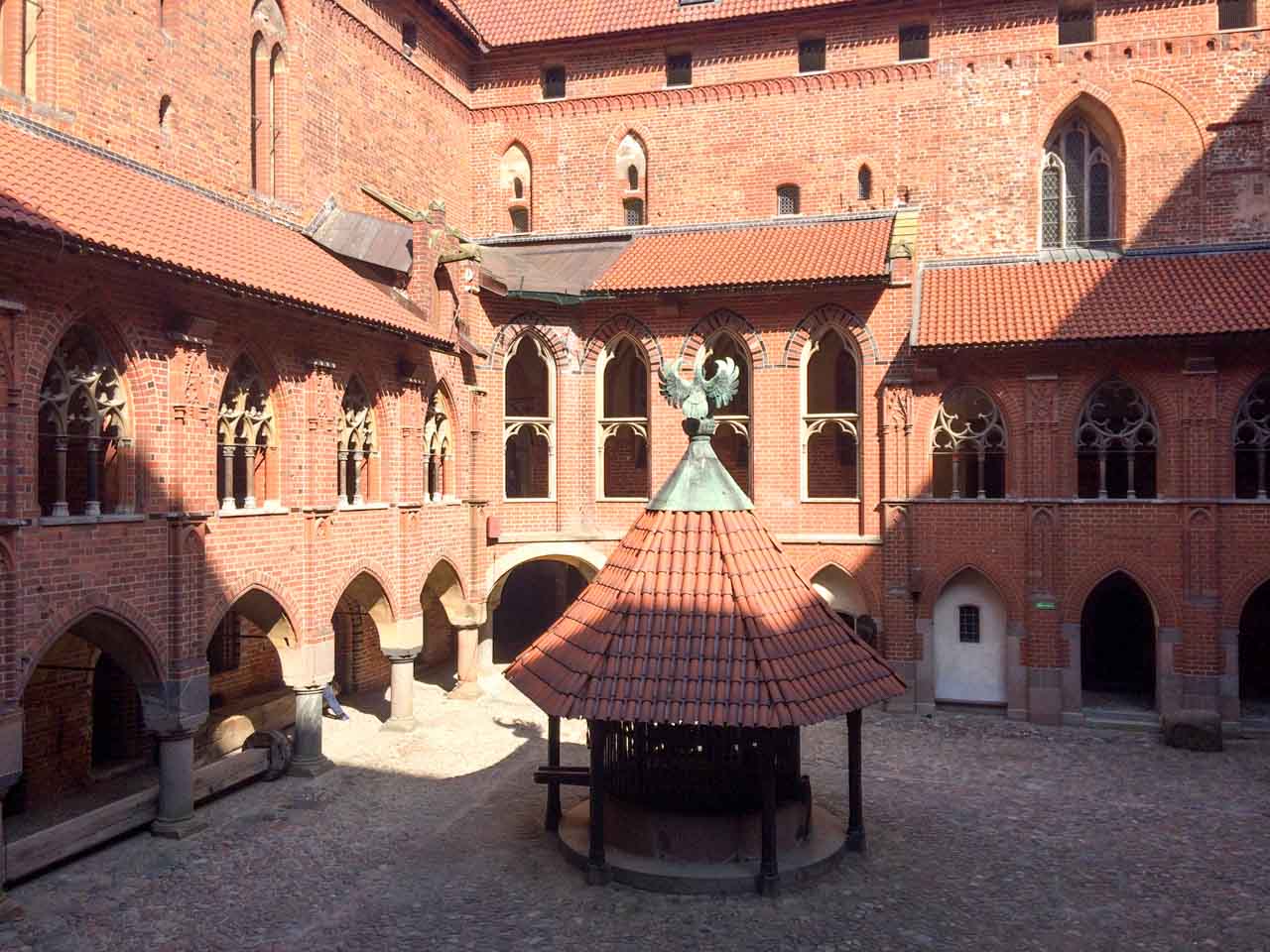
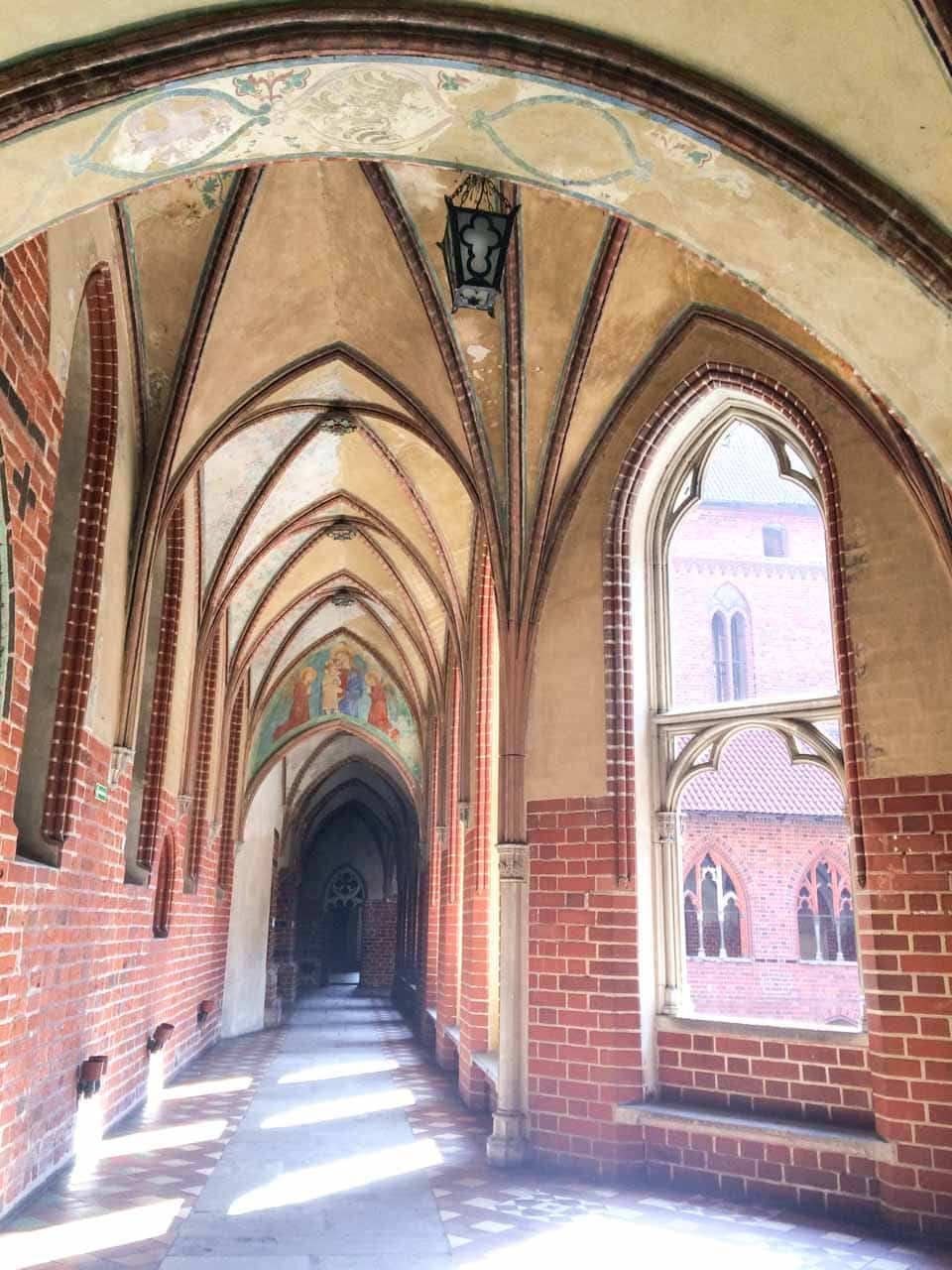
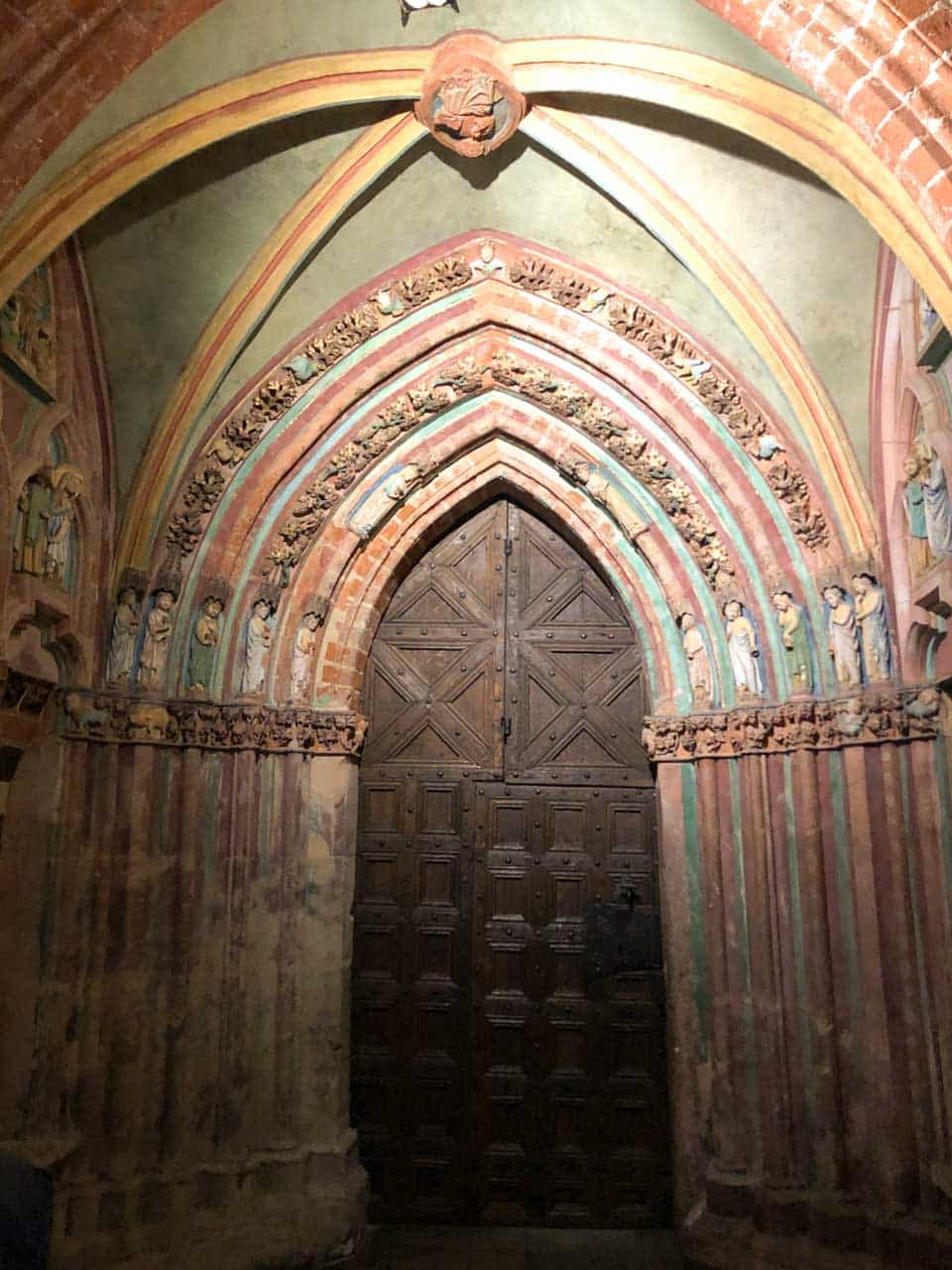
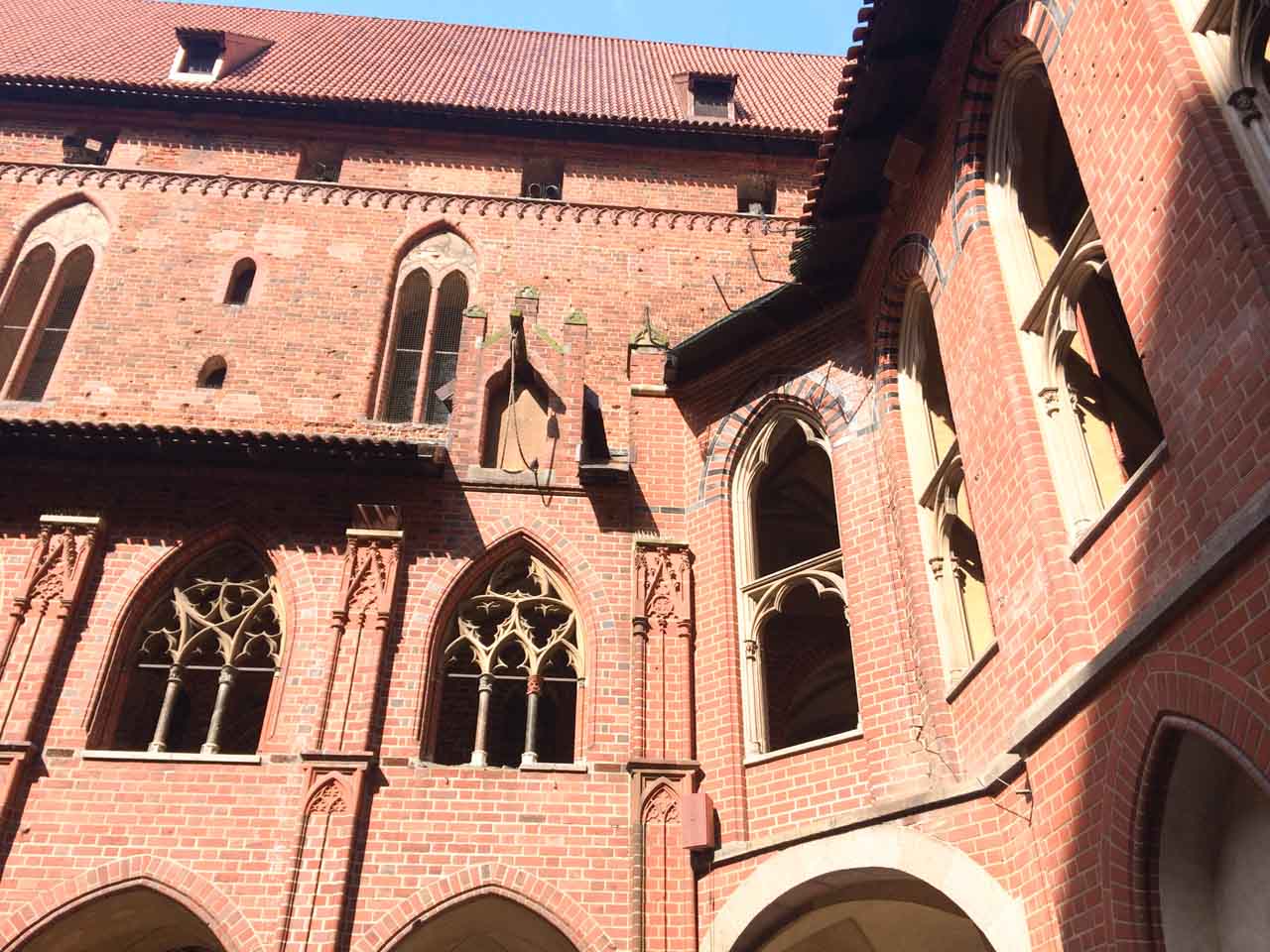
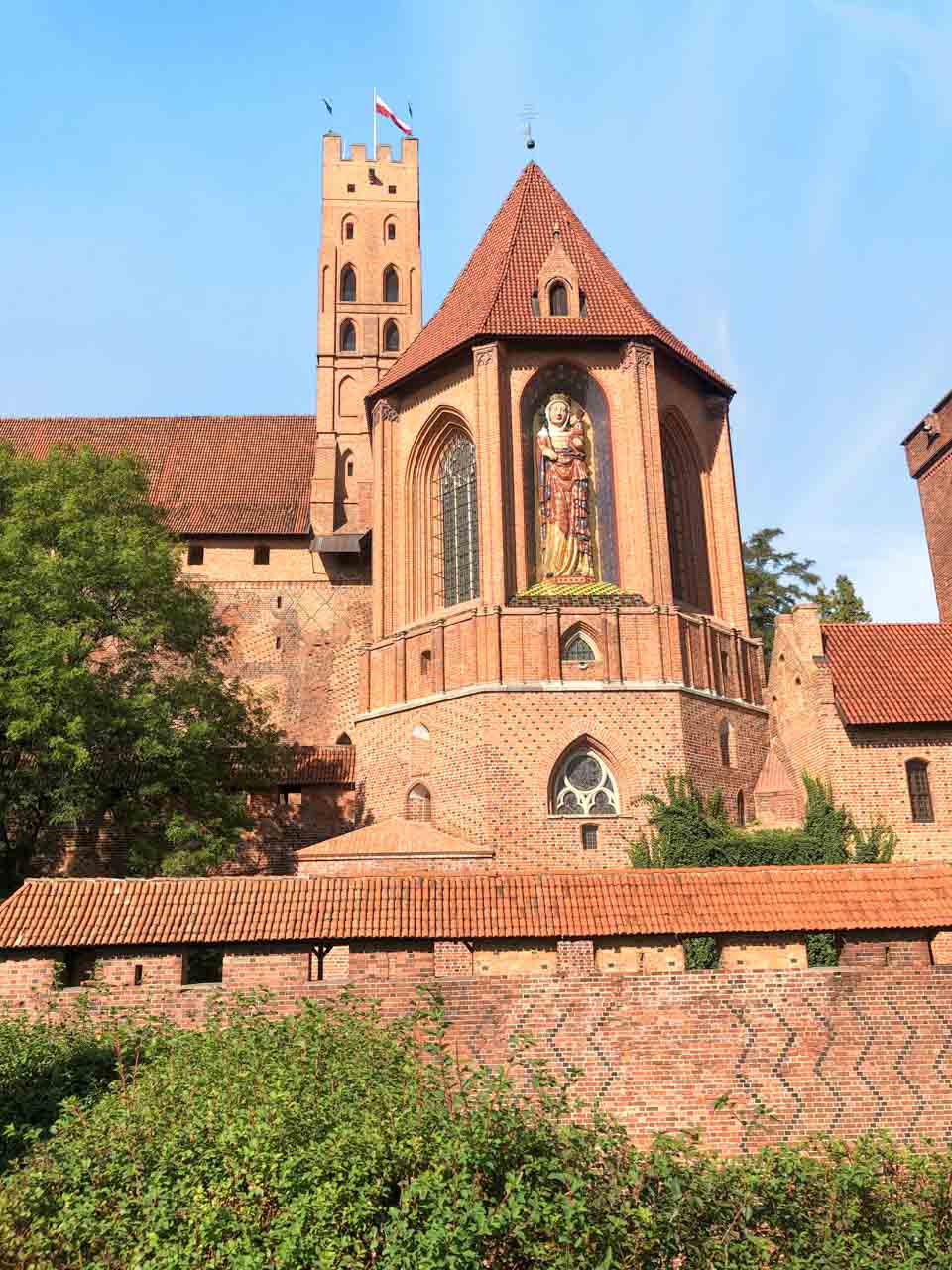
You can see the Castle Church of the Blessed Virgin Mary with the chapel of St. Anne, the chapter house, the convent kitchen (which has a really cool display showing how meals were prepared), and the dining hall where the knights once ate. You’ll also pass through the rooms of the treasurer and the house commander.
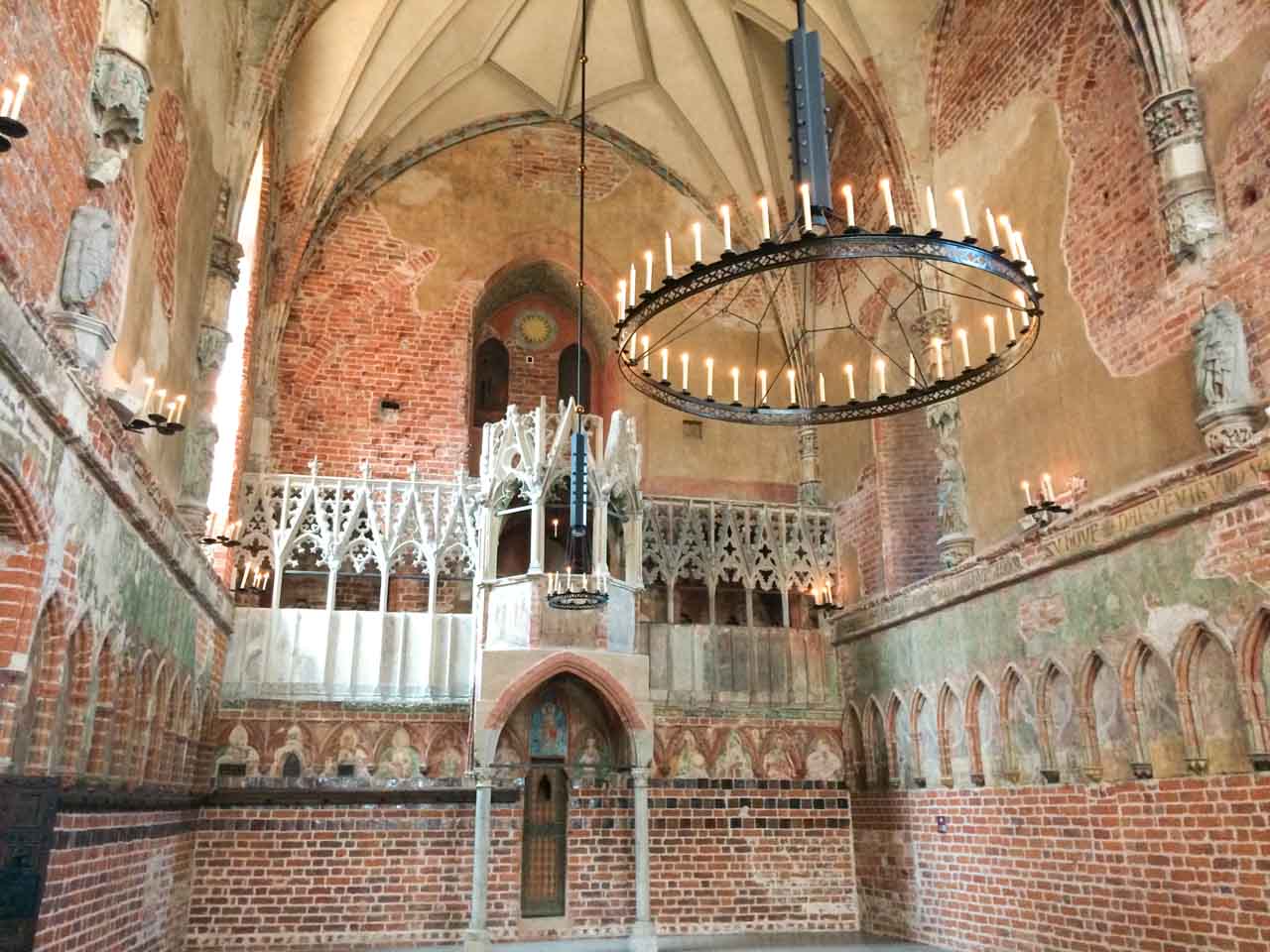
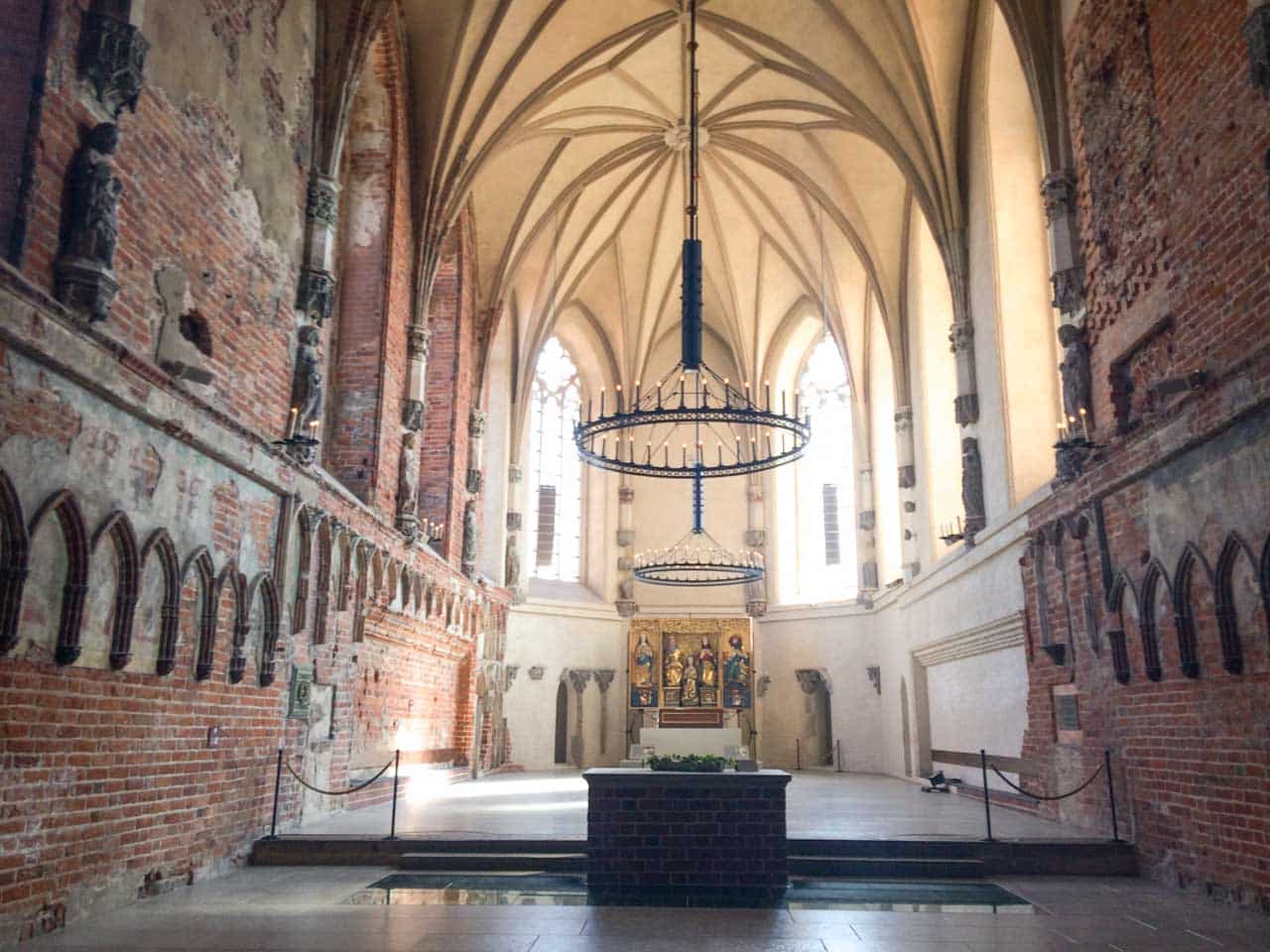
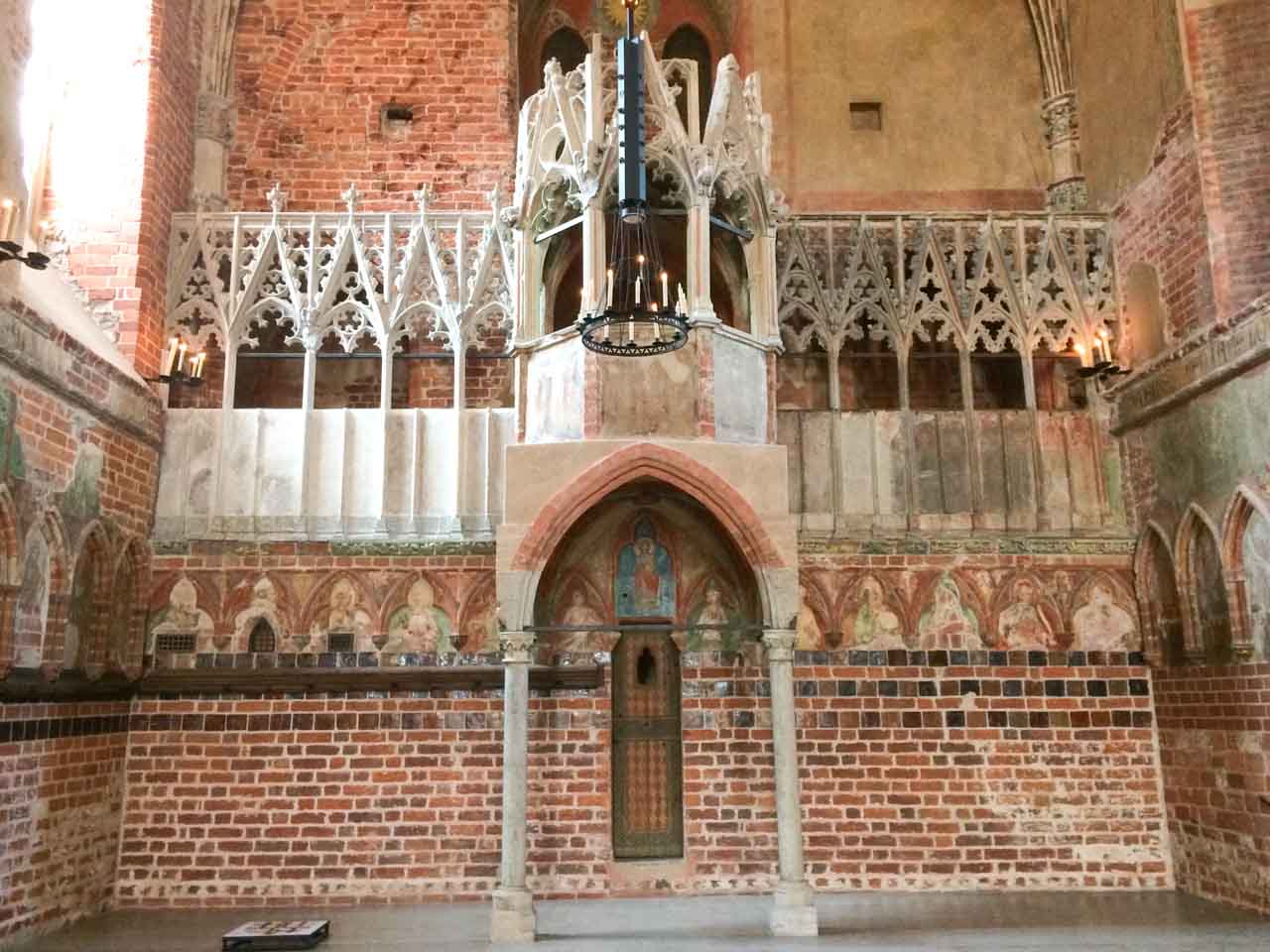
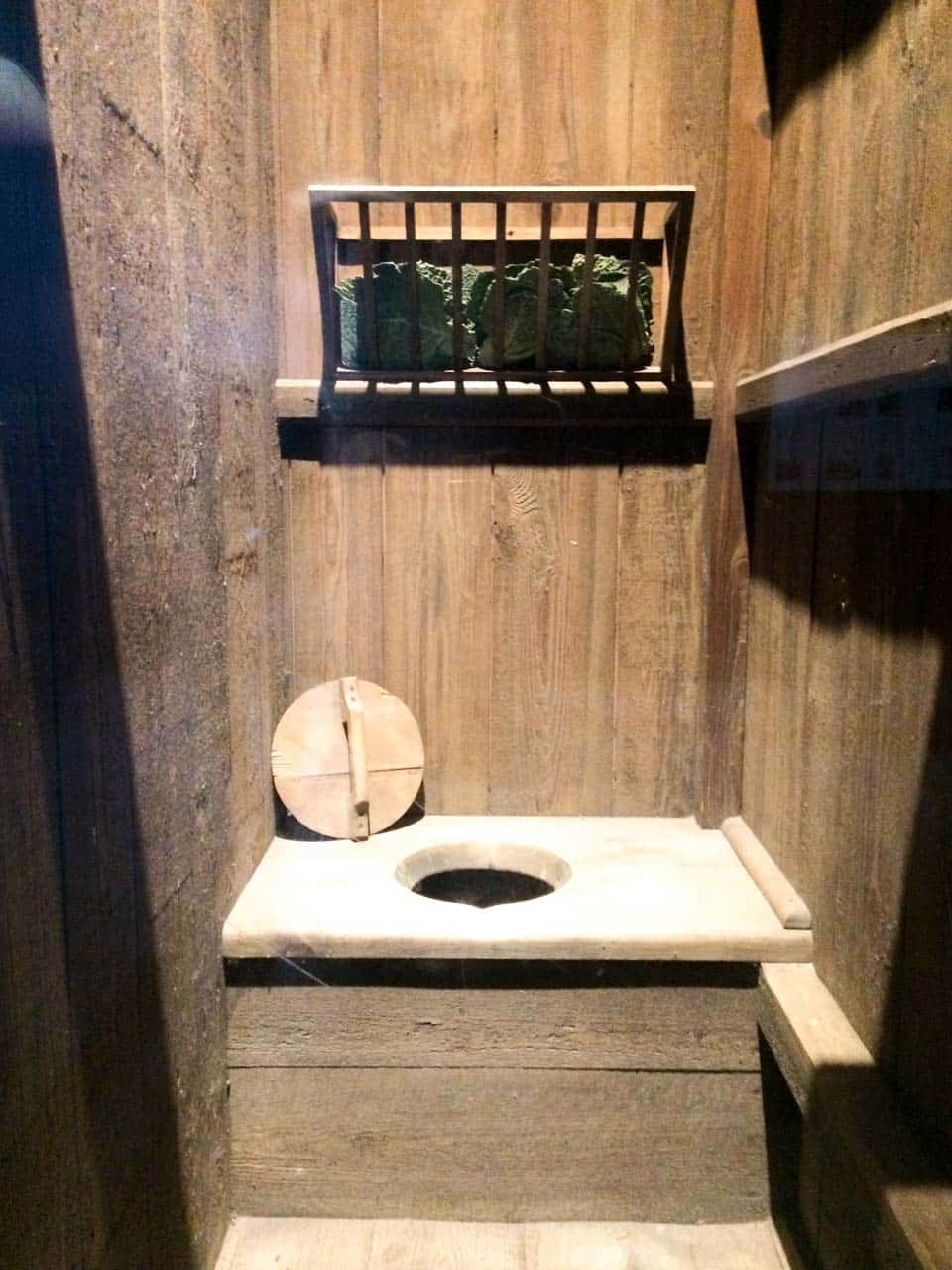
And yes – you do get to see what a medieval toilet looked like. Let’s just say cabbage leaves were involved… and I’m very grateful for modern plumbing. 😉
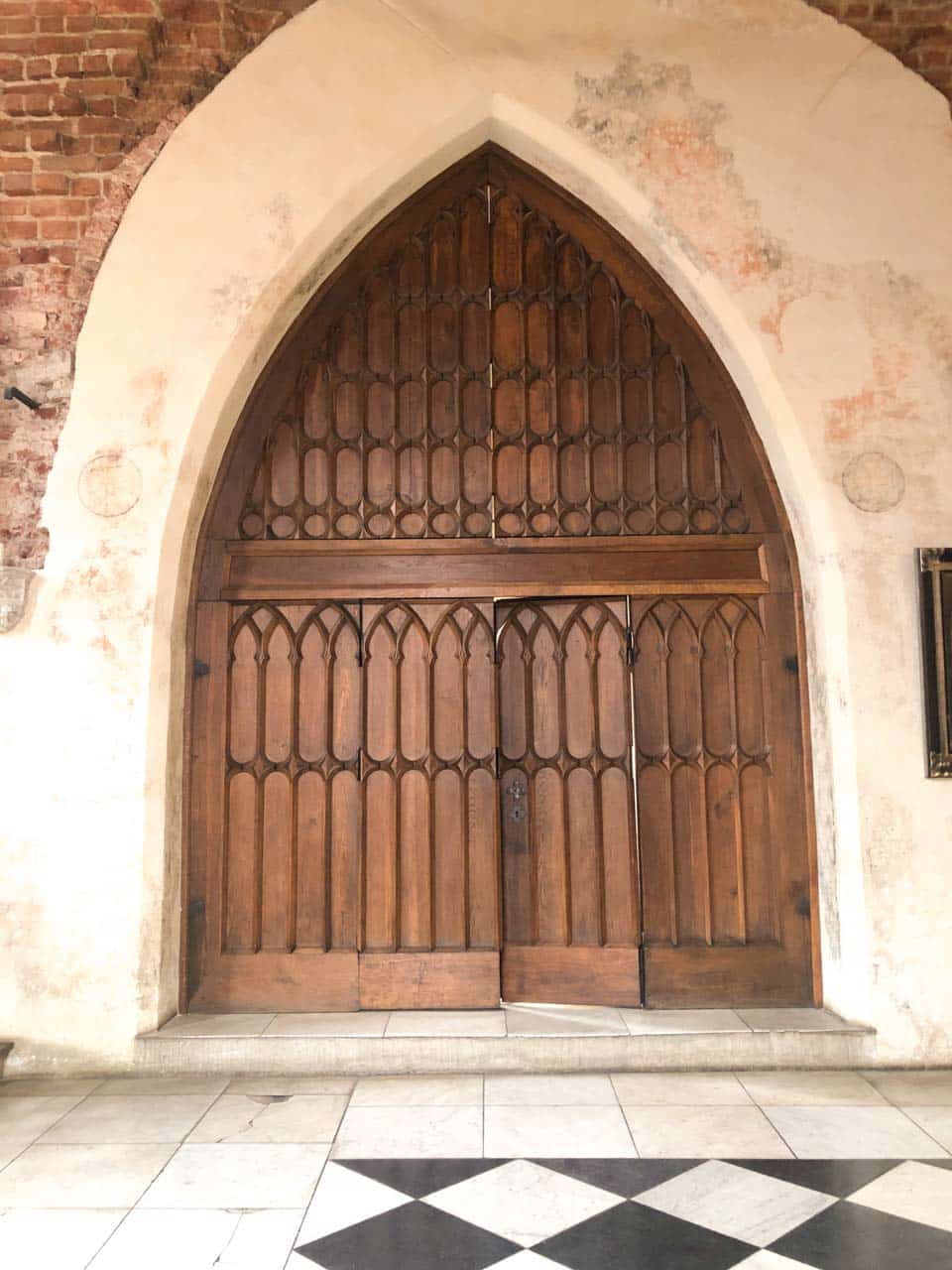
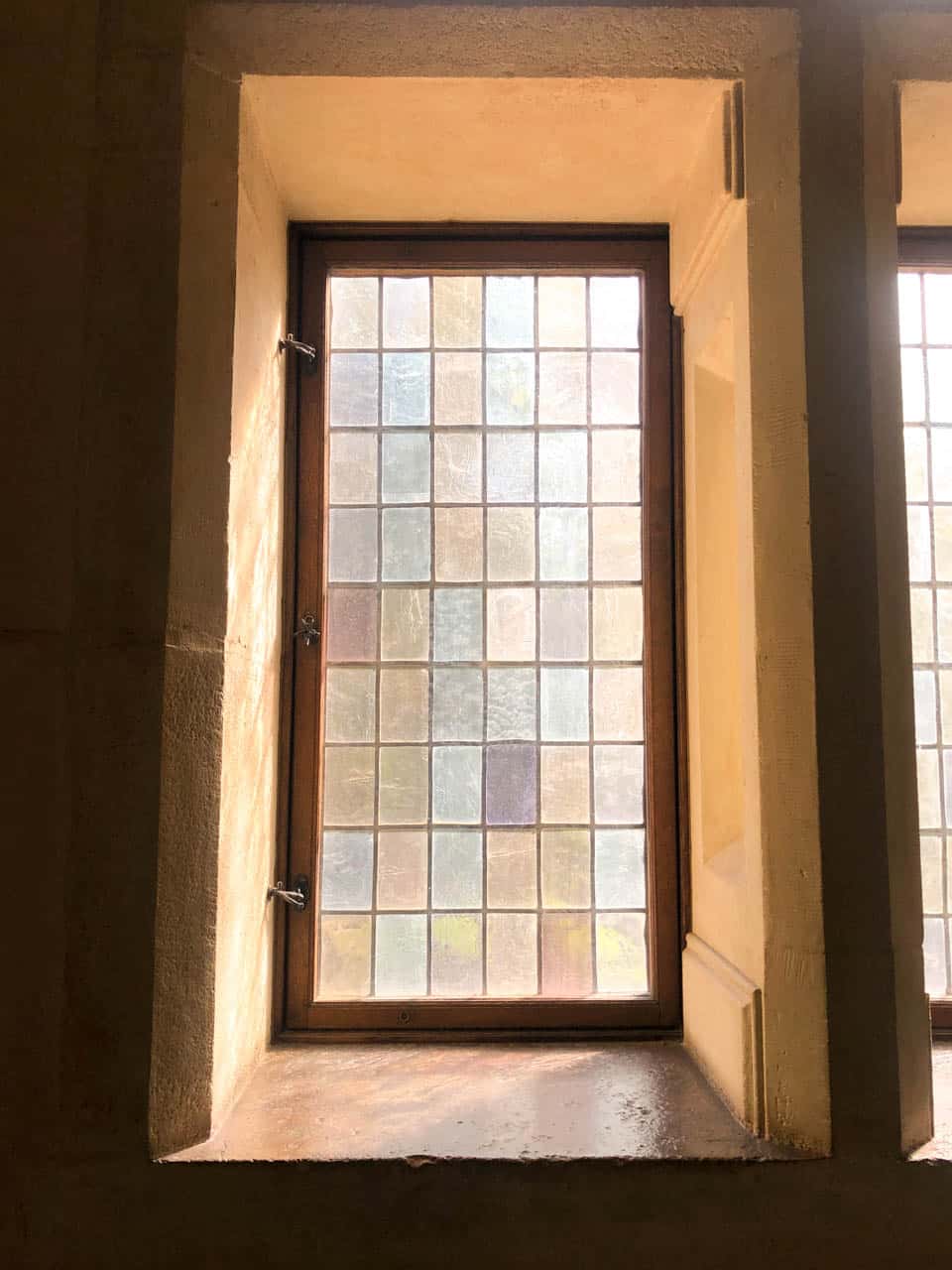
There are also seasonal exhibitions here, including archaeological finds and stained glass art. If you’re visiting in high season, you can even climb the tower for amazing views over the castle and the Nogat River.
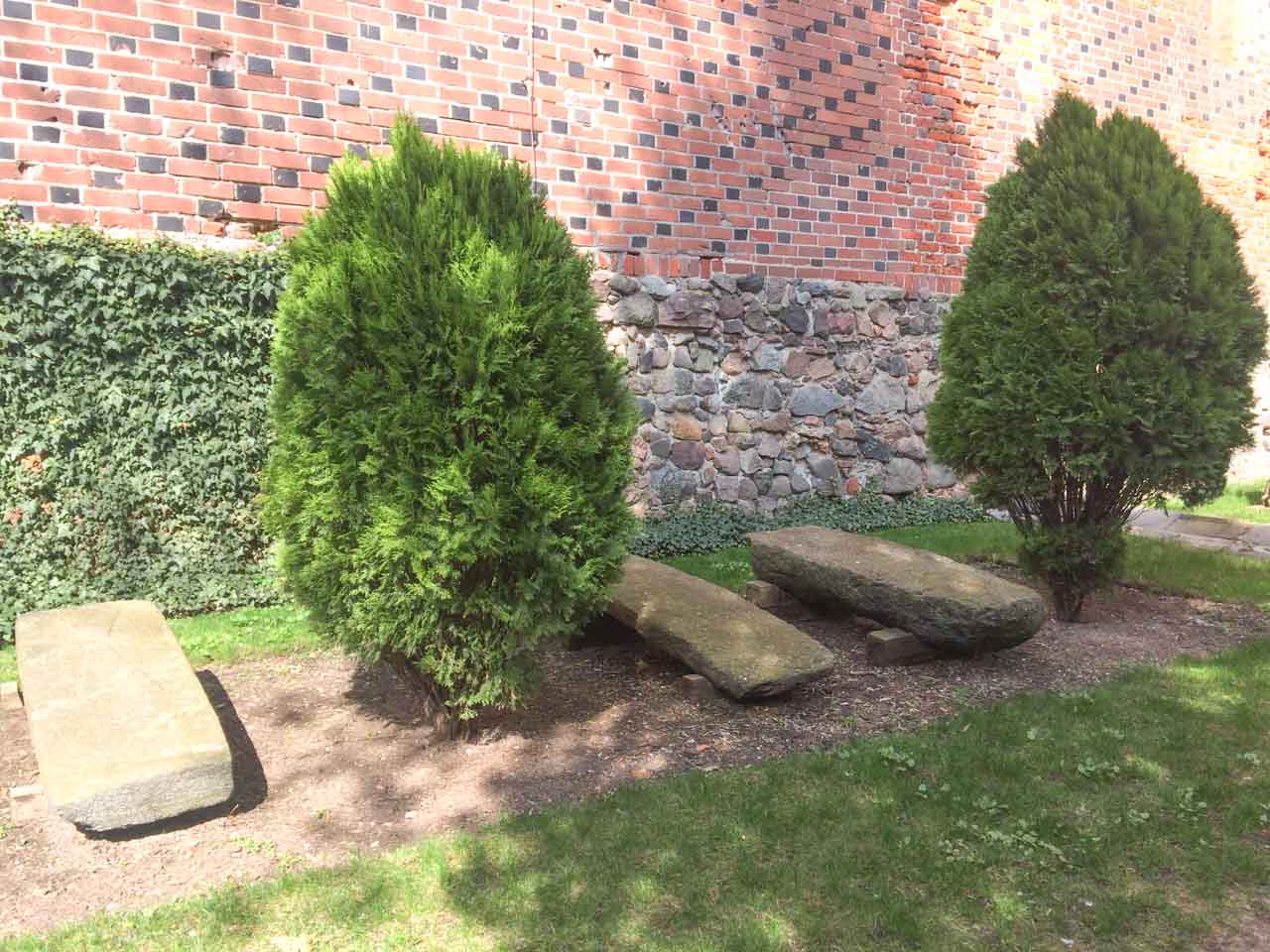
You can also walk along the edges of this part of the castle and explore the gardens, a small cemetery, and even an old mill during the warmer months.
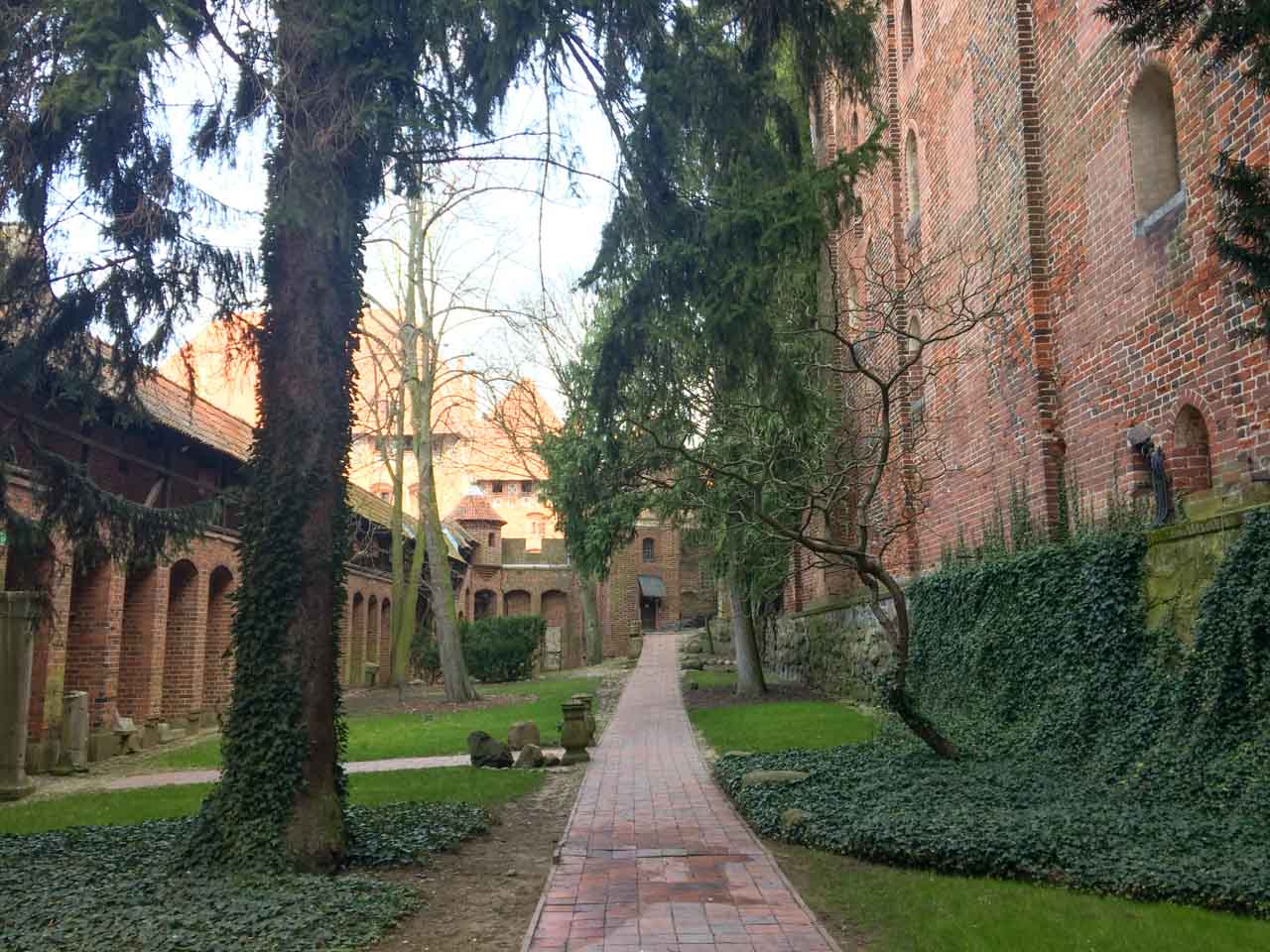
I could go on about each part, but I don’t want to spoil the surprise. The best thing is, you can take it all in at your own pace. The only thing I missed was a proper map – I once took a wrong turn and my audioguide froze, so I had to restart it. A map would make it easier to figure out where you are and how much there’s left to see.
But overall, it’s such an amazing place to visit – get ready to feel like a princess strolling through your castle grounds… or a first-year student heading off to a traditional boarding school. 😉