Last updated on February 26, 2026
I’ve recently realised that while I’ve written plenty of travel guides for cities around the world, I’ve never actually sat down to write one for the place I live in. As I’m writing this, I’m approaching the 12th anniversary of moving to the Tricity area (how has it been that long already?!), so it feels like the perfect time.
Over the years, I’ve tried and tested most of the main attractions in Gdańsk, so you don’t have to – and below, you’ll find my personal round-up of the best things to do in Gdańsk. There’s a mix of free and paid activities, day trip ideas, and a bunch of recommendations for my fellow foodies.
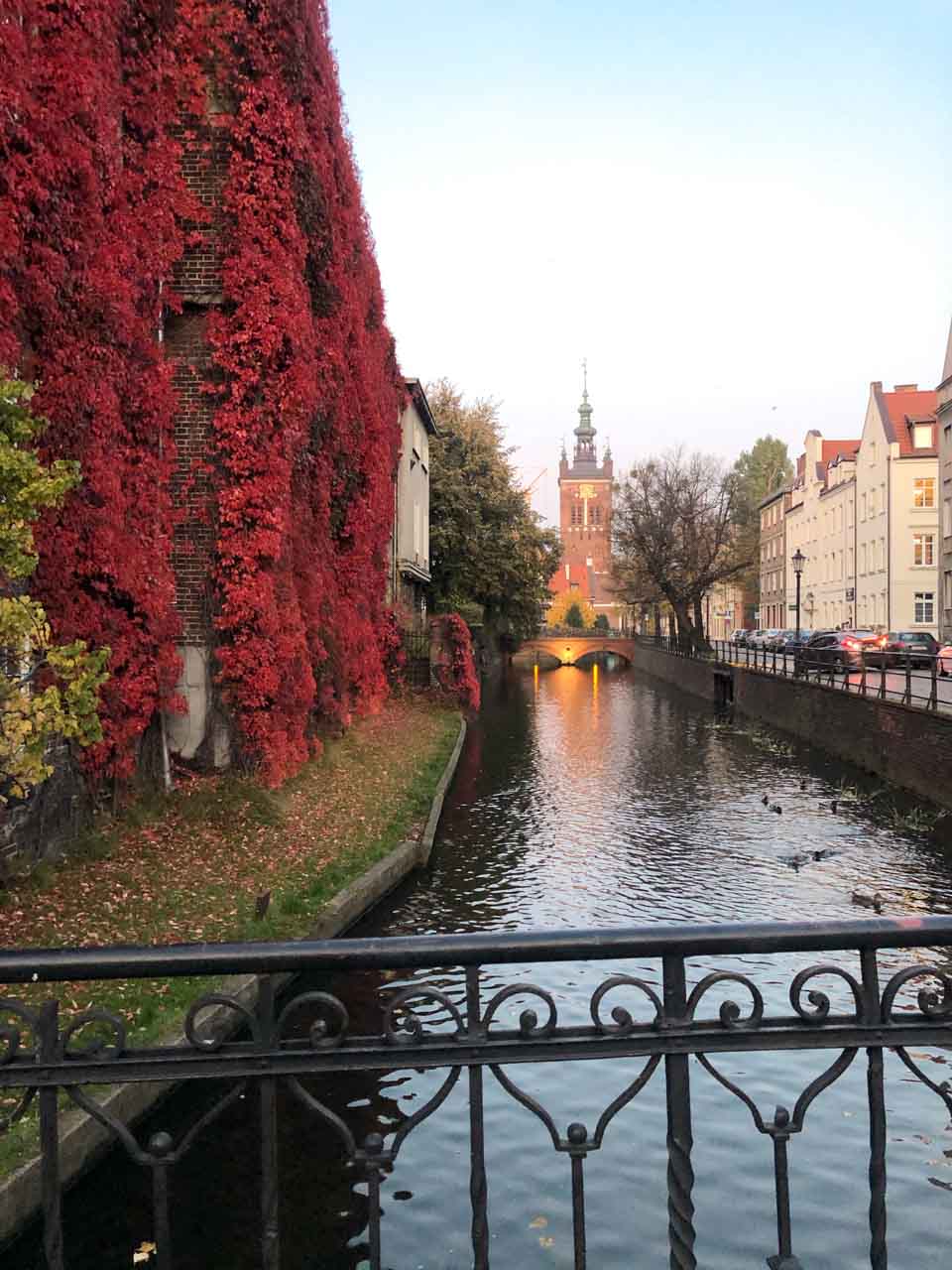
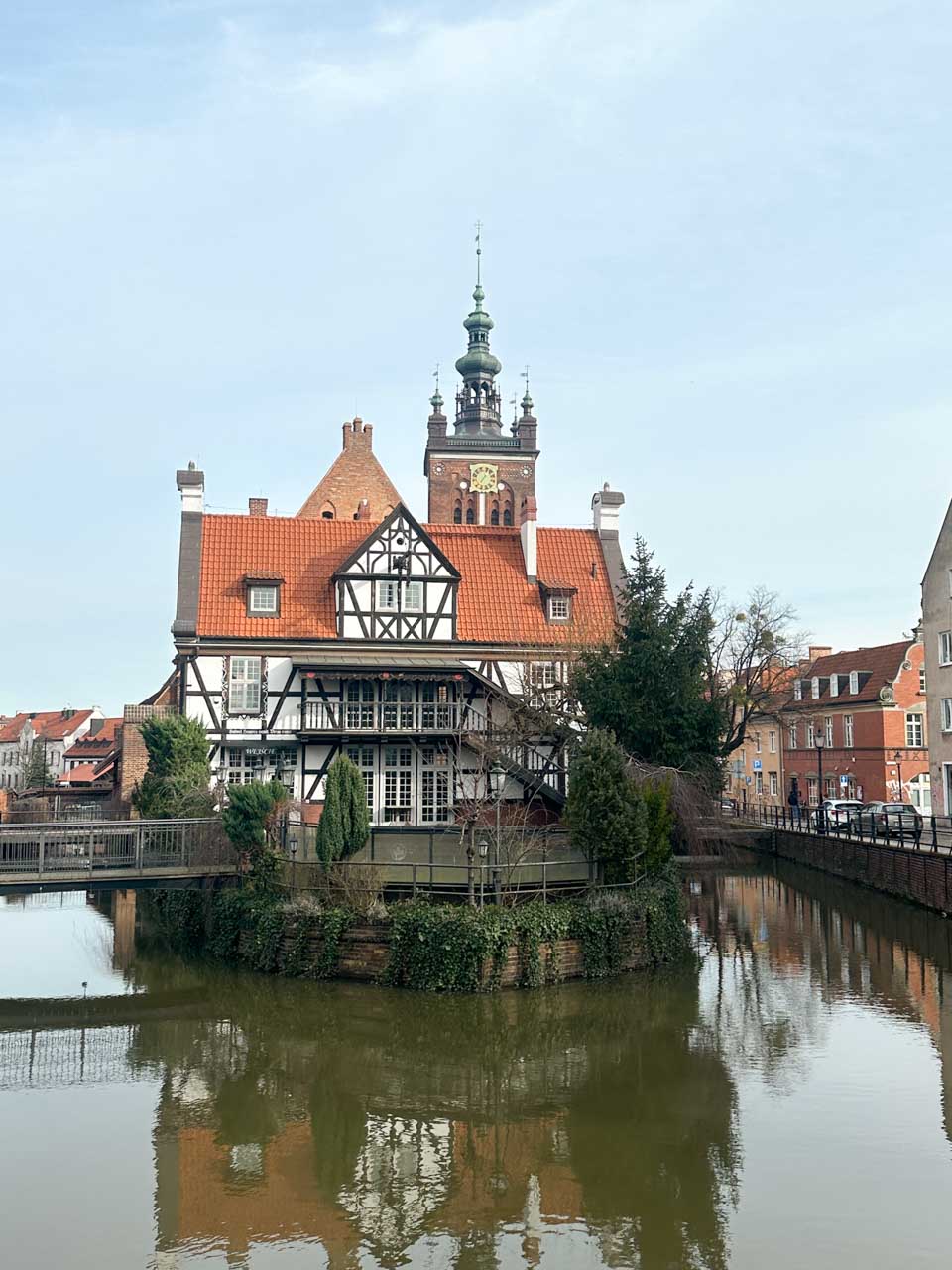
Note: In this guide, you’ll see me mention the Gdańsk Main City area. That’s what most people think of as the Old Town. But technically, the part with all the colourful townhouses and tourist attractions is called the Main City (Główne Miasto). The actual Old Town (Stare Miasto) is the area closer to the main train station (Gdańsk Główny), just next to the Main City.
This is going to be a loooong guide – turns out it’s pretty hard to squeeze over a decade’s worth of tips into a few paragraphs. But by the end of your trip, I promise you’ll have seen the best of what Gdańsk has to offer. Let’s get into it!
Want to explore Gdańsk like a local? Don’t miss my other travel guides:
Best Places For Dessert in Gdańsk (By a Local Foodie)
Restaurants You Must Visit in Gdańsk (According to a Local)
Best Cafés in Gdańsk For Coffee Lovers (A Local’s Guide)
Top Places to Have Breakfast in Gdańsk (Chosen by a Local)
Best Places For a Drink in Gdańsk, Poland (According to a Local)
Where to stay in Gdańsk
AD – This post contains affiliate links (marked with *) | Read my full disclaimer
Most people visiting Gdańsk choose to stay around the Main City area – and it makes sense if you’re only here for a short time and want to tick off the main sights. That said, it’s also the most touristy part of the city, so it can be noisy, overpriced, and not exactly the most authentic experience.
I’ve always said that as long as you’re within walking distance of the SKM train, you’re good to go. If you’d prefer to stay somewhere a bit more local and less hectic, two of my favourite neighbourhoods are Wrzeszcz and Oliwa. Both have great public transport and their own train stations, which makes getting around super easy – whether you’re arriving from another Polish city or planning a few day trips.
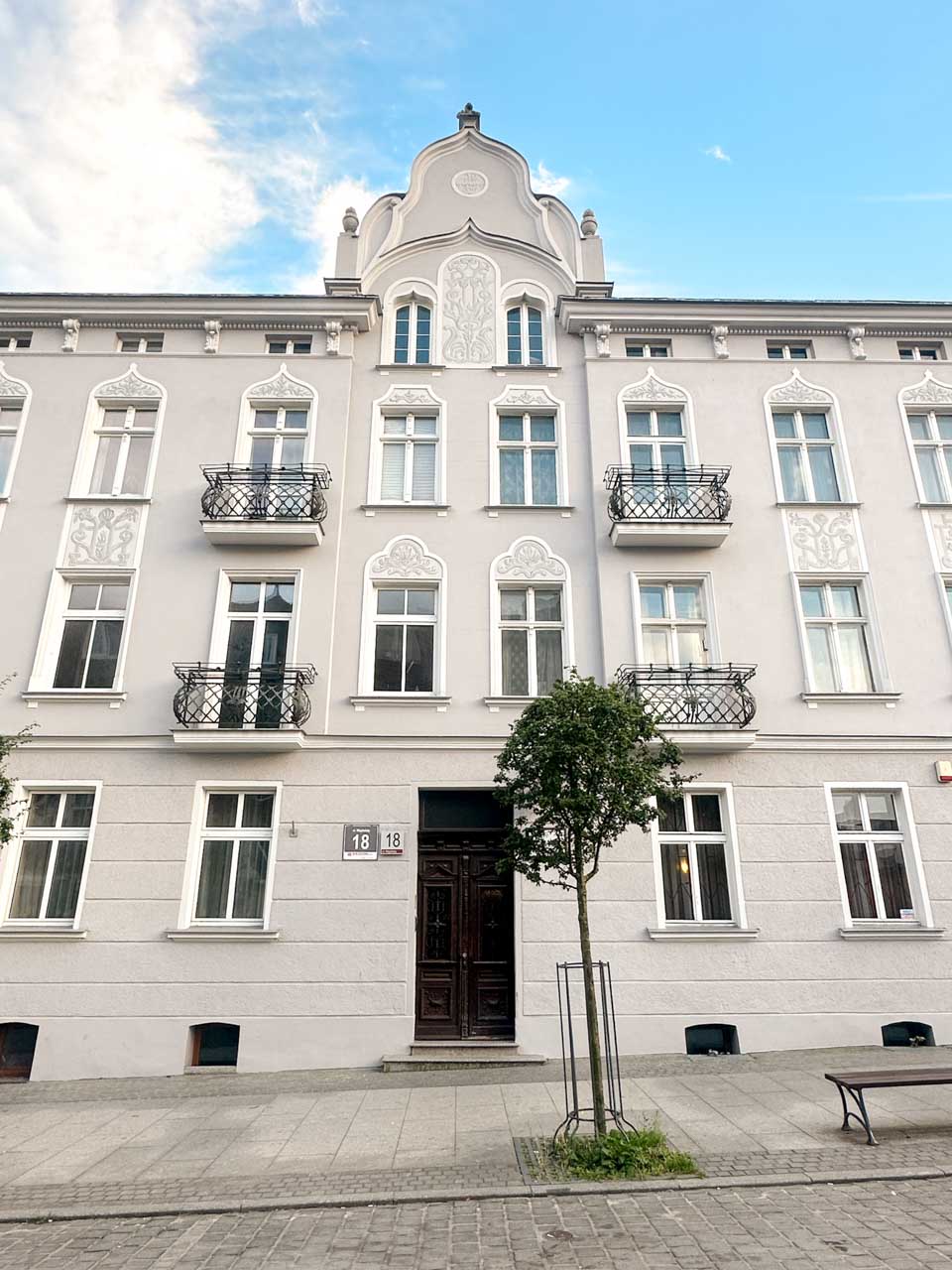
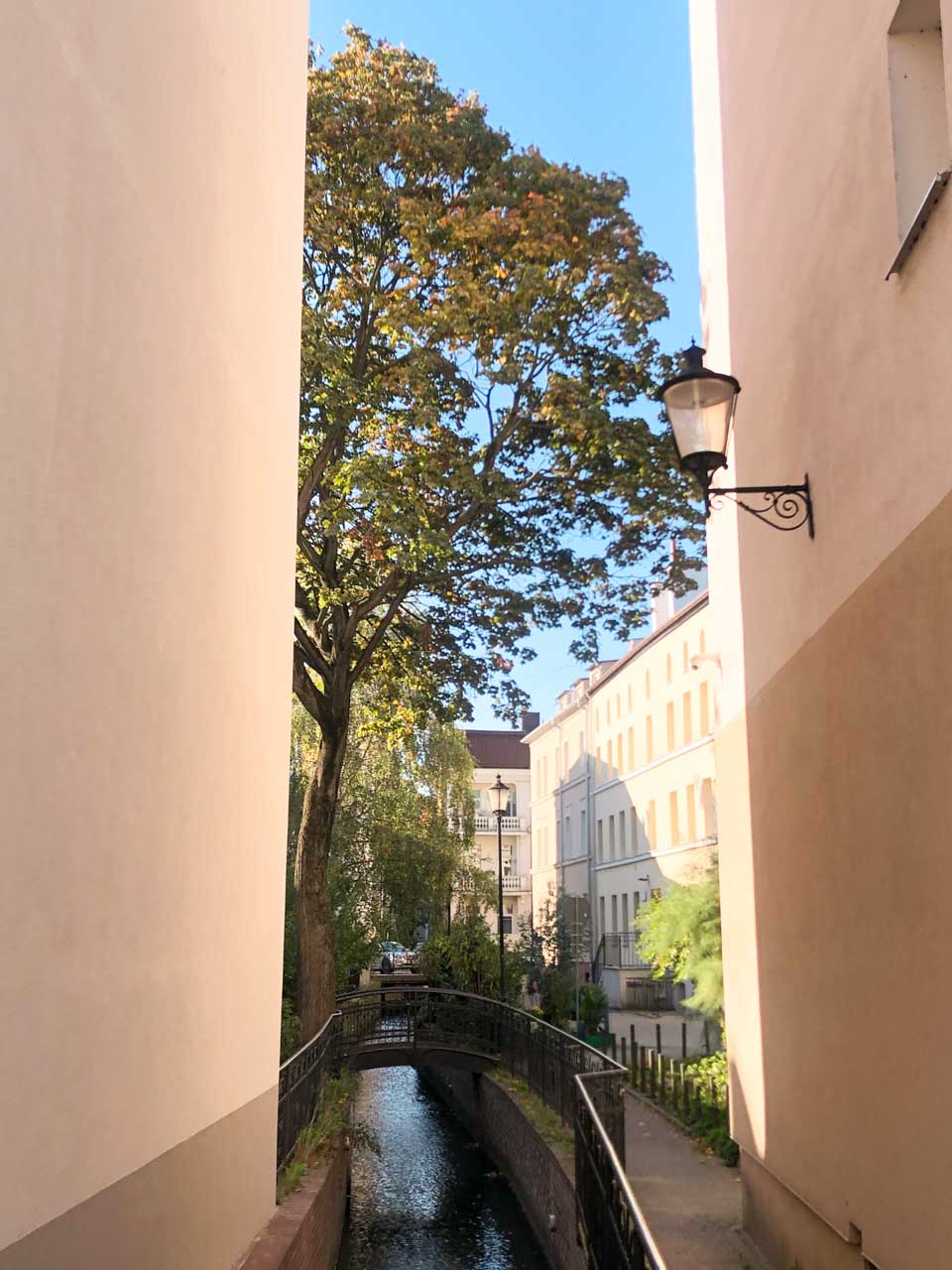
Oliwa is a peaceful, green part of town, with a gorgeous park and forest on one side. I lived there for a couple of years, and there were times I genuinely forgot I was in one of Poland’s biggest cities (which checks out, as it used to be a separate city until 1926!). The architecture is beautiful too – just wandering the streets around Oliwa Park feels like a mini sightseeing trip.
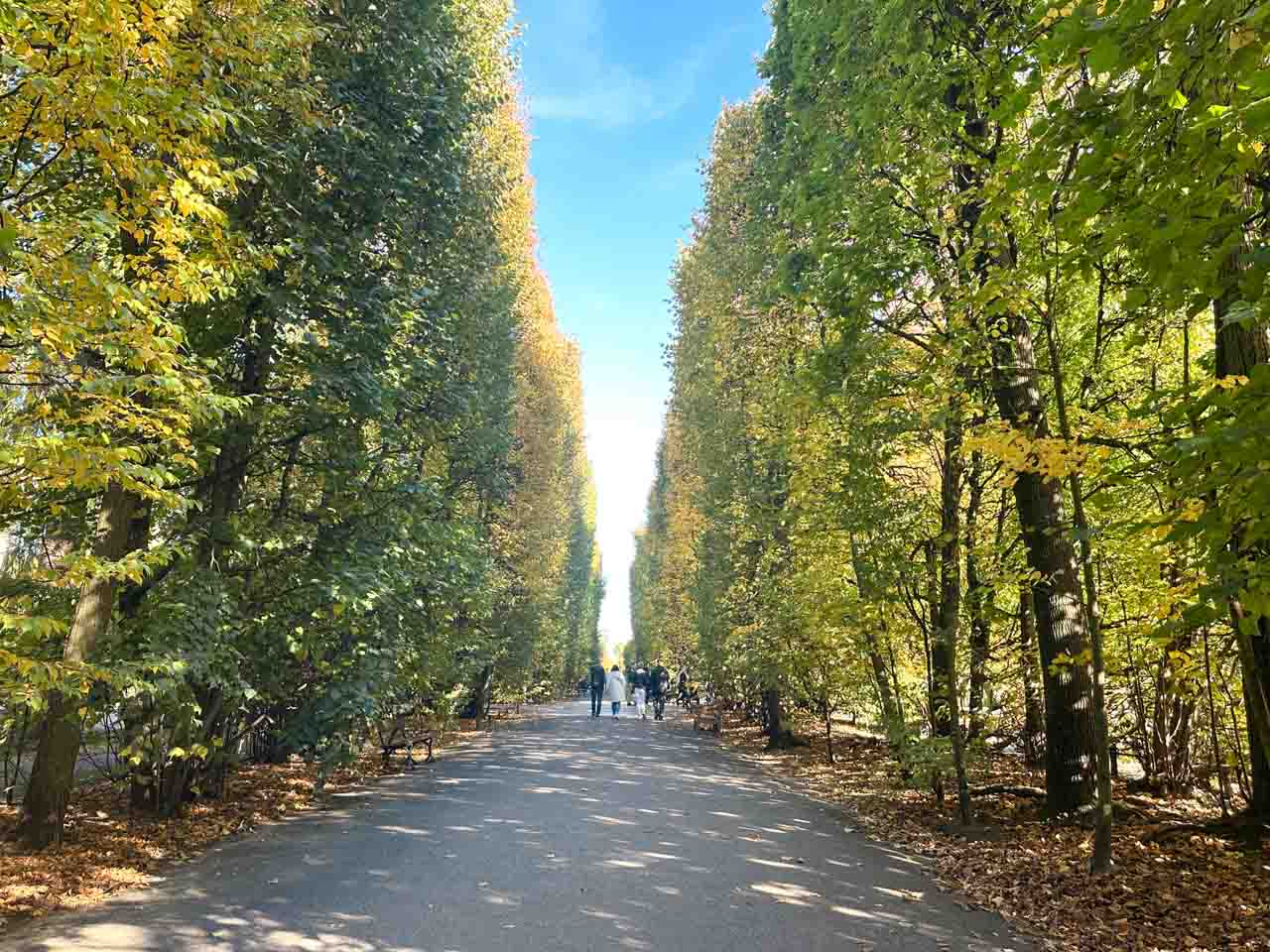
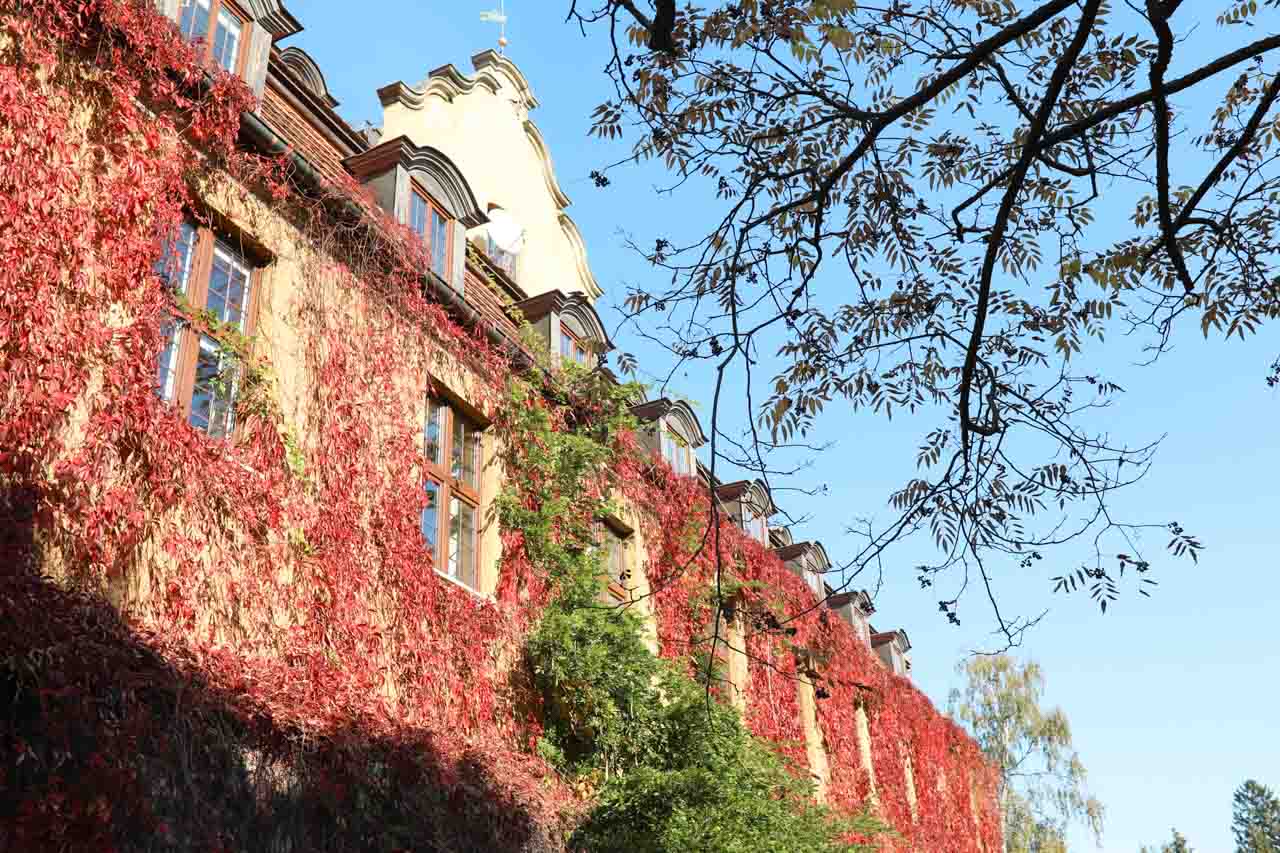
Wrzeszcz is great if you want to save some money, but still be close to the action. I especially love the Garnizon area – a modern housing estate built on the site of an old garrison. It’s just a 15-minute drive from the airport and packed with some of the best cafés and restaurants in Gdańsk.
You can check available places to stay for your travel dates below*:
How to get around Gdańsk
Gdańsk has a few different ways to get around – and while the system isn’t perfect, it’s more than enough to get you where you need to go as a visitor.
The SKM urban train runs along the spine of the Tricity area, from Gdańsk Śródmieście (a short walk from the Main City) all the way to Sopot, Gdynia, and a few other nearby towns. Then you’ve got trams and buses running north and south of that main train line. There’s also the PKM line, which connects the city with its suburbs and comes in especially handy if you’re flying into or out of Gdańsk Airport.
You can buy tickets from machines, or at ticket counters for SKM trains. Apps like Jakdojade make it all a bit easier, and there’s also the new Fala system, which lets you tap your debit card on the reader and get a virtual ticket automatically charged to your account.


Ticket prices vary depending on the mode of transport. For trains, it depends on distance, starting from 5.50 PLN (around €1.30 / £1.10). For buses and trams, a single ticket is 4.80 PLN (~€1.10 / £1), or you can grab a 75-minute ticket that lets you switch between lines for 6 PLN (~€1.40 / £1.20).
However, I’ll be honest – the ticketing system can be confusing, even for locals. And don’t even get me started on the Fala system, which the city somehow managed to make more complicated than it needs to be. I’m currently working on a full guide to public transport in Gdańsk (including how and where to buy tickets), so stay tuned if you want a no-stress version.
In the meantime, if you’d rather skip it altogether, Bolt and Uber are both widely available – and they’re usually very affordable.
Best things to do in Gdańsk
Quick note: This guide doesn’t include any beach recommendations. I know that might be an unpopular opinion, but even though Gdańsk is right on the Baltic Sea, I honestly think there are better places for a proper beach holiday. The beaches here get very crowded, the water’s not the cleanest (we’ve got both a shipyard and an oil refinery, after all), and blue-green algae often take over swimming areas – sometimes leading to sudden closures. However, if you just want to sunbathe or dip your toes in the sand, you’ll be fine.
1. Walk the Royal Route
The Royal Route is the official name for the main pedestrian street that runs from the Upland Gate, through the Golden Gate, all the way along Long (Długa) Street to the Green Gate.
It got its name from the role it once played – as this was the route Polish royalty would take when entering the city. The street is lined with beautiful, colourful townhouses that were once owned by Gdańsk’s wealthiest residents.
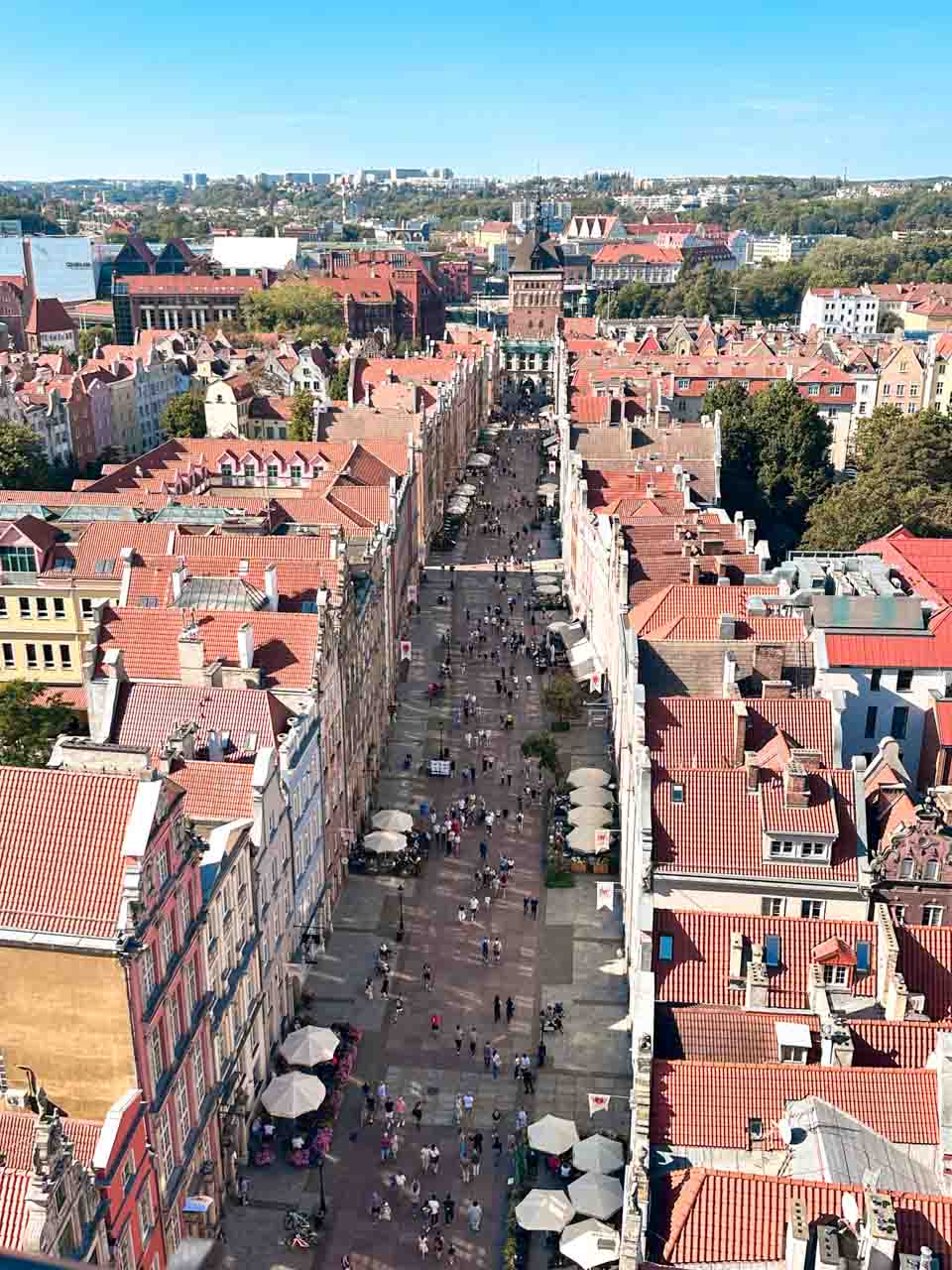
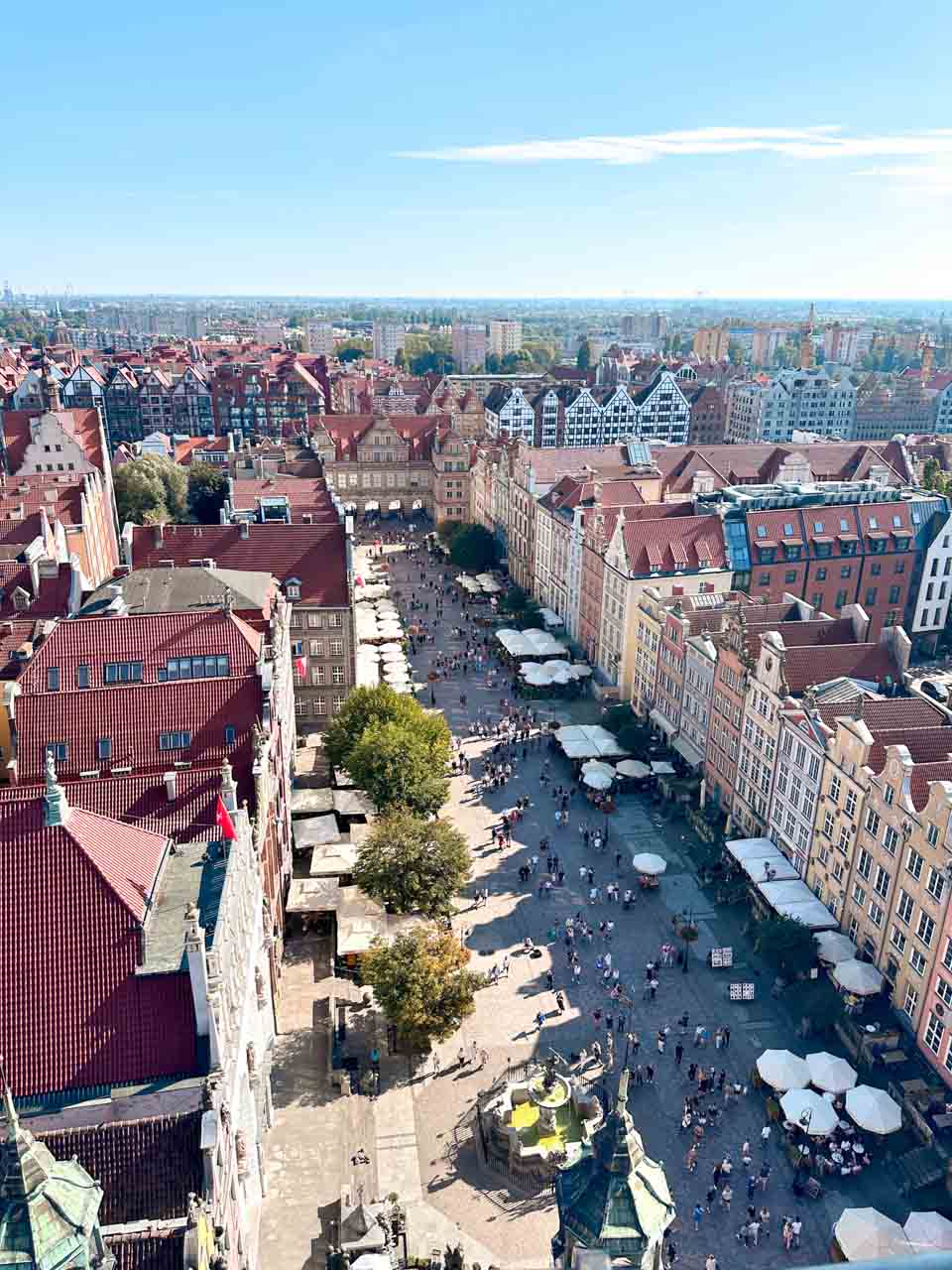
These days, you’ll find a mix of shops, restaurants, and museums. One of them is Uphagen’s House, a rare example of an 18th-century merchant’s home that’s open to the public. It’s actually one of the only preserved townhouses of this kind in Europe.
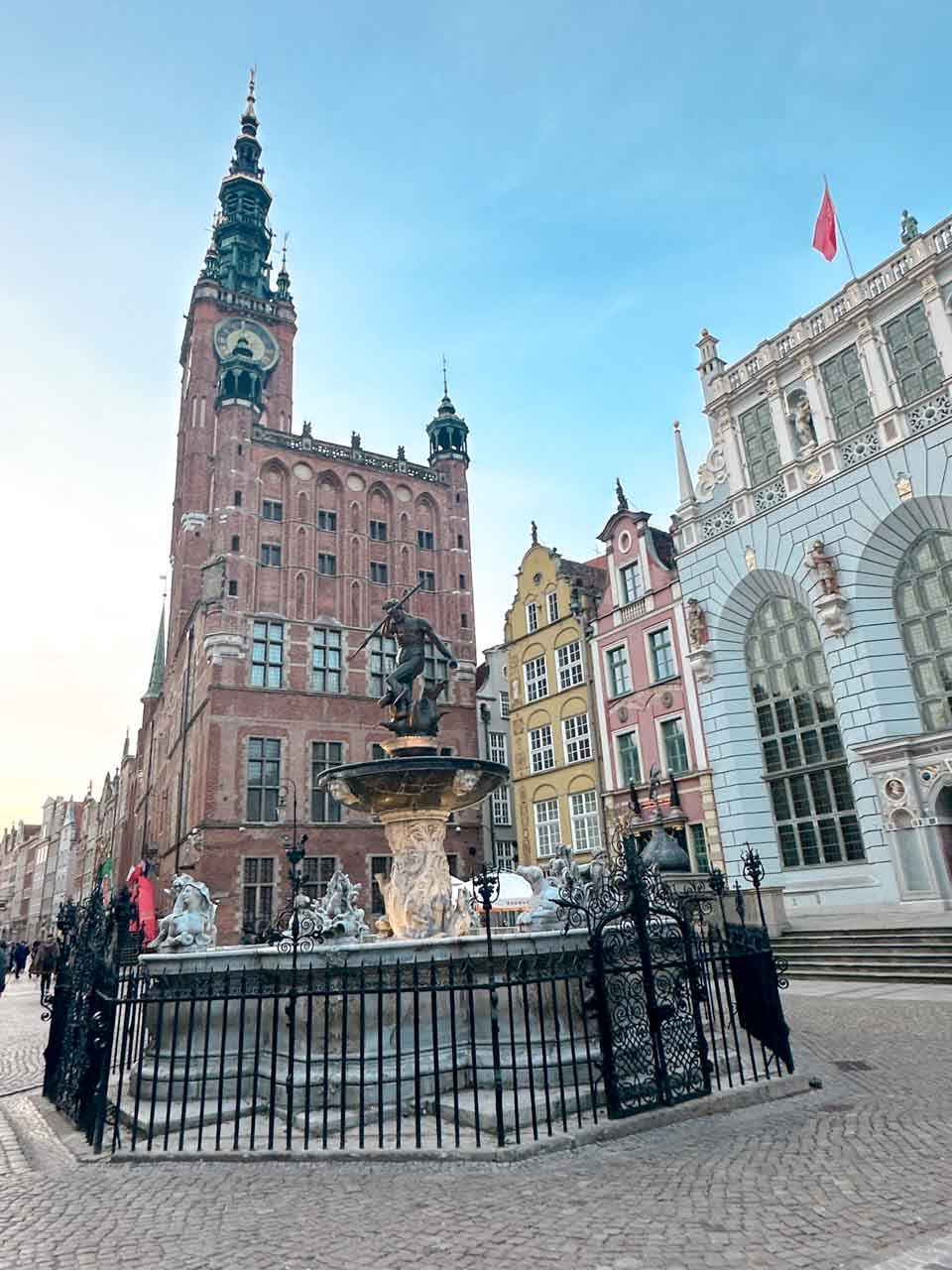
There’s also the Main Town Hall, which has served as the city’s seat of government since medieval times. Today, it houses a museum where you can learn more about Gdańsk’s history and admire some gorgeously restored interiors. You can also climb the tower for what I personally think is the best panoramic view of the city.
And of course, no walk down the Royal Route would be complete without seeing Neptune’s Fountain, probably the most famous landmark in Gdańsk. It symbolises the city’s connection to the sea and is a super popular photo spot. Just behind it, you’ll find the Artus Court, which used to be a gathering place for merchants and city elites. These days, it’s a museum featuring artworks and the largest tiled stove in all of Europe.

Just before you reach the Green Gate, look to your right – you’ll see a small column with a thermometer dedicated to Daniel Fahrenheit. Yep, that Fahrenheit! He was actually born in Gdańsk, and this little monument pays tribute to his inventions… including the temperature scale that still confuses the majority of us Europeans. 😉
2. See the rest of the Main City
Walking the Royal Route is a great introduction to Gdańsk – but don’t stop there. The rest of the Main City is just as charming and well worth exploring.


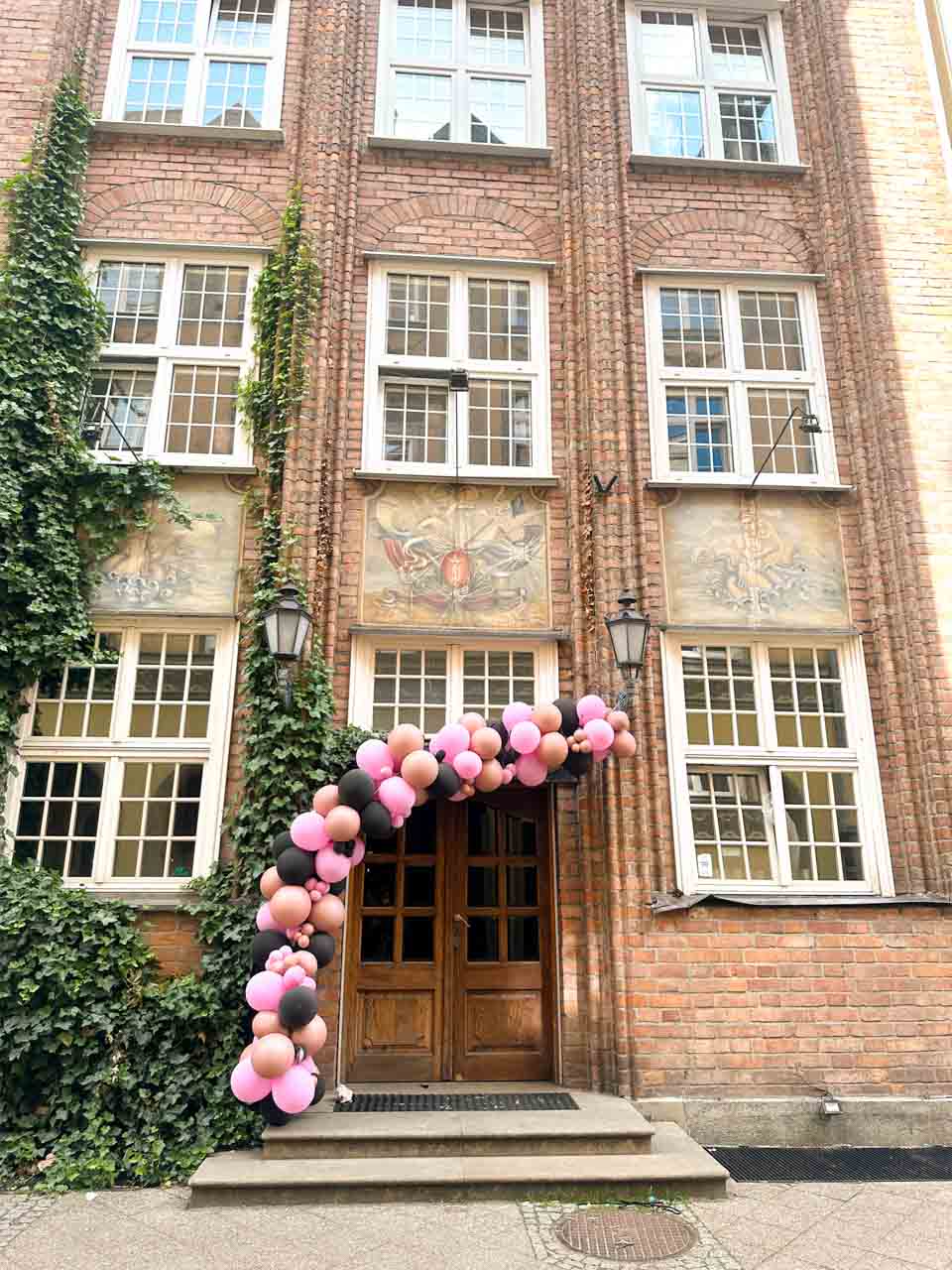
I’d really recommend wandering down the side streets and the ones running parallel to Long Street. You’ll still find beautiful, pastel-coloured townhouses, but with slightly fewer crowds.

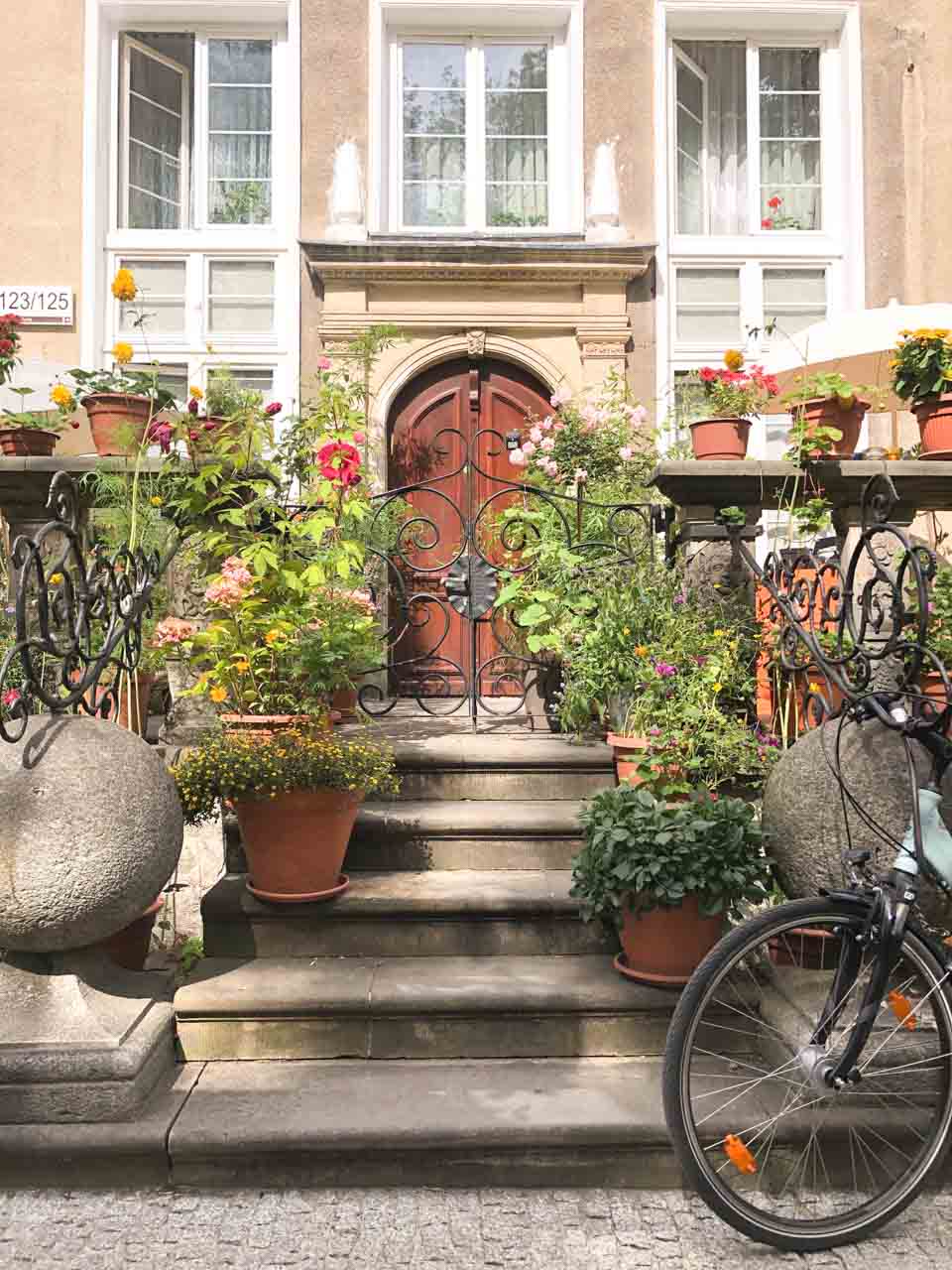
While there are restaurants and cafés along the Royal Route, they’re mostly aimed at tourists – so expect higher prices and more generic menus. If you want a better (and tastier) experience, you’ll find some of the best spots just a few steps away from the main street.
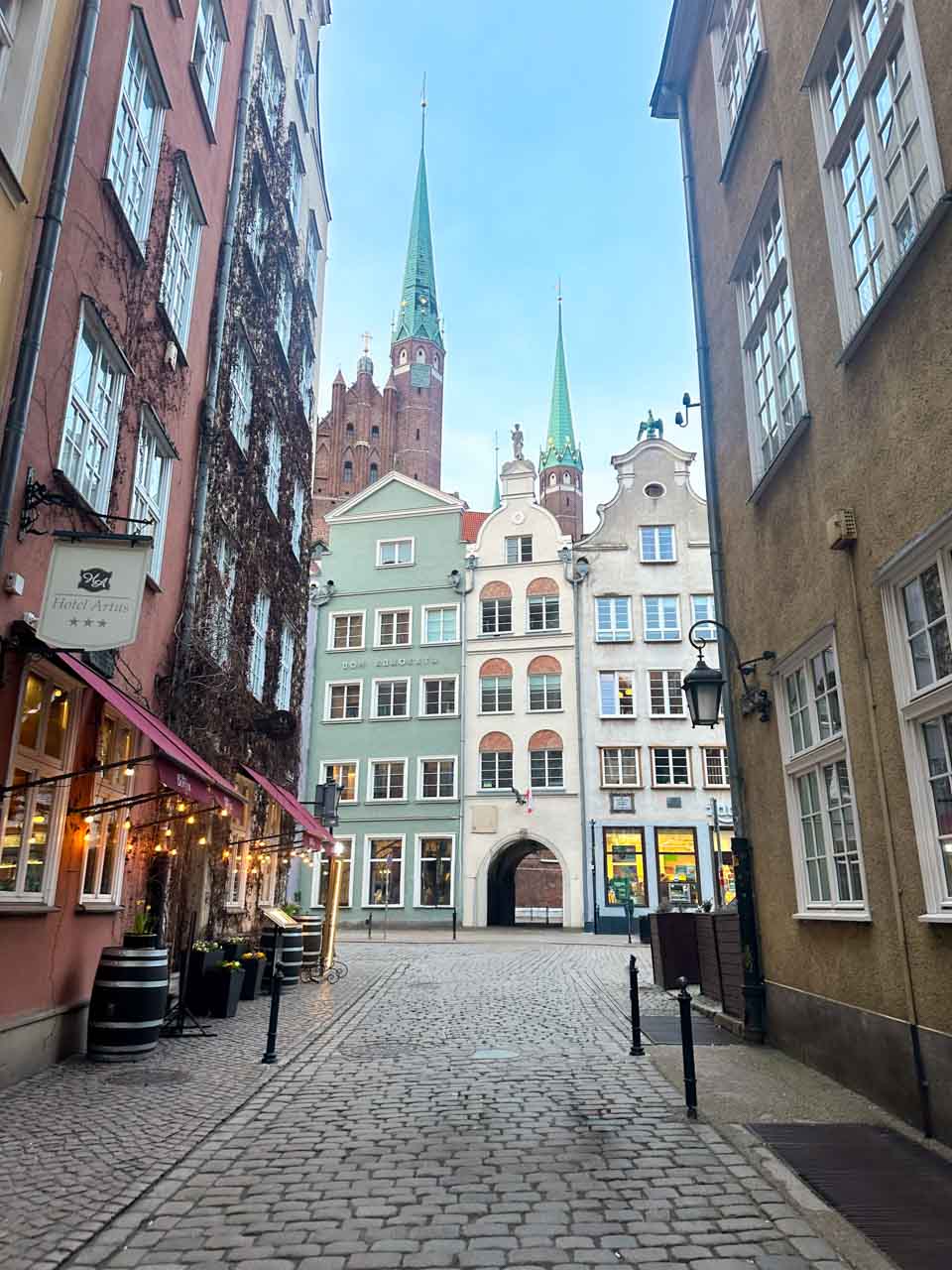
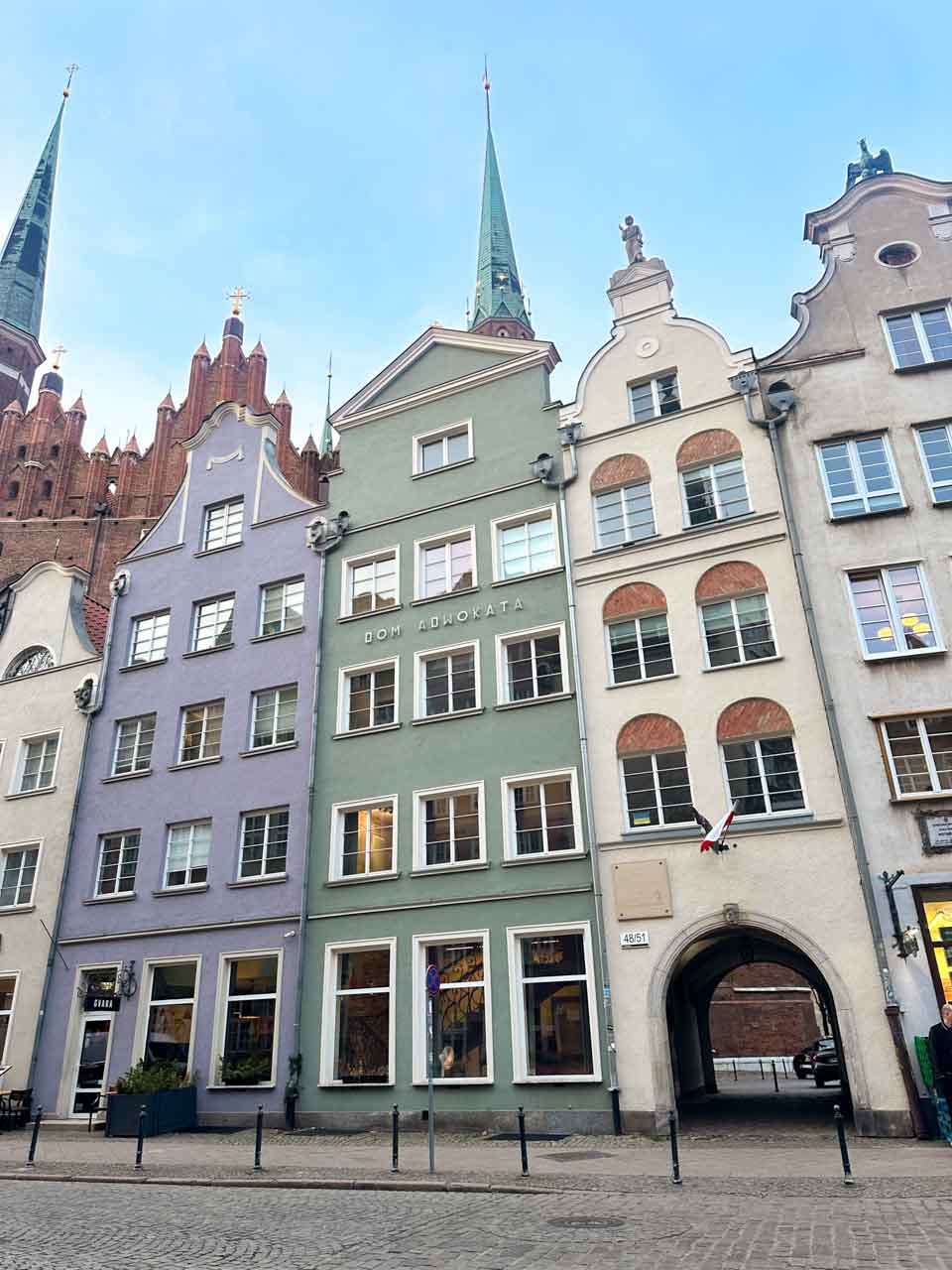
Two of my favourite foodie streets in the area are Świętego Ducha and Piwna. They’re full of great places to grab a bite or a coffee where locals tend to go as well.


For all of my favourite places to eat in Gdańsk, check out my guides to the restaurants you must visit in Gdańsk, best cafés in Gdańsk for coffee lovers, top places to have breakfast in Gdańsk, best places for a drink in Gdańsk, and best places to grab something sweet in Gdańsk.

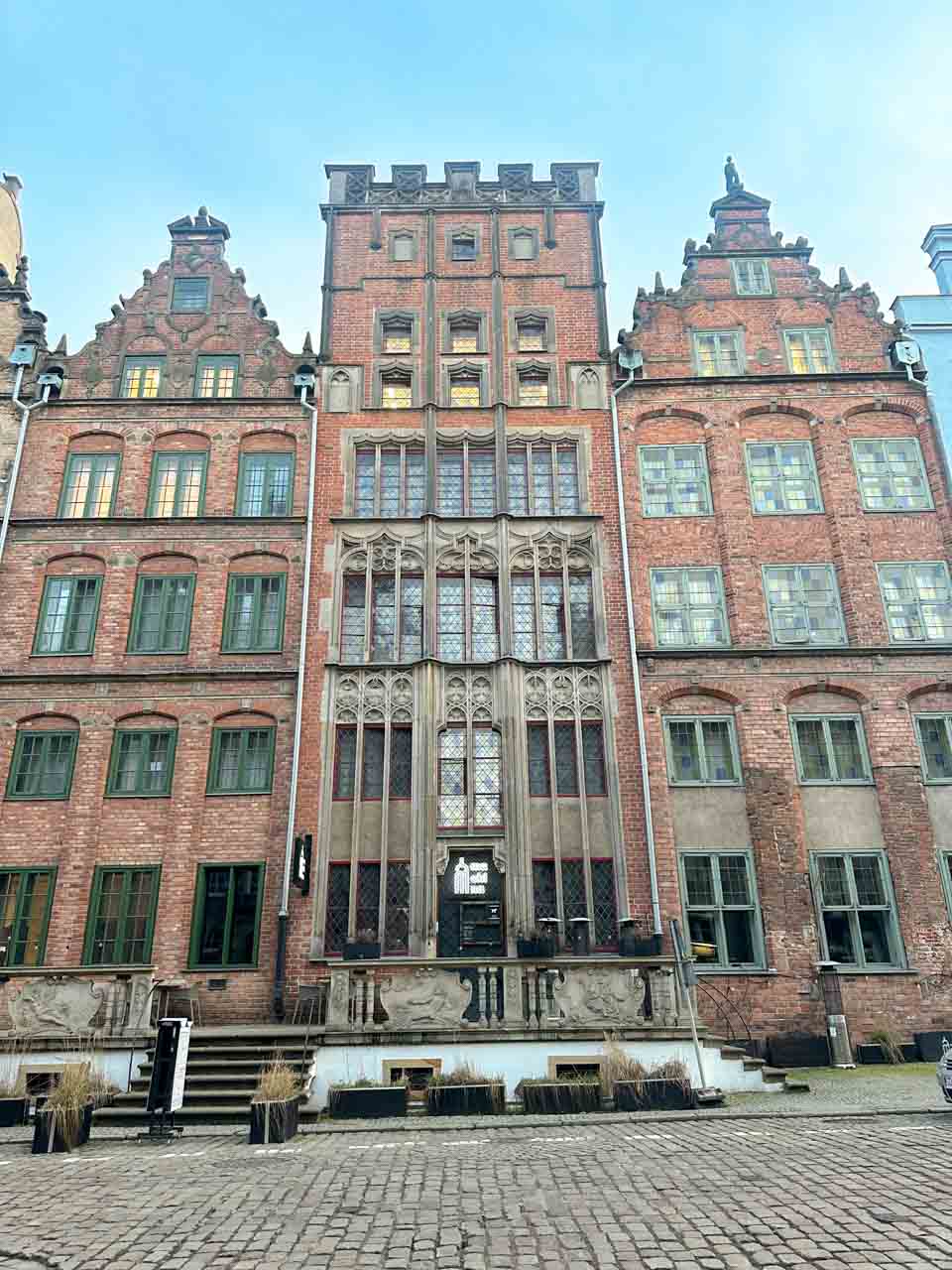
3. Climb a tower for the best view of Gdańsk
No travel guide of mine would be complete without a recommendation for a good viewpoint. 😉 So, if you’re hoping to see Gdańsk from above, you’ve got a few great options.
There are three main towers that offer panoramic views over the Main City: the Main Town Hall, St. Mary’s Church, and the Naturalists’ House. The last one has been closed since 2021 due to renovations at the Archaeological Museum, so for now, it’s between the other two.
The Main Town Hall tower is usually open from May to September, while St. Mary’s Church opens from 25th March to 30th November. Entry to either costs 20 PLN (around €4.70 or £4.10), but in my opinion, you don’t need to do both.
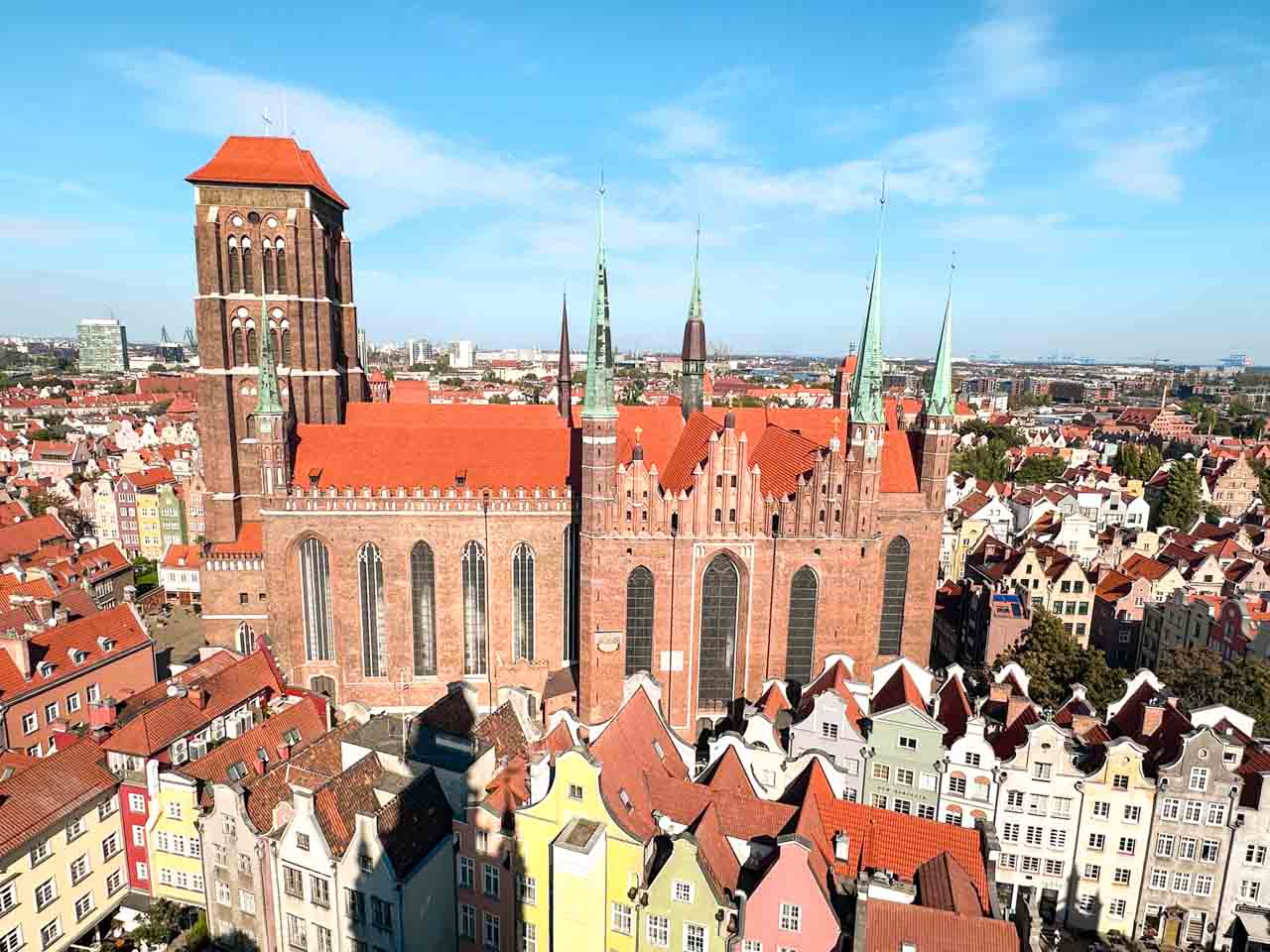
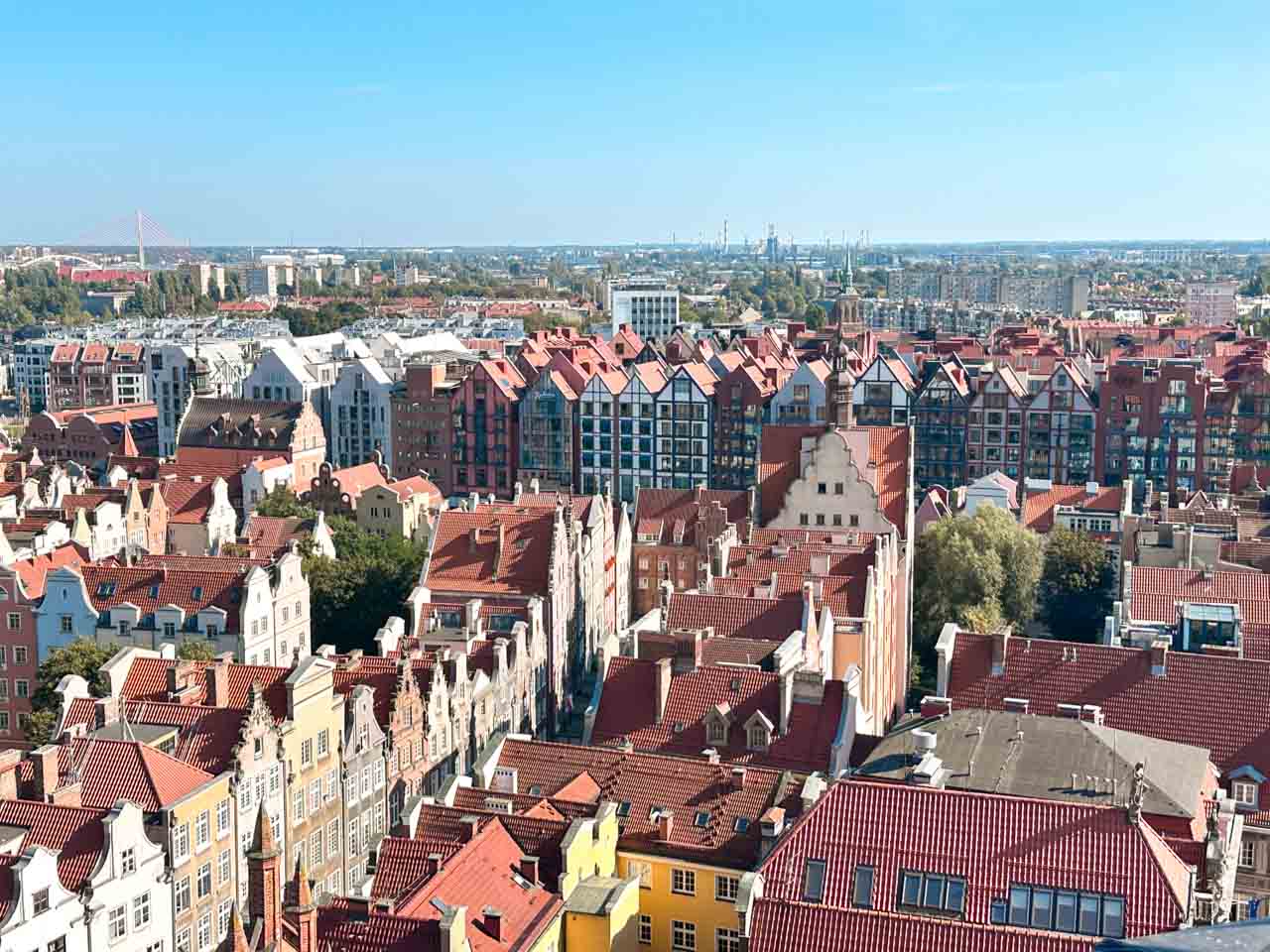
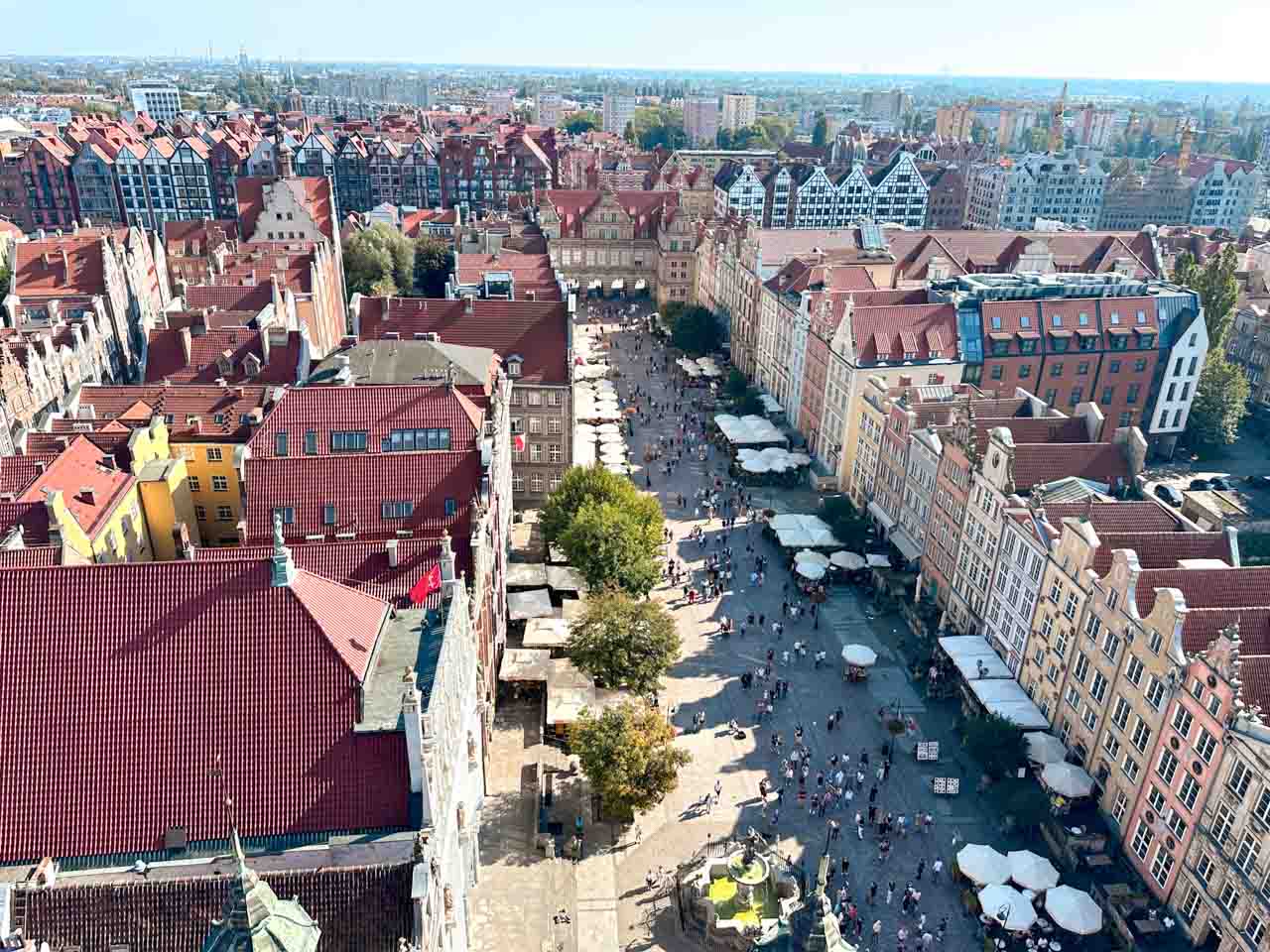
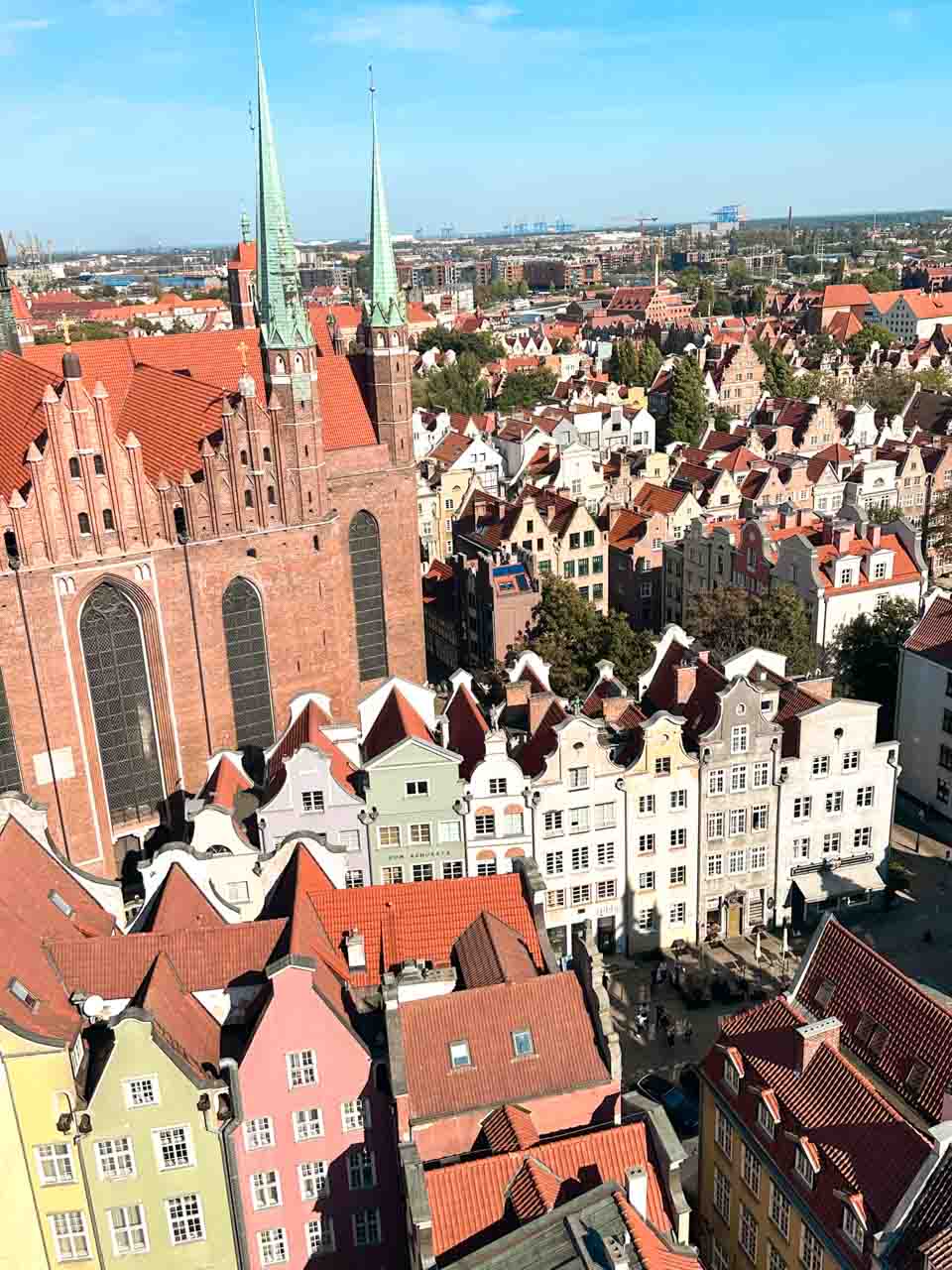
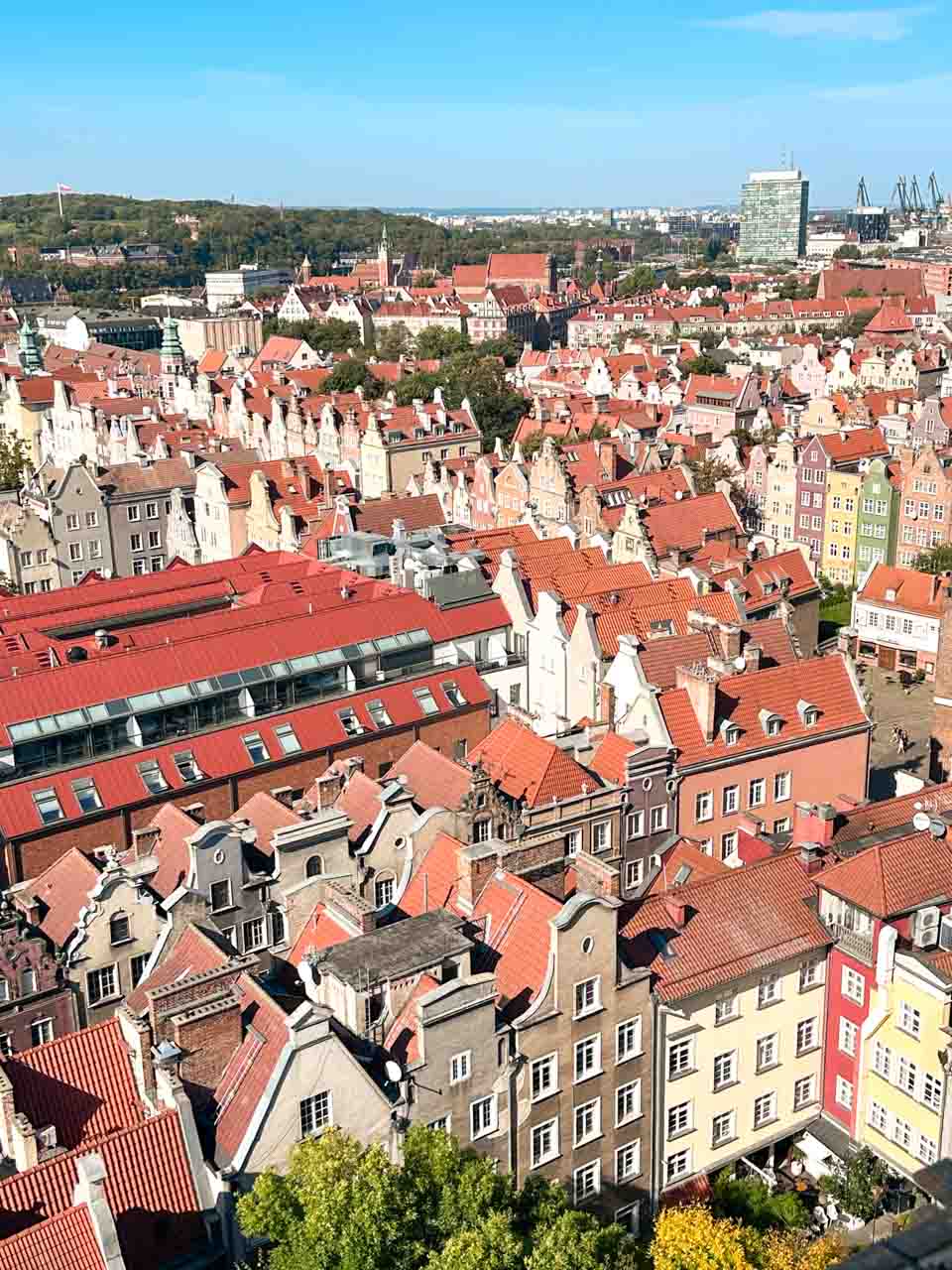
Personally, I think the Main Town Hall tower is the better pick for a few reasons. It’s a bit like the Top of the Rock vs. Empire State Building situation – sometimes it’s better to be looking at the icon than from it. I love that you can see St. Mary’s from the top of the Town Hall. 😉
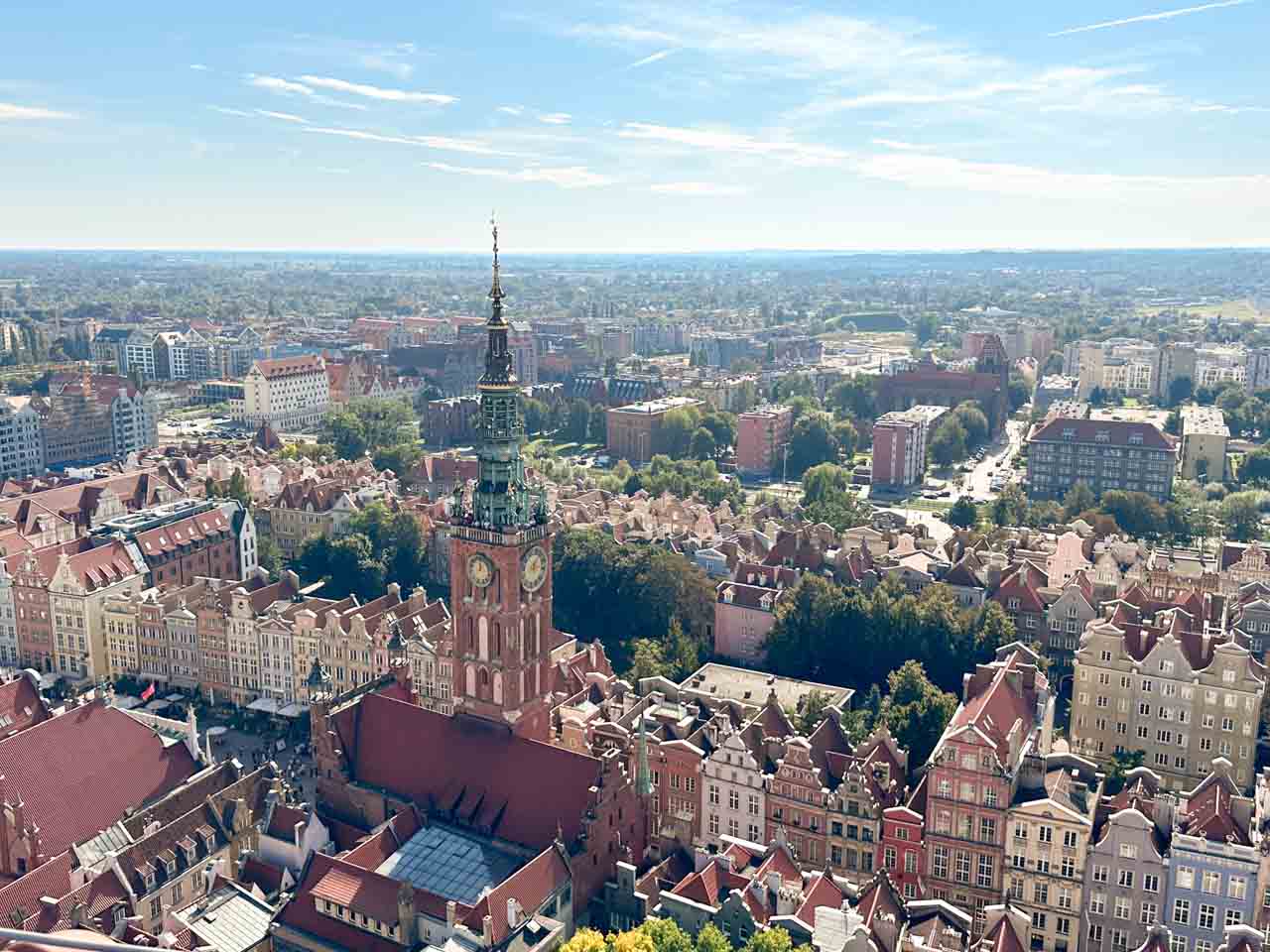
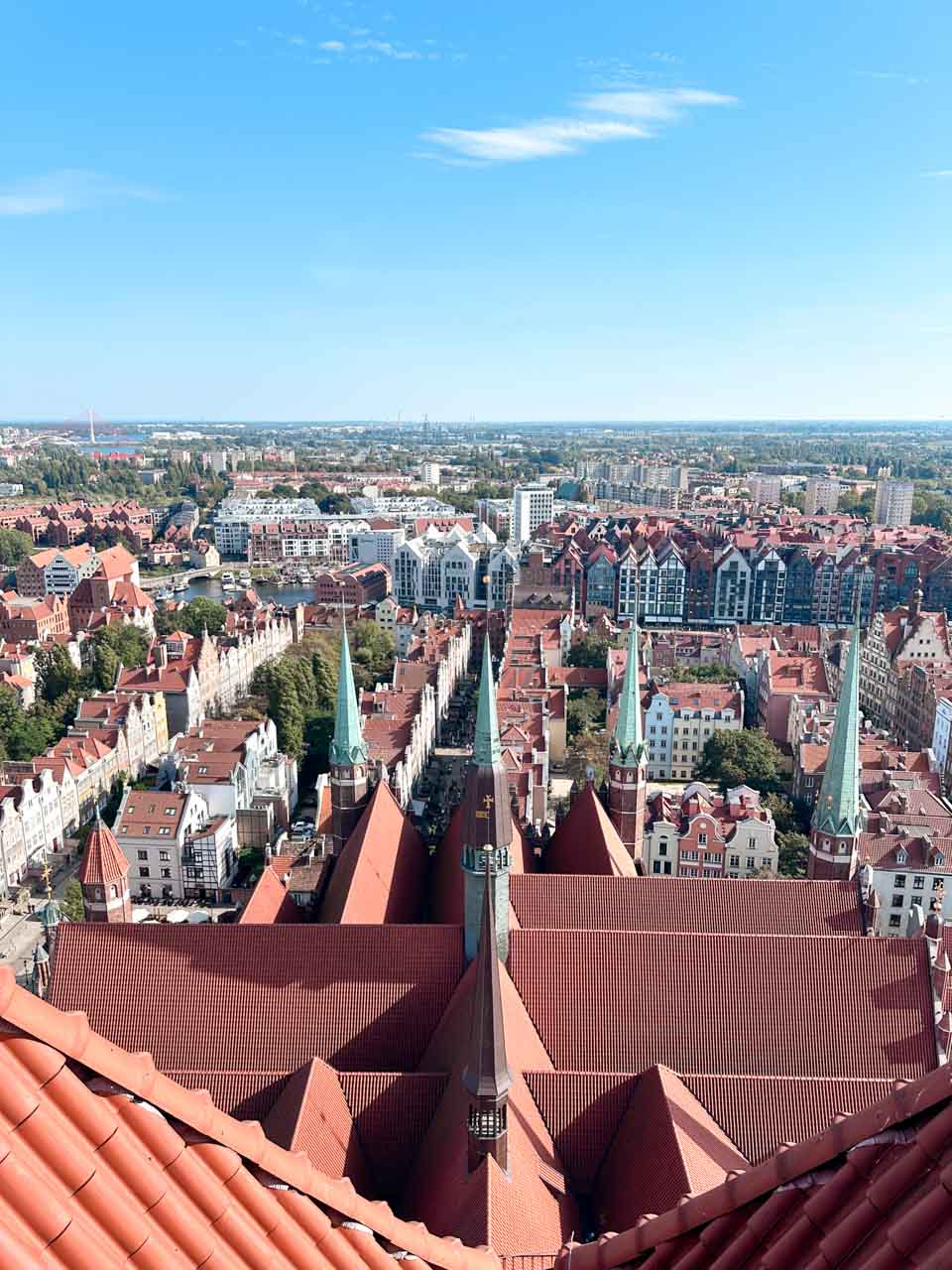
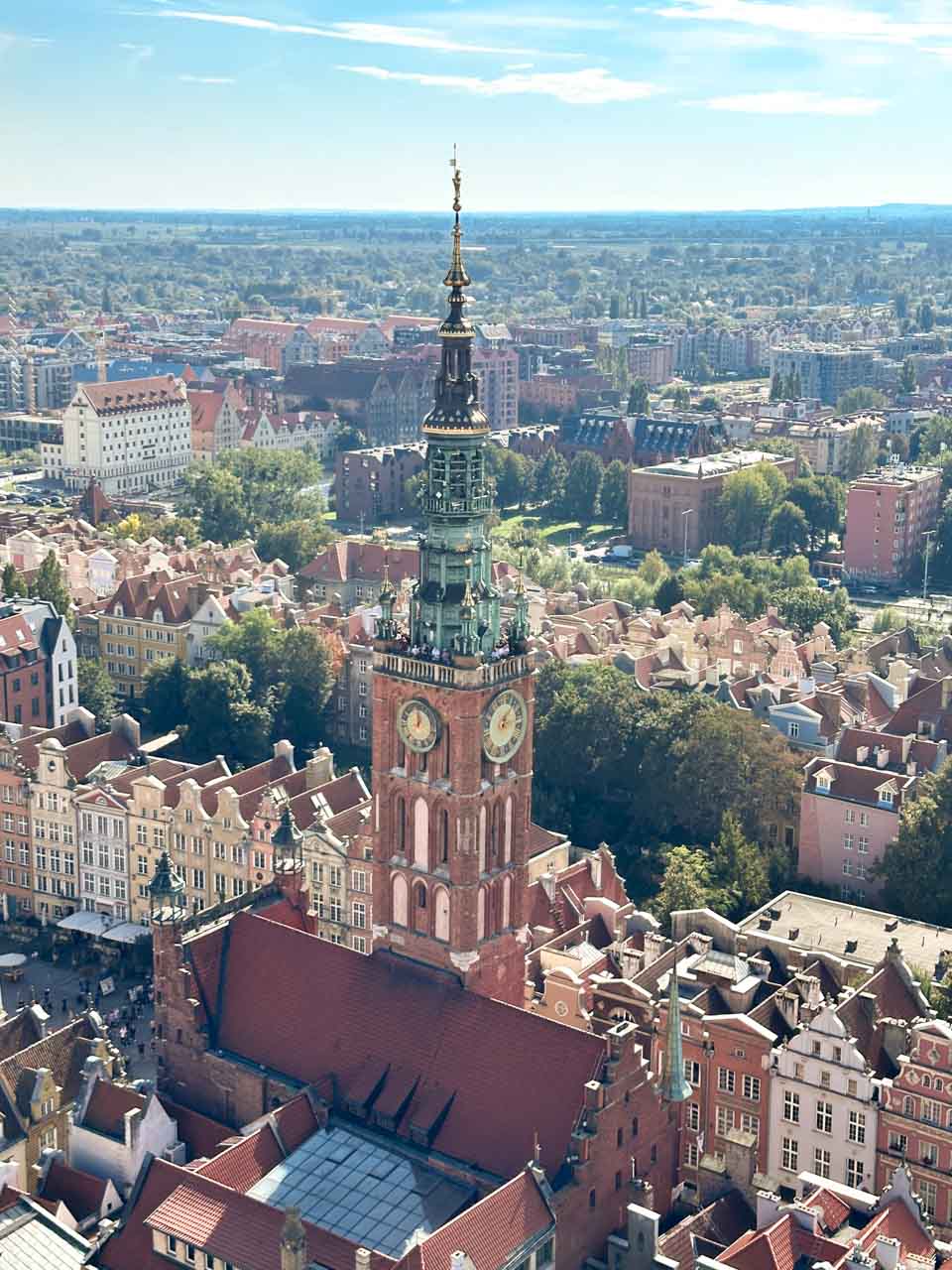
It’s also less of a climb: around 300 steps, compared to 400 at St. Mary’s Church, and they’re much wider and easier to walk up. The staircase at St. Mary’s starts off narrow and winding, and you’ll need a decent level of fitness to get through it.
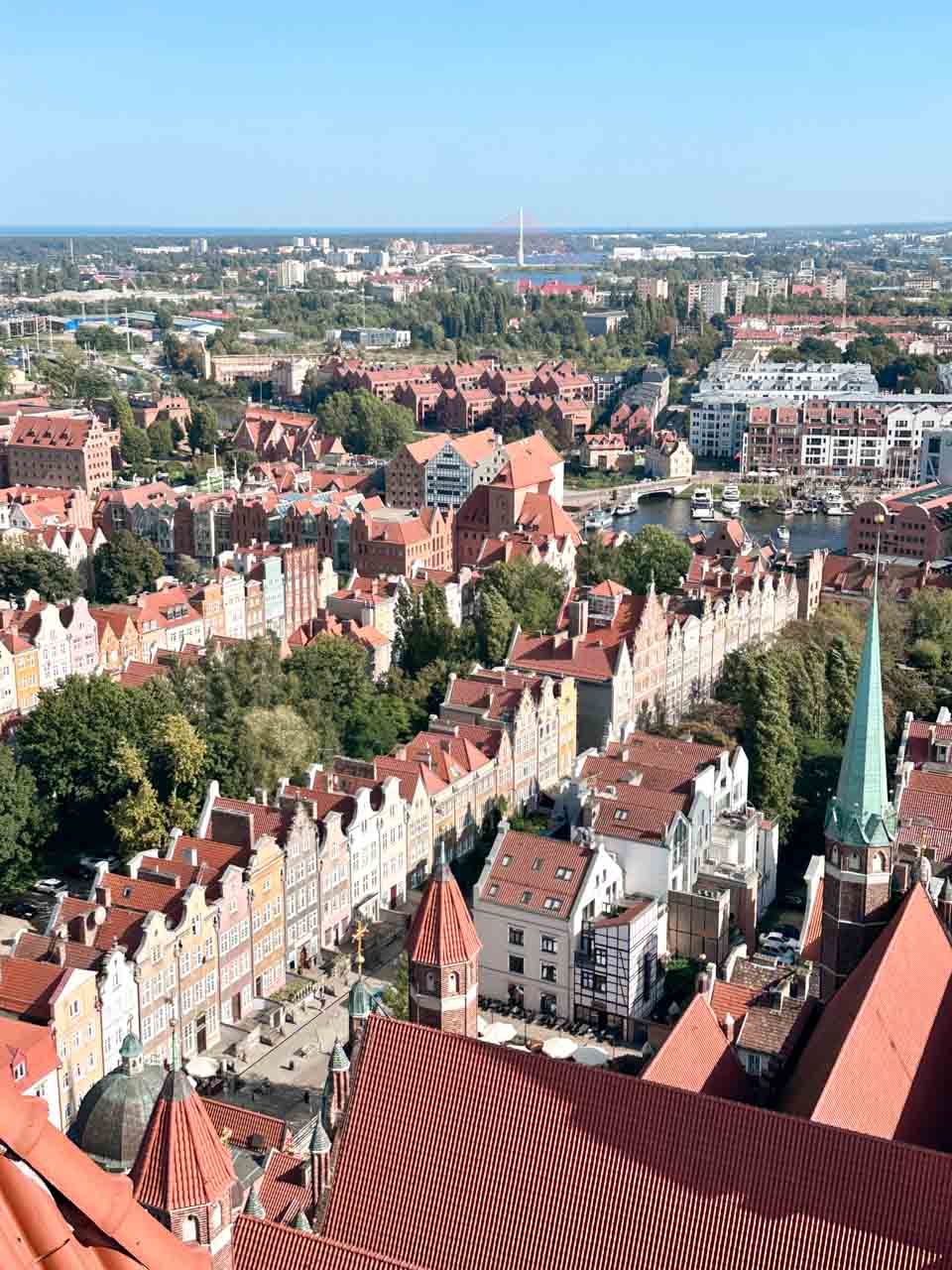
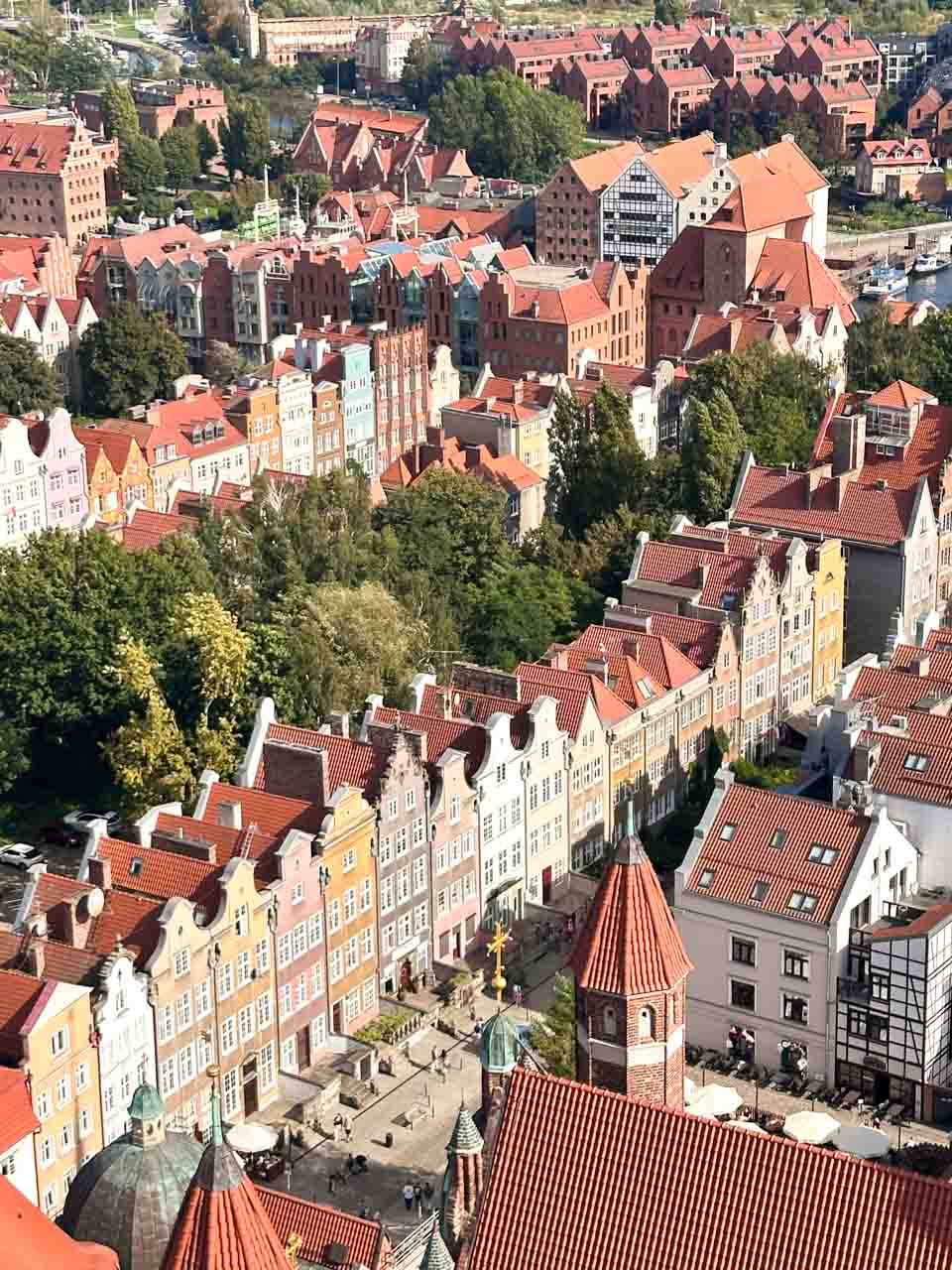
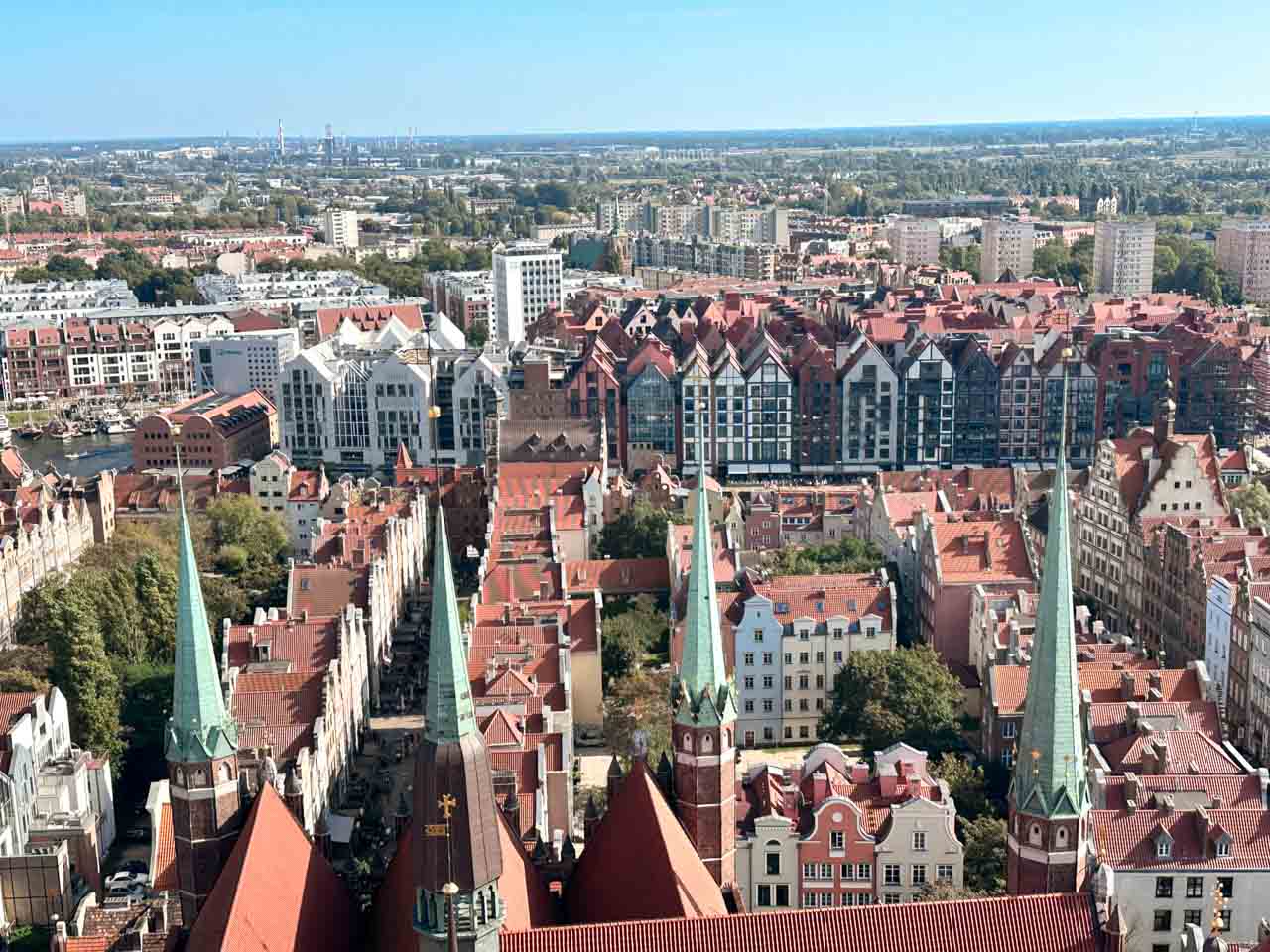
Plus, the Main Town Hall observation deck is more spacious and offers a clear 360-degree view. The one at St. Mary’s is quite small and has tall barriers all around, which block some of the view.
4. Visit St. Mary’s Church
Even though I personally prefer the tower at the Main Town Hall, going inside St. Mary’s Church is an absolute must while you’re in Gdańsk. Entry is free, but as it’s an active church, try to avoid mass times – especially on Sundays. I’d recommend visiting later in the day when it tends to be quieter.
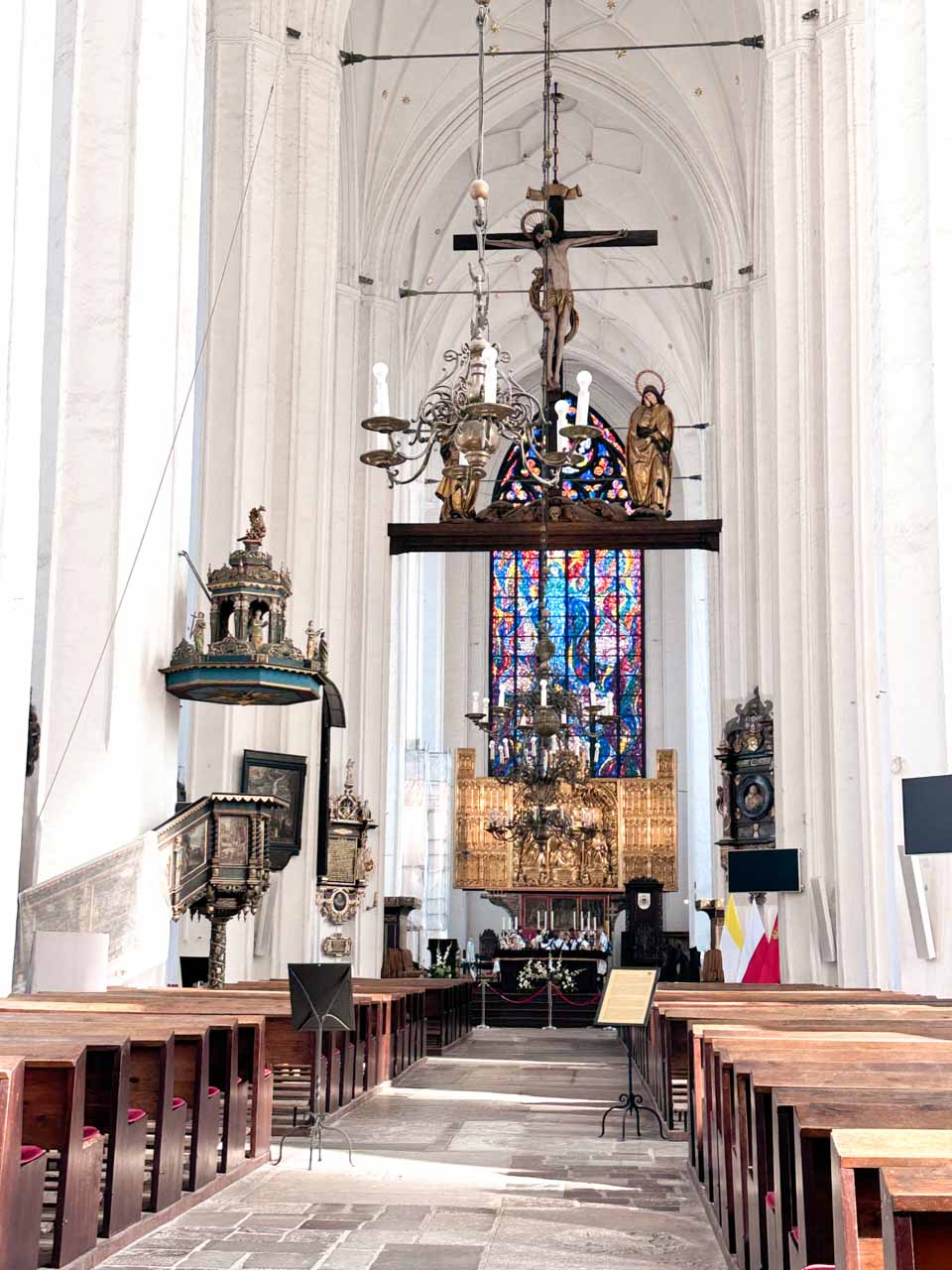
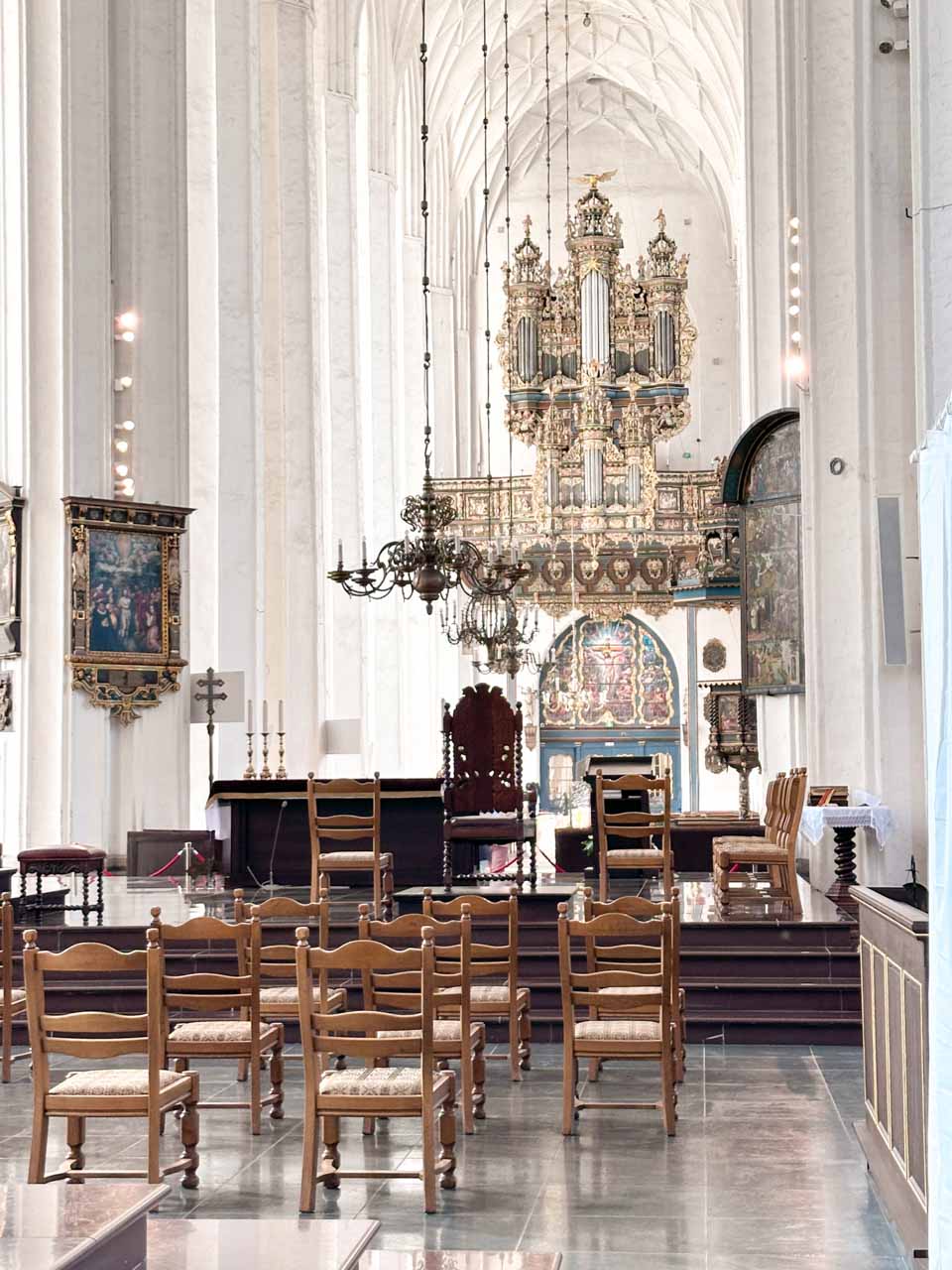
St. Mary’s Church is one of the three largest brick churches in the entire world. It can fit up to 25,000 people, and once you step inside, you’ll immediately see just how massive the space is. The church is over 100 metres long, 66 metres wide, and nearly 80 metres high – and it took 159 years to build.
Inside, you’ll find more than 30 altars, many of them beautifully decorated. One of the highlights is the astronomical clock, a reconstruction of the 15th-century original. It not only tells the time, but also tracks moon phases and displays the zodiac signs. Every day at 11:57 am, the clock puts on a little show, with a wooden procession of the apostles, followed by death, Adam, and Eve.
As you walk around, you’ll notice that the floor is covered with around 400 gravestones, marking the resting places of some of Gdańsk’s most prominent citizens. If you head to the right nave, you’ll also find the tomb of Paweł Adamowicz, a long-time mayor of Gdańsk. He tragically died in 2019 after being stabbed on stage during the finale of a national charity event on Coal Market, where the Gdańsk Christmas Market takes place.
5. Walk down Mariacka Street
Exploring the Main City area is a joy in itself, but if there’s one street you absolutely shouldn’t miss, it’s Mariacka Street. Every local I’ve spoken to says it’s their favourite street in Gdańsk’s Main City – and I completely agree.
For the full effect, approach it from the Motława River side, entering through the Mariacka Gate. The moment the street slowly reveals itself with St. Mary’s Church rising in the background is genuinely magical – and no matter how many times I see it, it never gets old.
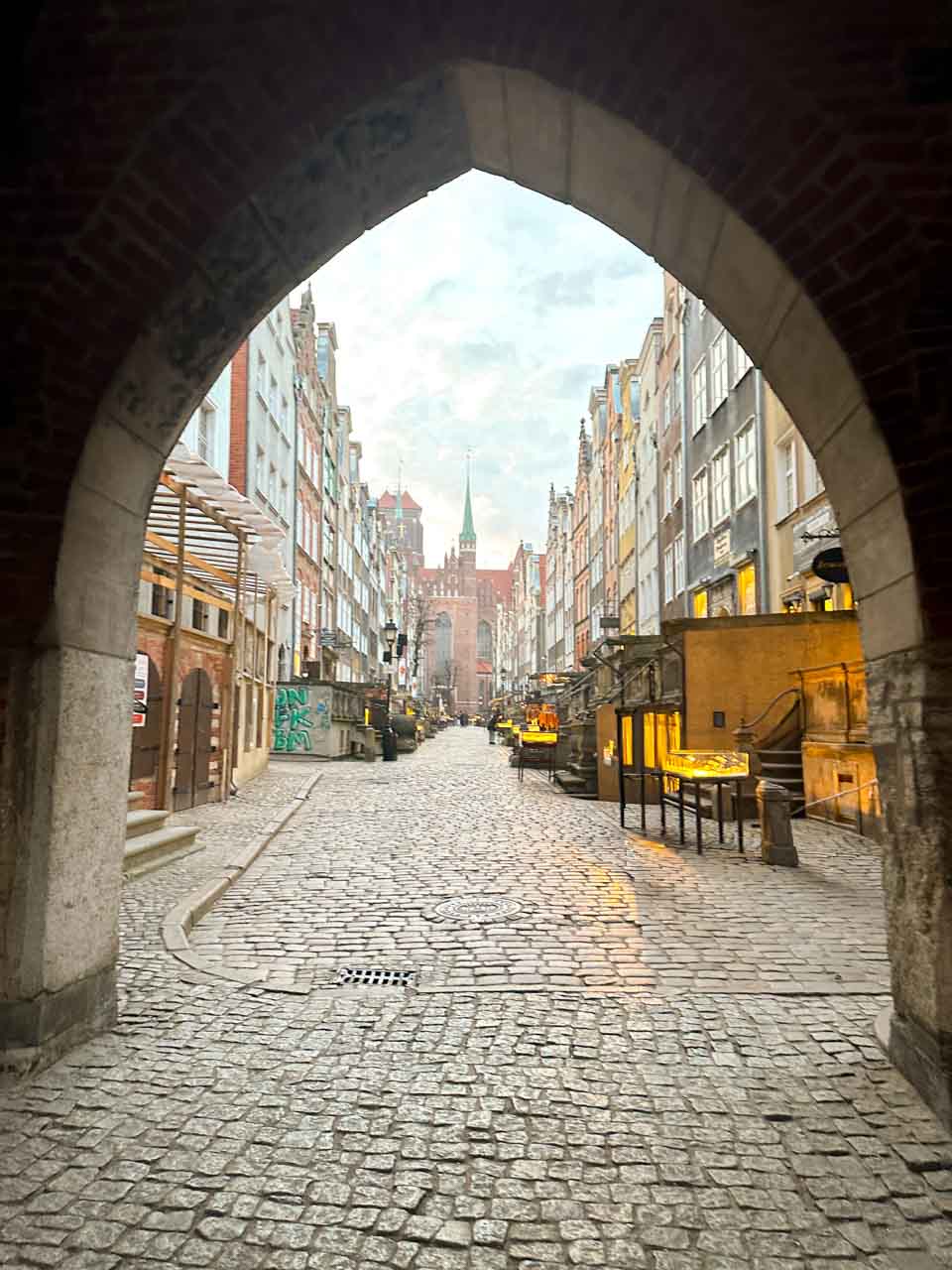
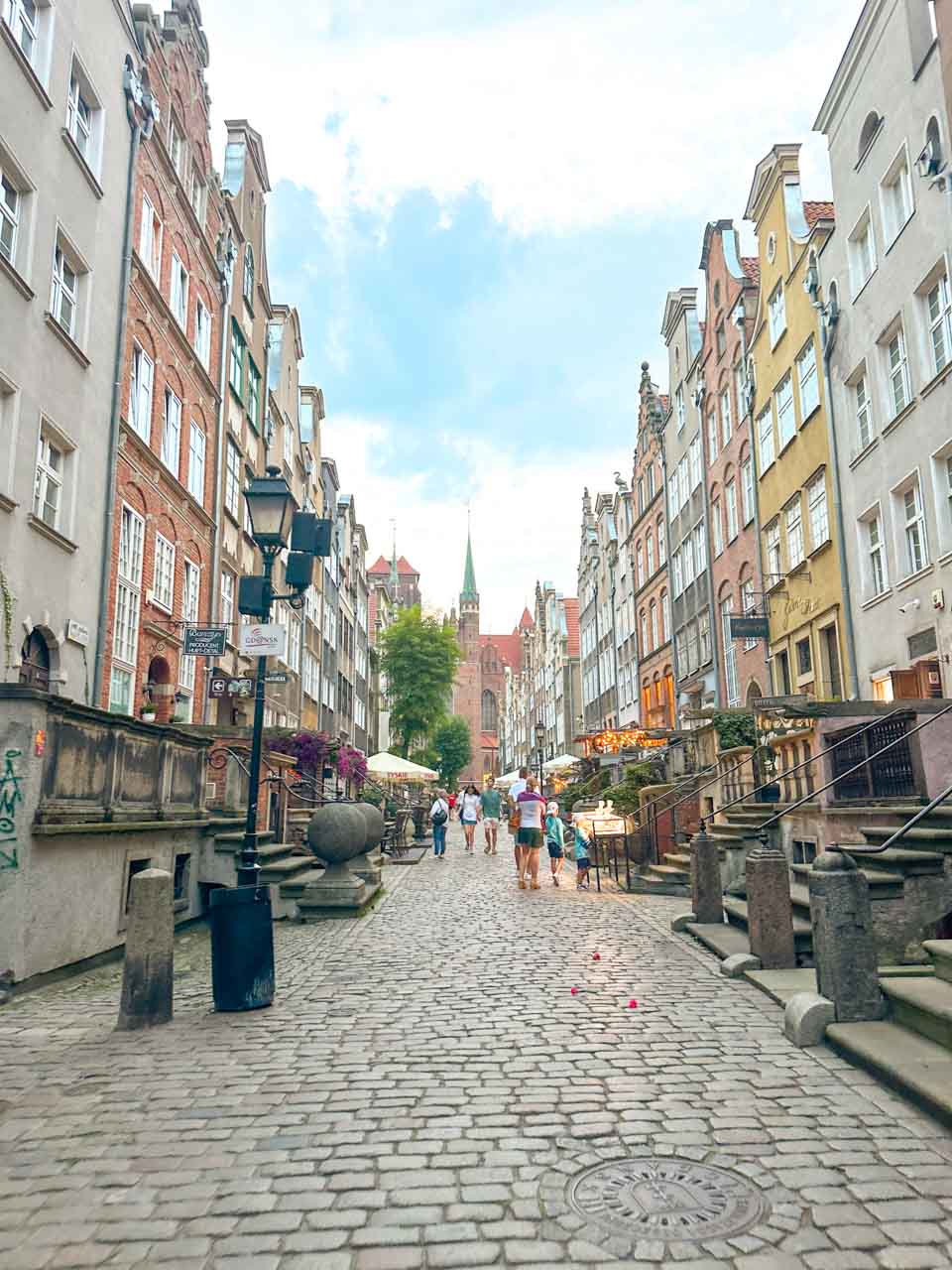
Mariacka Street is probably best known for being the heart of Gdańsk’s amber trade. You’ll find lots of little shops inside the beautiful old townhouses, and during the day, you’ll see jewellery displays set out on the street. If you’re looking to bring back some amber as a souvenir, this is the place to look around.
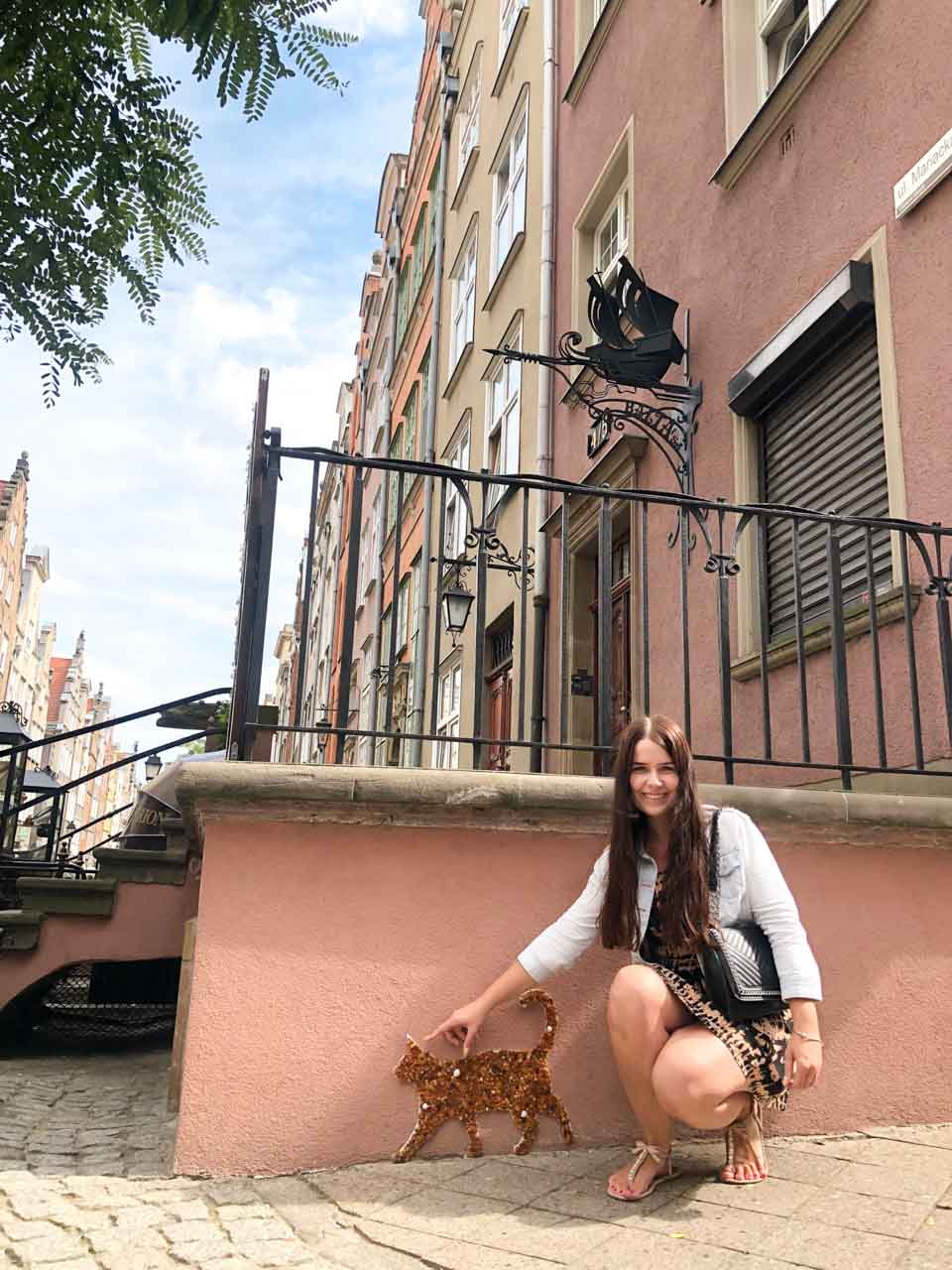
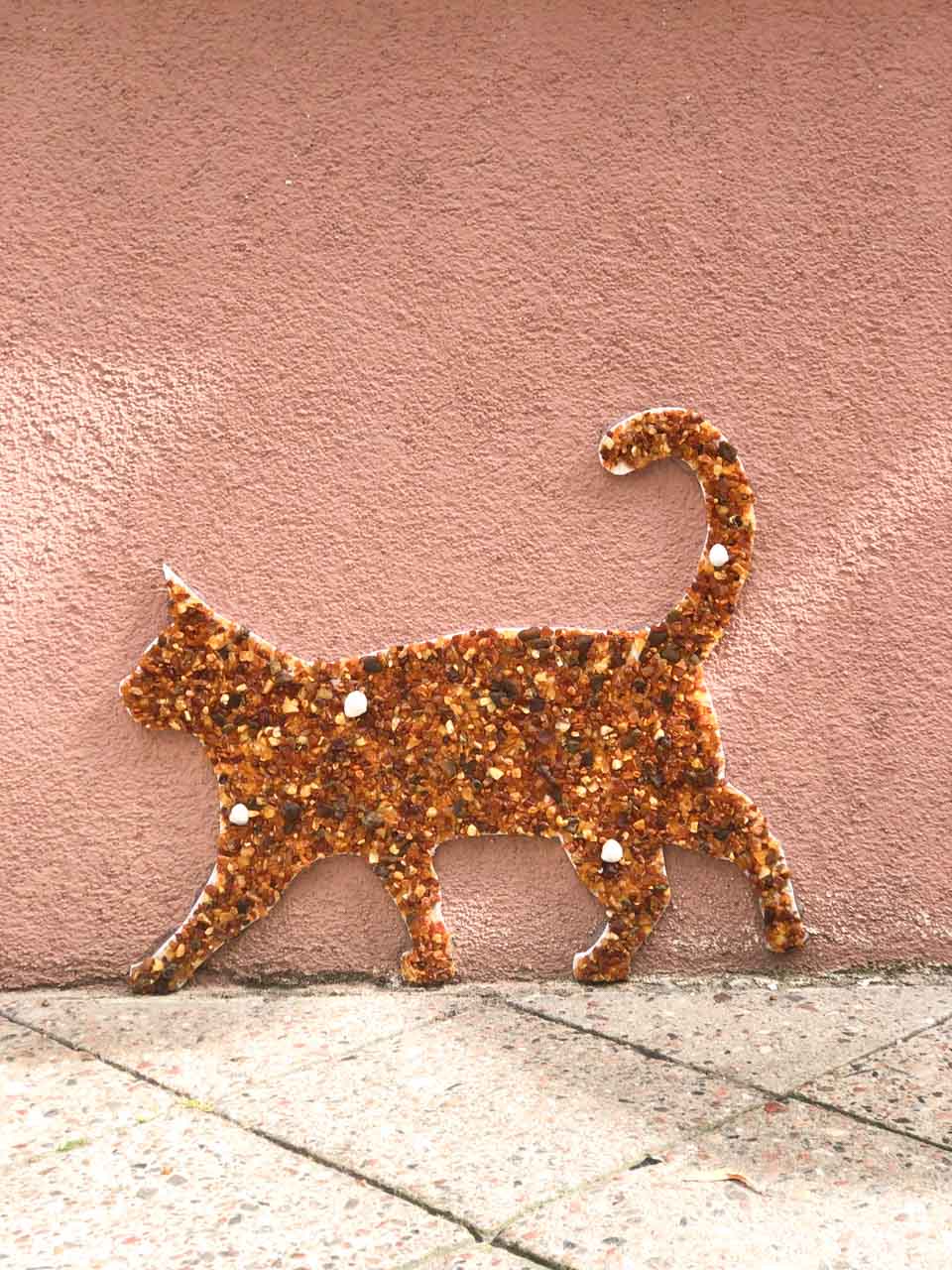
And if you fancy a break, one of my favourite cafes in Gdańsk, Drukarnia, is right here too.
6. Walk along the Motława waterfront
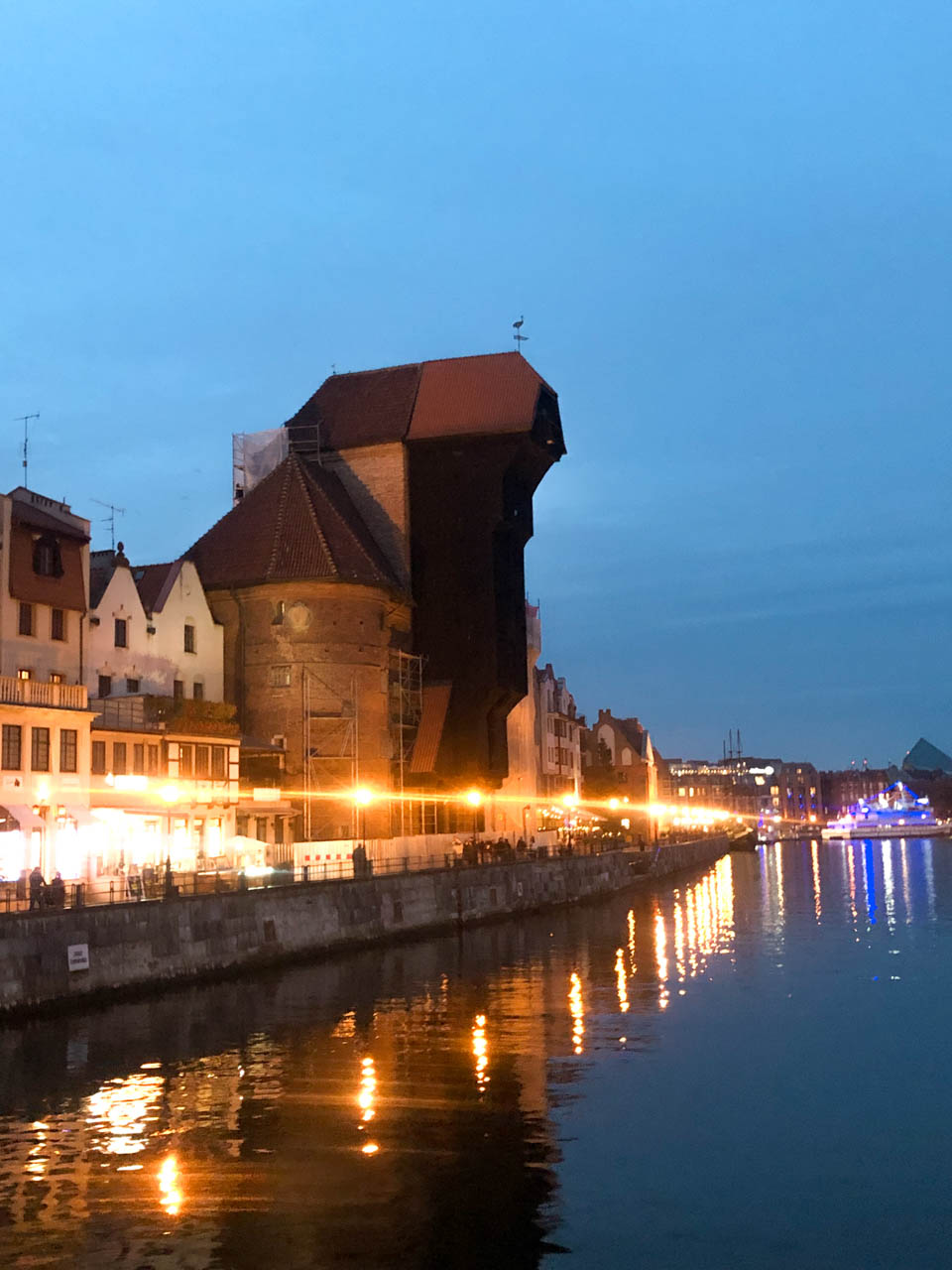
Another one of those must-do Gdańsk experiences is a walk along the Motława river waterfront.
On the left side, you’ll spot the iconic 15th-century port crane – one of the city’s most recognisable landmarks. It used to be the largest port crane in medieval Europe, and today it houses a branch of the National Maritime Museum. I wouldn’t call it a must-see, but if you’re curious about Gdańsk’s shipbuilding history, maritime trade, or what life looked like in a medieval port city, it’s worth popping in.
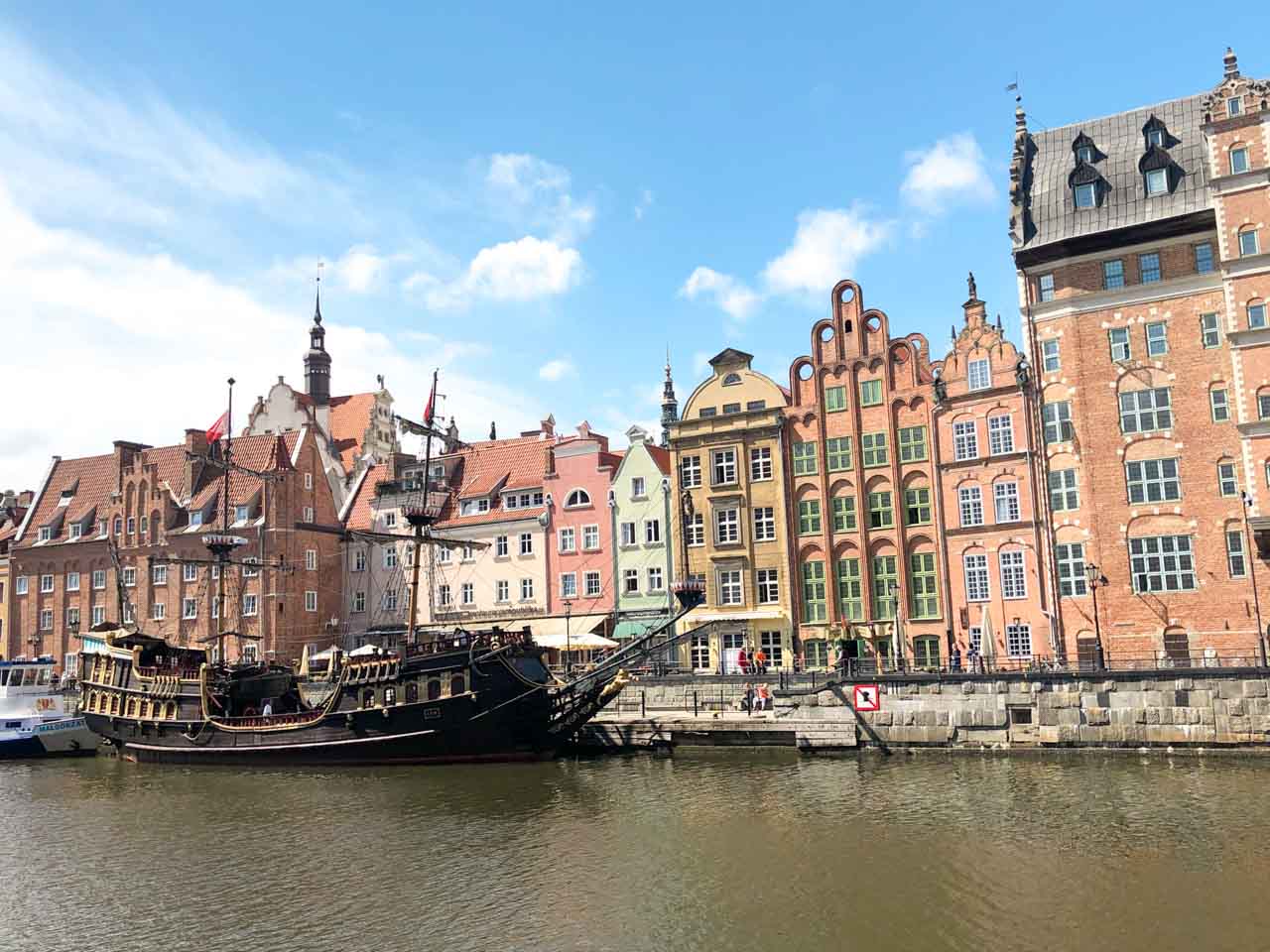
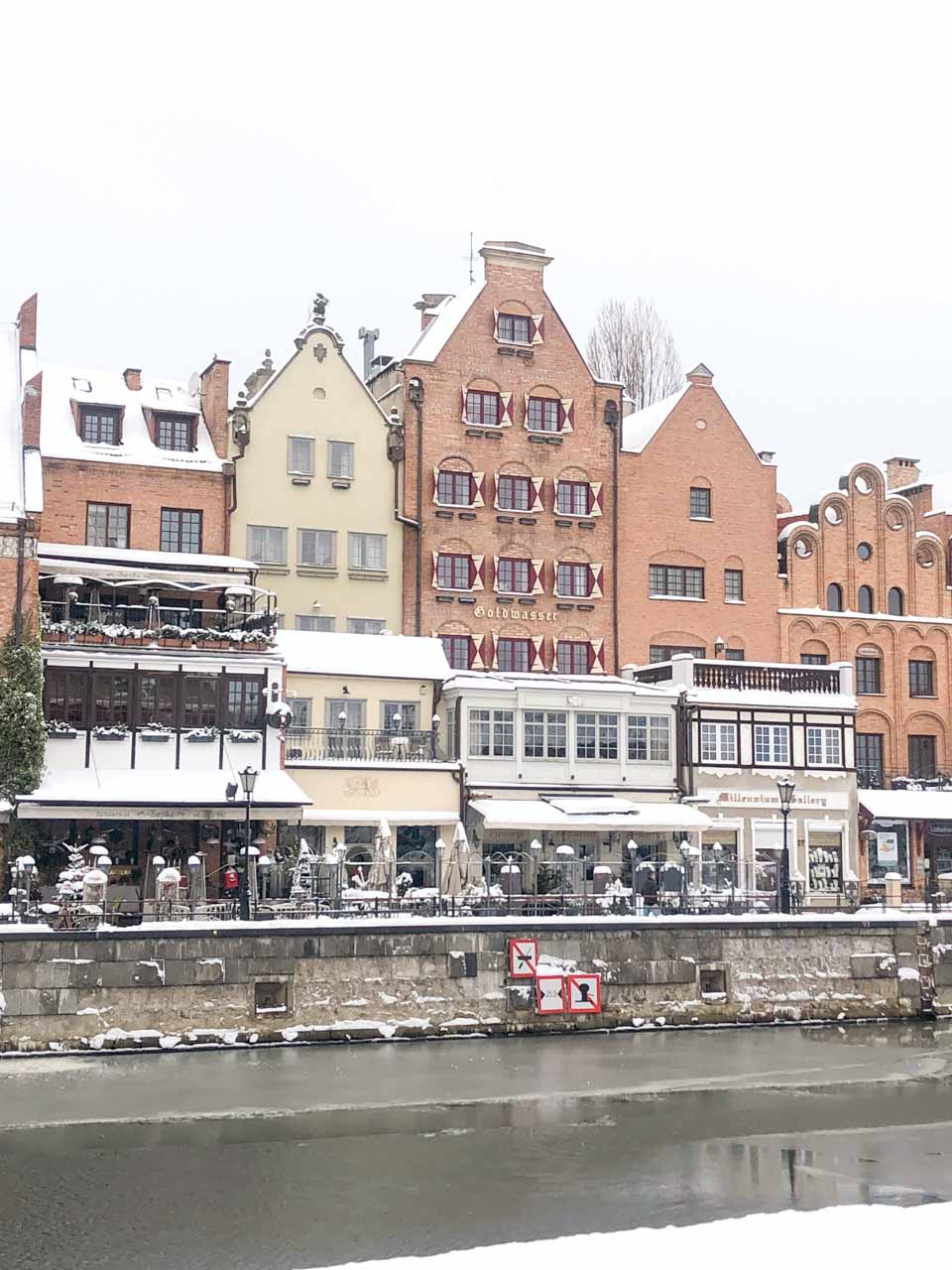
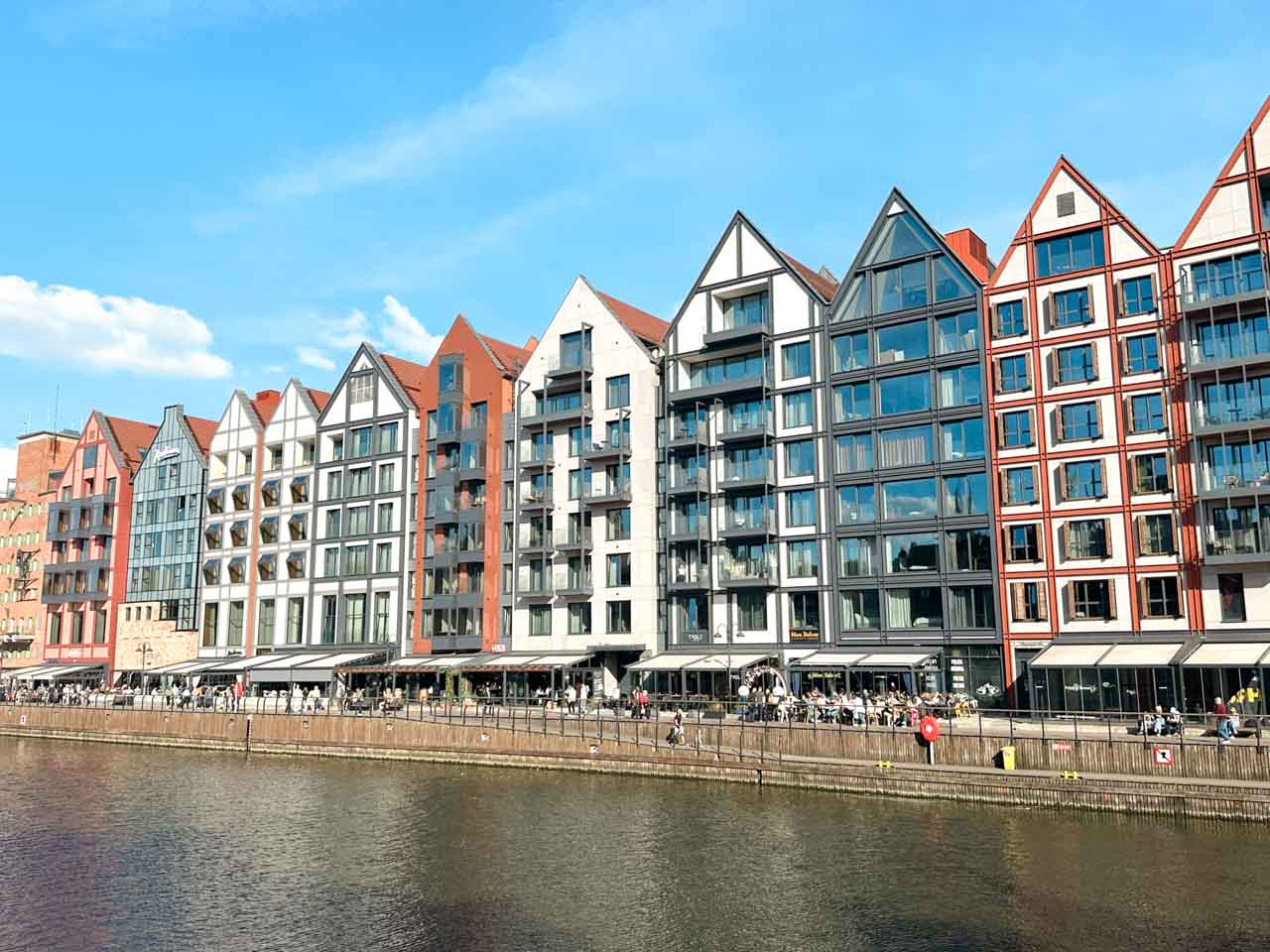
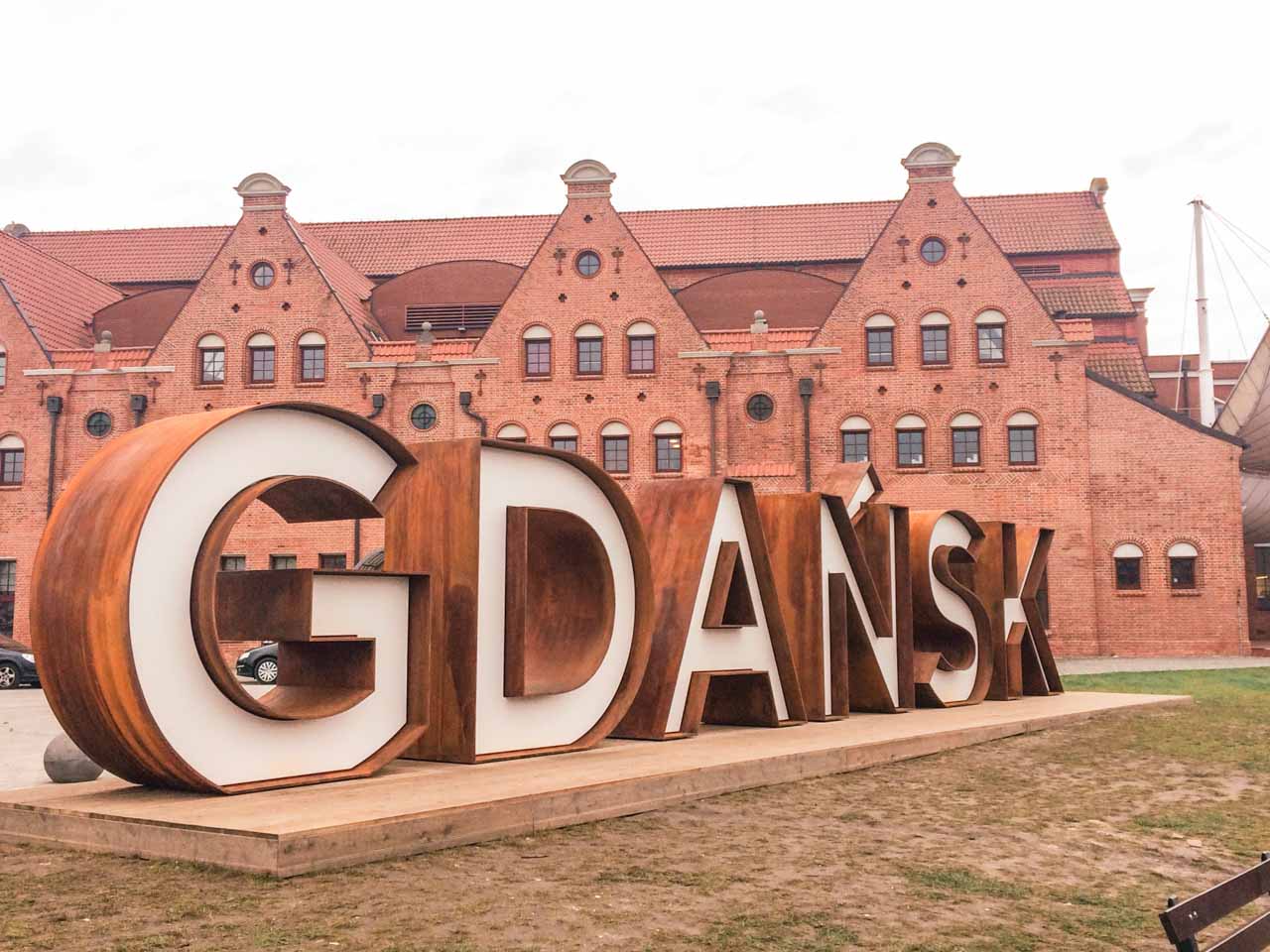
Across the river, you’ll see Granary Island, with a mix of restored granaries, modern hotels, and waterfront restaurants. Keep walking a little further and you’ll reach yet another island – Ołowianka – home to the philharmonic and the big Gdańsk sign.
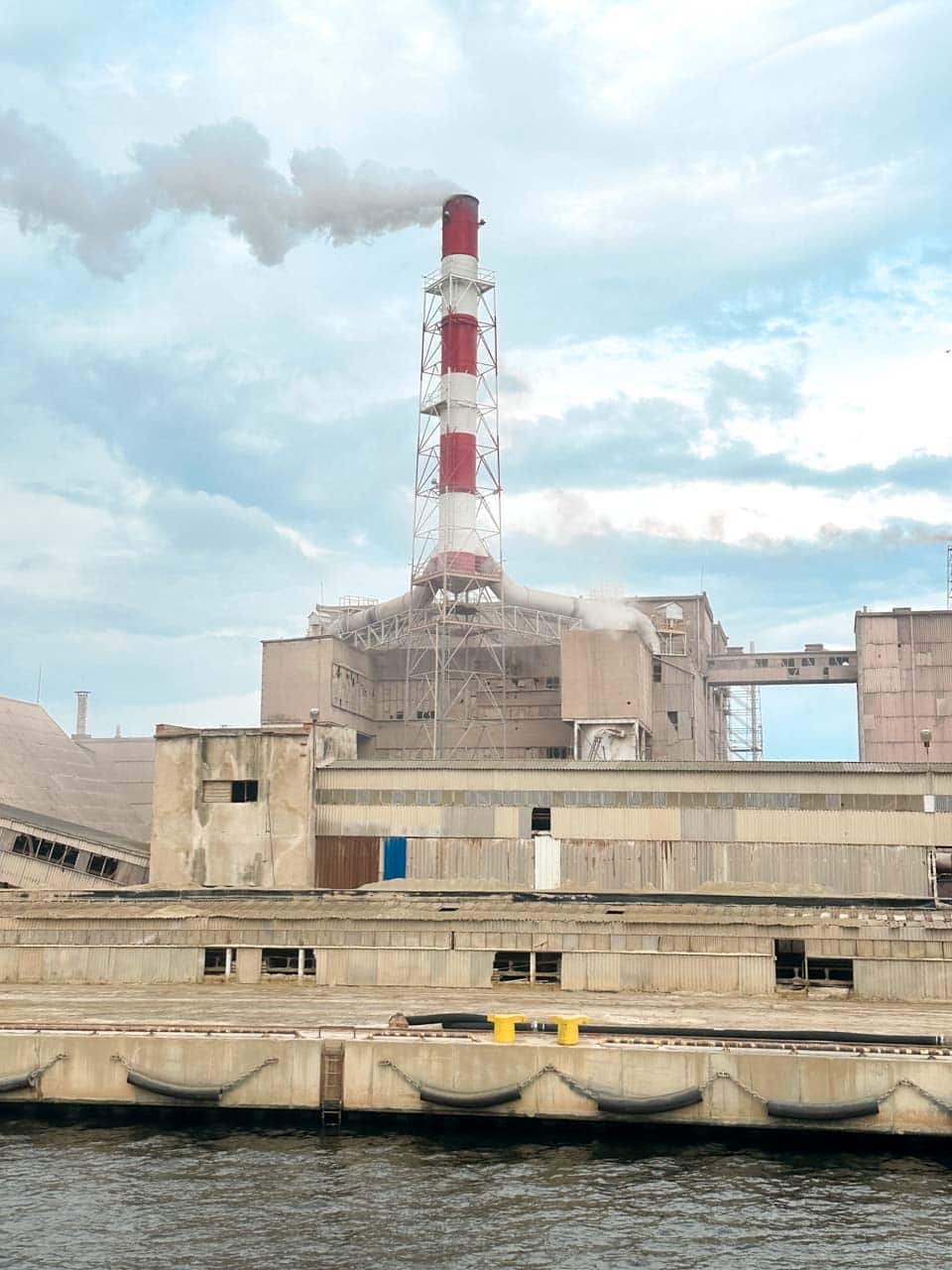
As much as I love boat trips, I wouldn’t recommend a cruise here. To get out into open sea, you first have to pass the shipyard and container terminals, so the views aren’t exactly postcard material. And definitely steer clear of one company in particular – Galar Gdański – where you’re taken out on a small raft-style boat with no life jackets. Back in 2022, several people tragically lost their lives, and nothing’s really changed since.
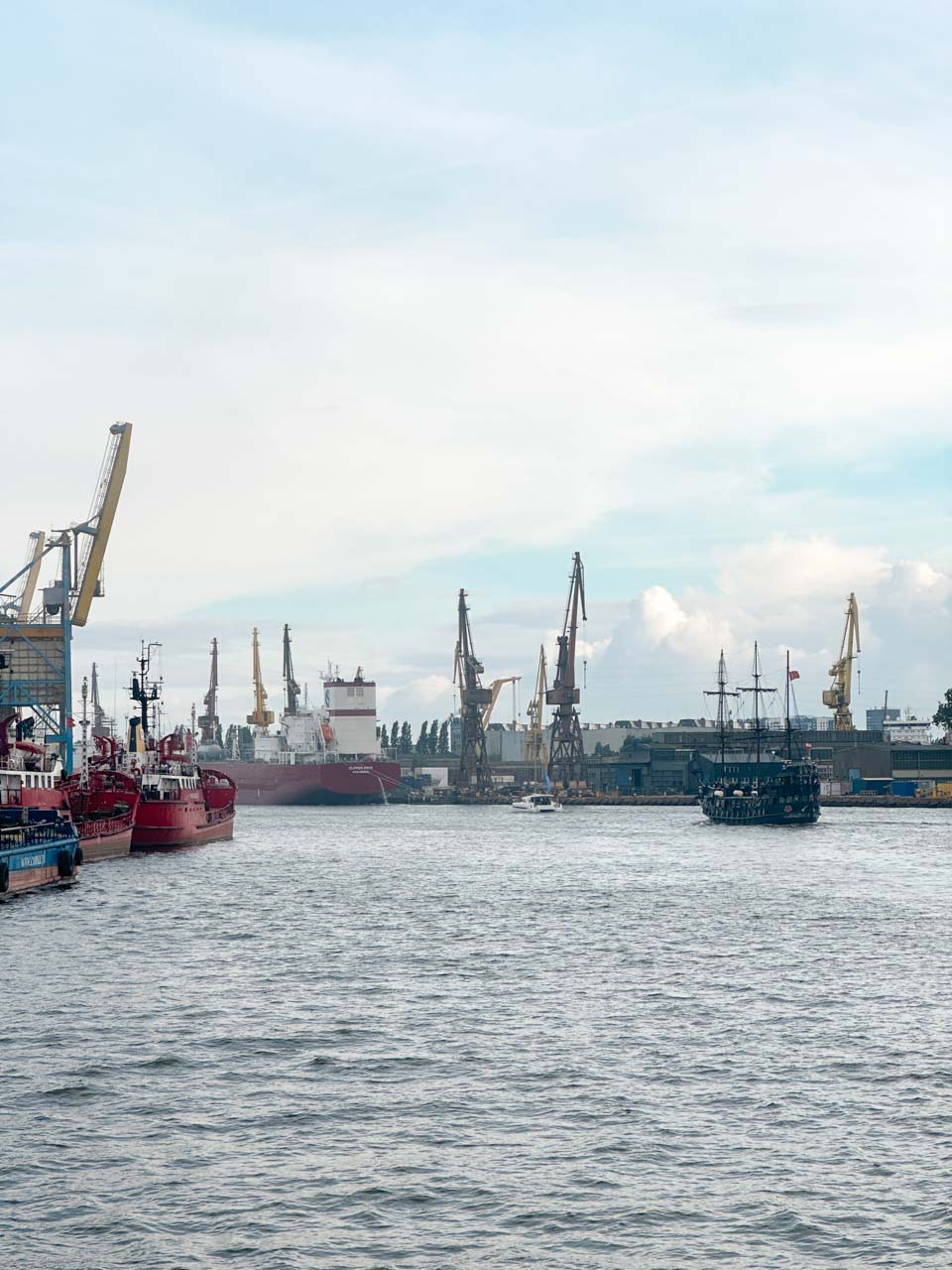
The cruise to Westerplatte is also quite pricey for what it is. You’re honestly better off getting there by bus or taxi. The one exception I’d make is the cruise to Hel at the tip of the peninsula – or, if you’re after something scenic and a bit fancy, reach out to the Chleb i Wino restaurant. They offer dinner on a boat, and the cruise comes included in the price of your meal!
7. Tour the Museum of the Second World War
Most people know how devastating WWII was for Poland – but what many don’t realise is that it actually started right here in Gdańsk. Yes, the very first shots were fired in this city (I’ll tell you exactly where later in the guide), and most of what you see in the Main City today had to be rebuilt from the rubble.
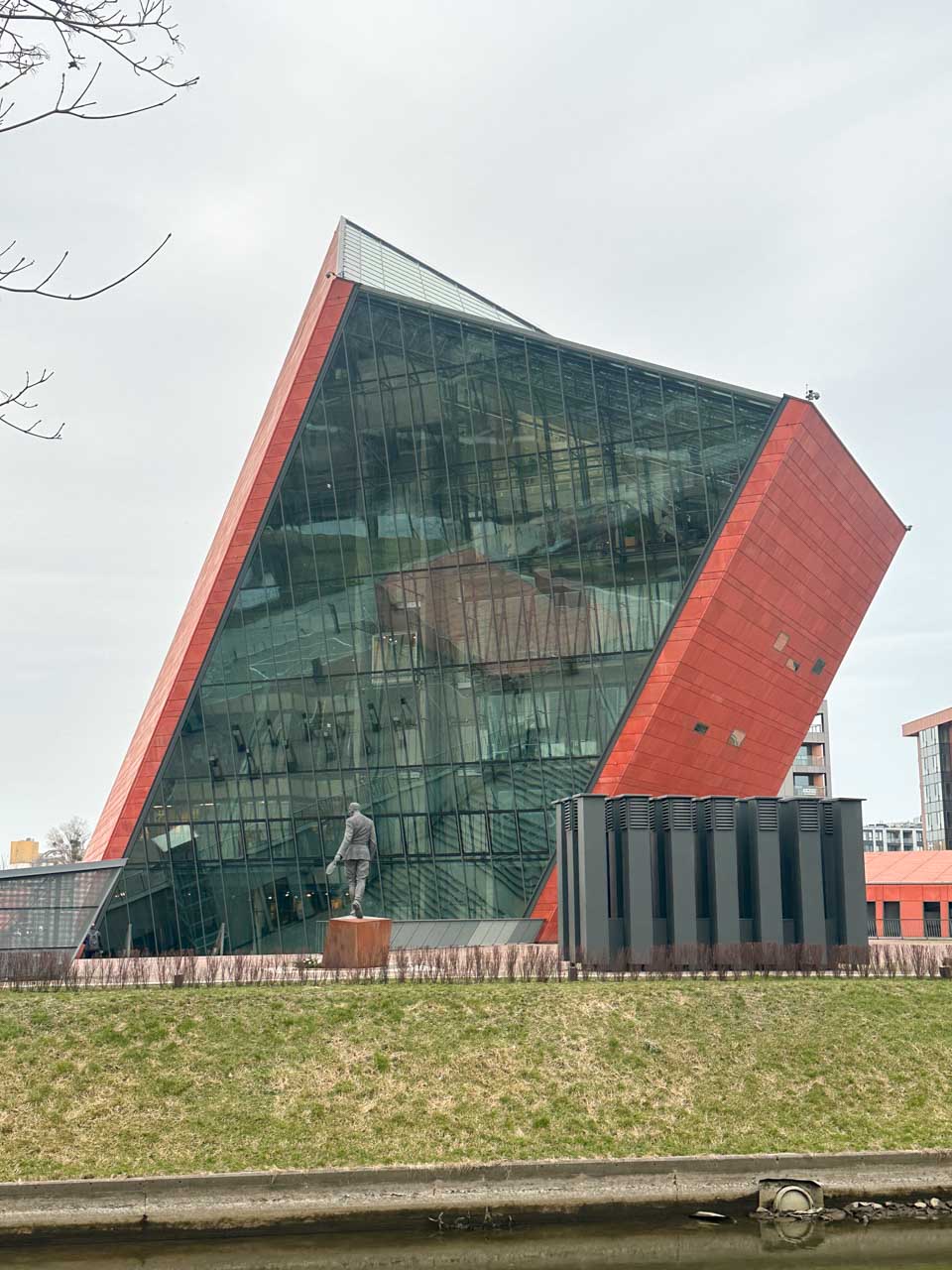
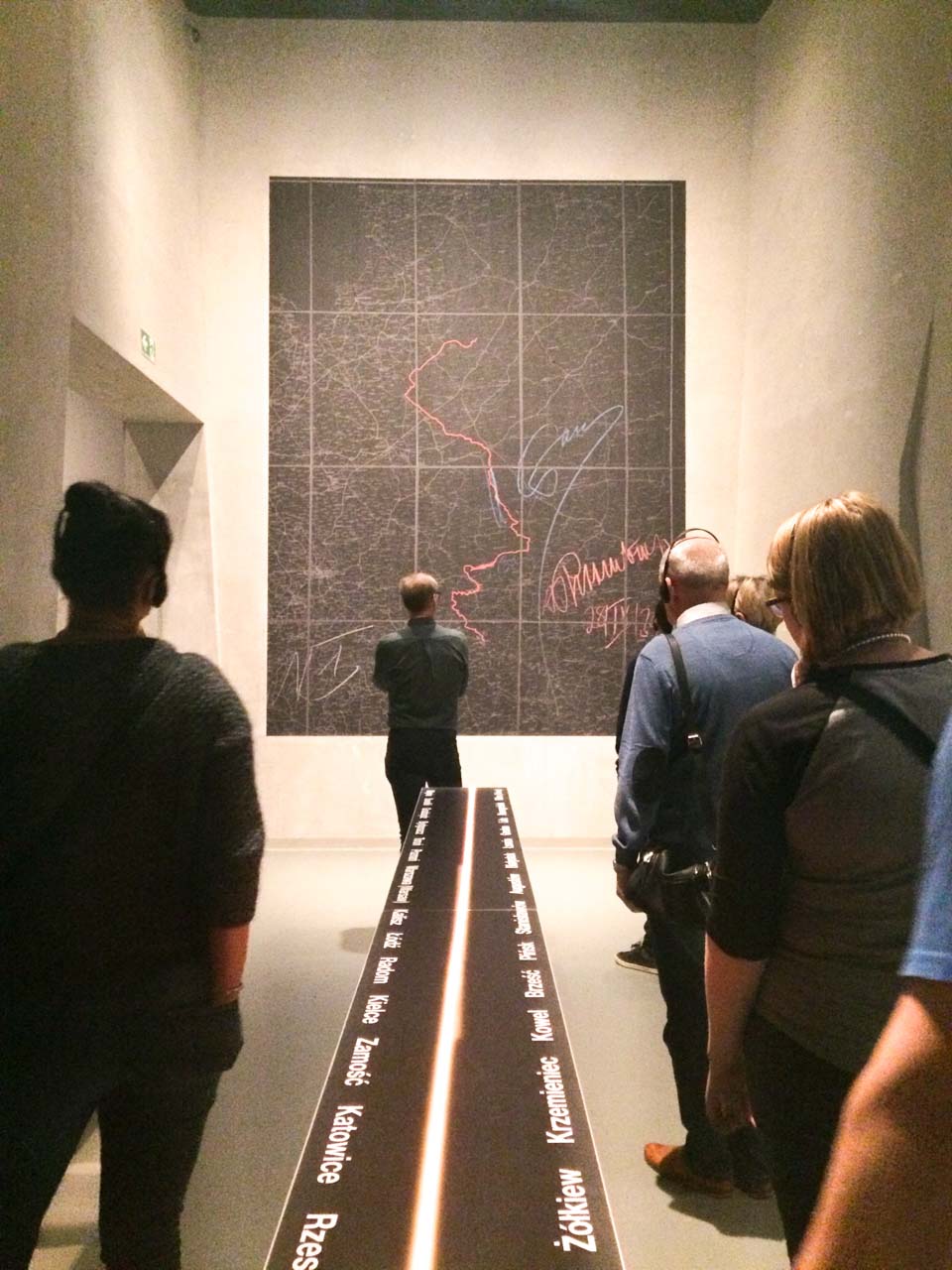
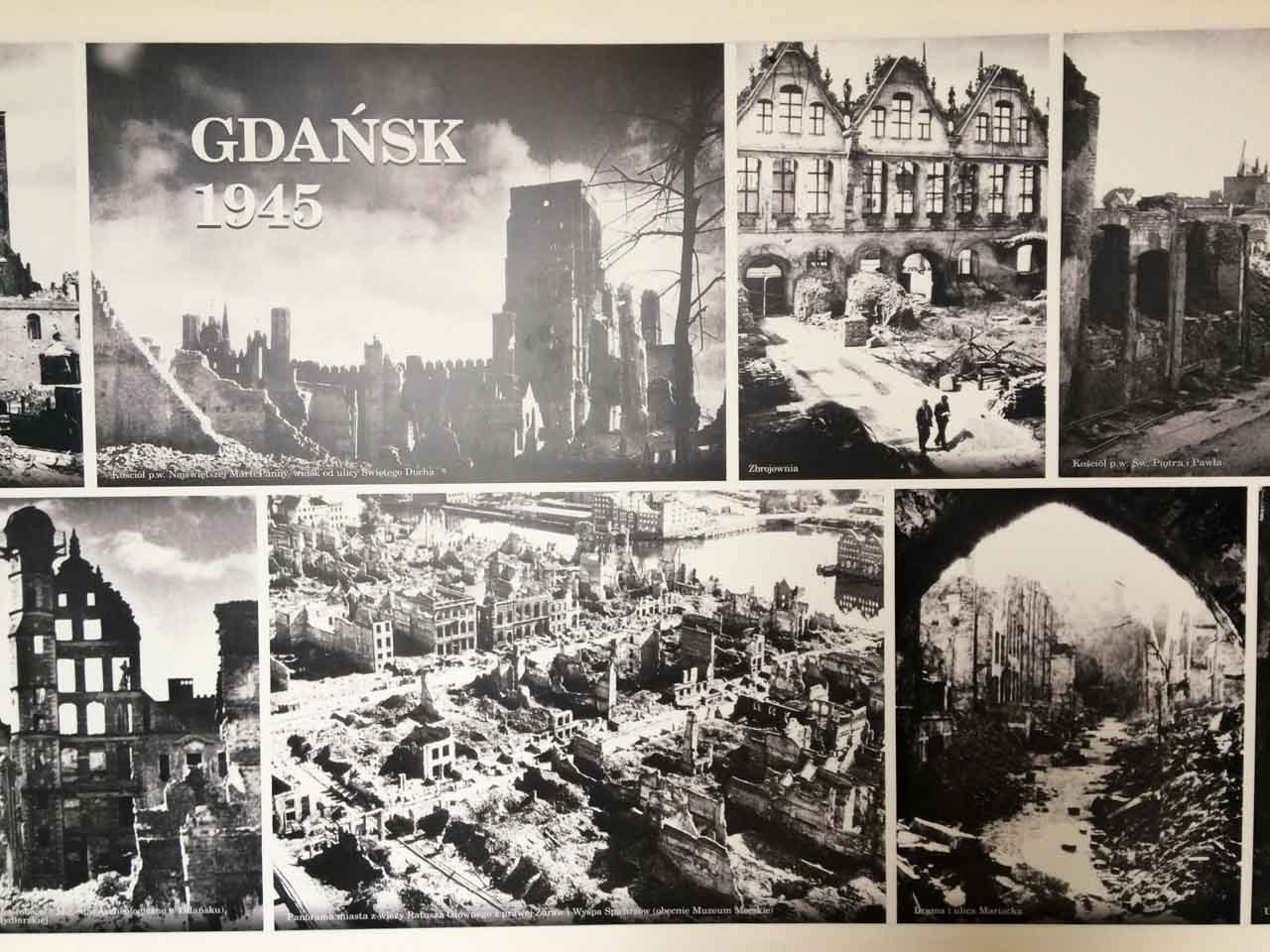
There are two museums in Gdańsk that I think everyone should visit if they want to understand the city’s – and Poland’s – history. This is one of them. I spent several hours walking around the exhibition and still felt like I barely scratched the surface. It’s incredibly well done and absolutely worth your time.
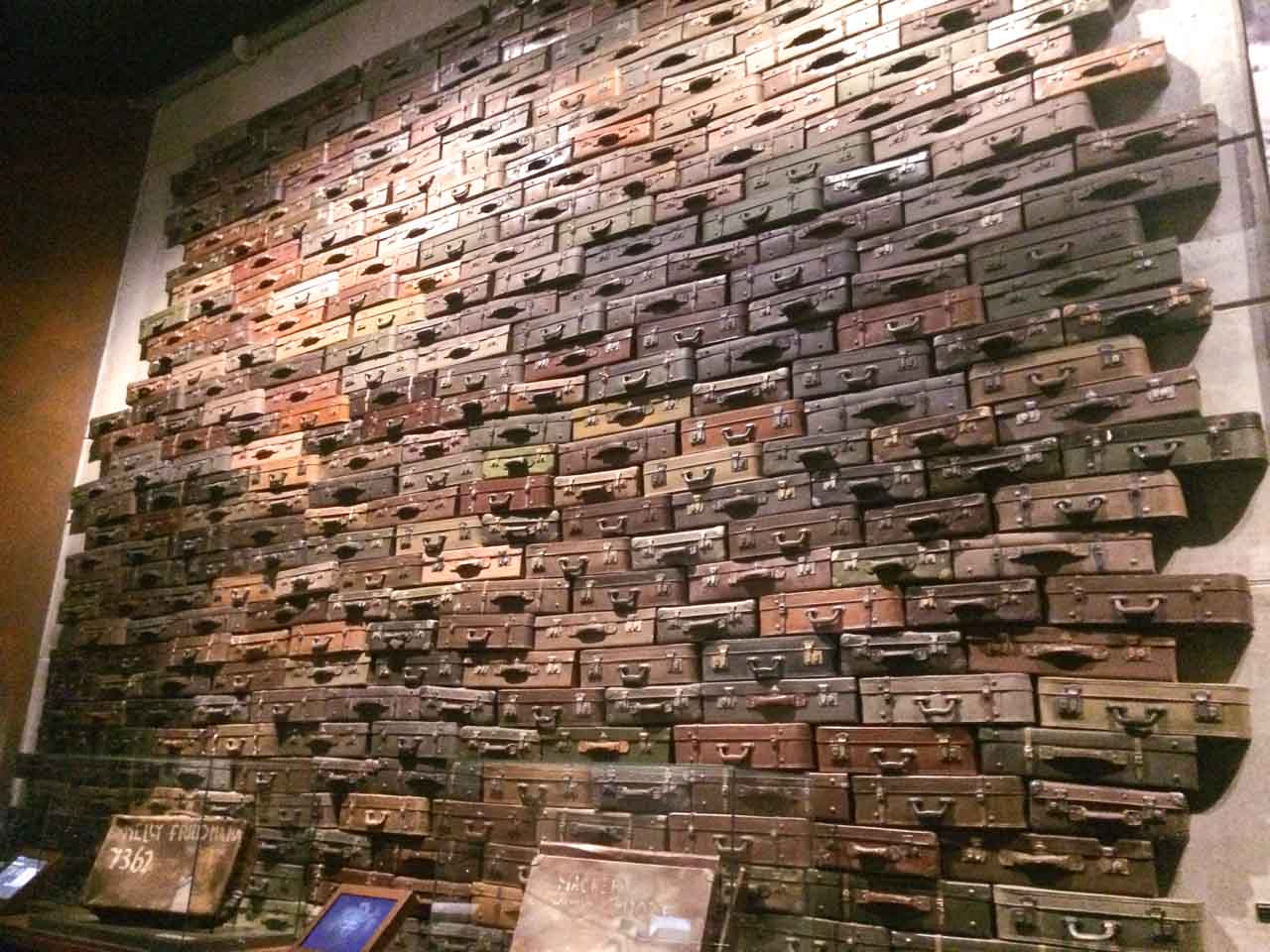
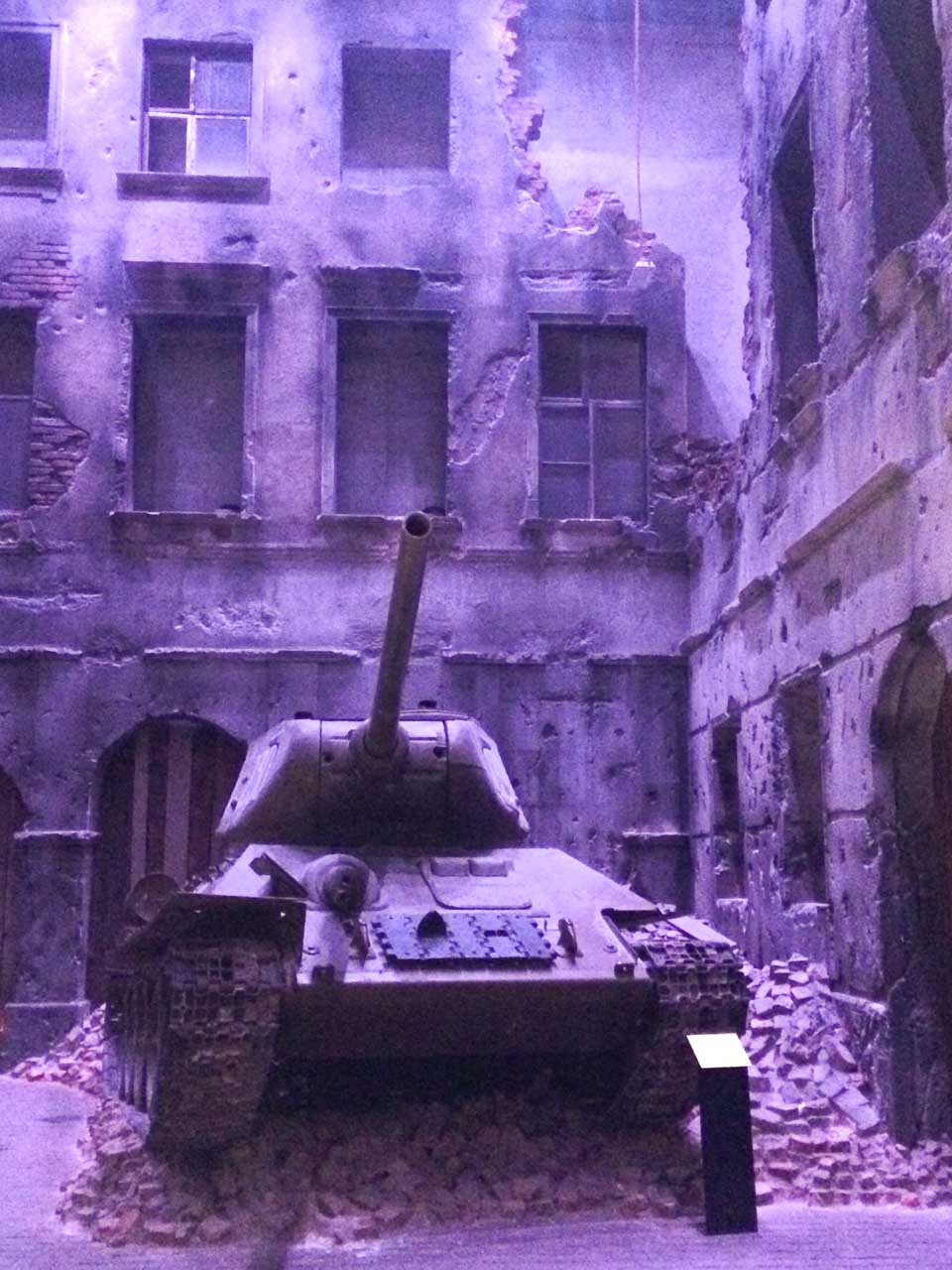

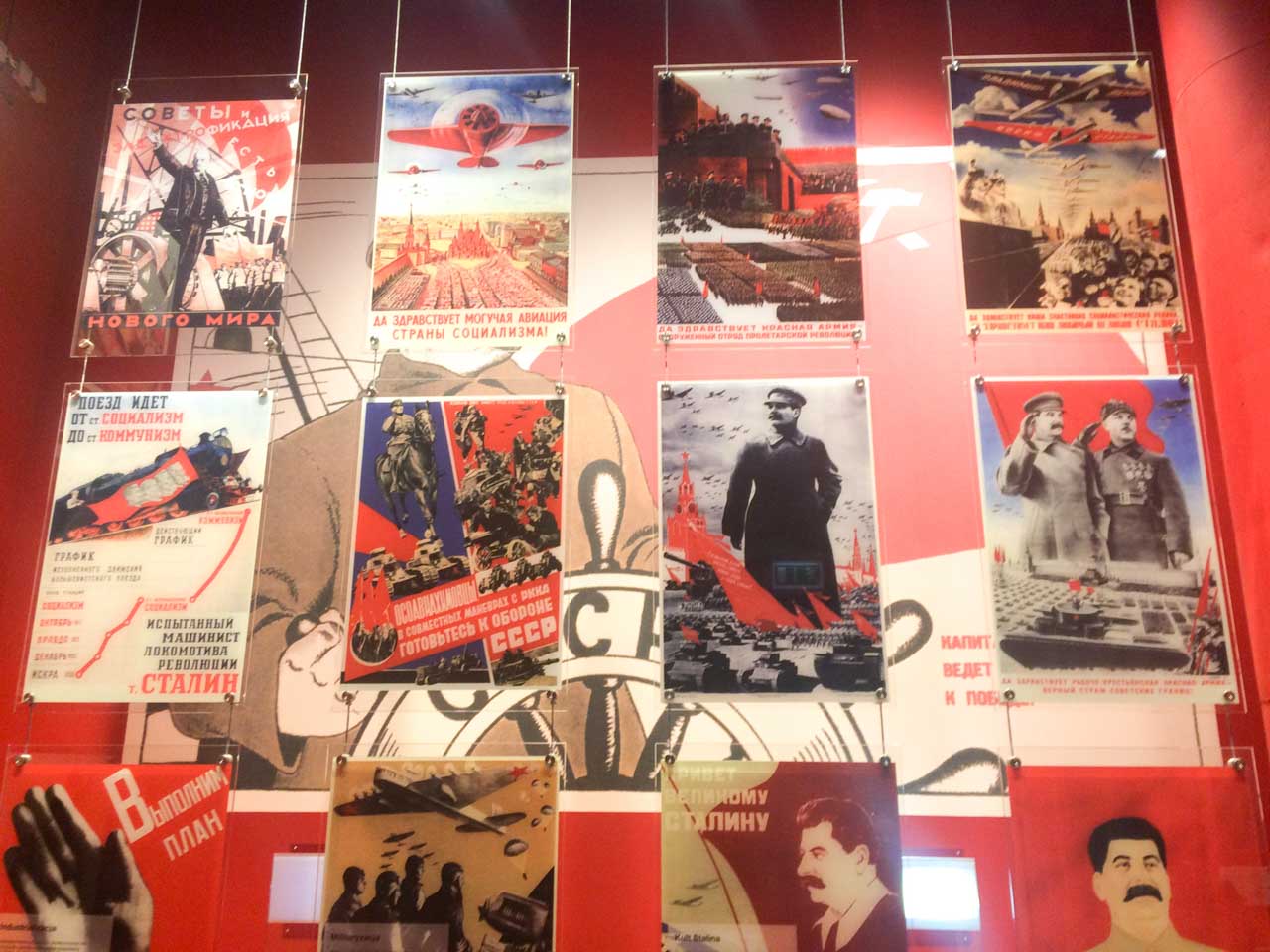
A regular ticket costs 32 PLN (about €7.50 or £6.50), and you can pay a bit more for an audioguide or join a guided tour. If you’re looking to save some money, entry is free on Tuesdays – but heads up, the museum closes earlier on those days (4 pm).
8. Understand Gdańsk’s role in ending communism
The second museum I think you shouldn’t miss if you want to get a proper sense of Gdańsk’s (and Poland’s) history is the European Solidarity Centre.
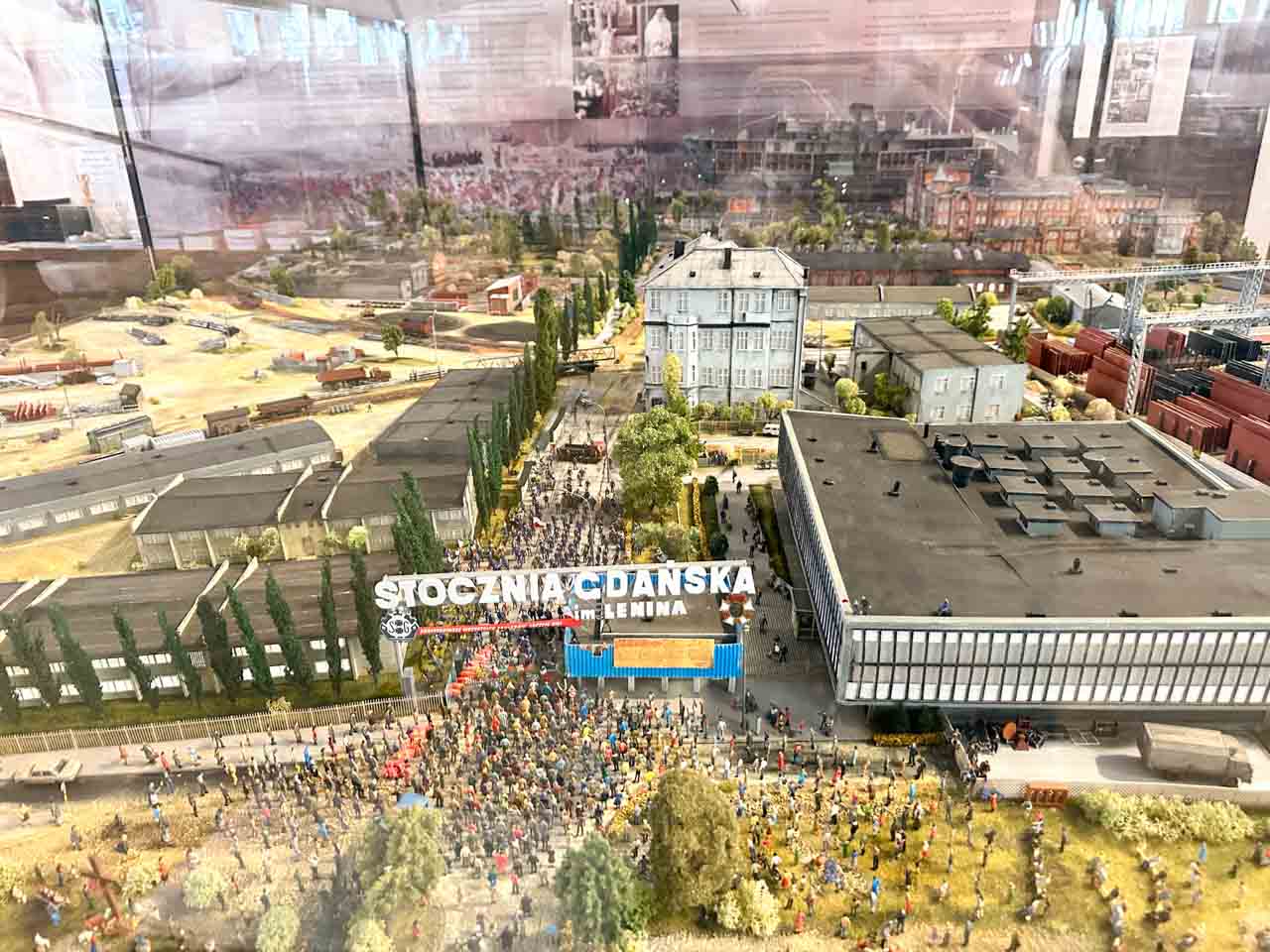
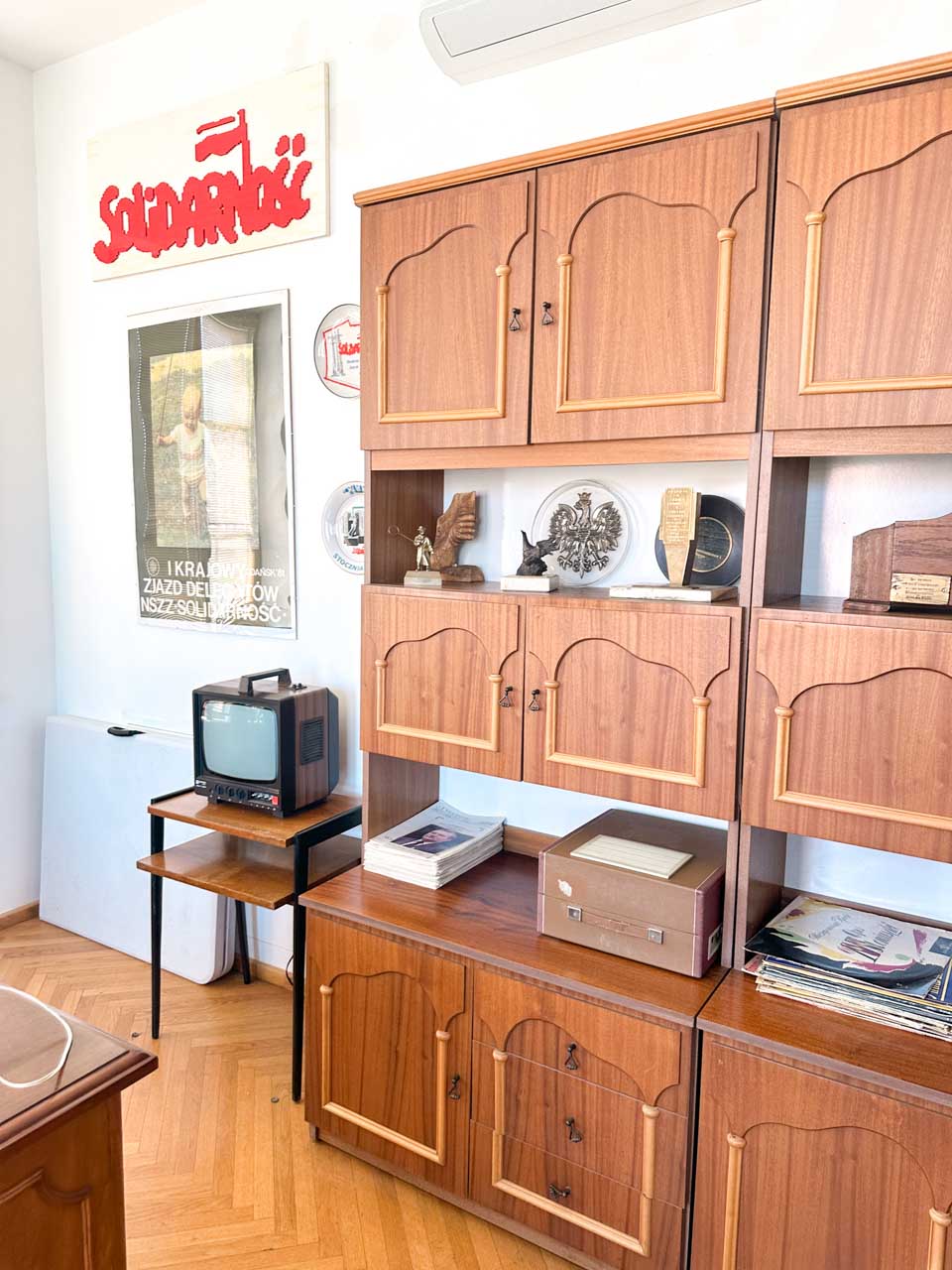
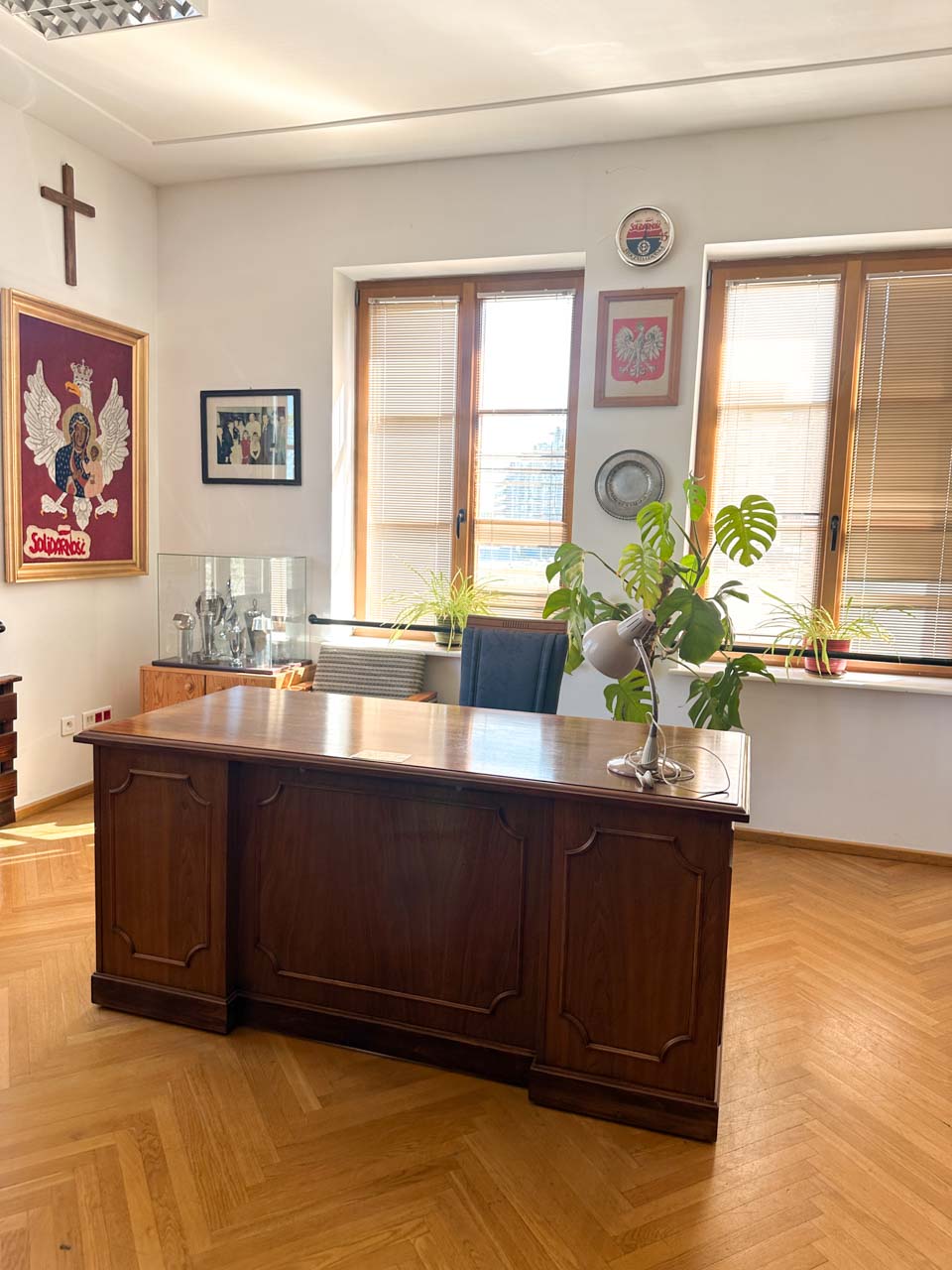
It tells the story of the Solidarity Movement – a workers’ movement that began in the Gdańsk Shipyard in the 1980s and ended up playing a massive role in bringing down communist rule in Poland.
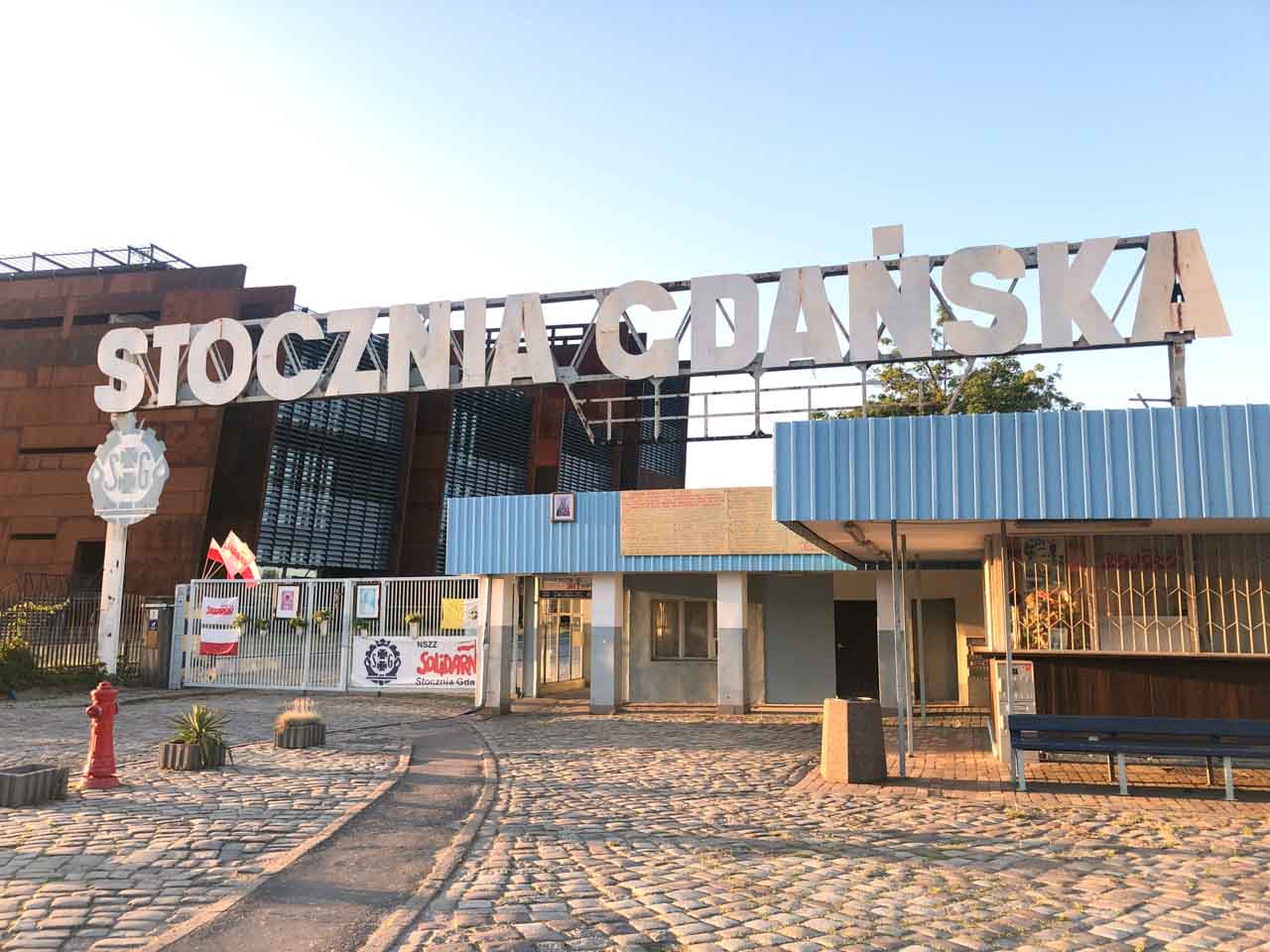
What started as a strike over poor working conditions quickly snowballed into something much bigger. The workers wrote up 21 demands, including the right to form independent trade unions, freedom of speech, and access to the media. They nailed them to the shipyard gates on wooden boards – and you can still see those exact boards inside the museum.
The face of the movement was Lech Wałęsa, an electrician at the shipyard who went on to win the Nobel Peace Prize and later became President of Poland. But it wasn’t just about him – it was a huge grassroots effort involving millions of ordinary people who simply wanted change.
The museum does a brilliant job of showing how a workers’ strike helped shake an entire political system. It’s open every day except Tuesday, and a regular ticket costs 35 PLN (around €8.20 or £7.20). If you’re on a budget, you can go up to the panoramic terrace on the 6th floor for free. The view’s not life-changing, but it’s still a nice stop if you’re in the area.
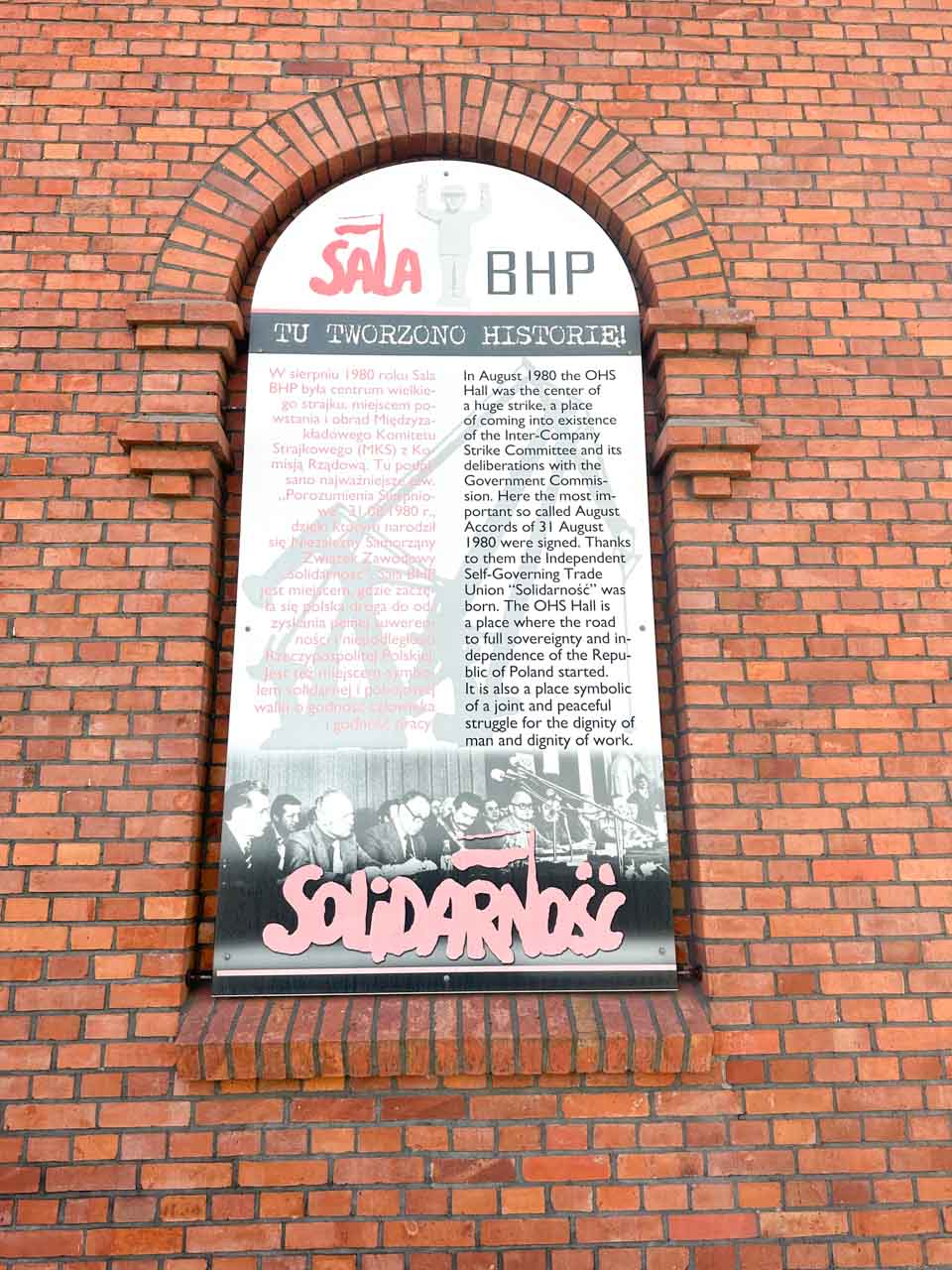
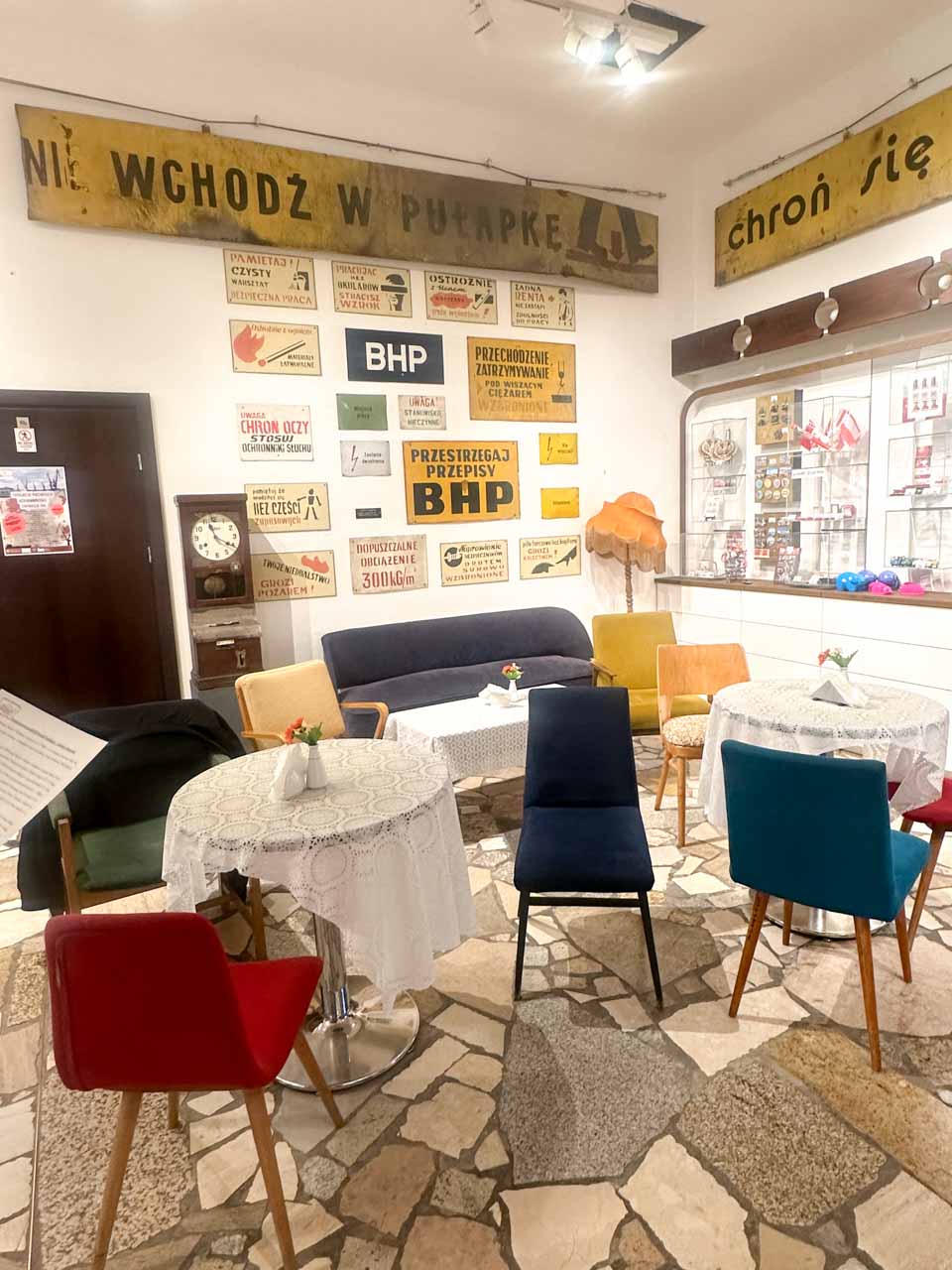
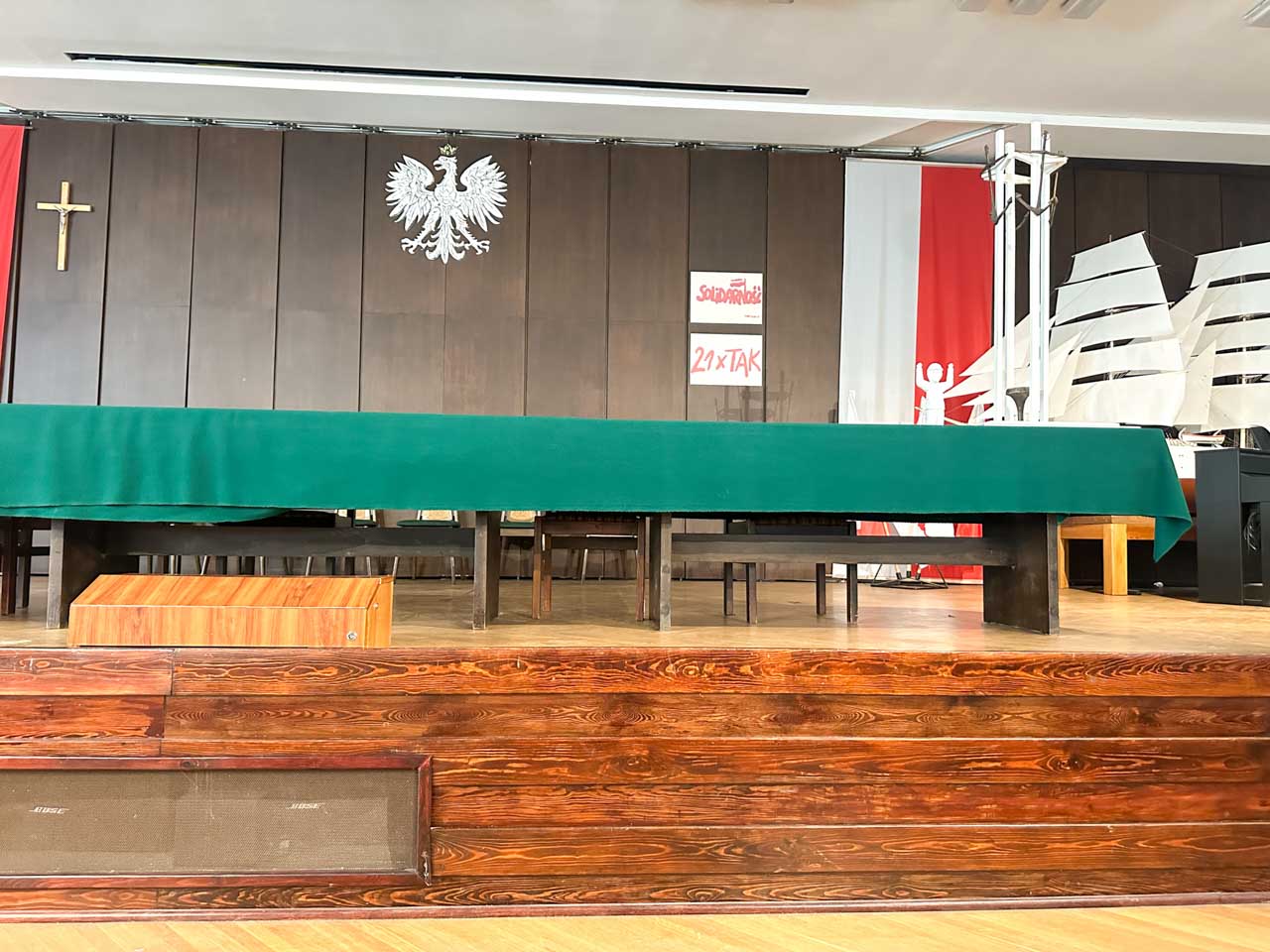
Just a few steps away from the museum, you can also visit the BHP Hall for free. That’s where the famous agreements between the workers and the communist government were signed. There’s a small exhibit with photos from the time, plus a café if you fancy a snack.
9. Visit the place where WWII began
Westerplatte is the place where the very first shots of the Second World War were fired – just before 5am on 1 September 1939.
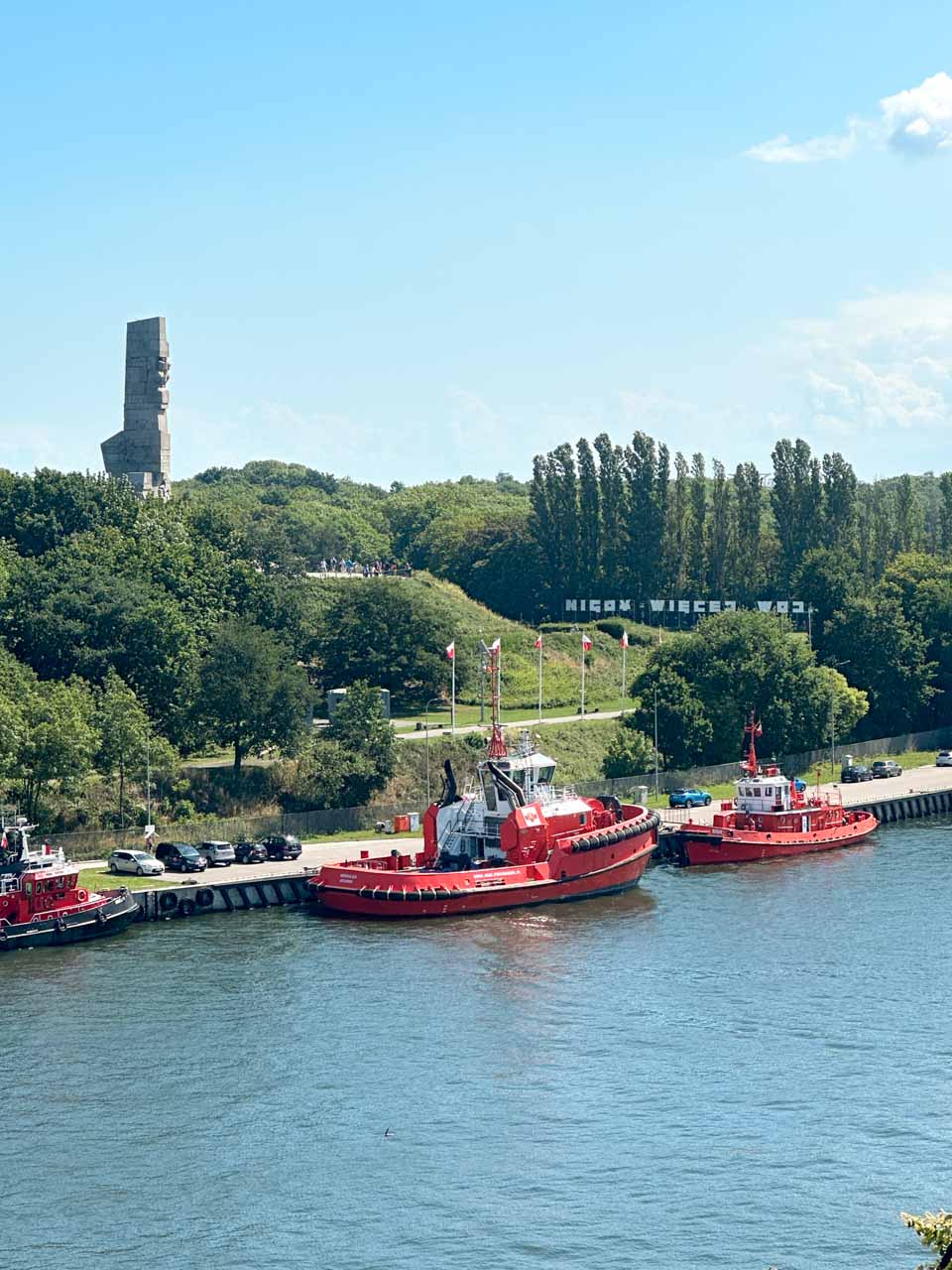

Back then, it was a small Polish military outpost on a peninsula at the entrance to Gdańsk’s port. The German forces launched a surprise attack from the battleship Schleswig-Holstein, and although the Polish defenders were massively outnumbered, they held out for seven days before finally surrendering.
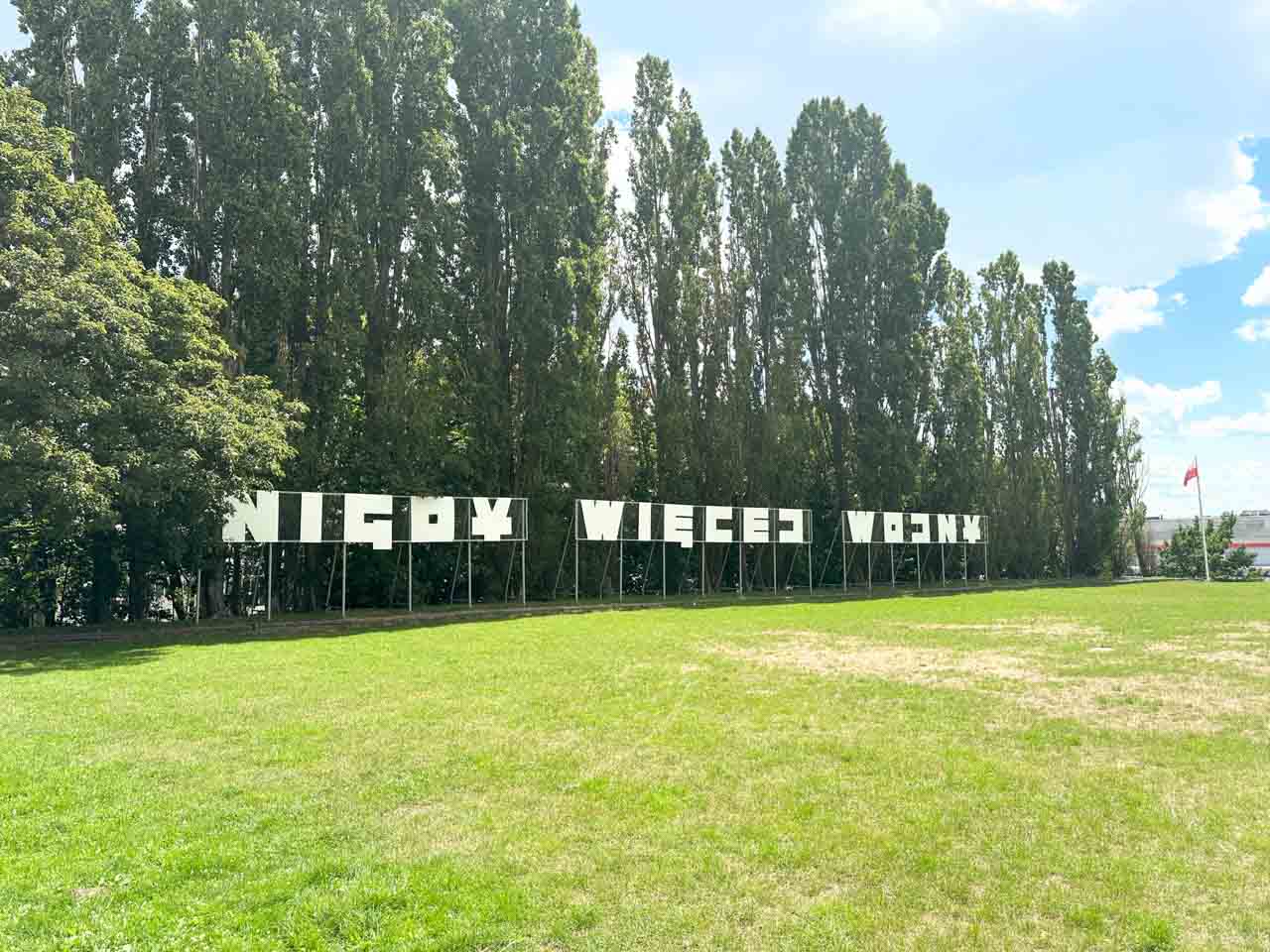
Today, Westerplatte is a memorial and open-air museum. You can walk through the remains of the guardhouses, explore the ruins of the old barracks, and see the massive stone monument honouring the defenders of the coast. There’s also a large sign that reads Nigdy więcej wojny – “No more war” – which feels even more powerful and heartbreaking given what’s happening in the world today.
The site itself is free to explore. You only need to pay if you want to visit the small museum inside one of the restored guardhouses (open seasonally), which includes original shells from the German battleship and other wartime artefacts, or the newer exhibition inside the Visitor Centre.
From the end of March to November, you can get there by boat from near the Green Gate – though I wouldn’t necessarily recommend it. Tickets are pricey (70 PLN / €16.50 / £14.30 one way or 90 PLN / €21.20 / £18.40 return), and the views along the route aren’t particularly exciting. A better option is to take bus 106 or 138 from the main station (and bus 606 in summer), or just grab an Uber – it should get you there in about 20 minutes and cost less than a one-way boat ticket.
10. See the Amber Altar at St. Bridget’s Church
Gdańsk, like many Polish cities, has its fair share of beautiful churches – but if there’s one I’d especially recommend visiting, it’s St. Bridget’s Church.
In the 1980s, it became known as the “church of Solidarity”, serving as a meeting point and place of comfort for those involved in the movement. During the famous shipyard strikes, it became a place of support for the workers – and when martial law was declared in 1981, it stood as a symbol of hope and resistance.
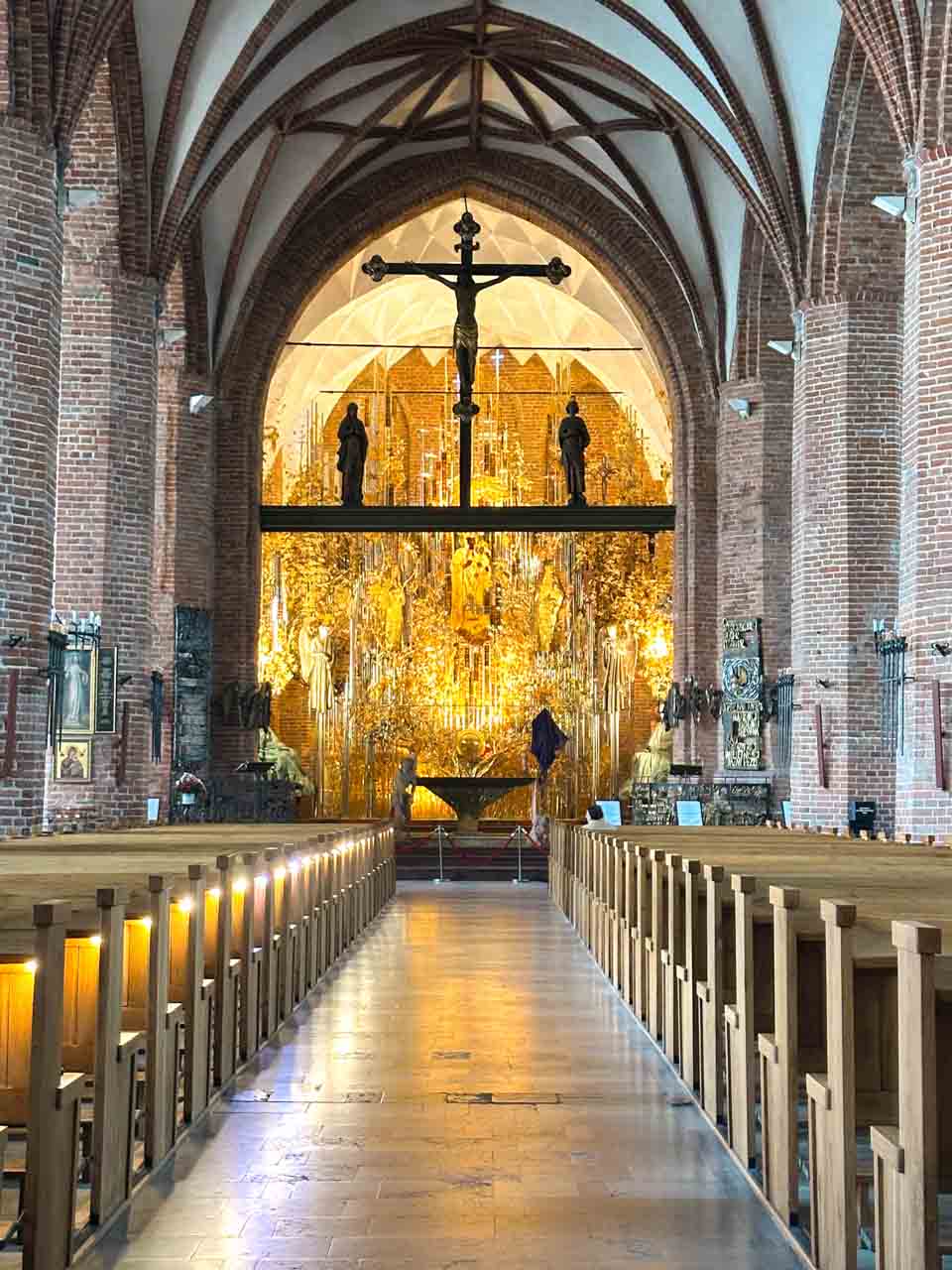
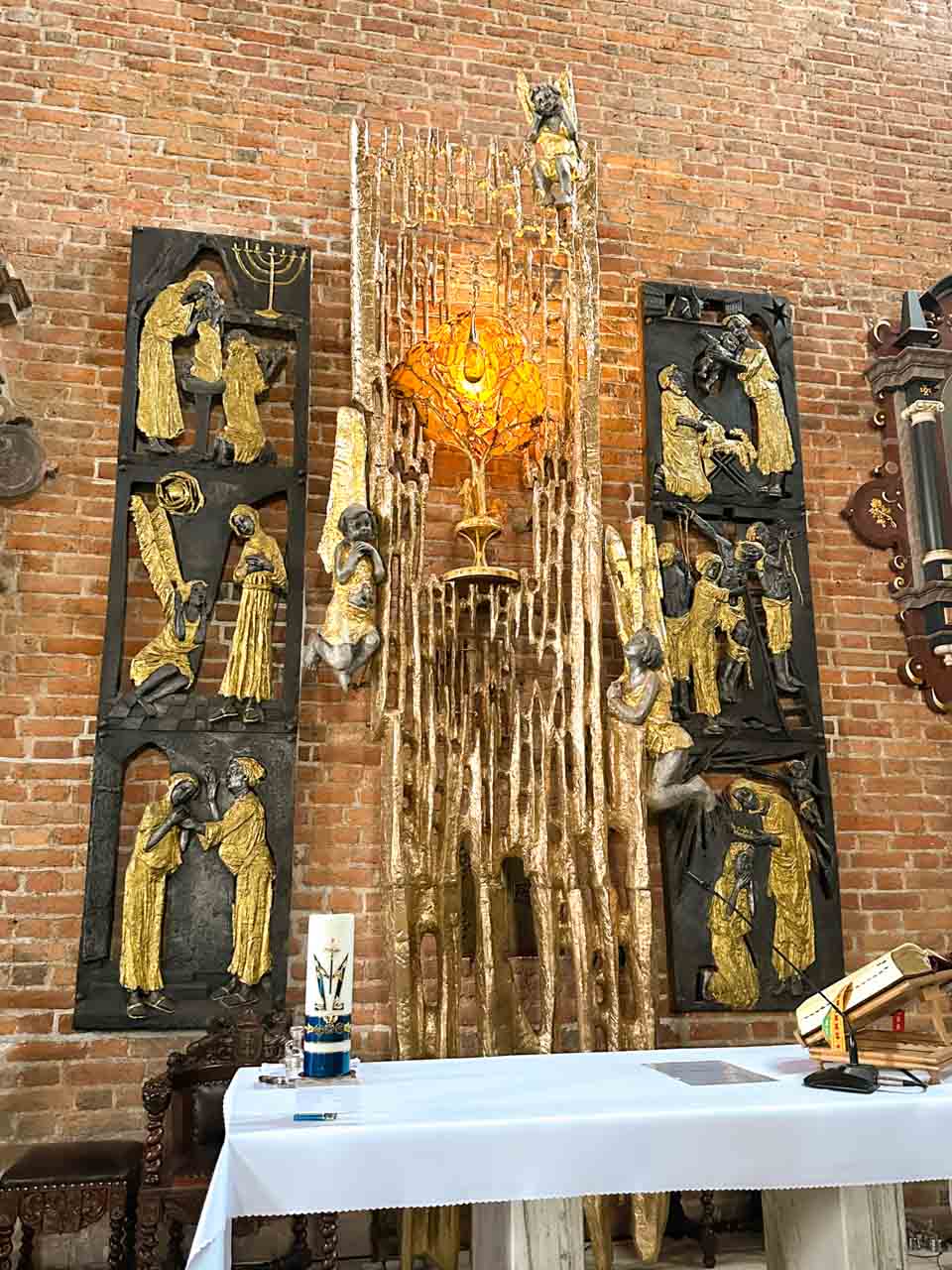
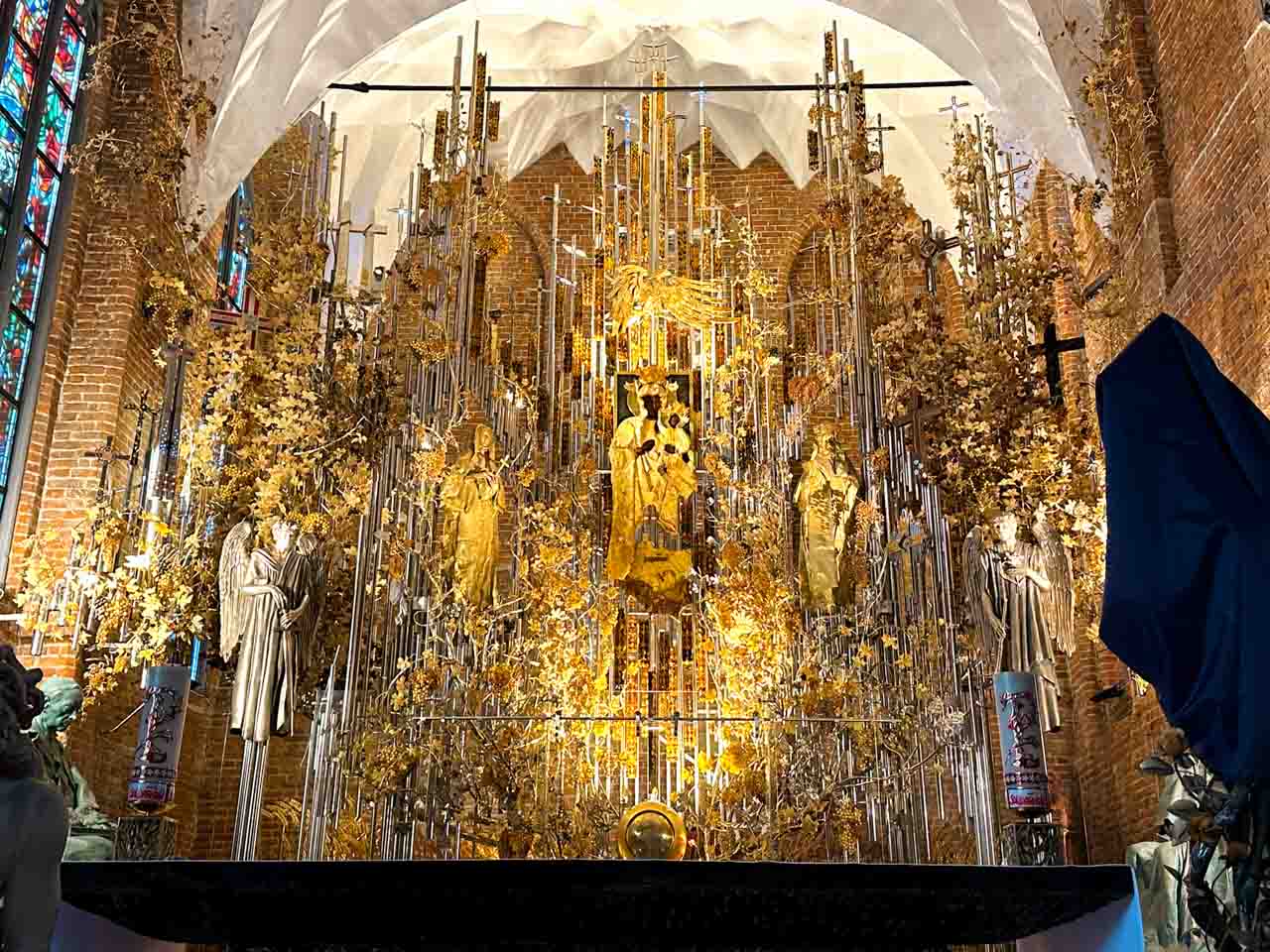
But beyond the politics, it’s also home to one of the most extraordinary sights in Gdańsk – the Amber Altar. Made entirely from Baltic amber, it’s the largest amber artwork in the world, built using around 850 kilograms of it!
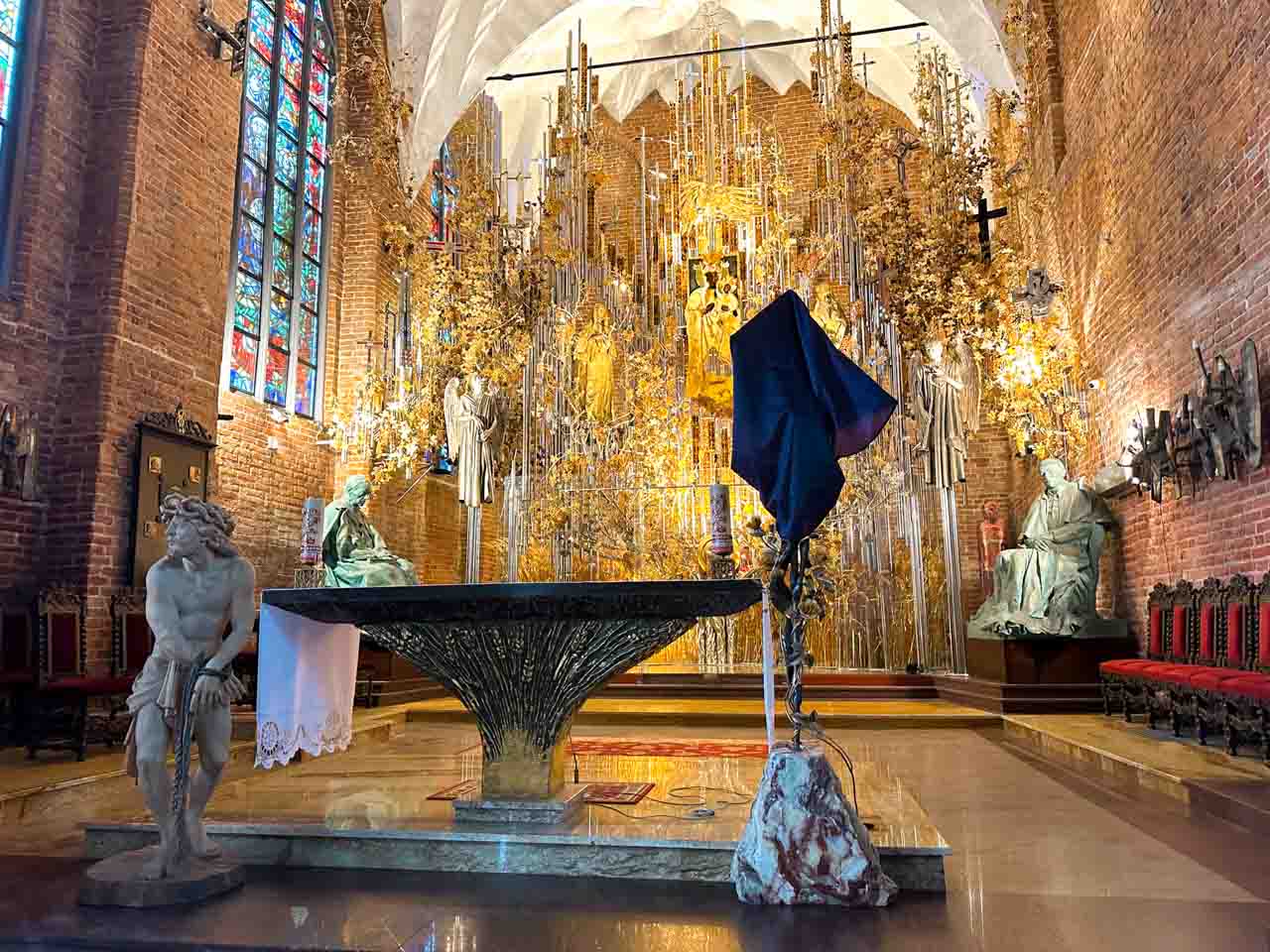
As you walk around, you’ll also see wooden crosses from the 1980 and 1988 shipyard strikes, plus a metal one forged from bullets used in the 1920 Battle of Warsaw.


For something truly unusual, head down to the underground crypt. In 2016, archaeologists uncovered around 500 skulls believed to be the remains of Brigidine sisters and their companions. In the centre, you’ll also find a glass display case containing relics of Saint Bridget herself.
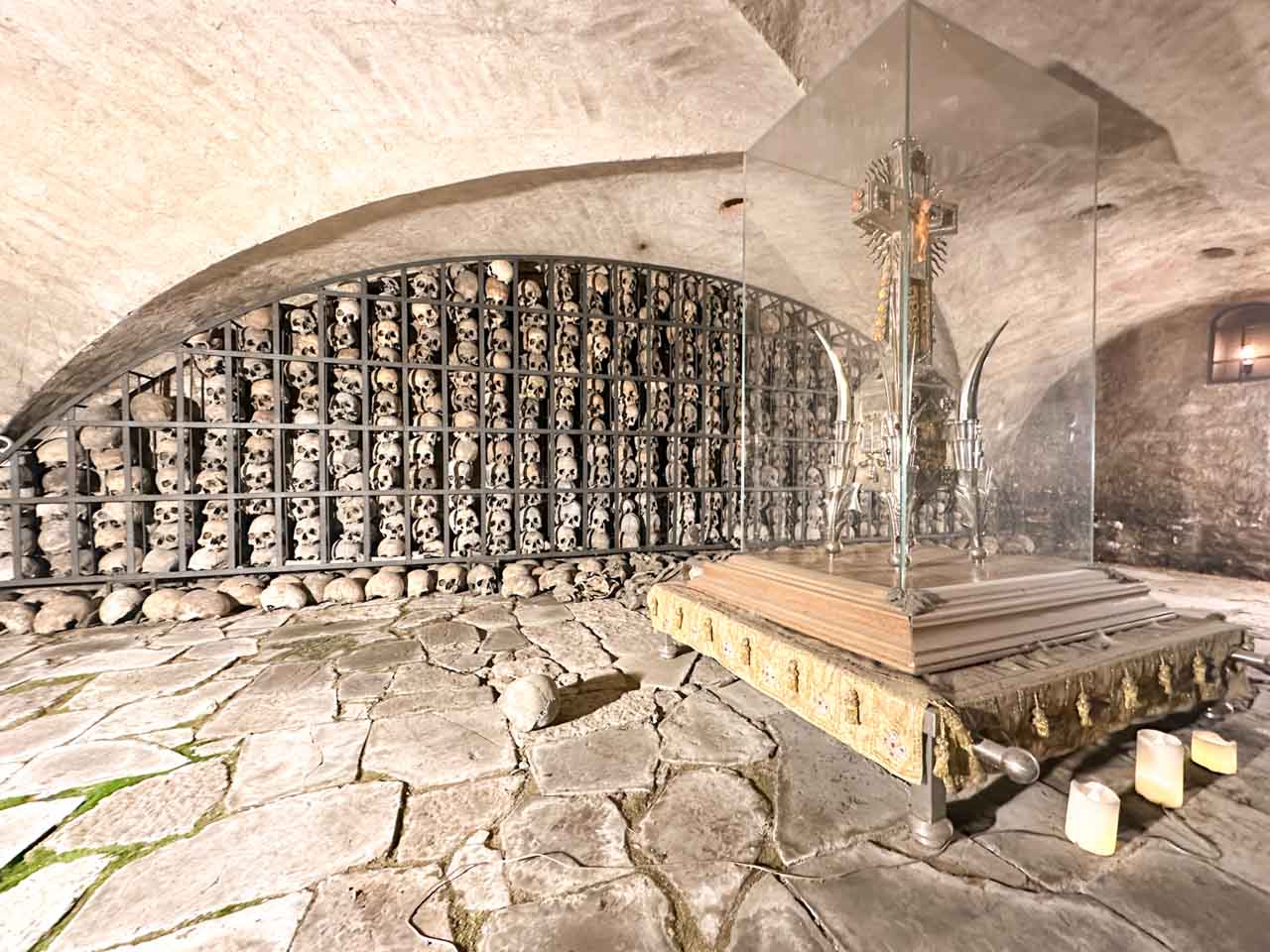
Entry to St. Bridget’s Church costs 6 PLN (around €1.40 / £1.20).
11. Explore the Museum of Amber
I already mentioned that amber jewellery makes for a brilliant Gdańsk souvenir – and not just because we’re by the sea. Gdańsk is actually the world capital of amber, responsible for around 70% of the global production of amber jewellery and other products!
Even if jewellery isn’t really your thing (or you’re not planning to splash out on anything fancy), it’s still worth popping into the museum dedicated to this fascinating material. You’ll learn how amber is formed, and see everything from classic and contemporary art pieces to jewellery and everyday items.
Some of my personal favourites are an amber guitar and the nightingale-shaped award that’s handed out during the music festivals held in nearby Sopot.
The museum’s open every day except Tuesday, and tickets cost 37 PLN (around €8.70 / £7.60). If you want to save money, go on a Monday – entry’s free then.
12. Step inside the oldest interior in Gdańsk
This one’s probably not on most people’s radar, but it’s actually one of the most interesting spots in Gdańsk if you like history. The Romanesque Cellar is located next to the Market Hall (which is currently under renovation, so a big part of the area is fenced off), and if you didn’t know it was there, you’d likely walk straight past it.
It’s the oldest interior in Gdańsk that’s open to visitors – a 13th-century room that was once part of the Dominican Monastery, used as a kitchen and dining room. It wasn’t discovered until the early 2000s, and it only opened to the public in 2014.
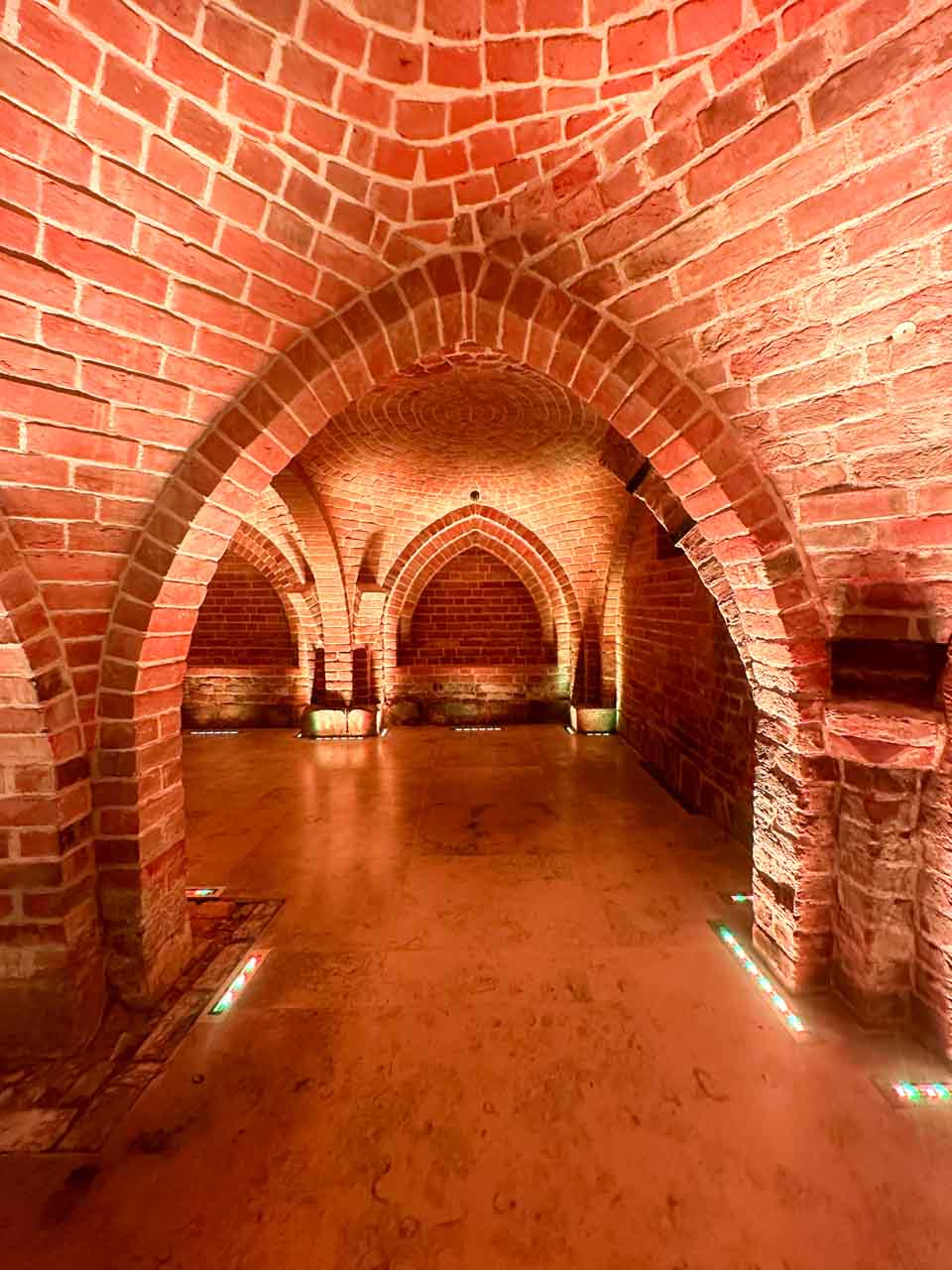
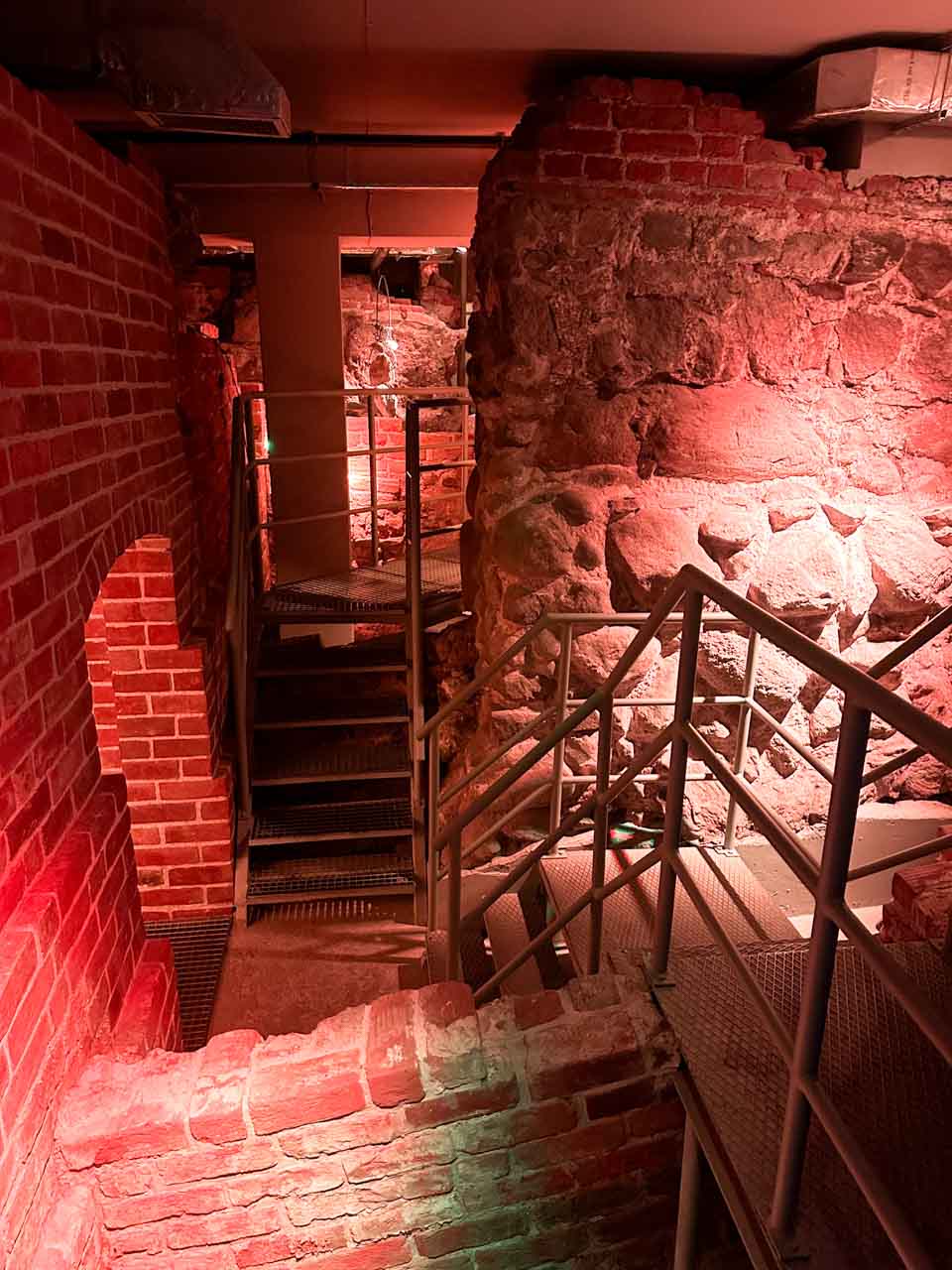
You can only go in at fixed times – every hour and half past – and visits start with a short video about the history of the site and the area. You’ll also see some archaeological finds, but the most striking part is the ossuary. At the time of discovery, they found around 50,000 bones belonging to roughly 1,800 people.
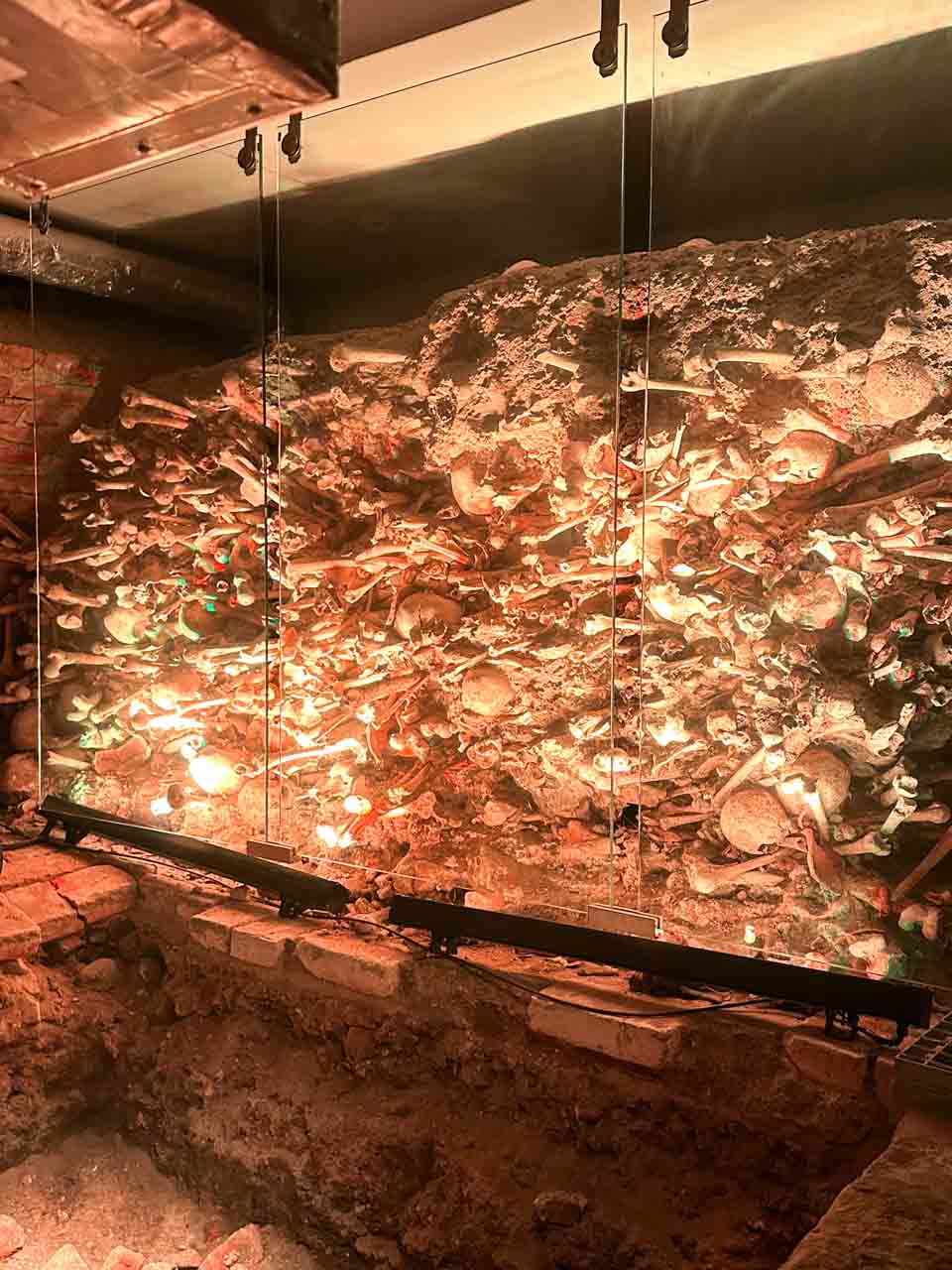
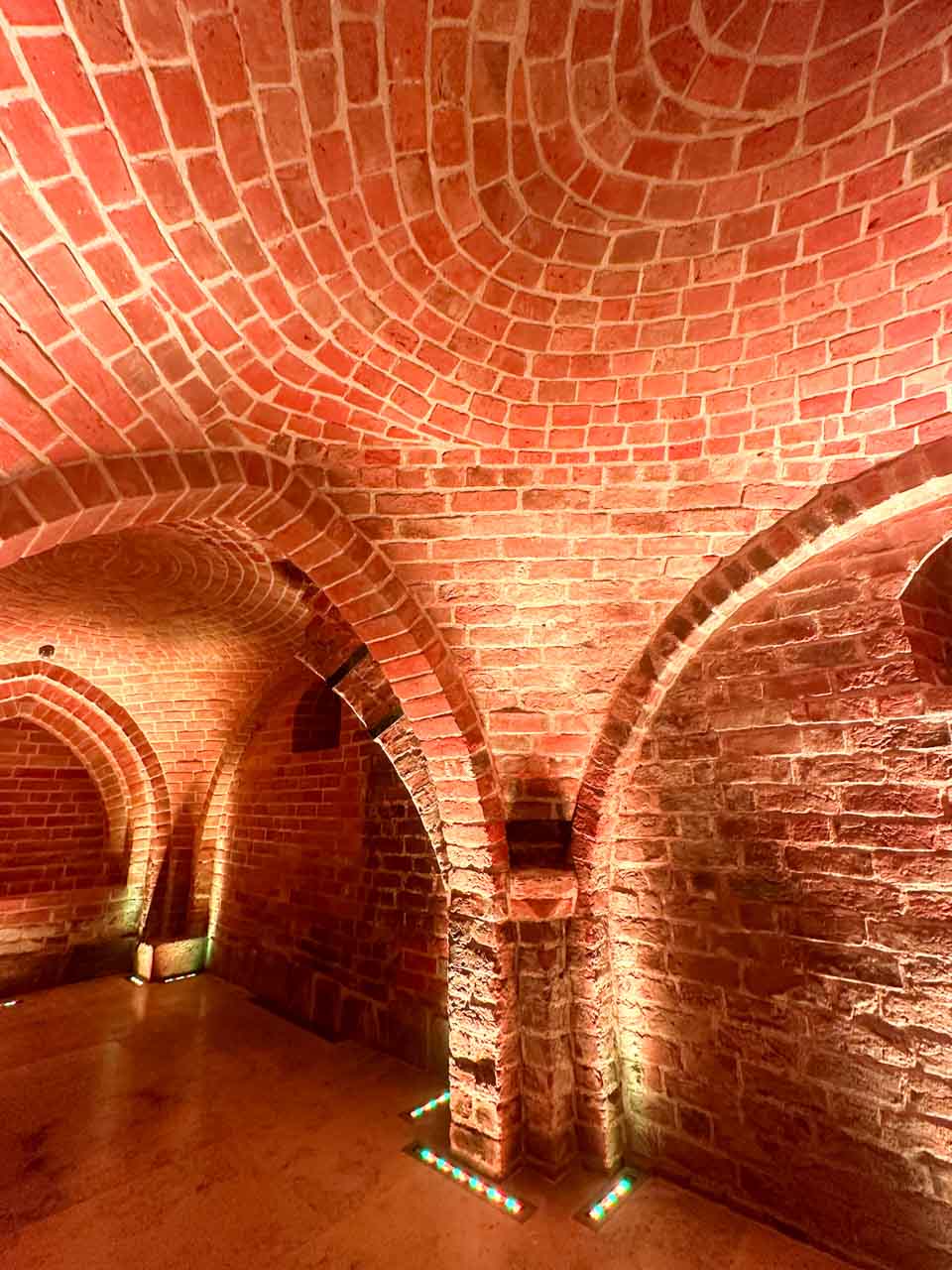
It’s a small place and doesn’t take long to visit – under 30 minutes – but if you’re into medieval history, it’s well worth seeing. Tickets cost 10 PLN (around €2.35 or £2.10), and it’s free to visit on Sundays.
13. Hang out at 100cznia & Elektryków Street
If you want to get a feel for the nightlife in Gdańsk, two of the best places to go are 100cznia and Ulica Elektryków (Electricians’ Street). Both are set in the post-shipyard industrial areas and kind of remind me of the ruin bars in Budapest – just with fewer ruins and more outdoor spaces.

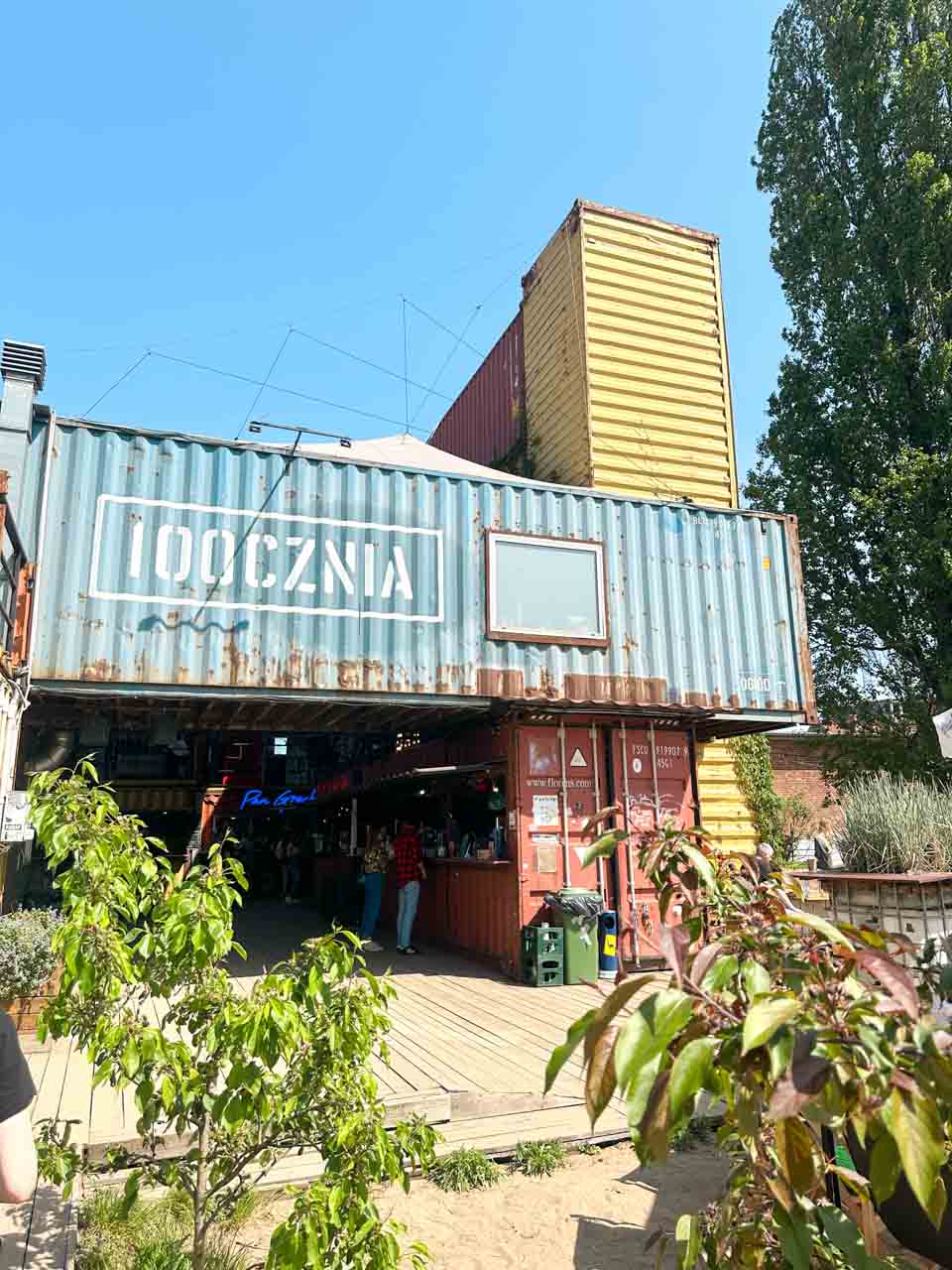
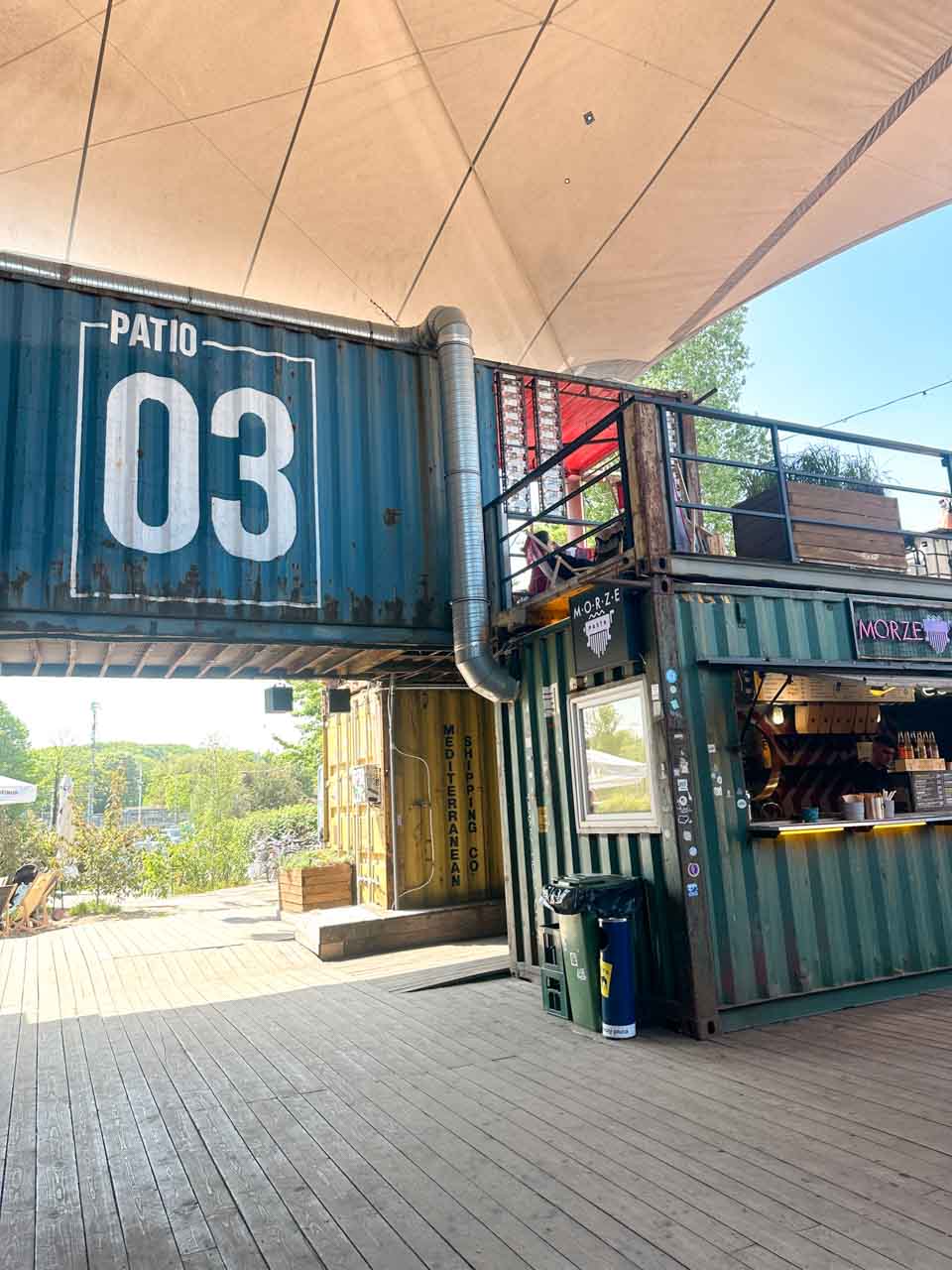
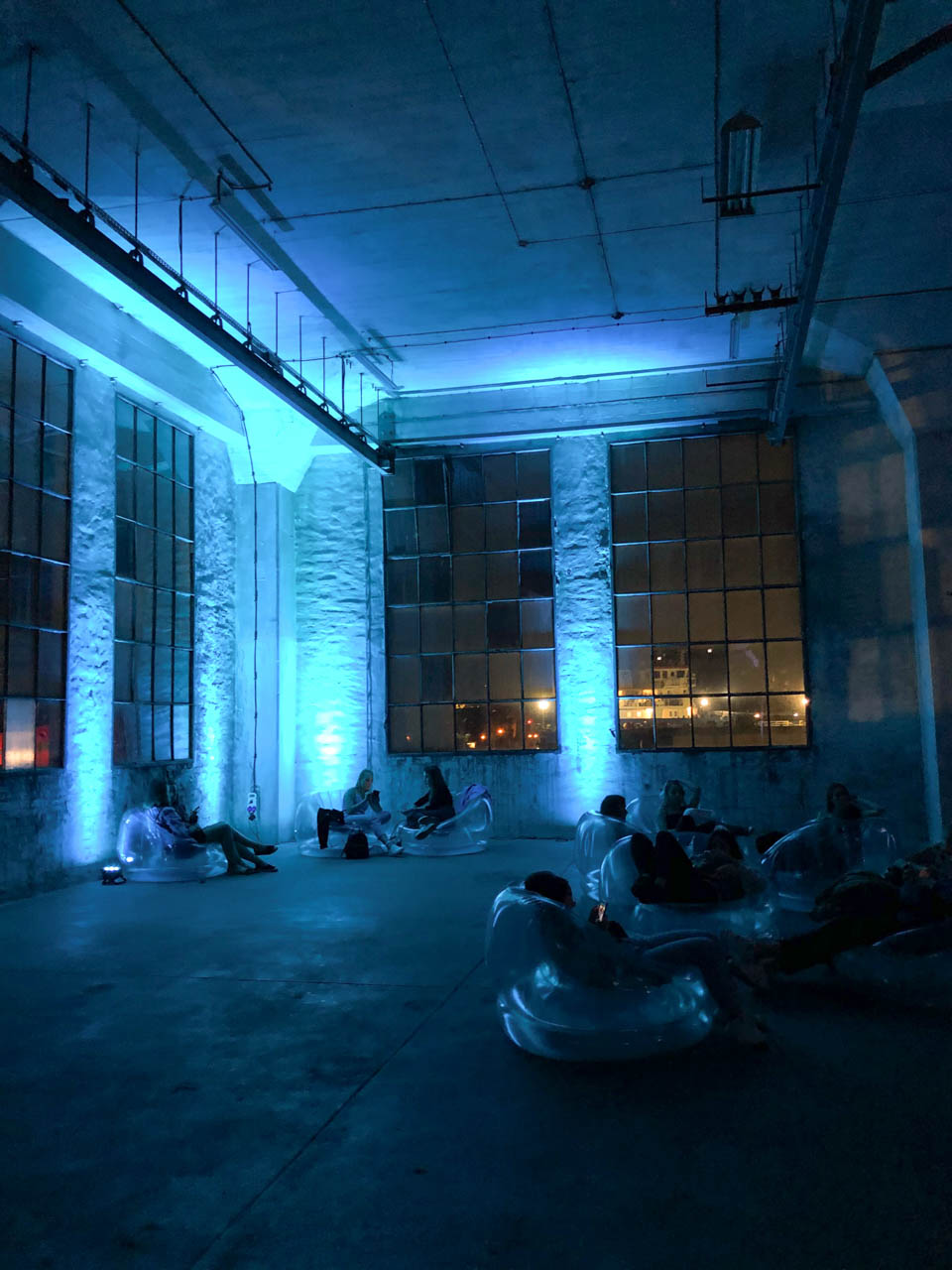
However, even if you’re not that into nightlife, there’s still plenty to do. 100cznia is open all year round. From May to the end of September, you’ll find international street food served from stacked shipping containers or food trucks, as well as an artificial beach and plenty of deck chairs for lounging around when the weather’s nice.

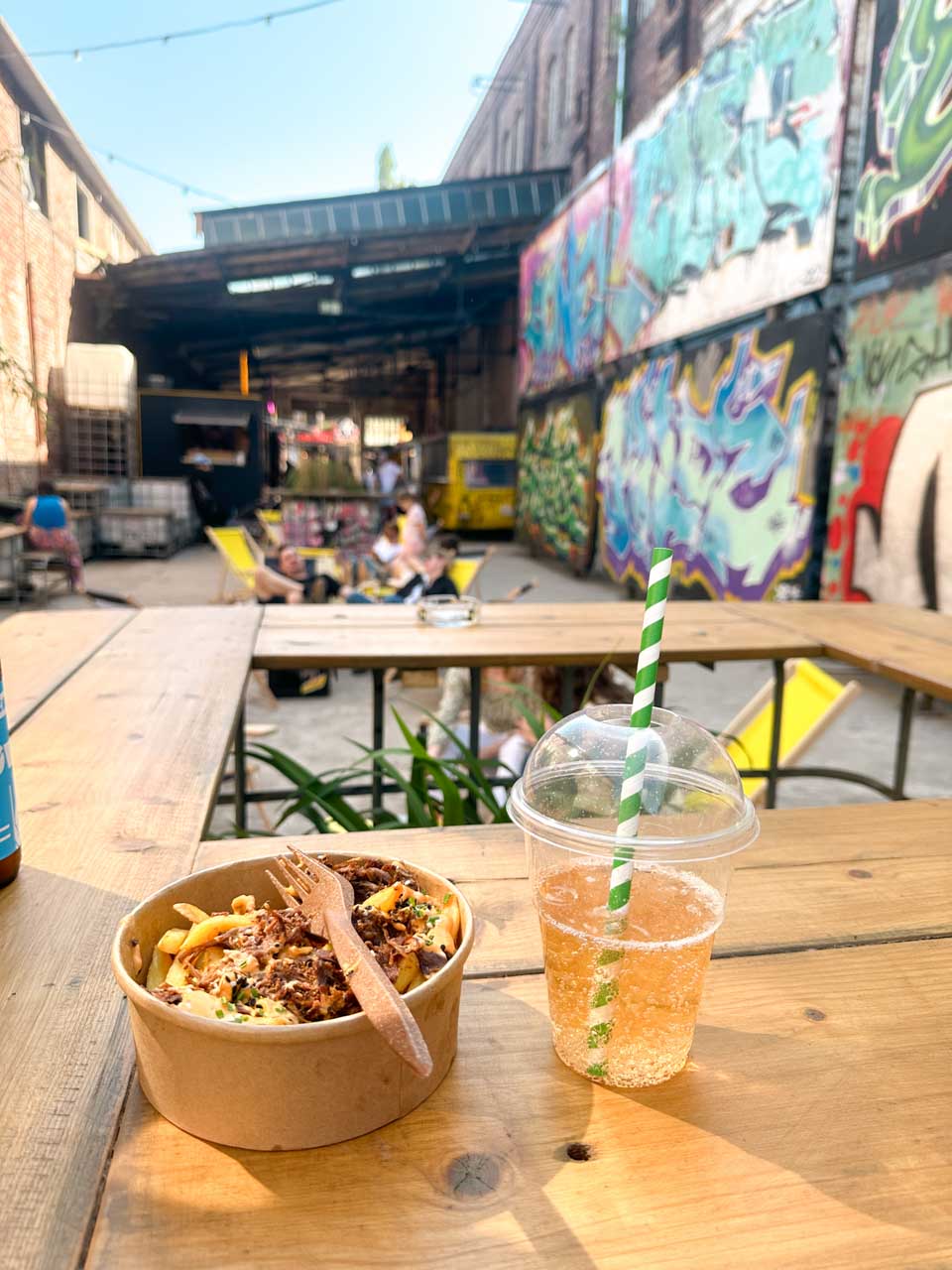
They also host concerts, open-air cinema nights, workshops, fairs, exhibitions, and other cultural events throughout the year.
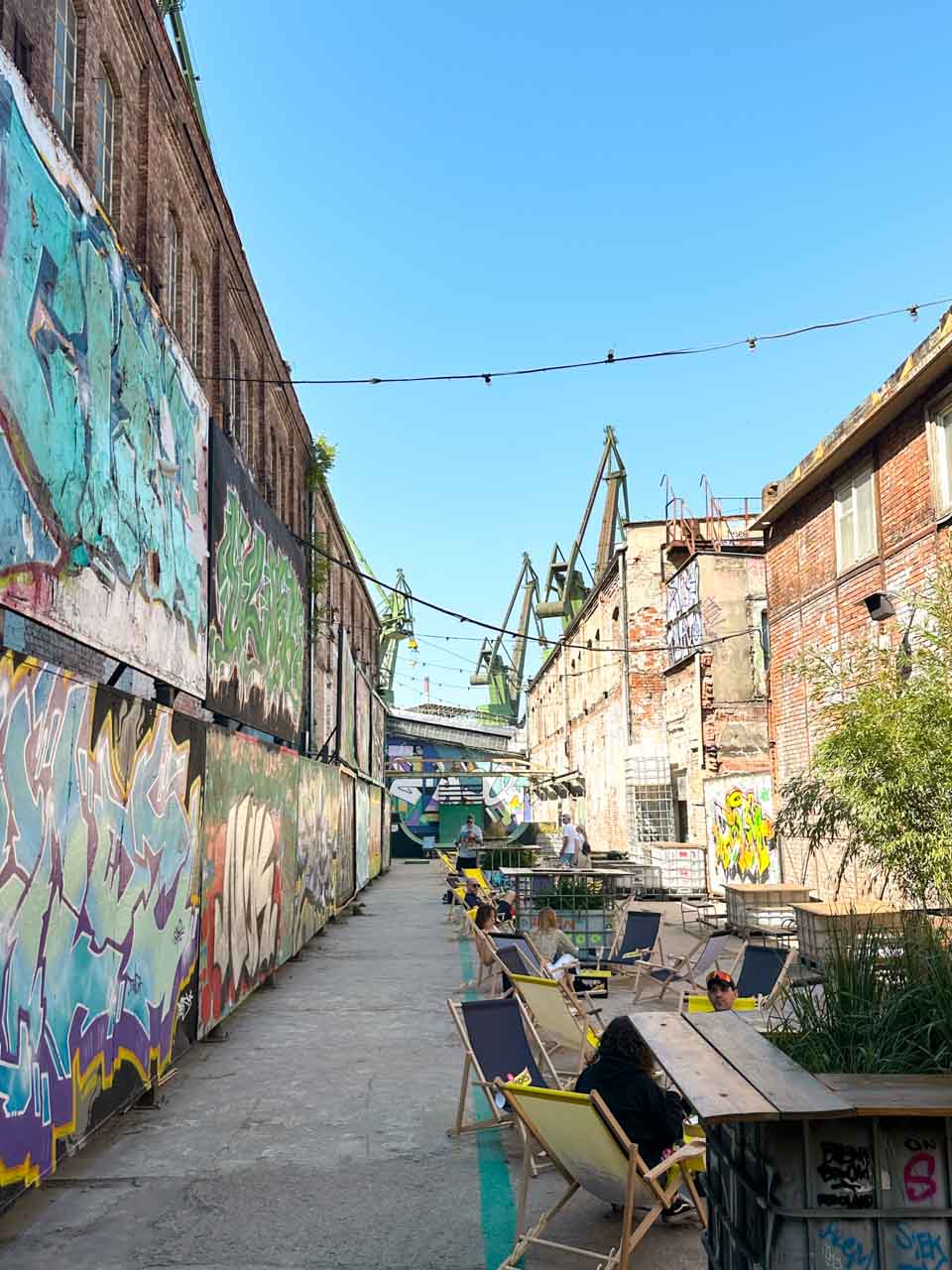
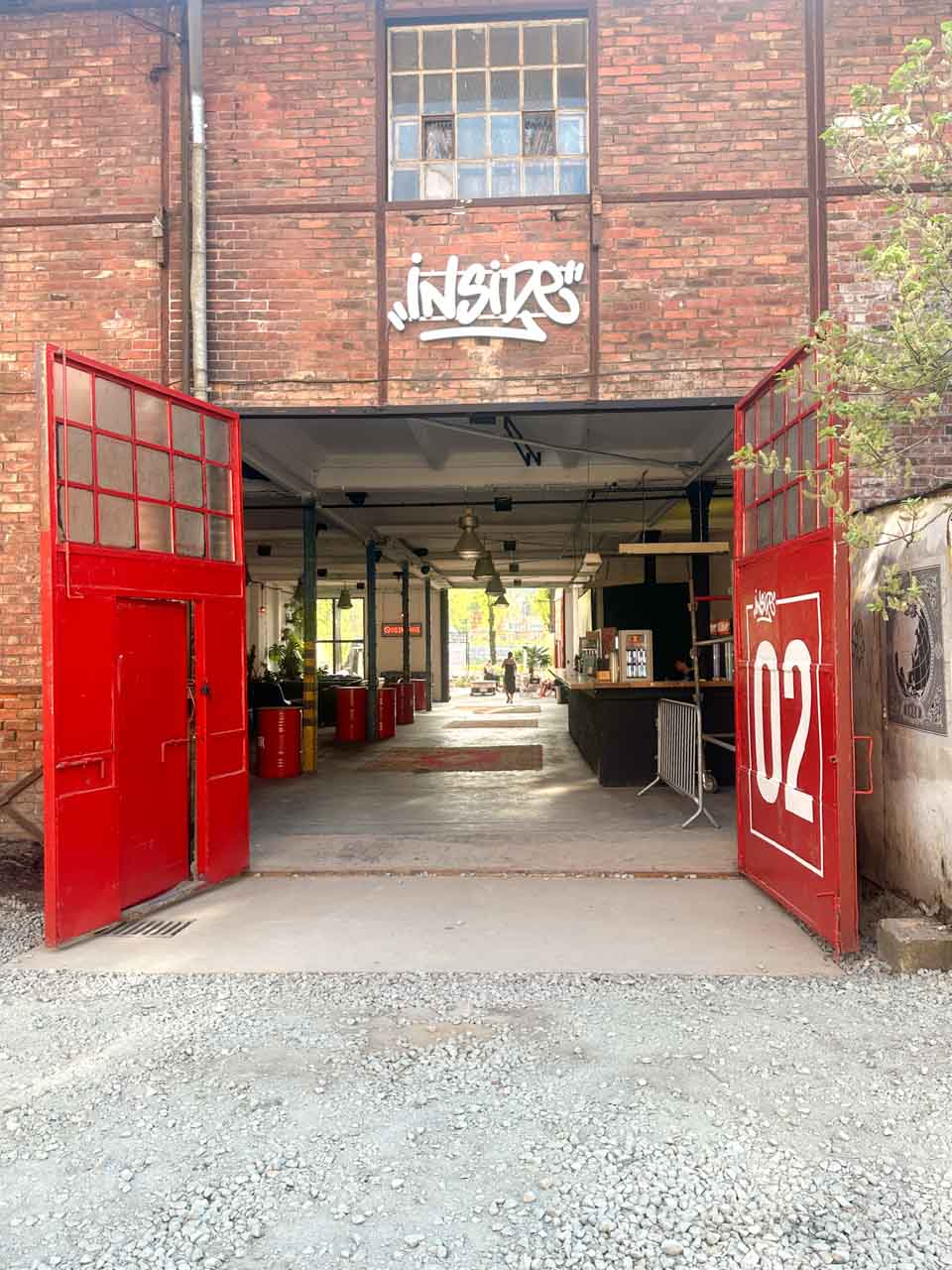
I’ve heard great things about a new vegan place that opened in an indoor hall called Dust Kitchen, although I haven’t tried it myself just yet. Oh, and fun fact: right next to 100cznia is the workshop where Lech Wałęsa used to work as an electrician – though sadly, it’s not open to the public.
When it comes to Elektryków Street, it’s busiest in the summer, with outdoor events, live music, and the W4 Food Squat (that also has a brilliant natural wine bar called Moja Wina!) all open during the warmer months.
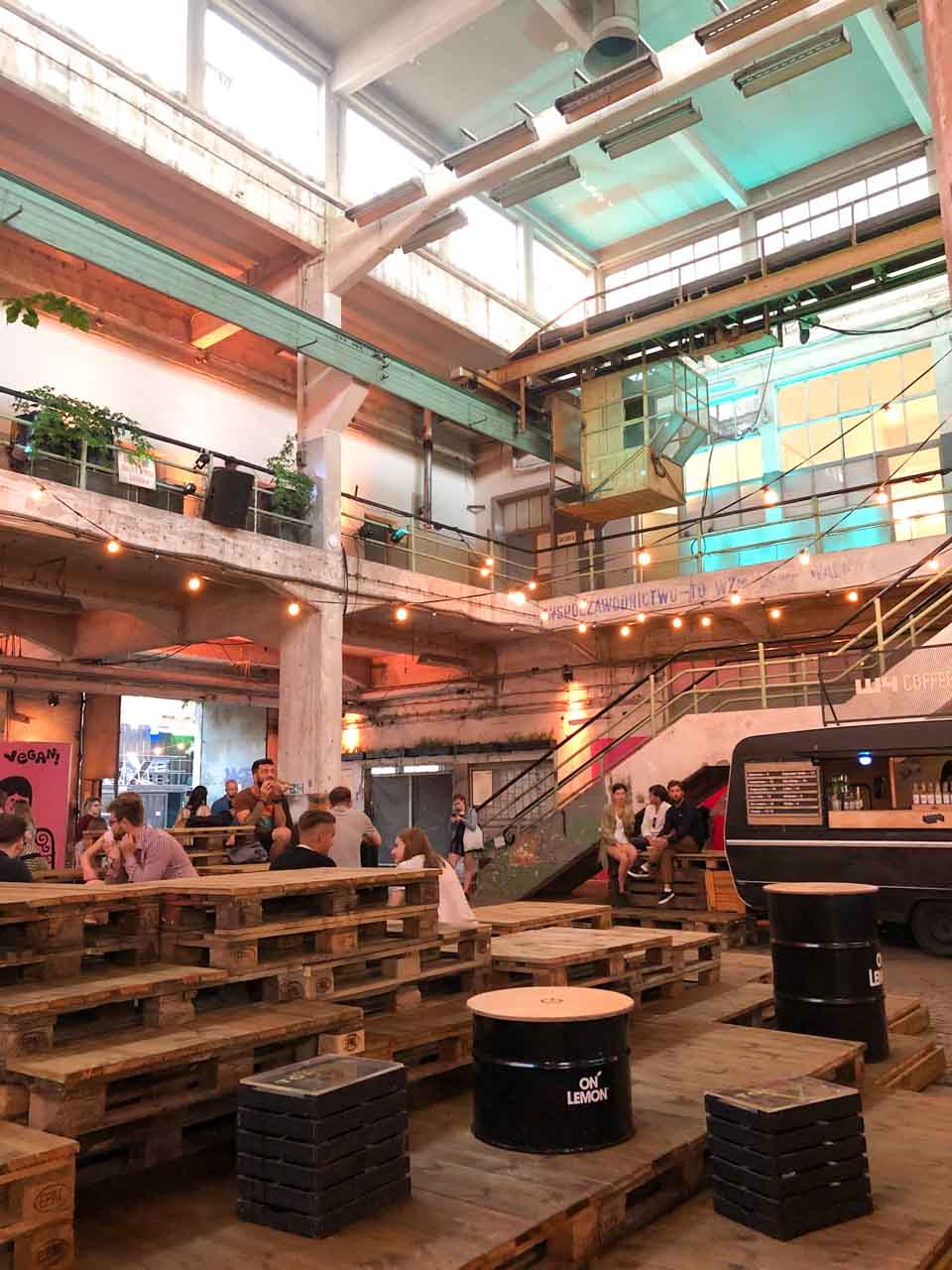

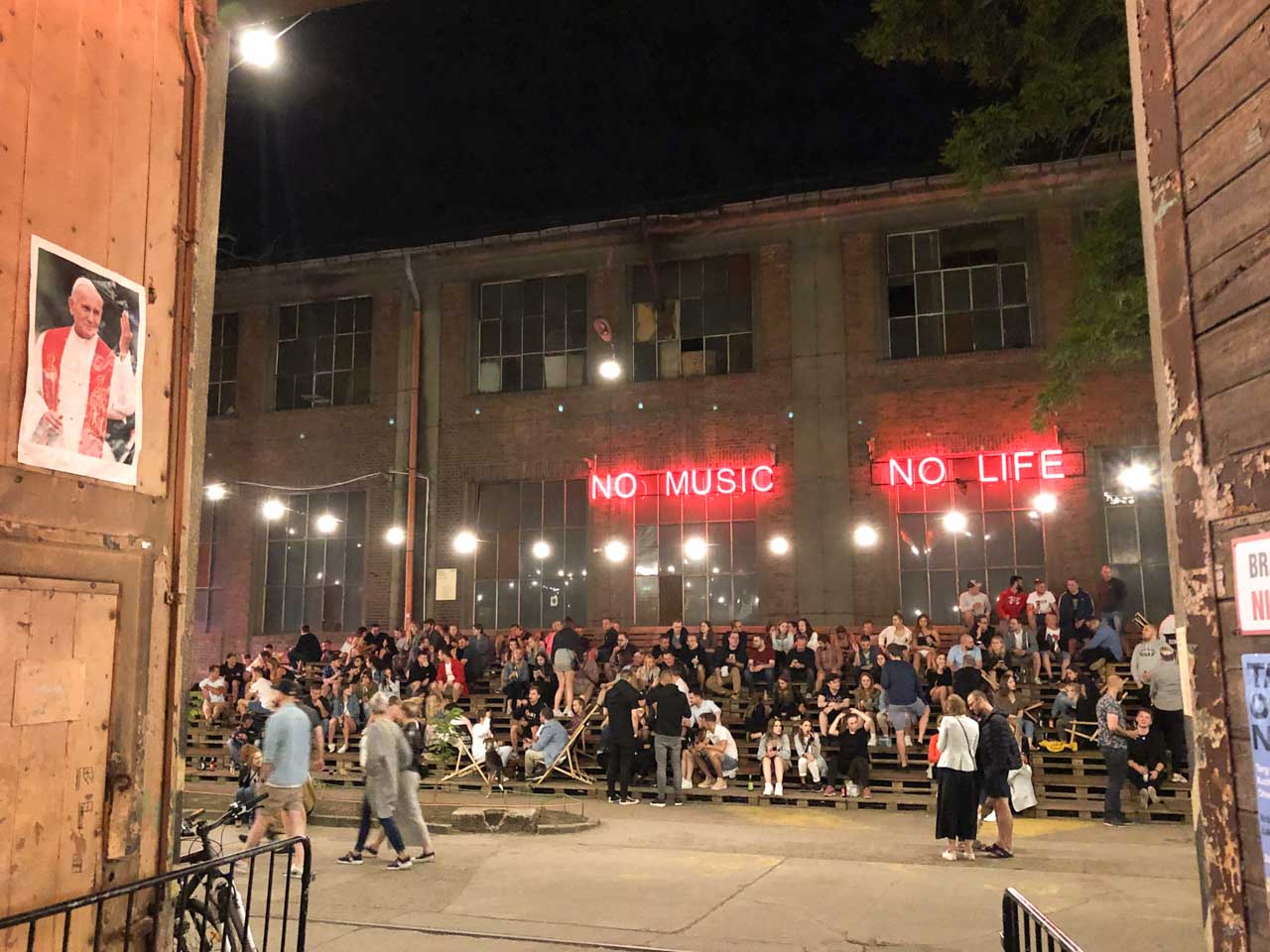
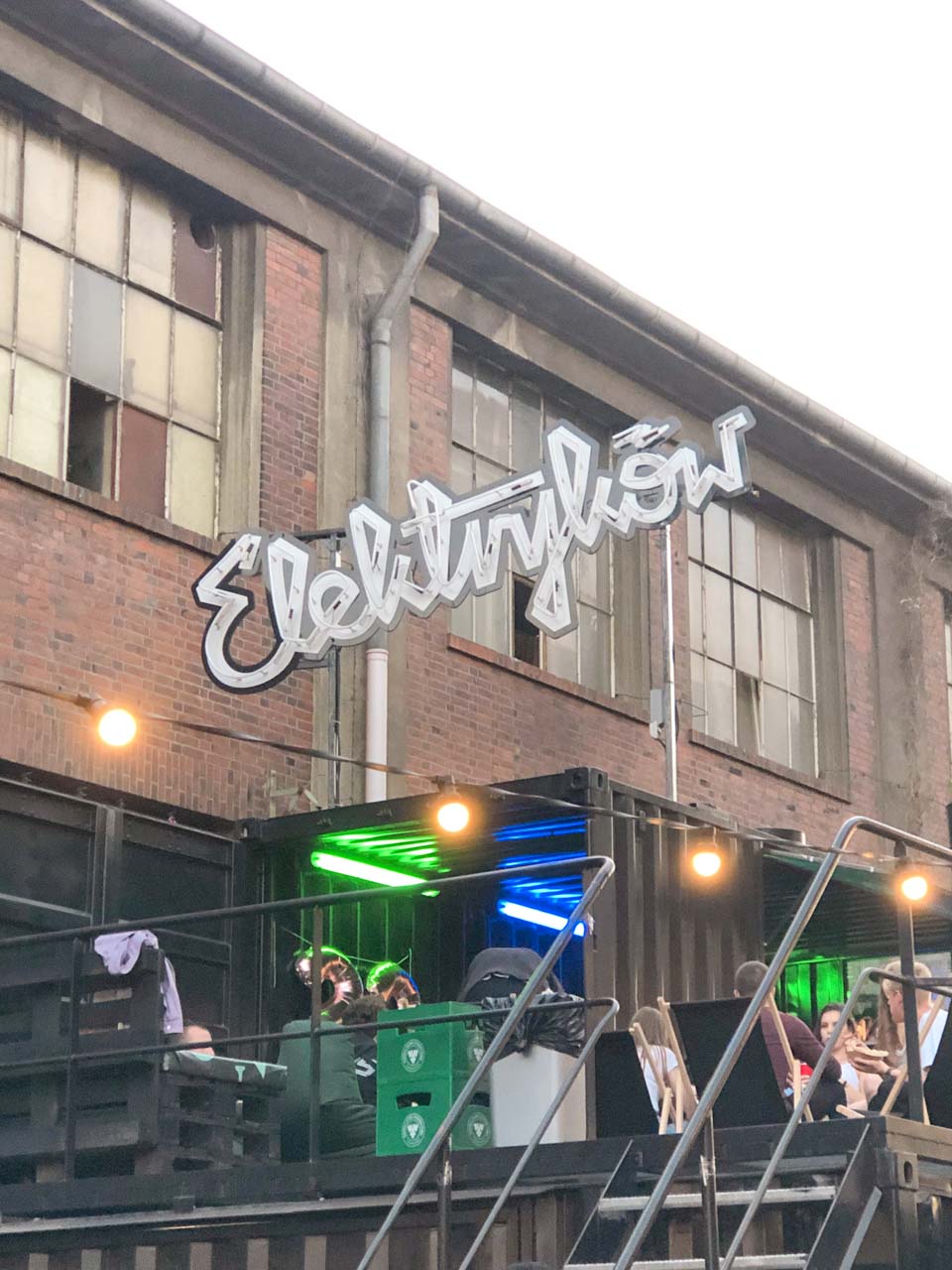
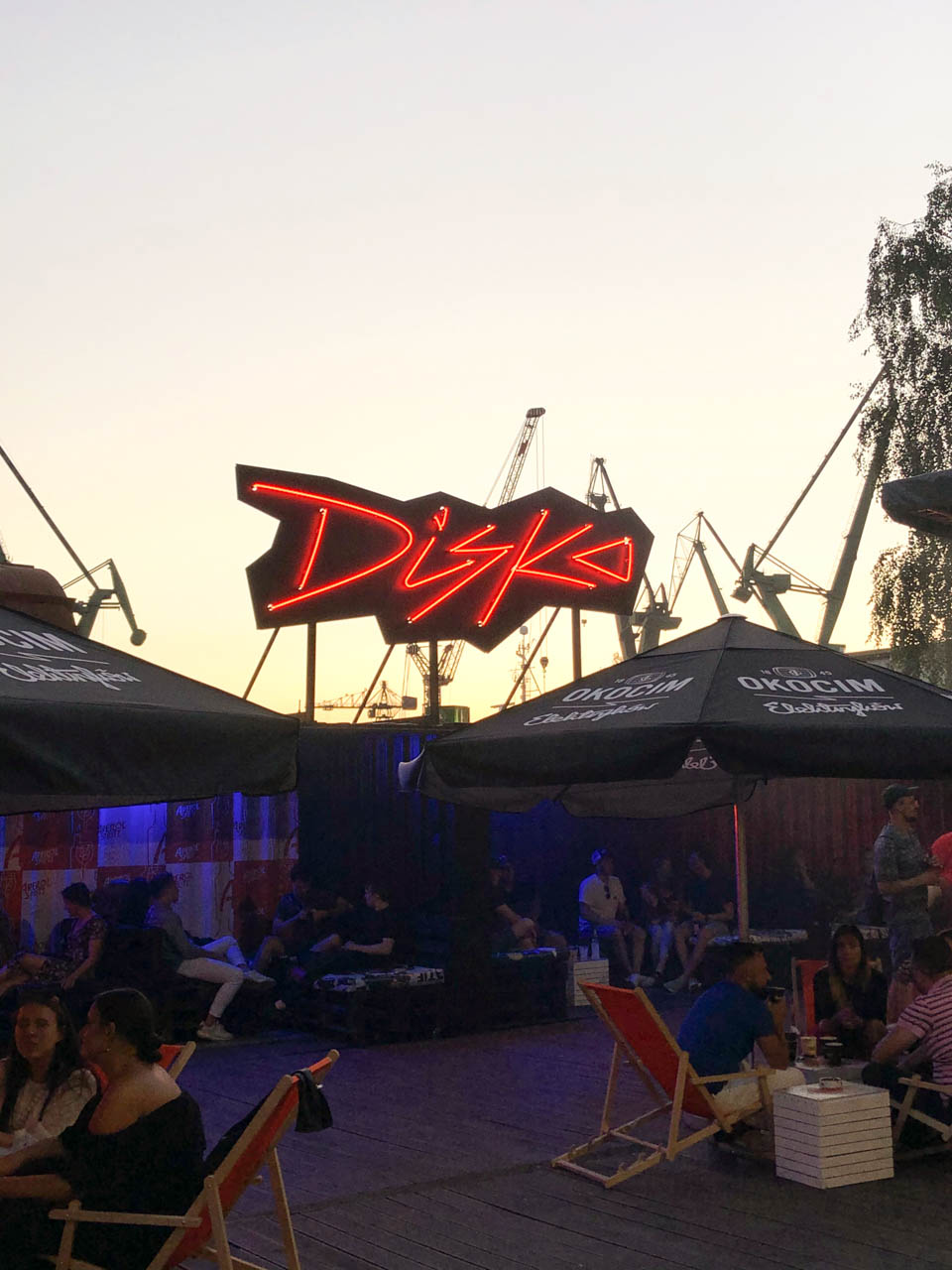
The area is also home to venues like B90 and Drizzly Grizzly that host year-round concerts. And if you’re after coffee and pastries (or need a laptop-friendly spot to do some work), head to Plenum – they sometimes host art exhibitions and markets too.
14. Climb the M3 crane
If you visit either 100cznia or Elektryków Street, you’ll already have an amazing backdrop of shipyard cranes. But if you’ve ever wondered what the view from the top might be like, there’s actually one you can climb – and it’s just a short walk away!
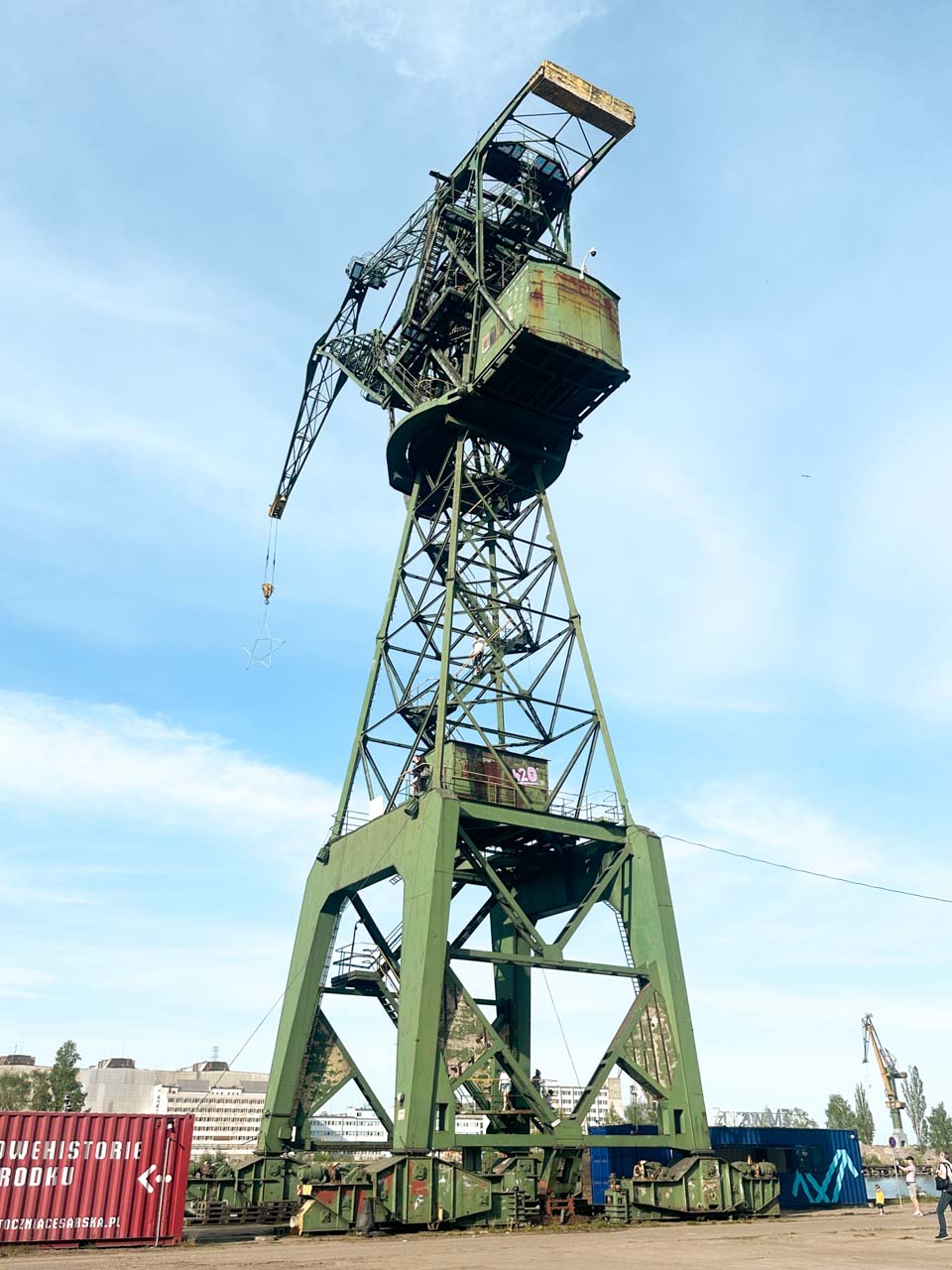
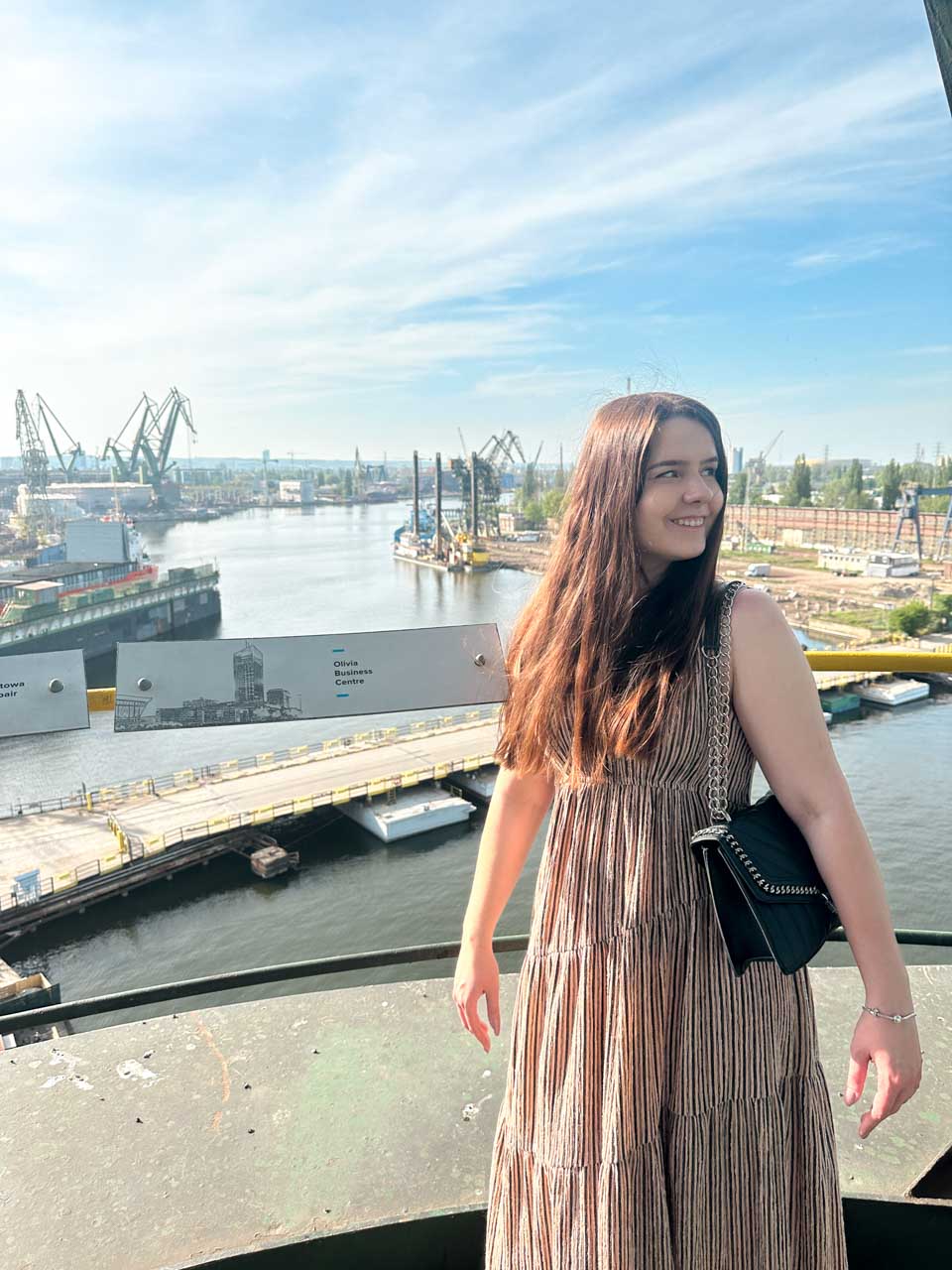
Tickets are available on site and cost 20 PLN (around €4.70 or £4.10). Just a heads-up: only attempt the climb if you’re confident in your fitness and not afraid of heights.
Now, I usually love all kinds of observation decks and towers, but I’ll be honest – this one really tested me. You’re climbing the outside of the crane, 30 metres up, with open space all around you. My legs were shaking like jelly after I got back down, and I’m not even ashamed to admit it.

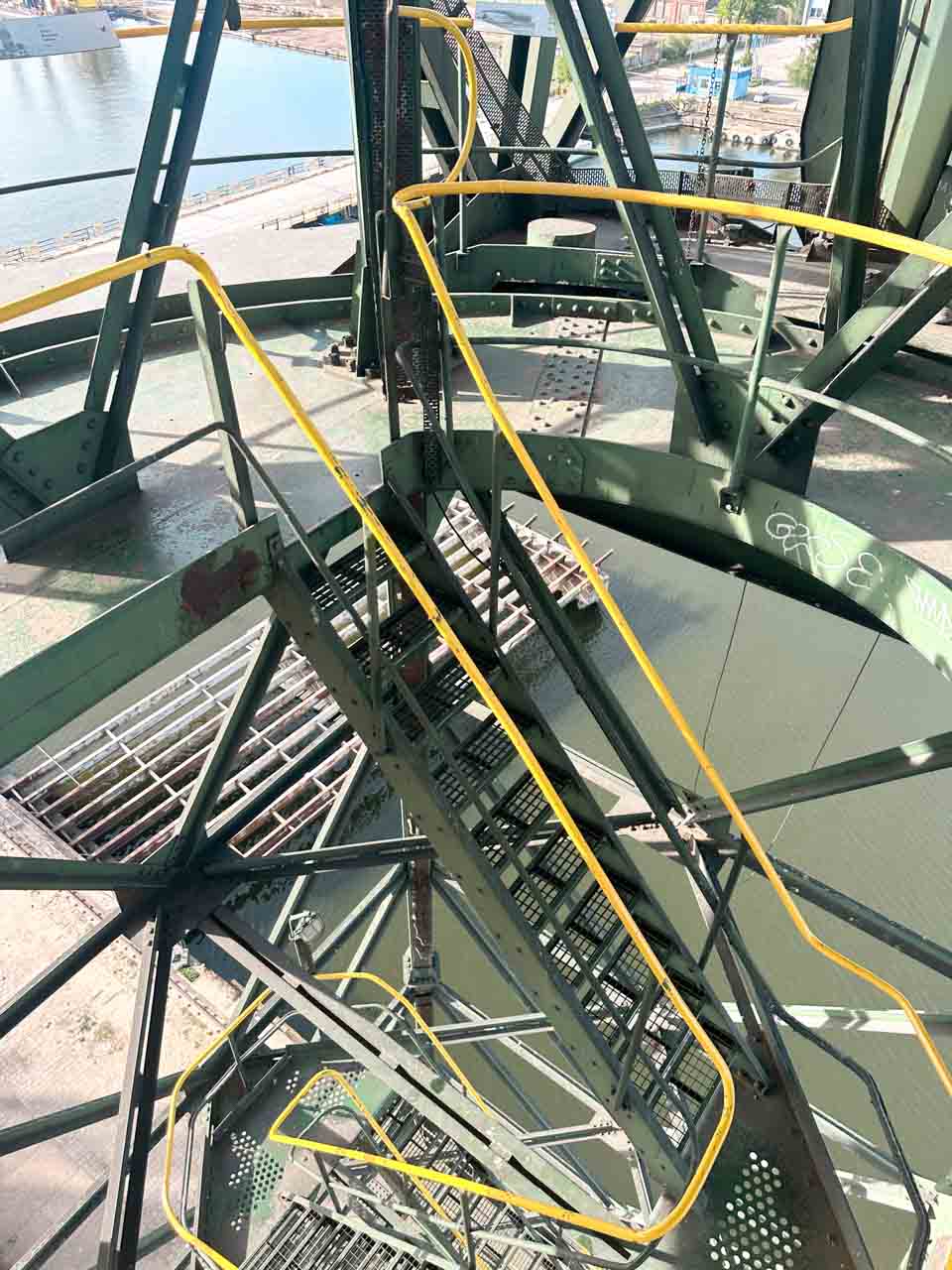
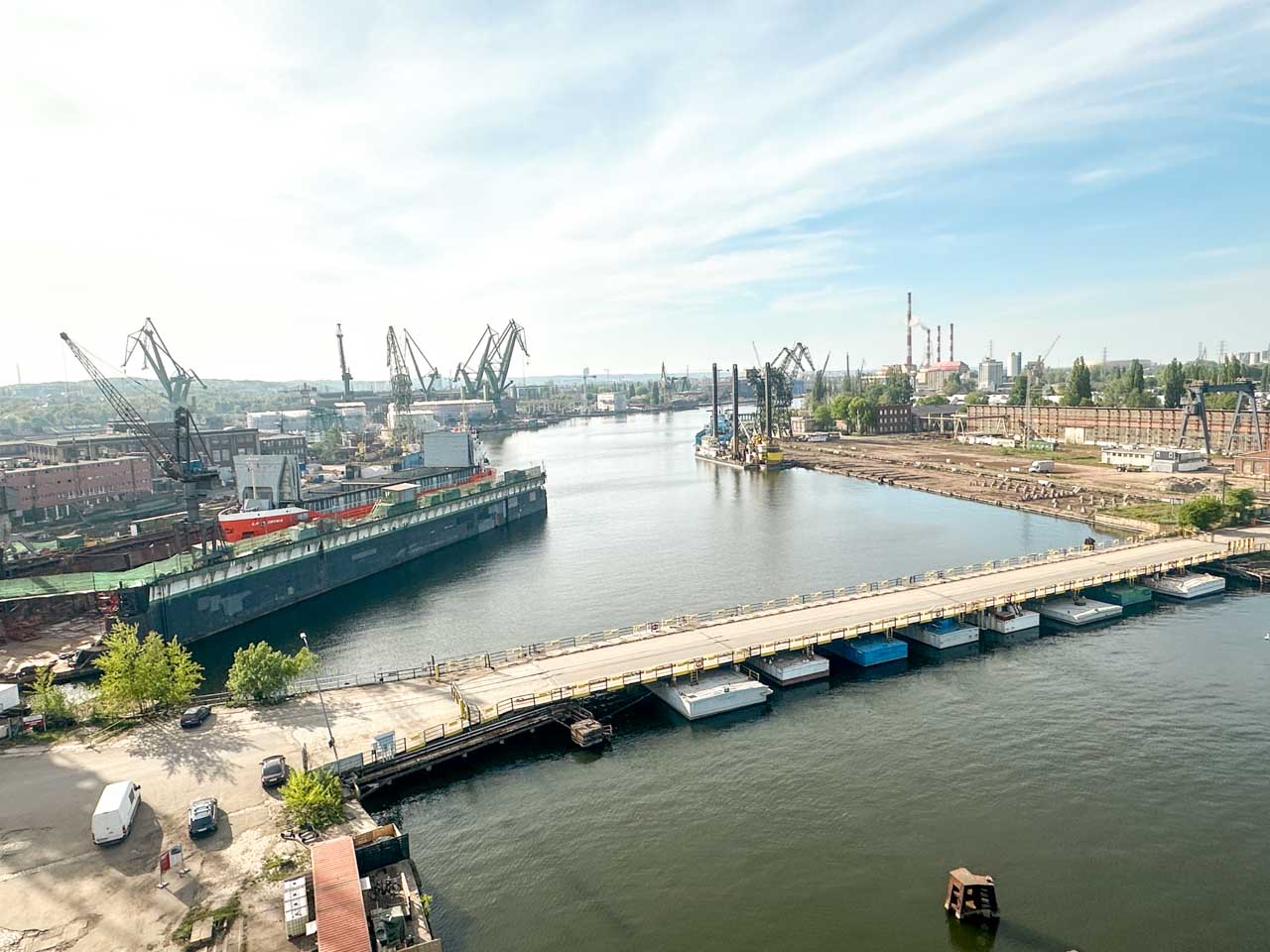
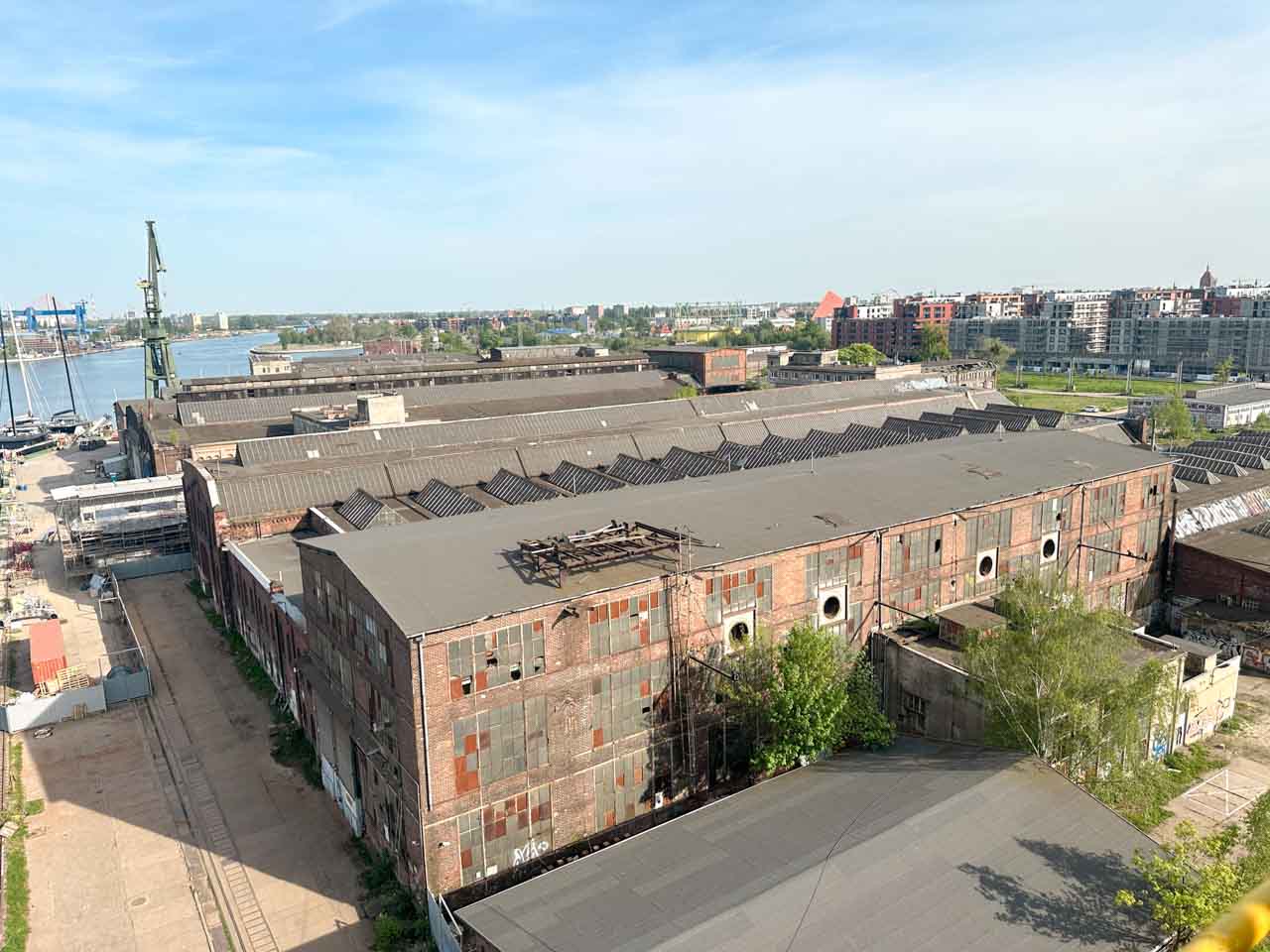
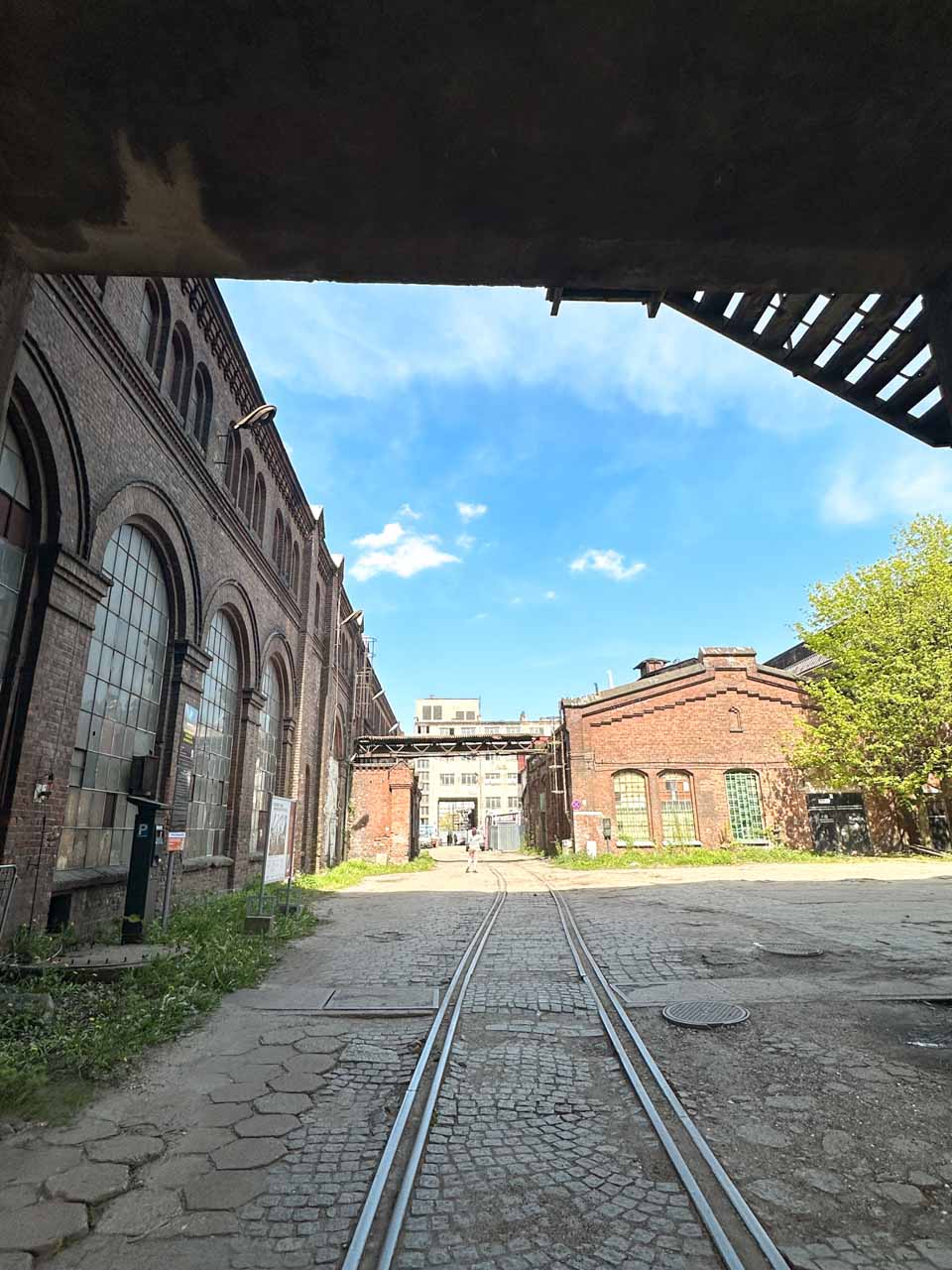
Still, the views from the top more than make up for it. You get stunning panoramic views over the shipyard and beyond. And while you’re in the area, I’d definitely recommend walking around the Imperial Shipyard (Stocznia Cesarska).


For decades, this was where workers built ships for the Prussian and later German navies, and you can still admire what’s left of the industrial halls in the oldest part of the Gdańsk Shipyard.

15. Relax in Oliwa Park
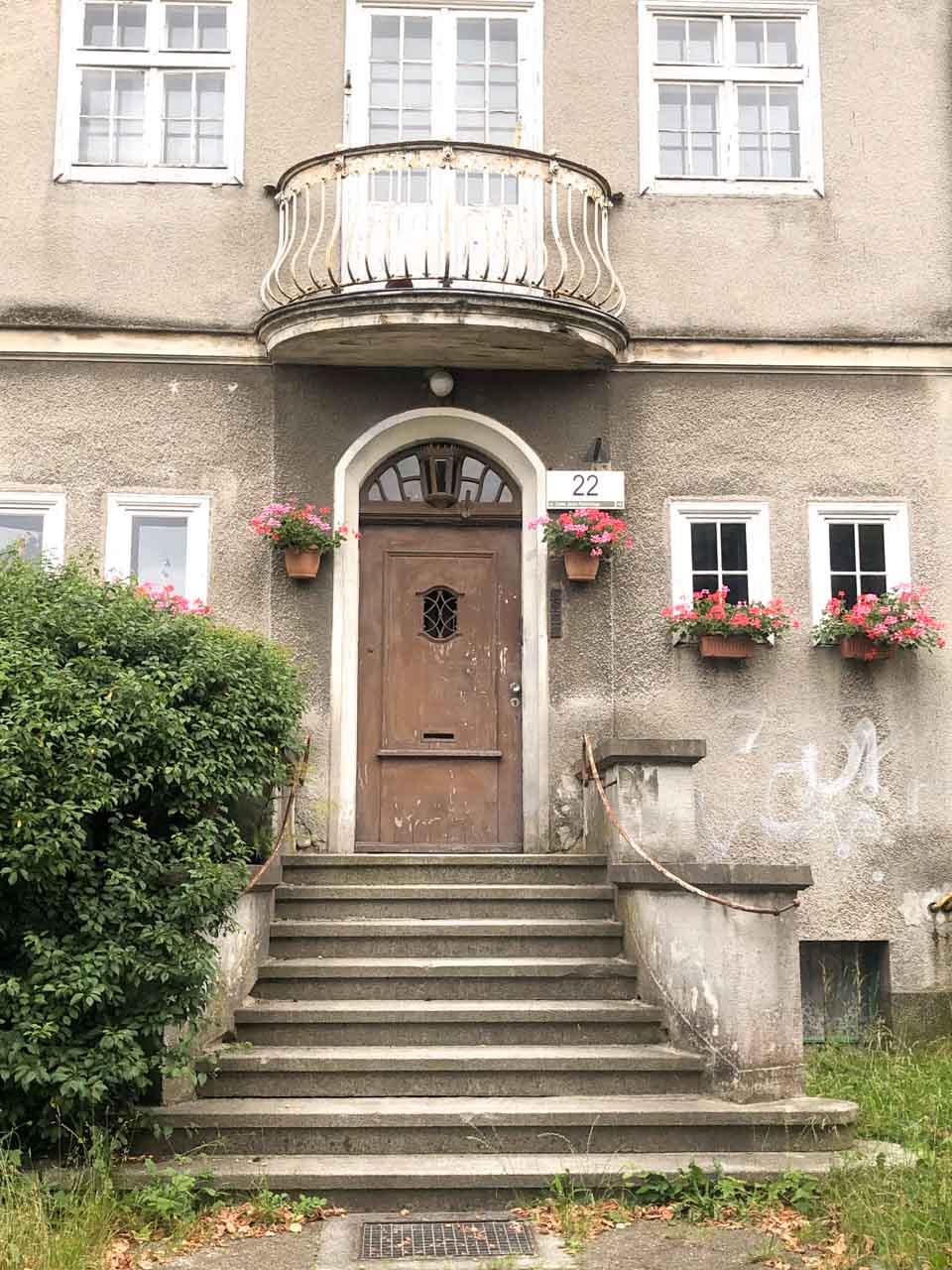
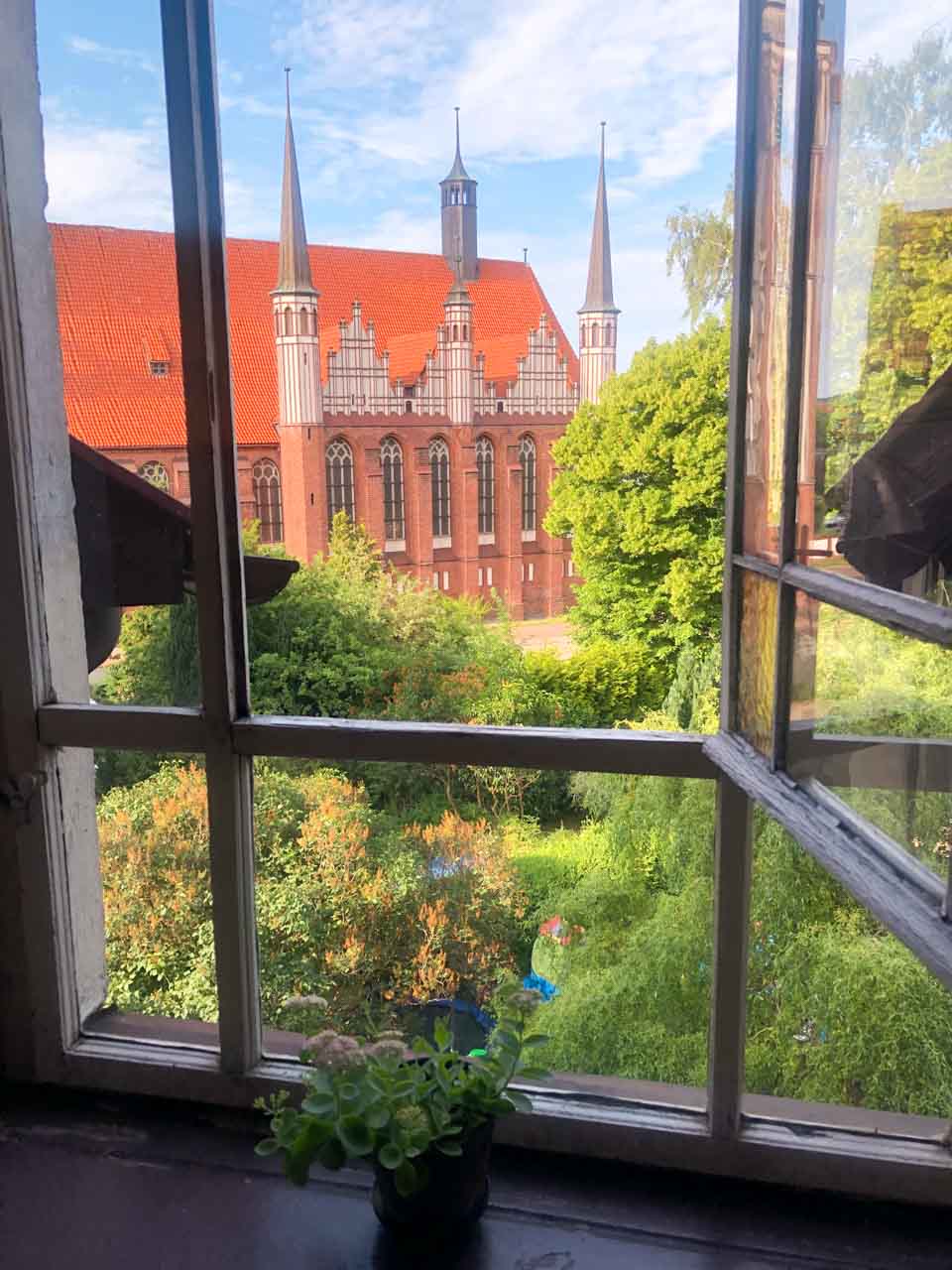
I’ve already mentioned Oliwa in the “where to stay” section, but it genuinely is one of my favourite areas of Gdańsk. If you’ve got a bit of extra time, I’d really recommend wandering around the neighbourhood – the architecture alone is worth the visit.
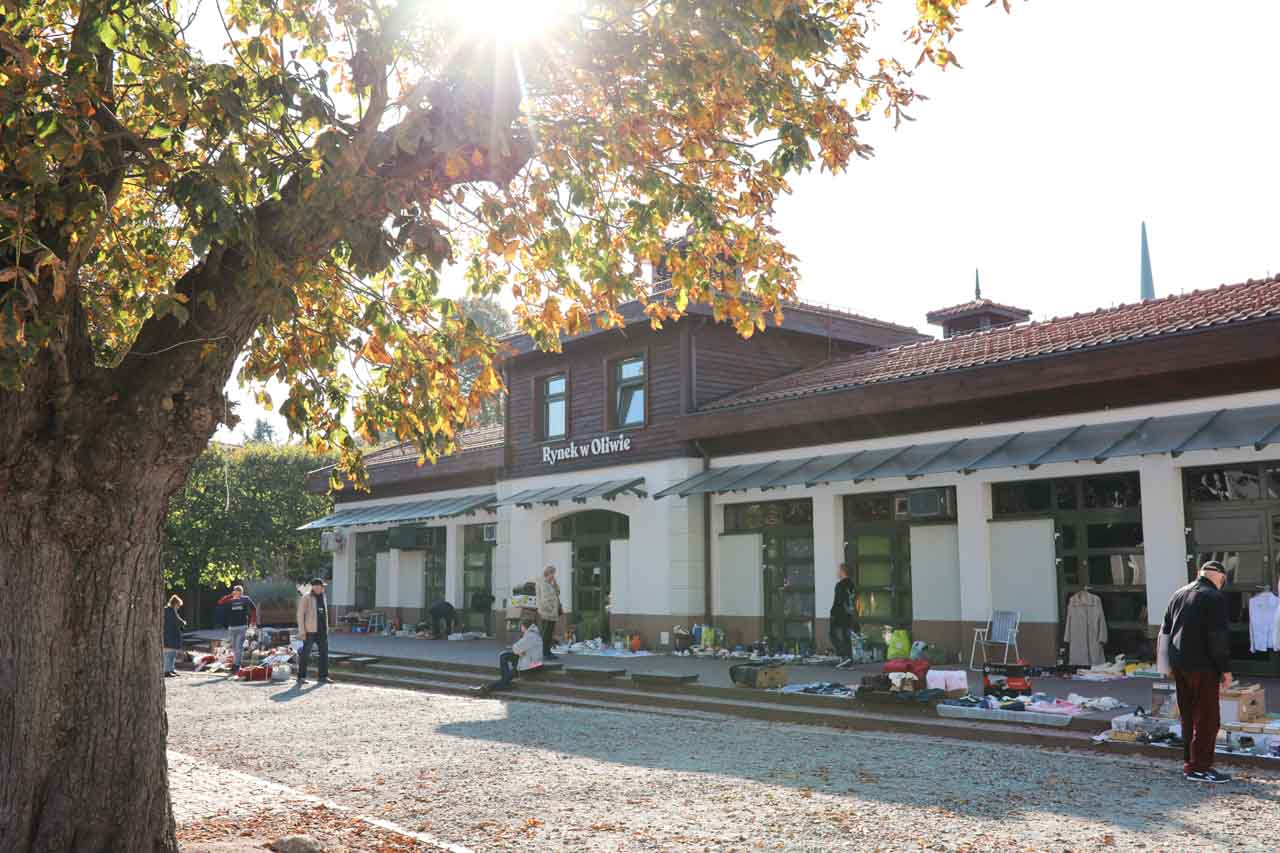
Between May and September, there’s a flea market every Sunday on the square behind Kami Market on Polanki Street. You can then grab a coffee from Przelewki by Fat Duck (my absolute favourite!) and head straight to Oliwa Park.
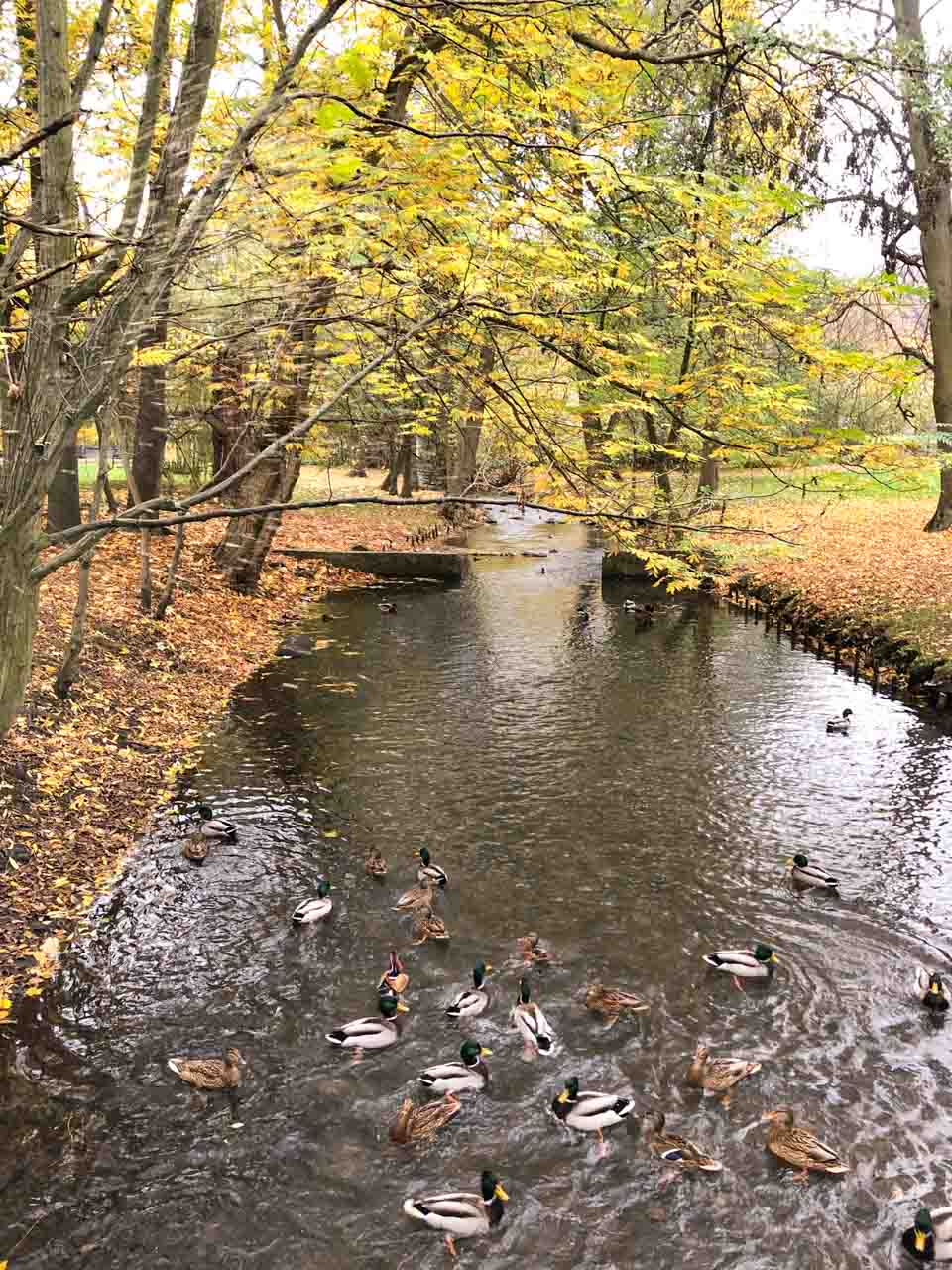
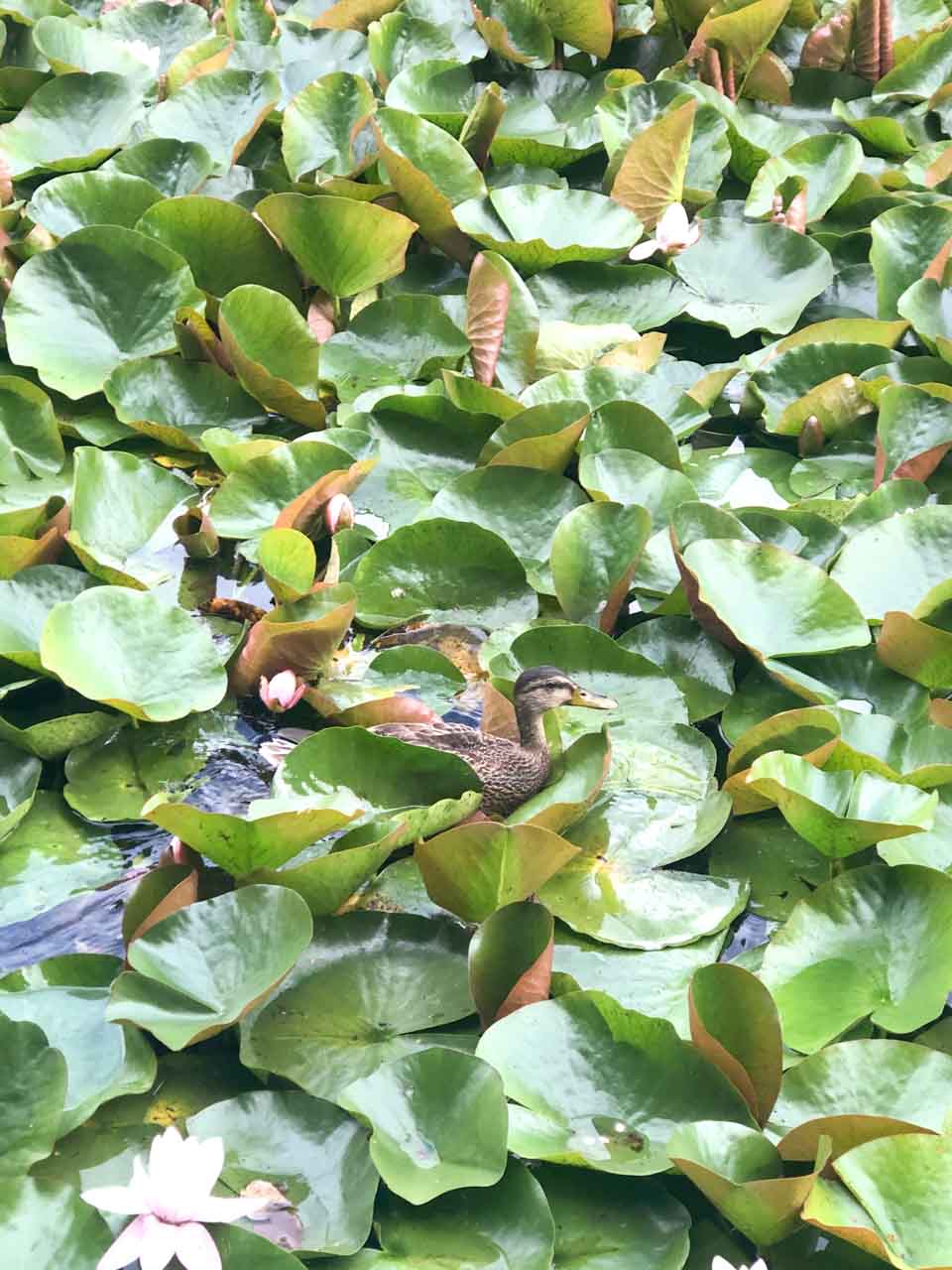
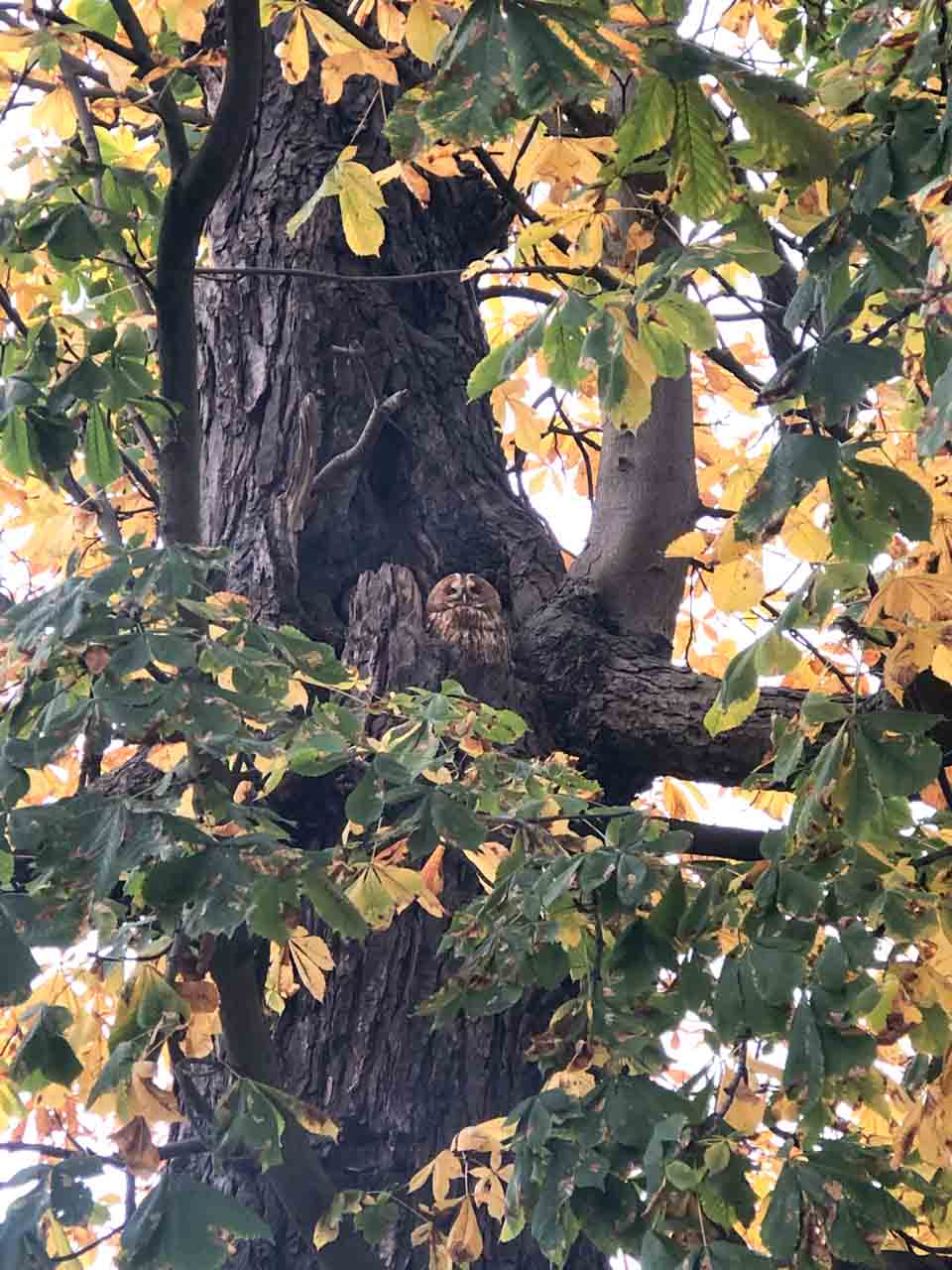
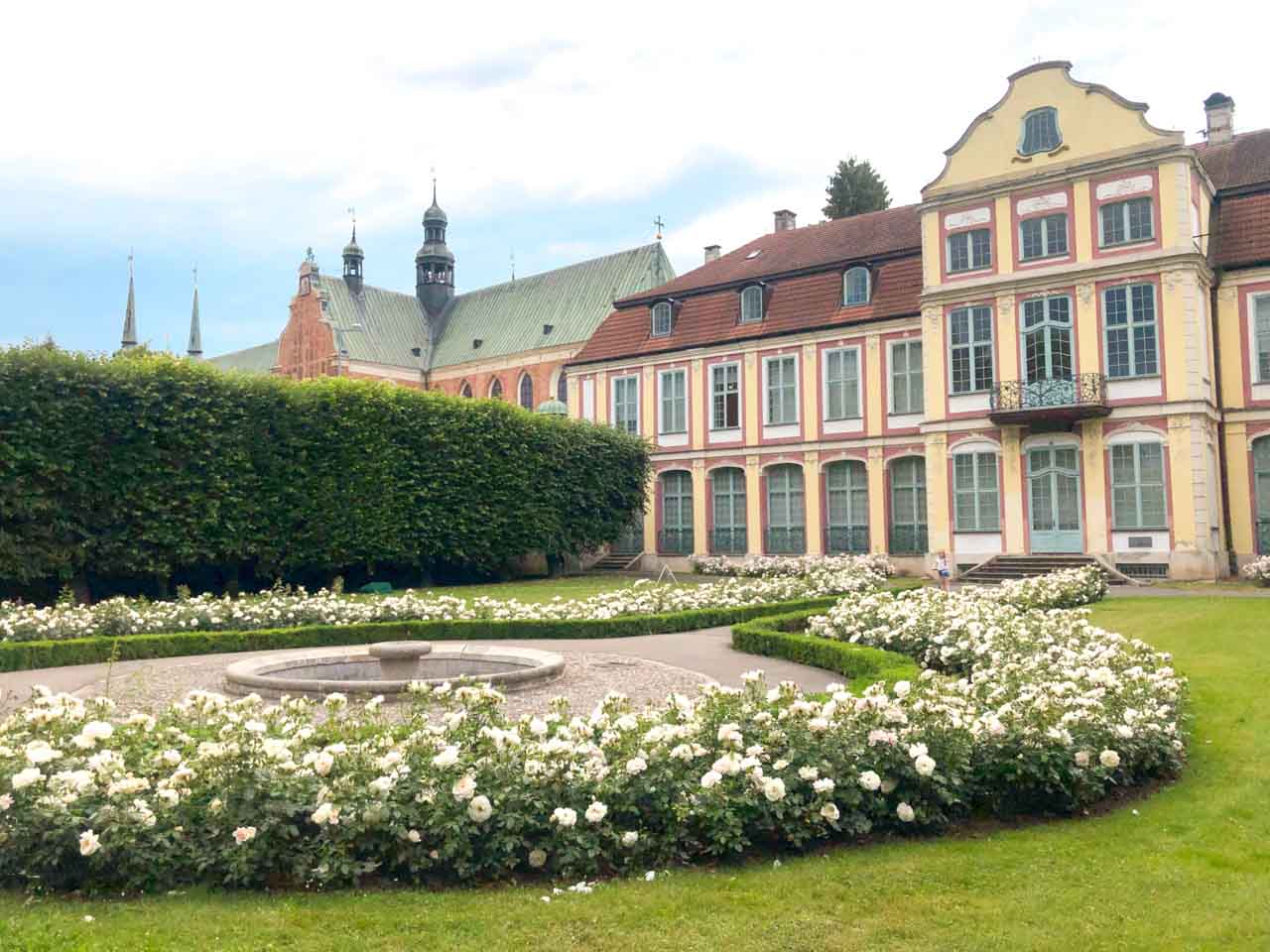
I used to live right next to the park and was there almost every day – it’s magical in every season. There’s a beautiful Japanese garden, peaceful duck ponds with a lone Mandarin duck, and a small palm house you can visit for free.
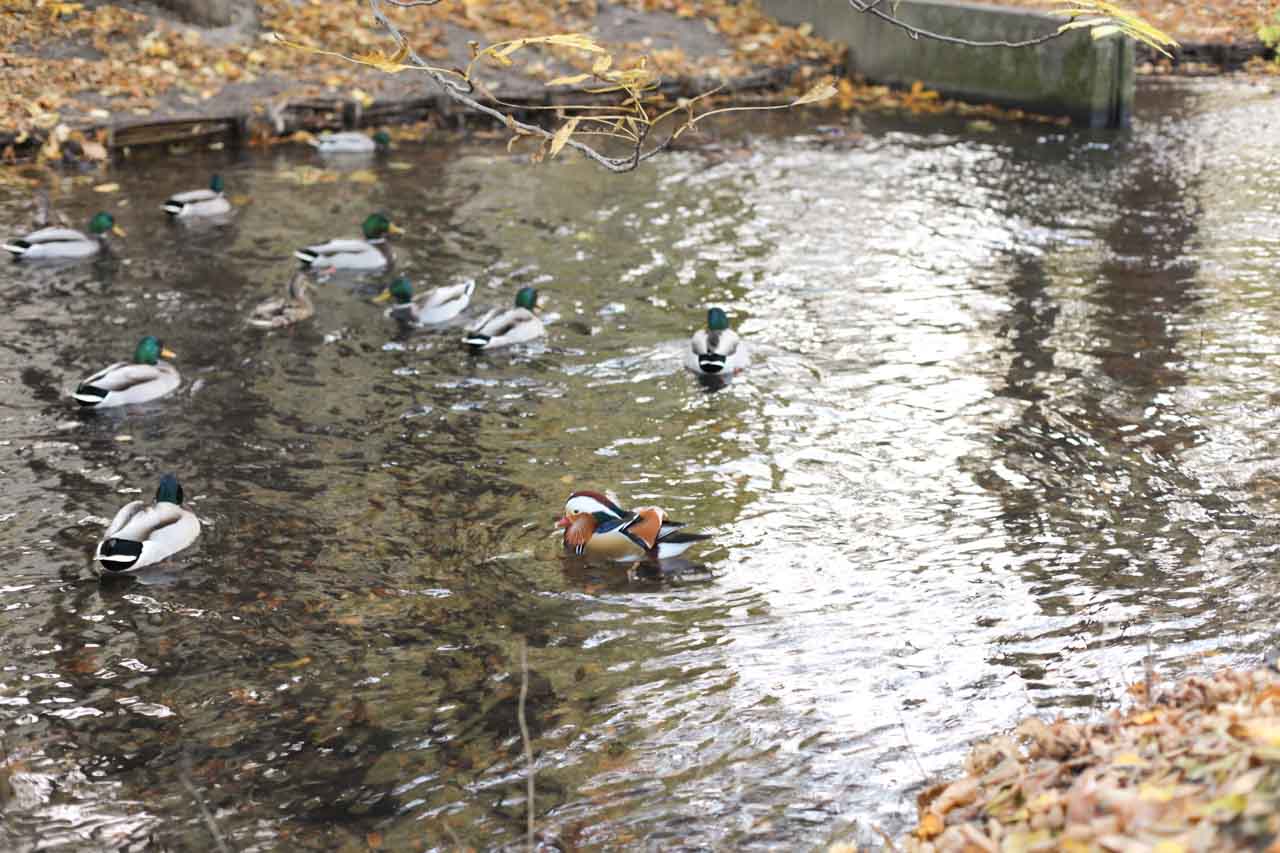
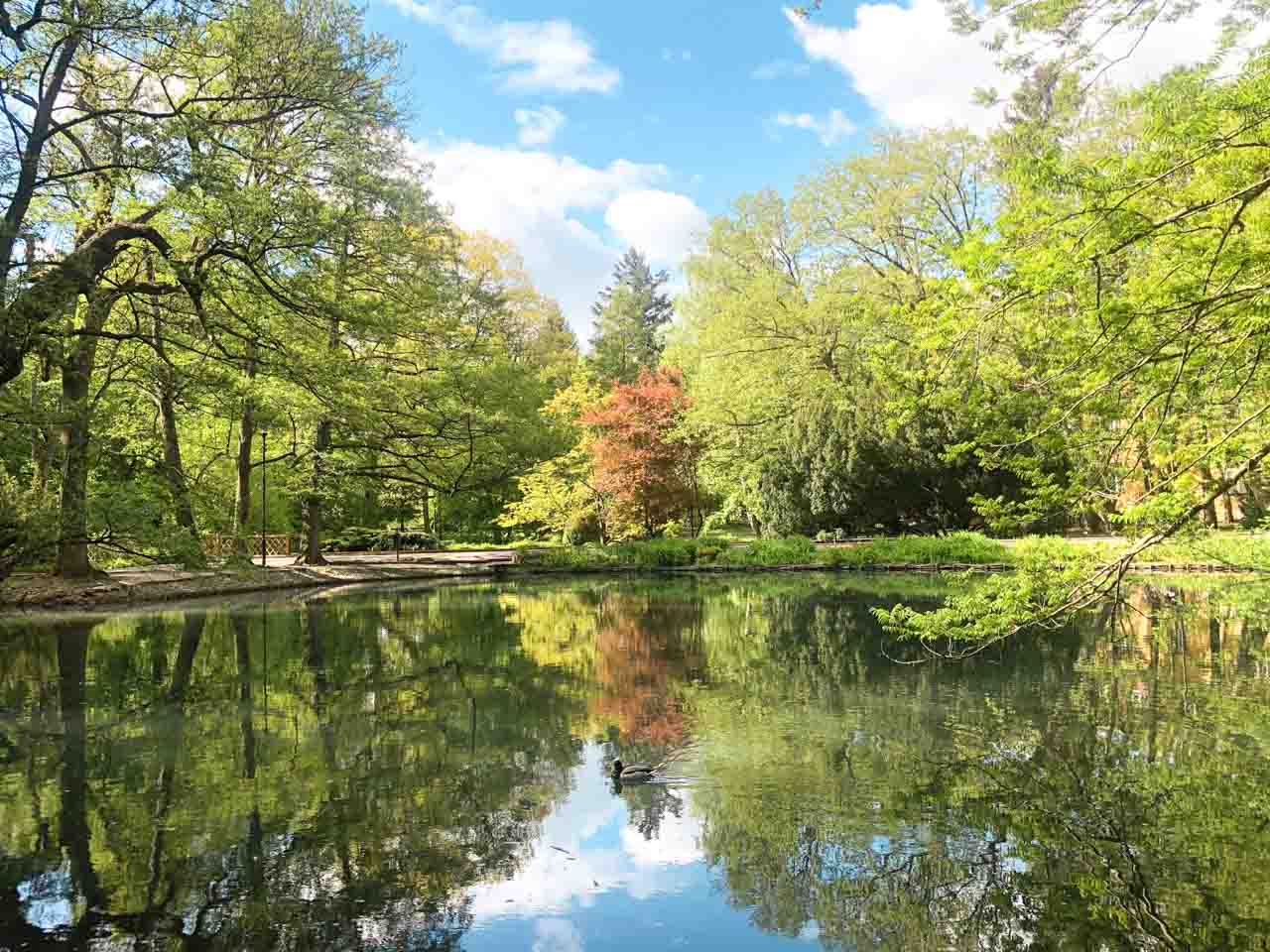
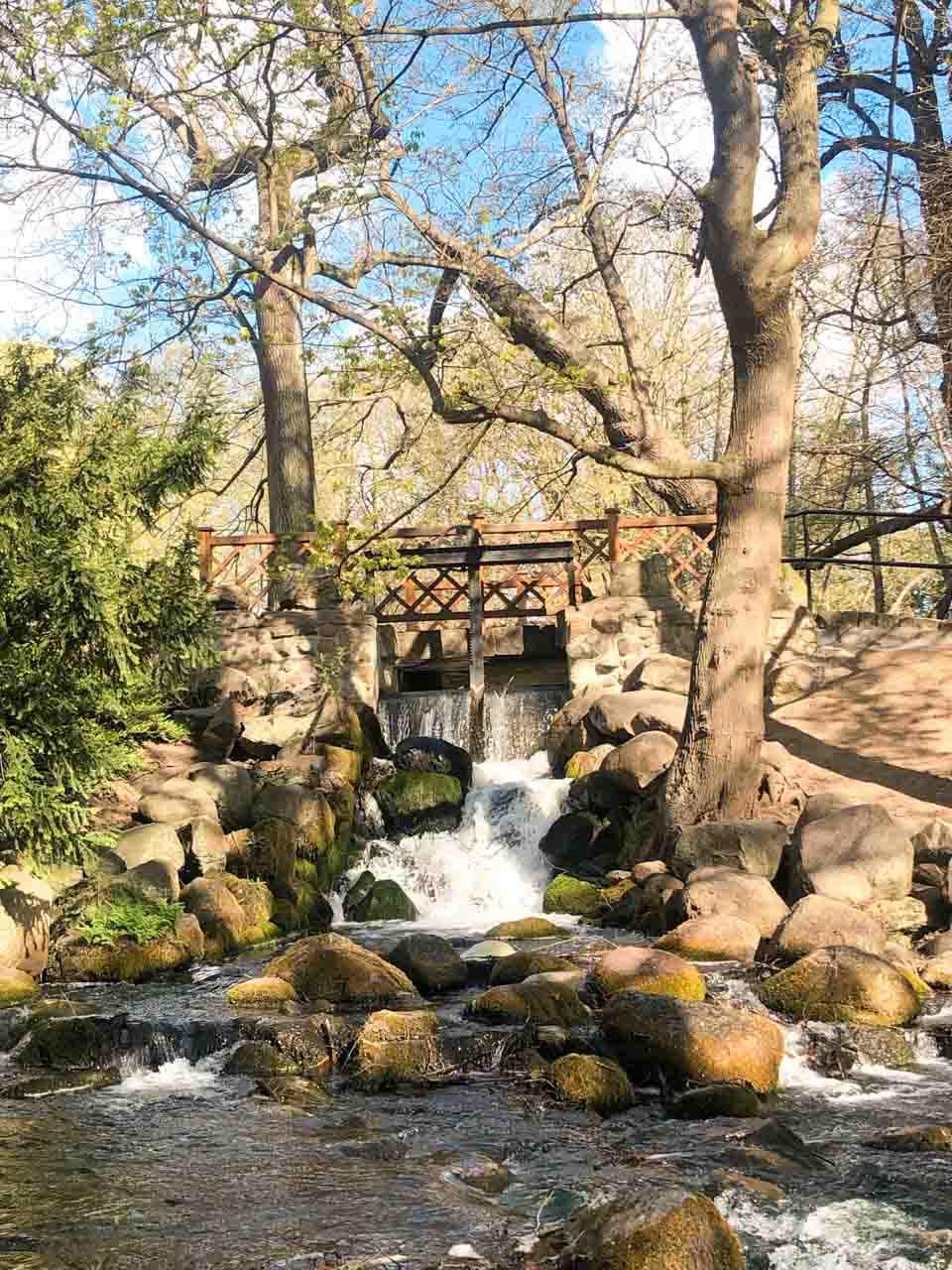
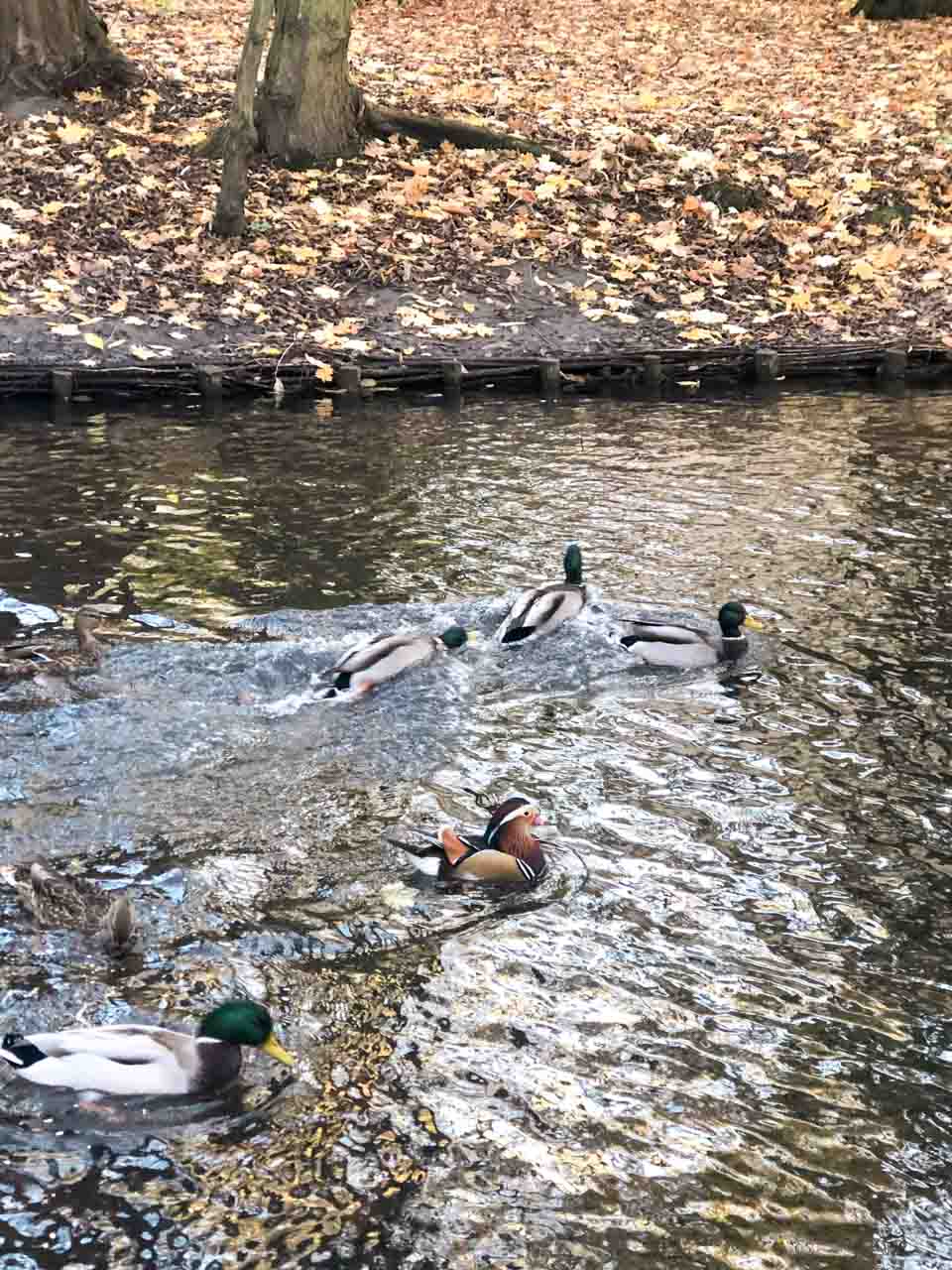
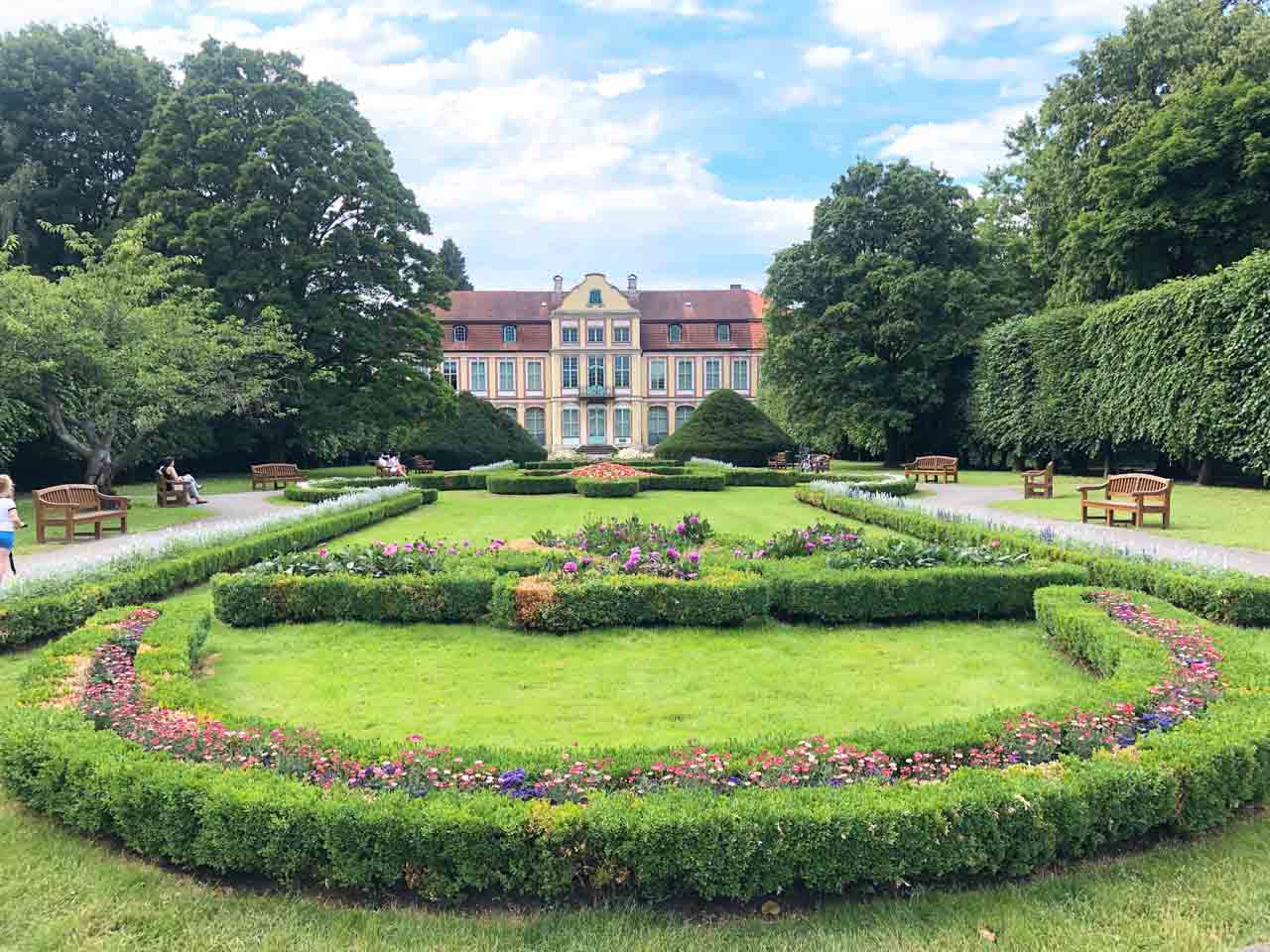
In spring, the magnolia trees are in full bloom, and every August, the Mozartiana Festival brings free classical concerts to the park. Around Christmas, the park lights up with beautiful decorations, and you can warm up with a mulled wine from the restaurant in Abbots’ Palace.

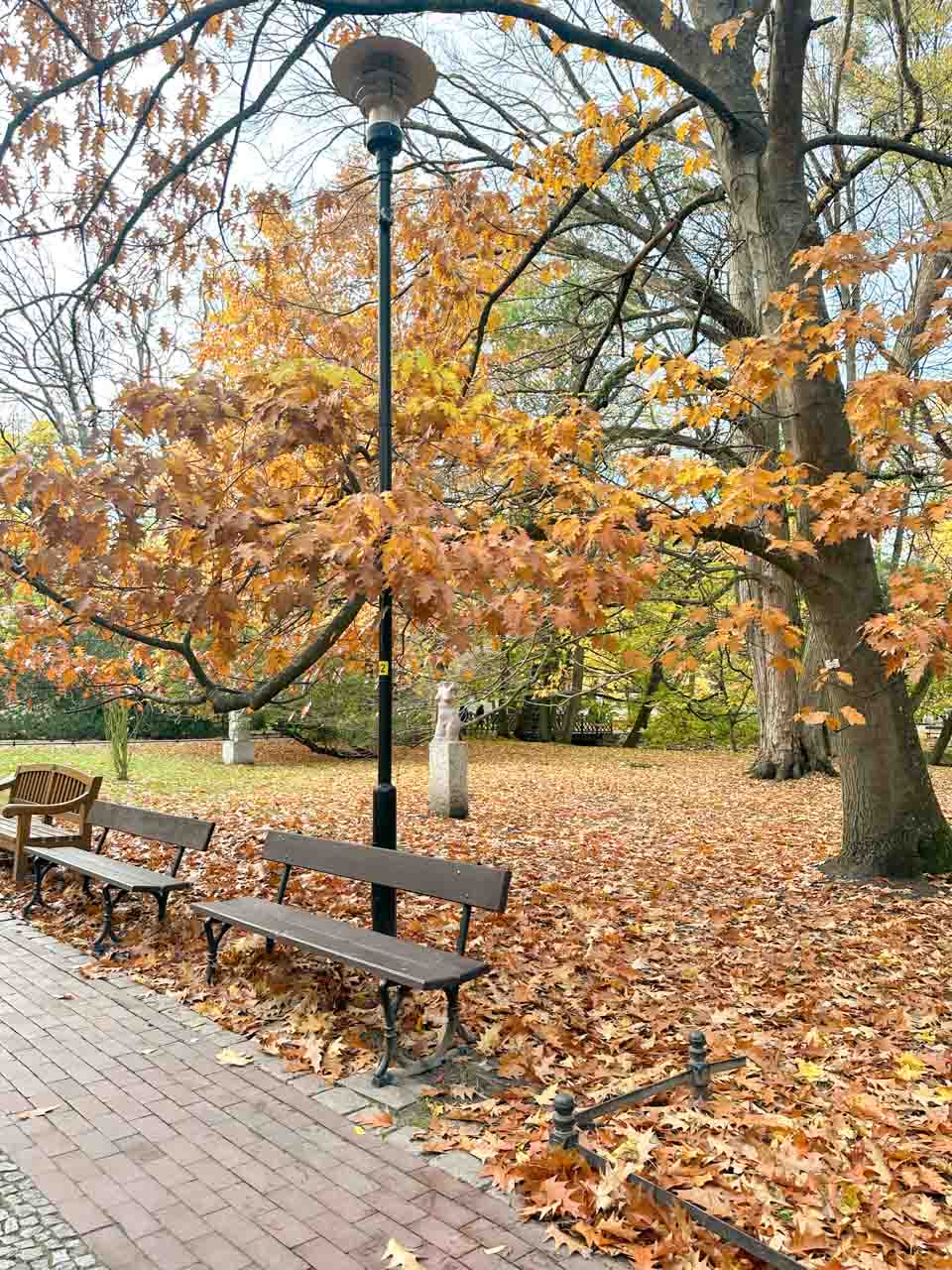
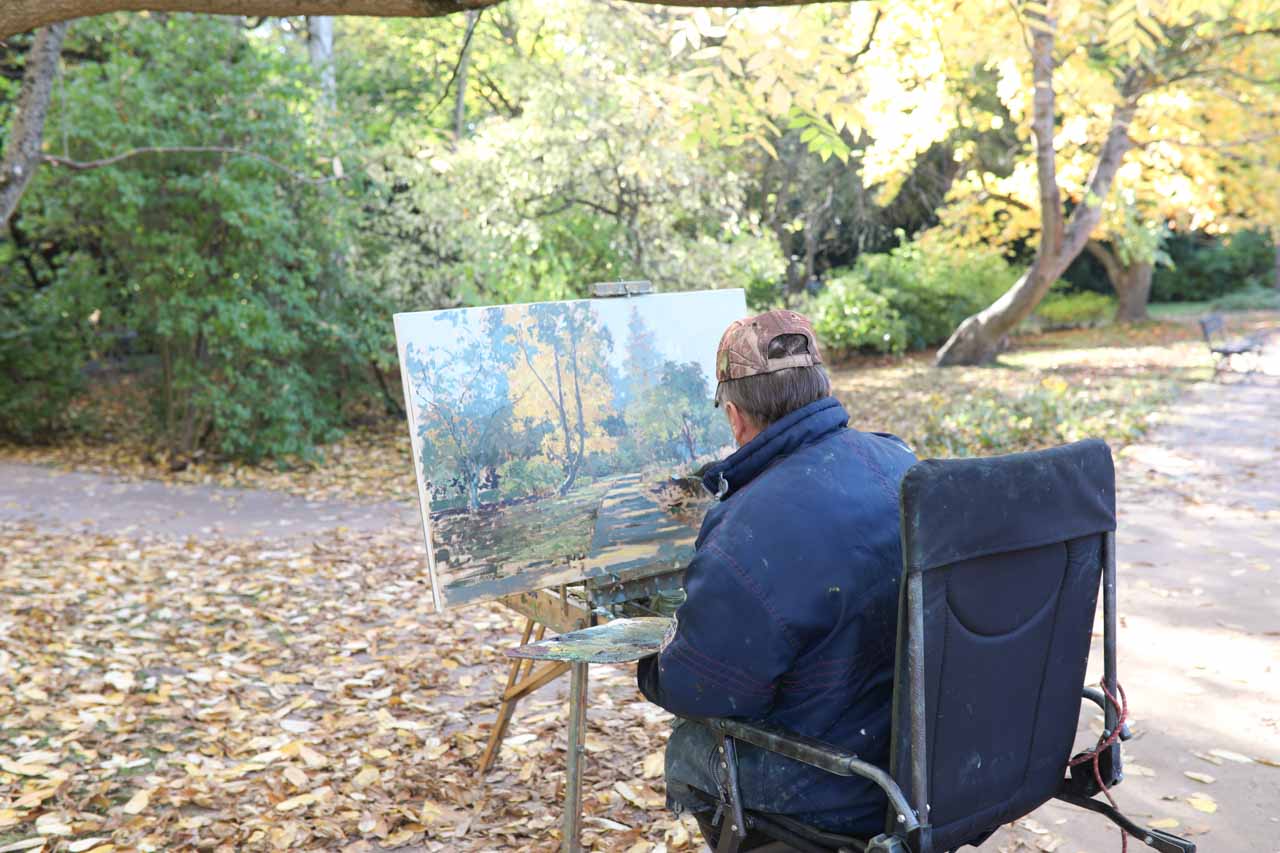
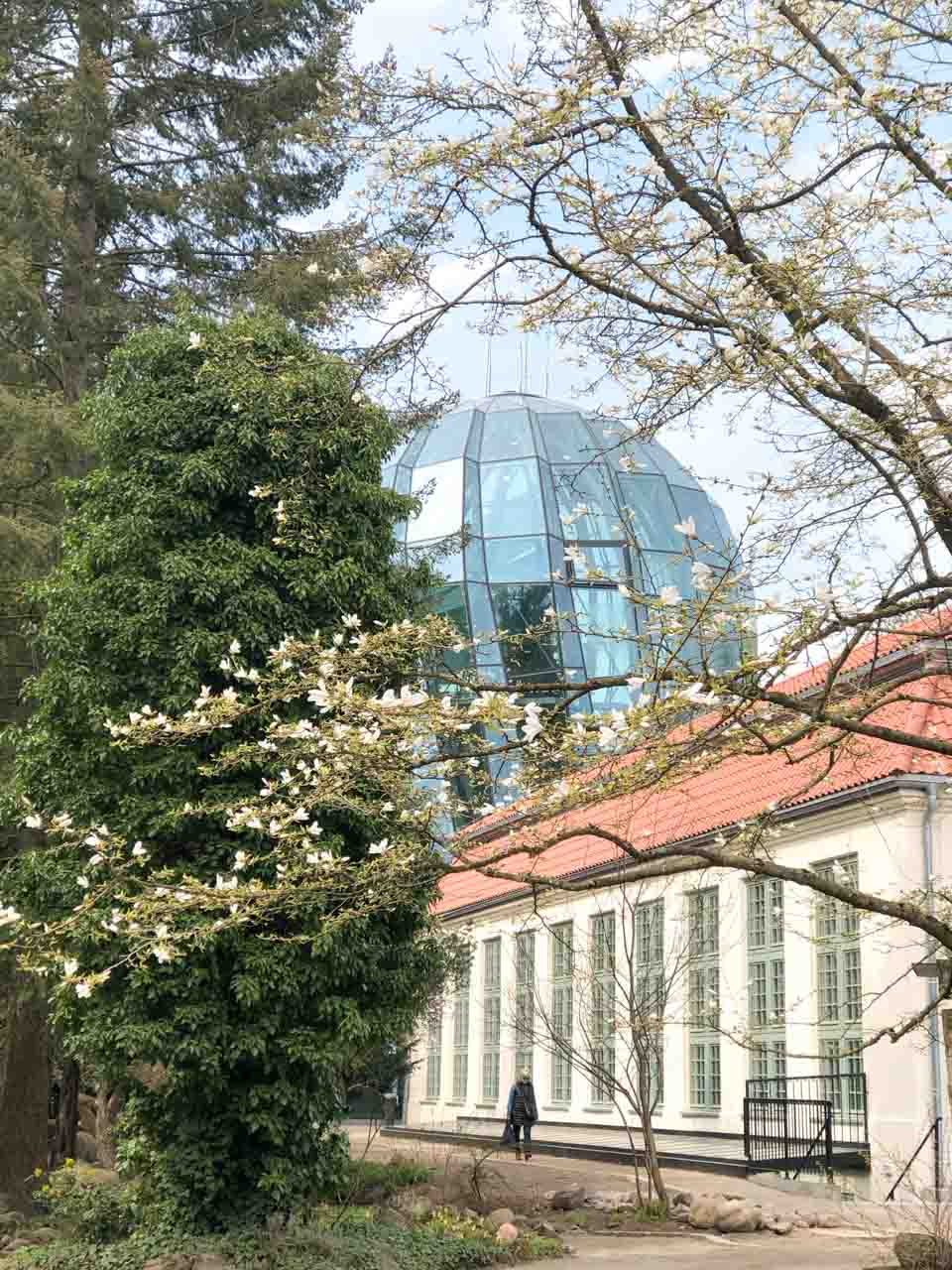
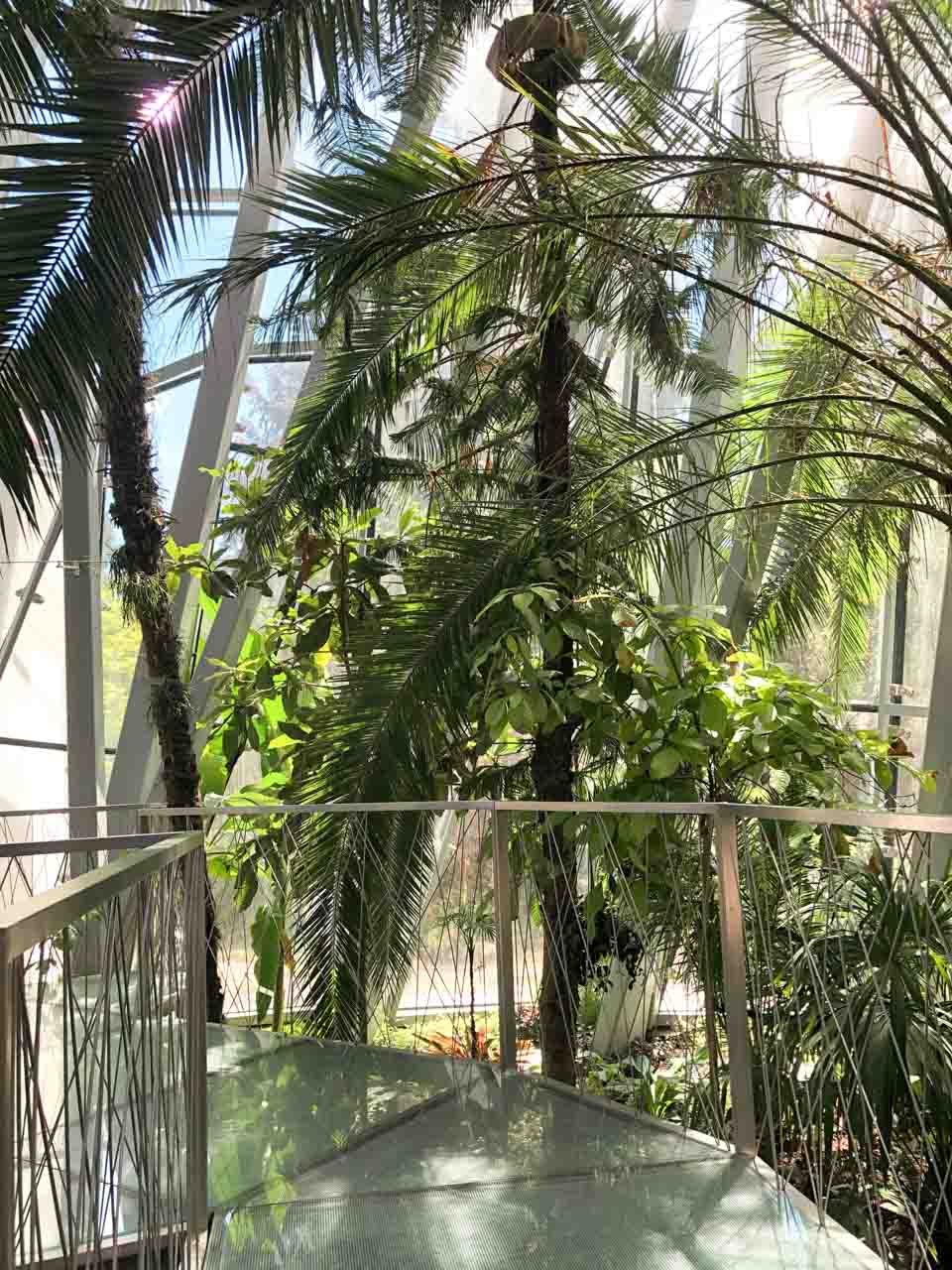
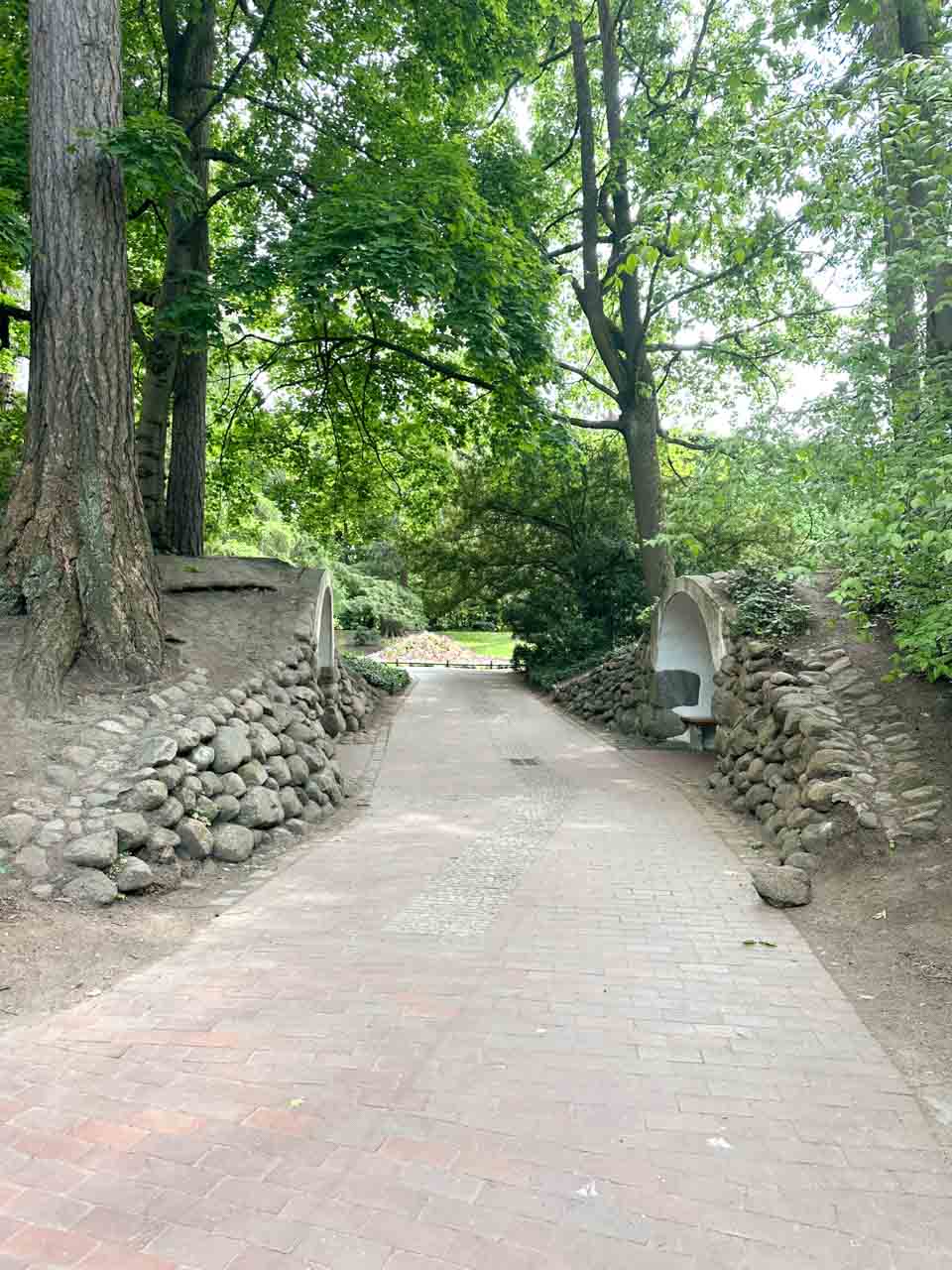
Across from the palm house, there’s also a quirky little attraction – two stone “whispering caves” facing each other. If you stand in one and whisper, the person in the other will hear you perfectly!
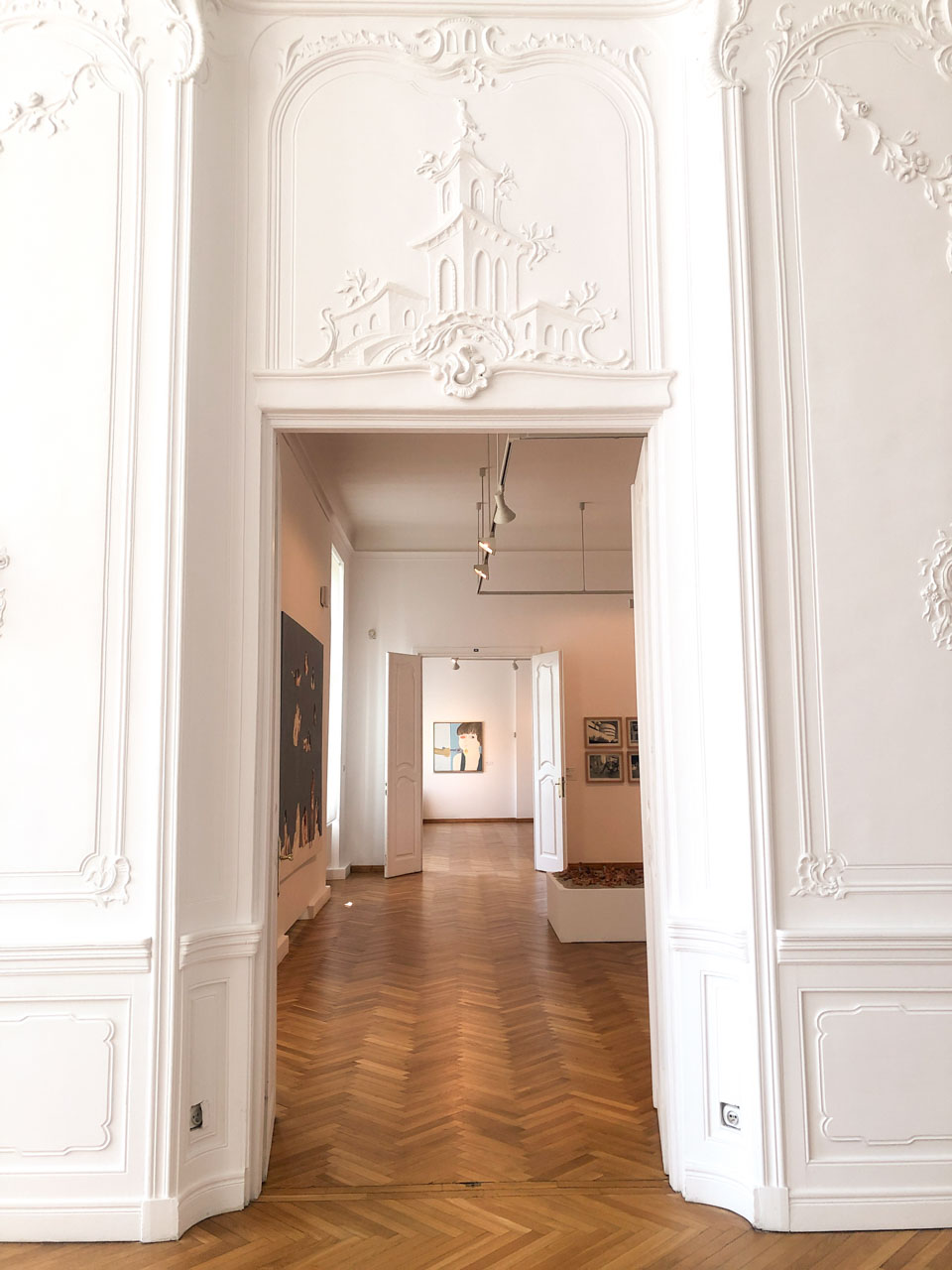
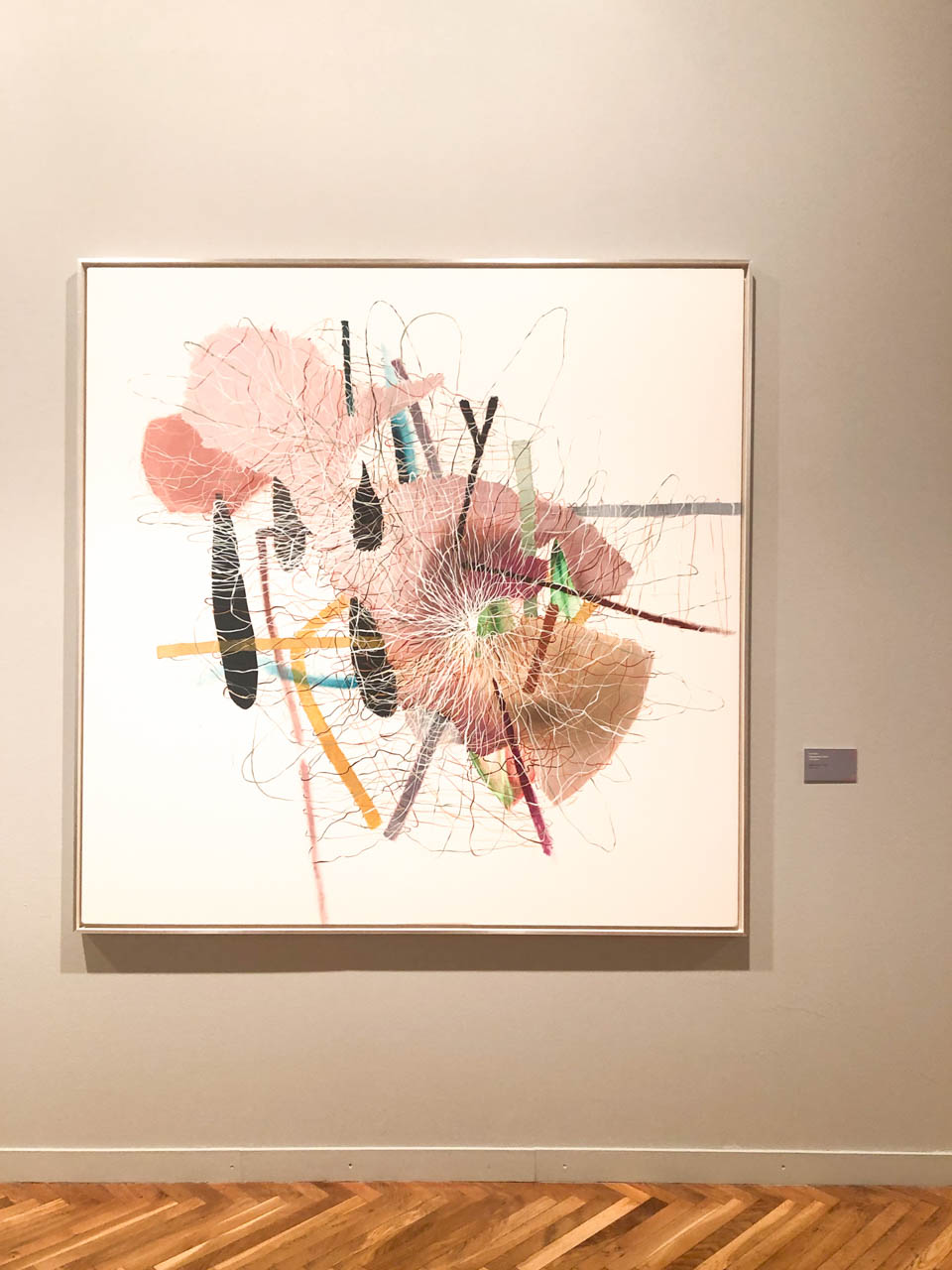
Inside Abbots’ Palace, you’ll also find the Department of Modern Art, part of the National Museum.
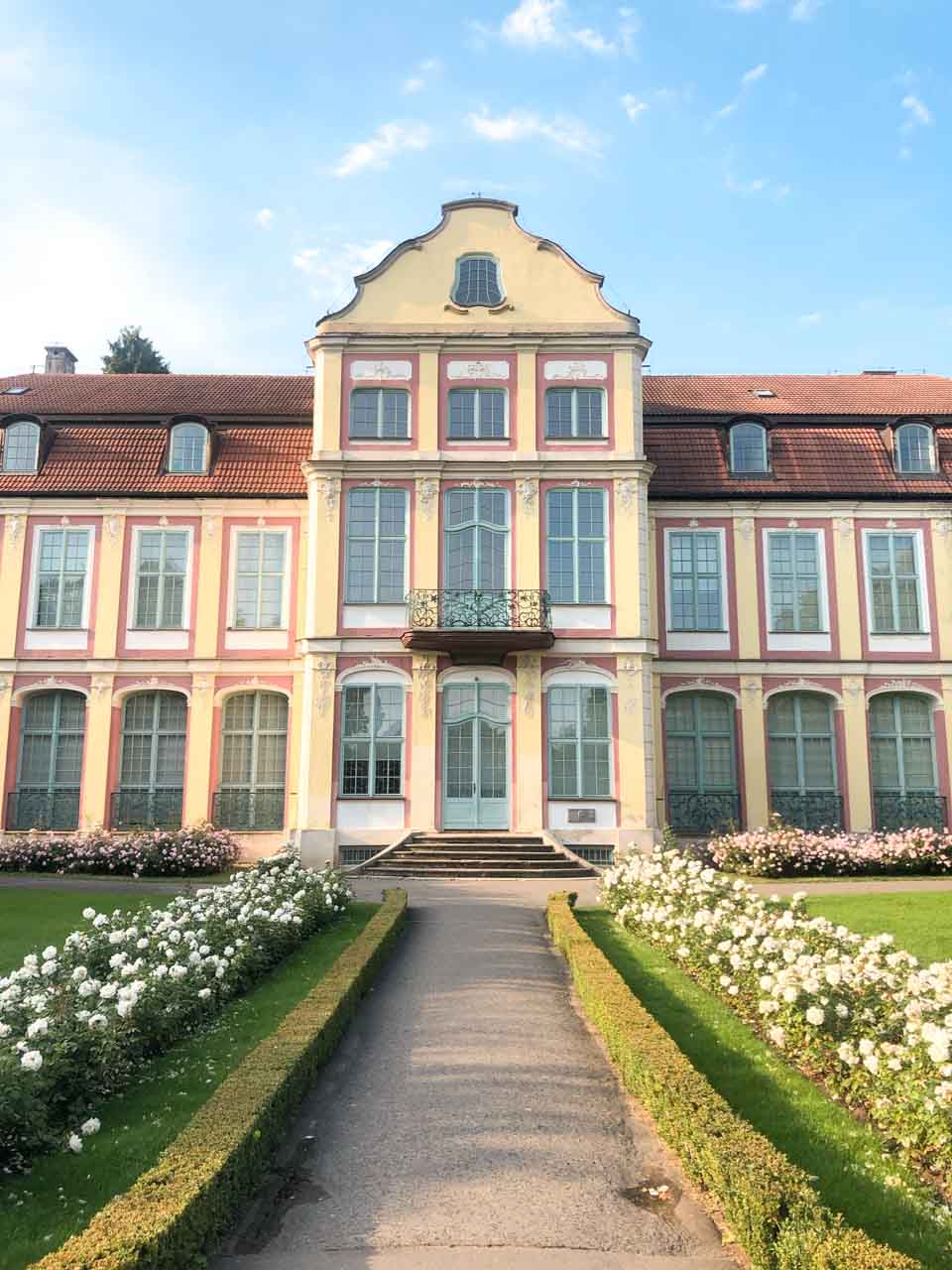
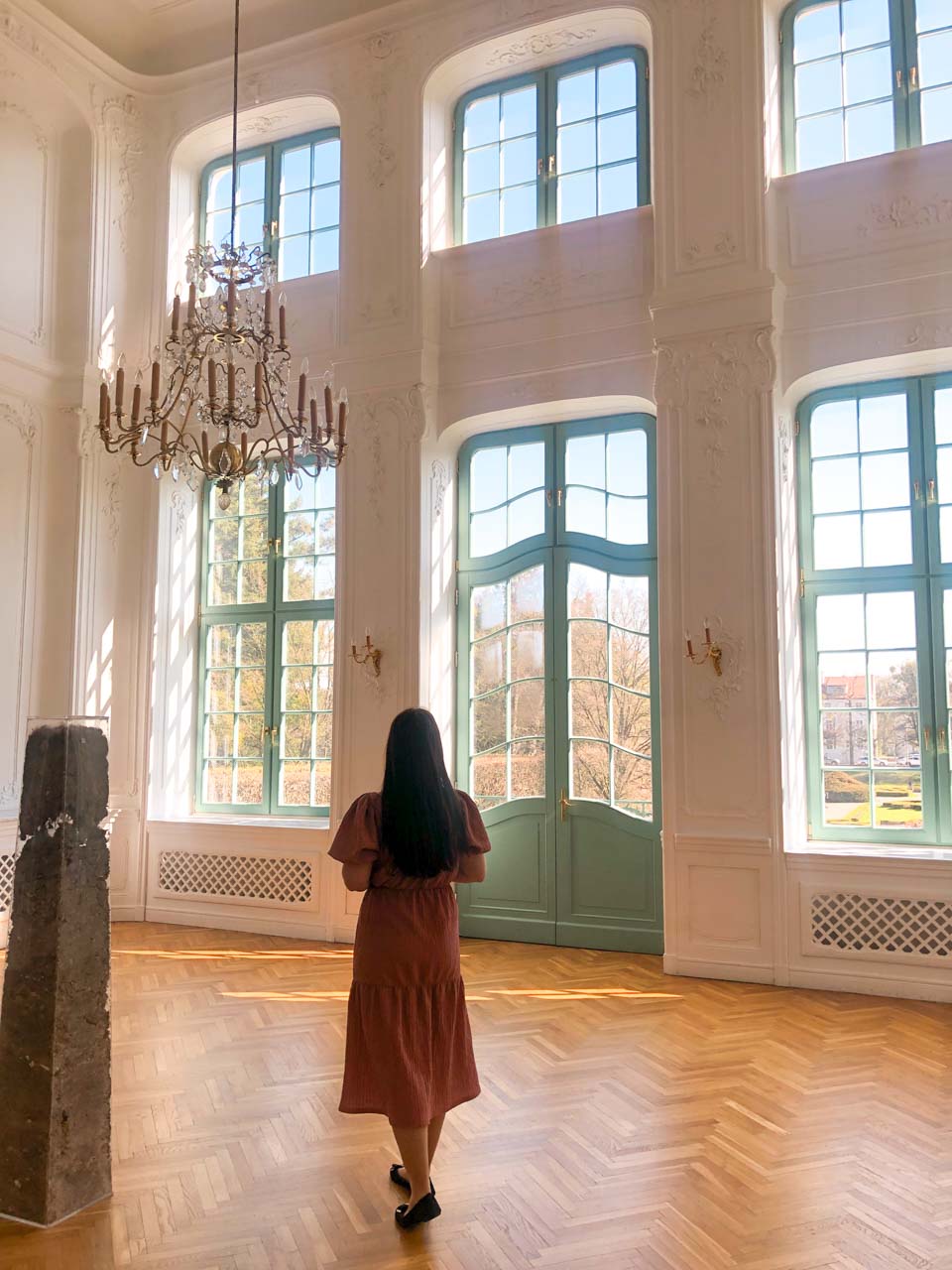


It’s free to visit on Fridays – and even if contemporary art isn’t your thing (it’s not mine either!), the interiors alone make it worth popping in.
If you’re already in the area, I’d also suggest a quick stop at Oliwa Cathedral. And, if you’re up for a short walk, there’s an observation deck in the nearby forest called Pachołek – it takes less than 20 minutes to reach from Oliwa Park and offers a lovely view over the city.
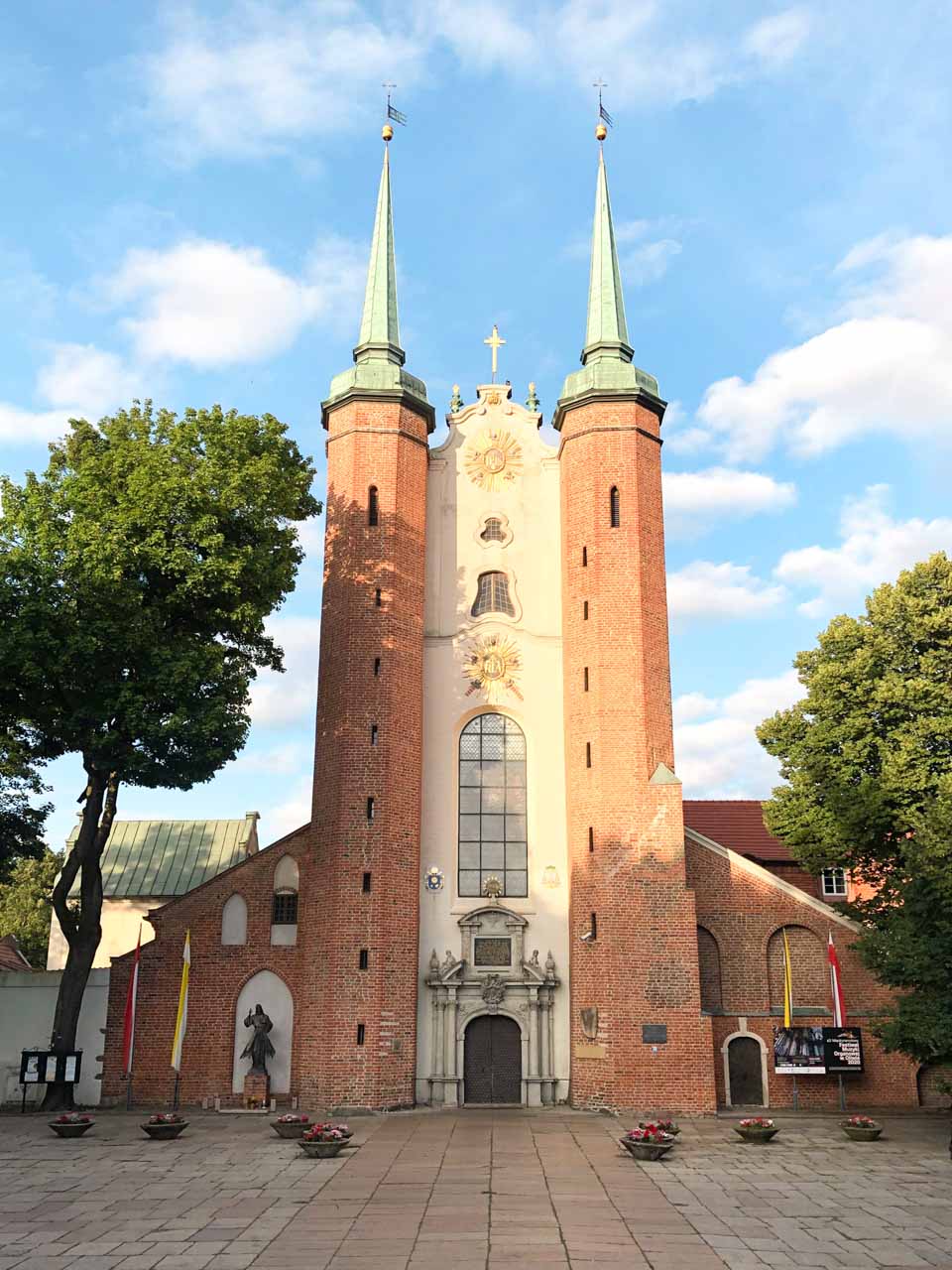
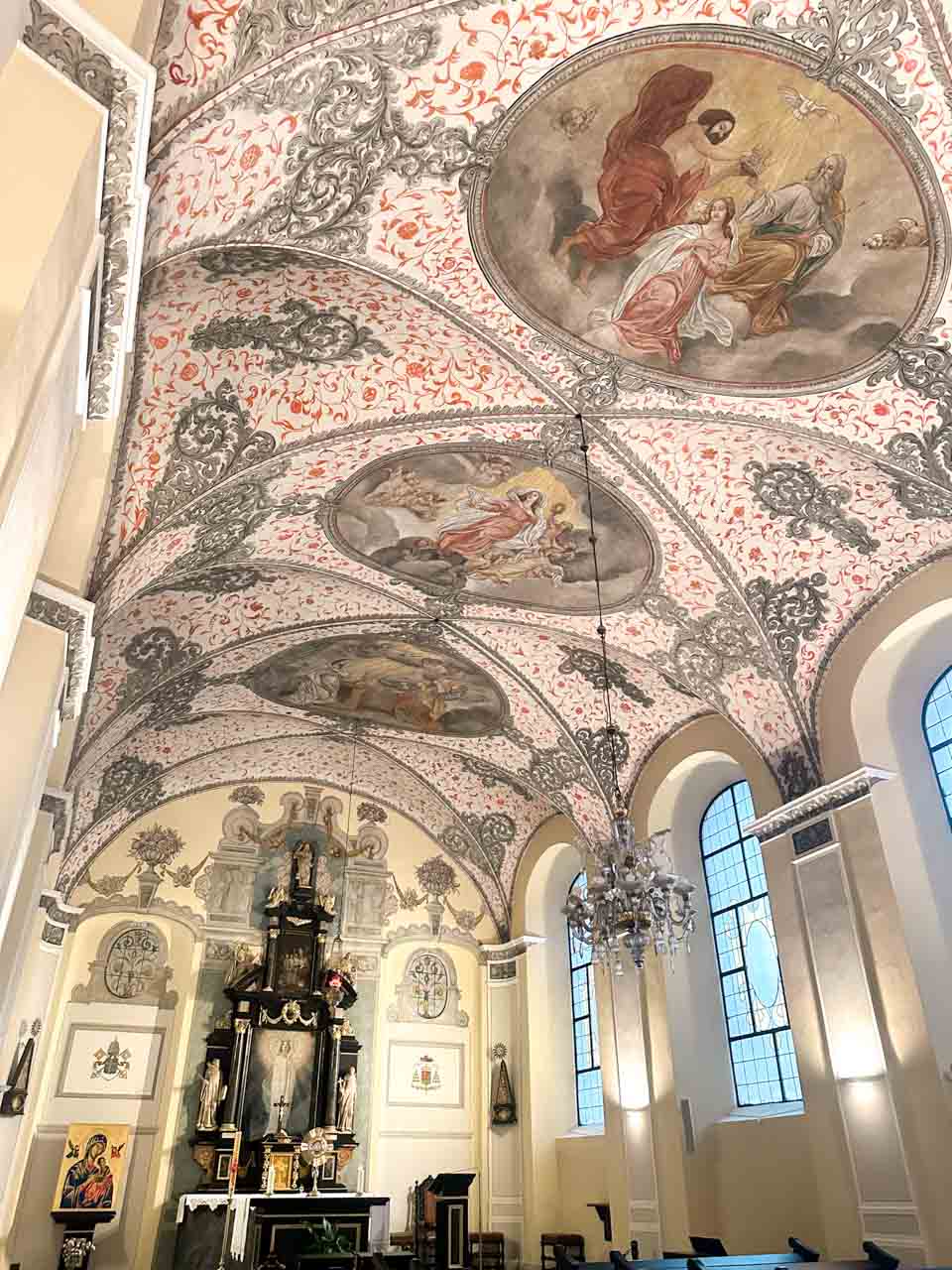
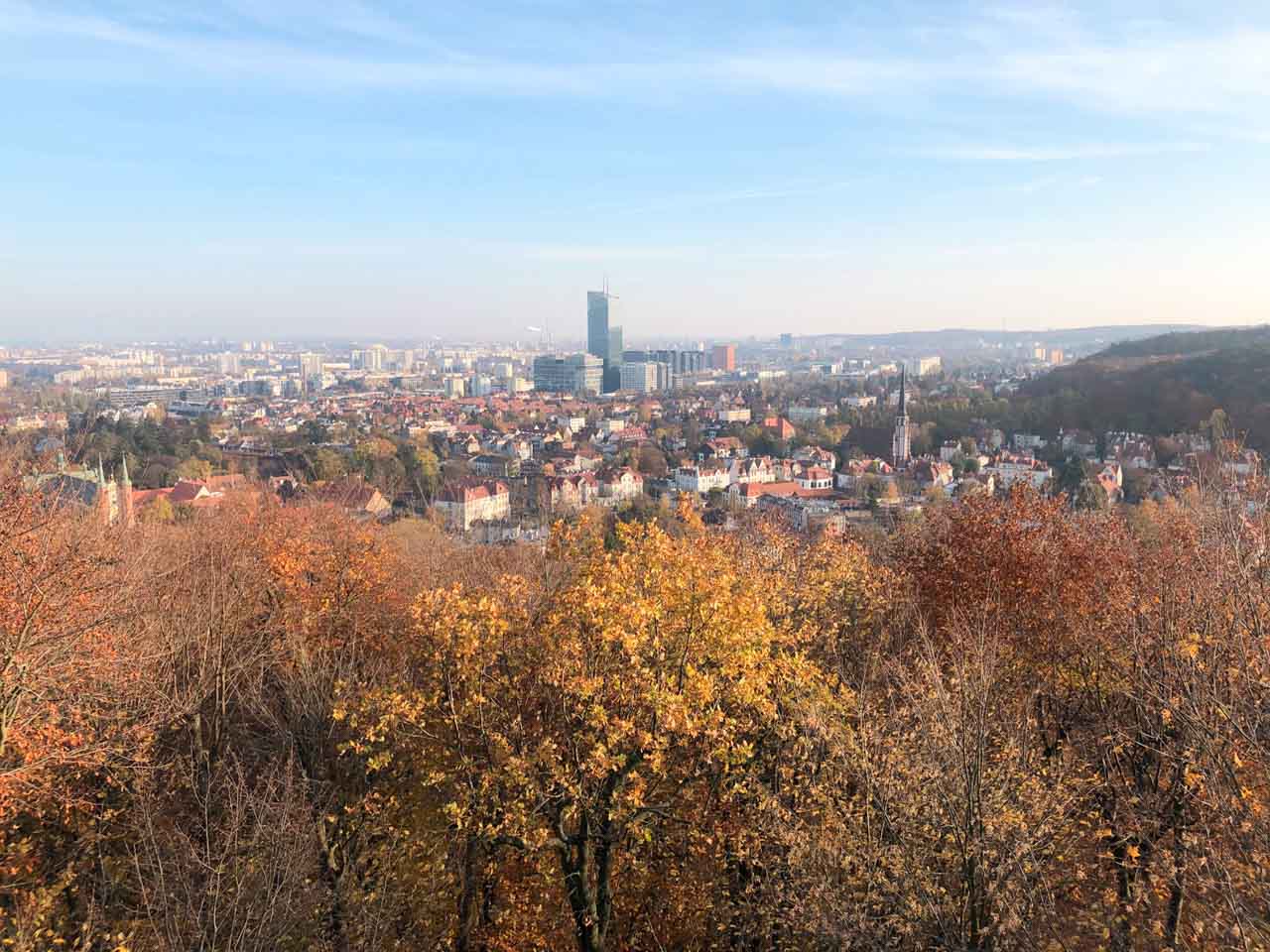
16. See the world’s only albino penguin in a zoo
I know this might be a bit of a divisive recommendation, as many people feel strongly that zoos shouldn’t exist. I’m totally against animal cruelty too, and I genuinely believe zoos can help protect endangered species when they care for animals properly and support conservation.
Here’s a little heartwarming story to show what I mean. The Gdańsk Zoo is home to Kokosanka (which means Coconut Bun) – an albino African penguin born in December 2018. She’s the only albino penguin living in a zoo anywhere in the world, and in 2024, she won the March of the Penguin Madness competition, making her a bit of a local celebrity.
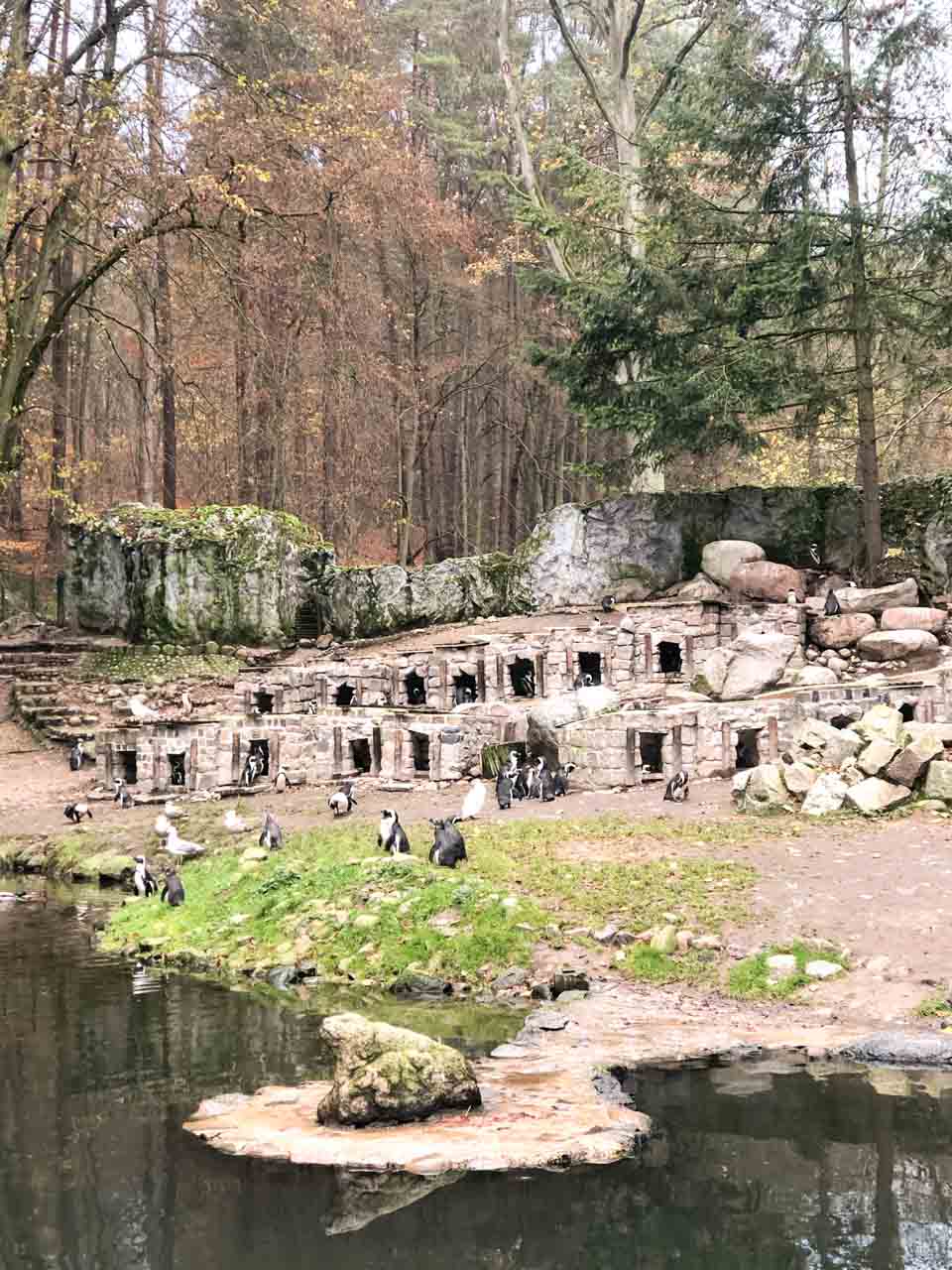
If she’d been born in the wild, she likely wouldn’t have survived, as albino penguins often get bullied or abandoned by their own colonies. Here in Gdańsk, she seems to be thriving.

The last time I visited, she was actually leading the group and waiting by the gate for the keeper to arrive with food. If you’re travelling with kids or you just love animals, this is a rare chance to see something truly unique.

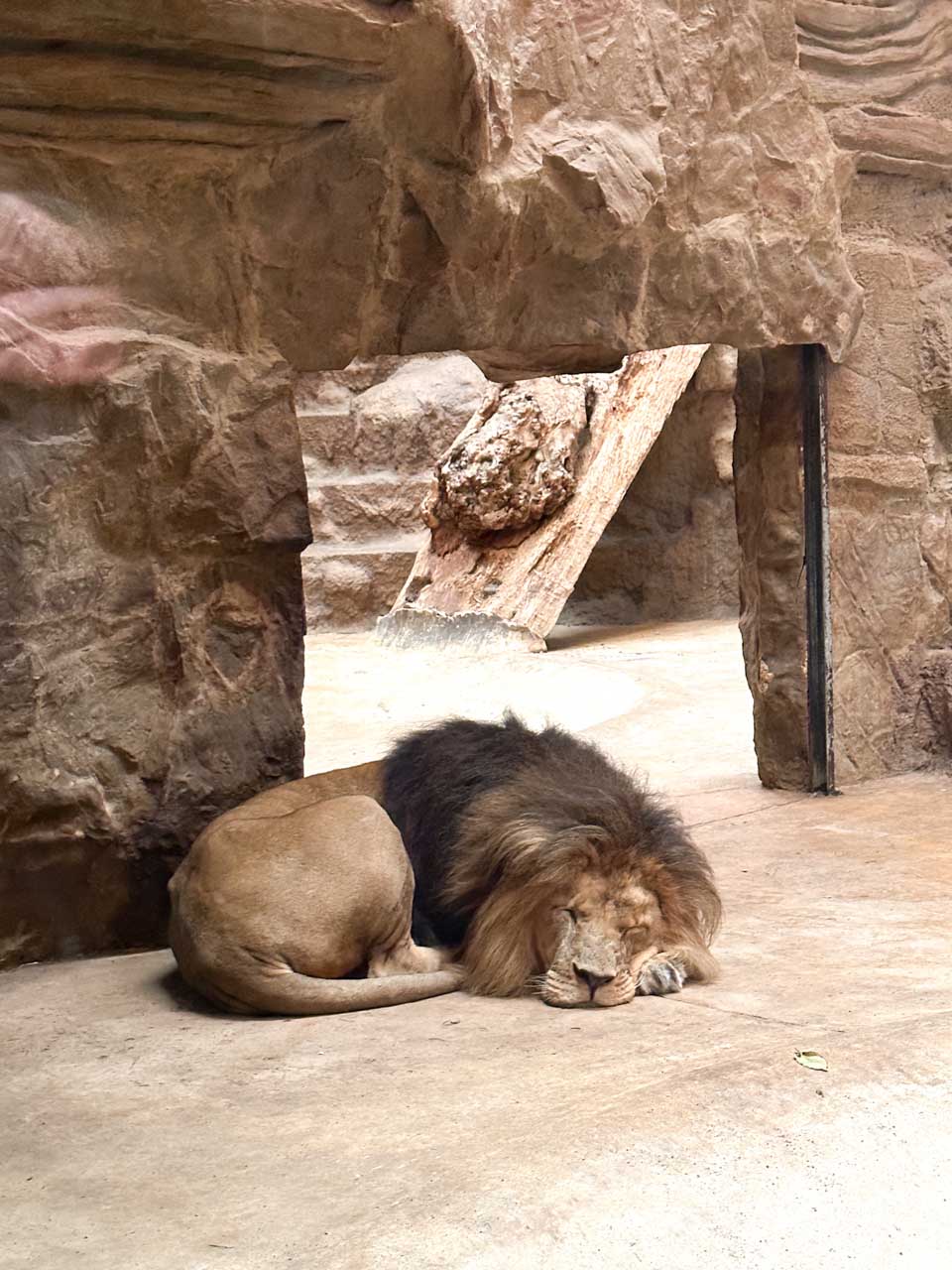
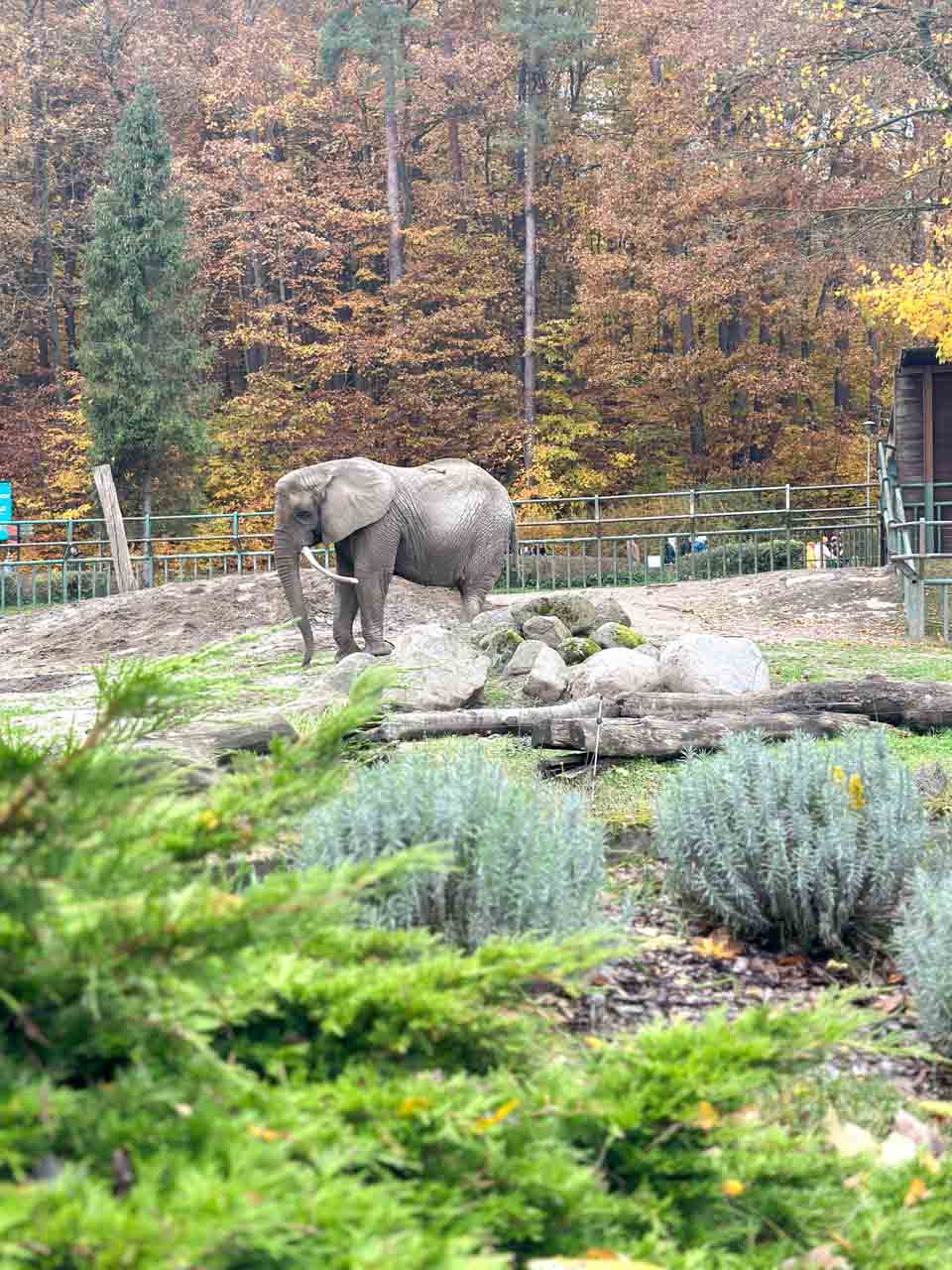
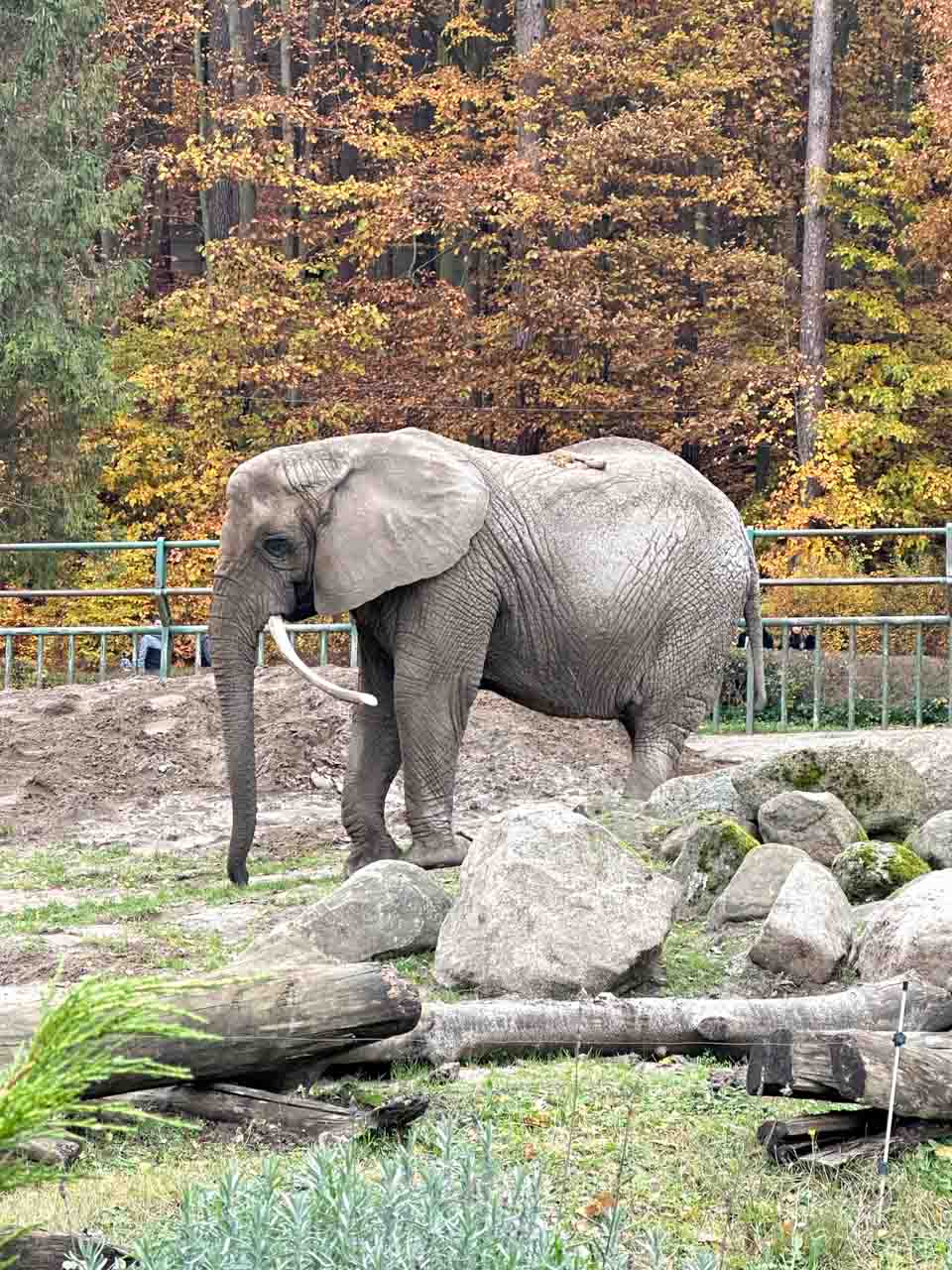
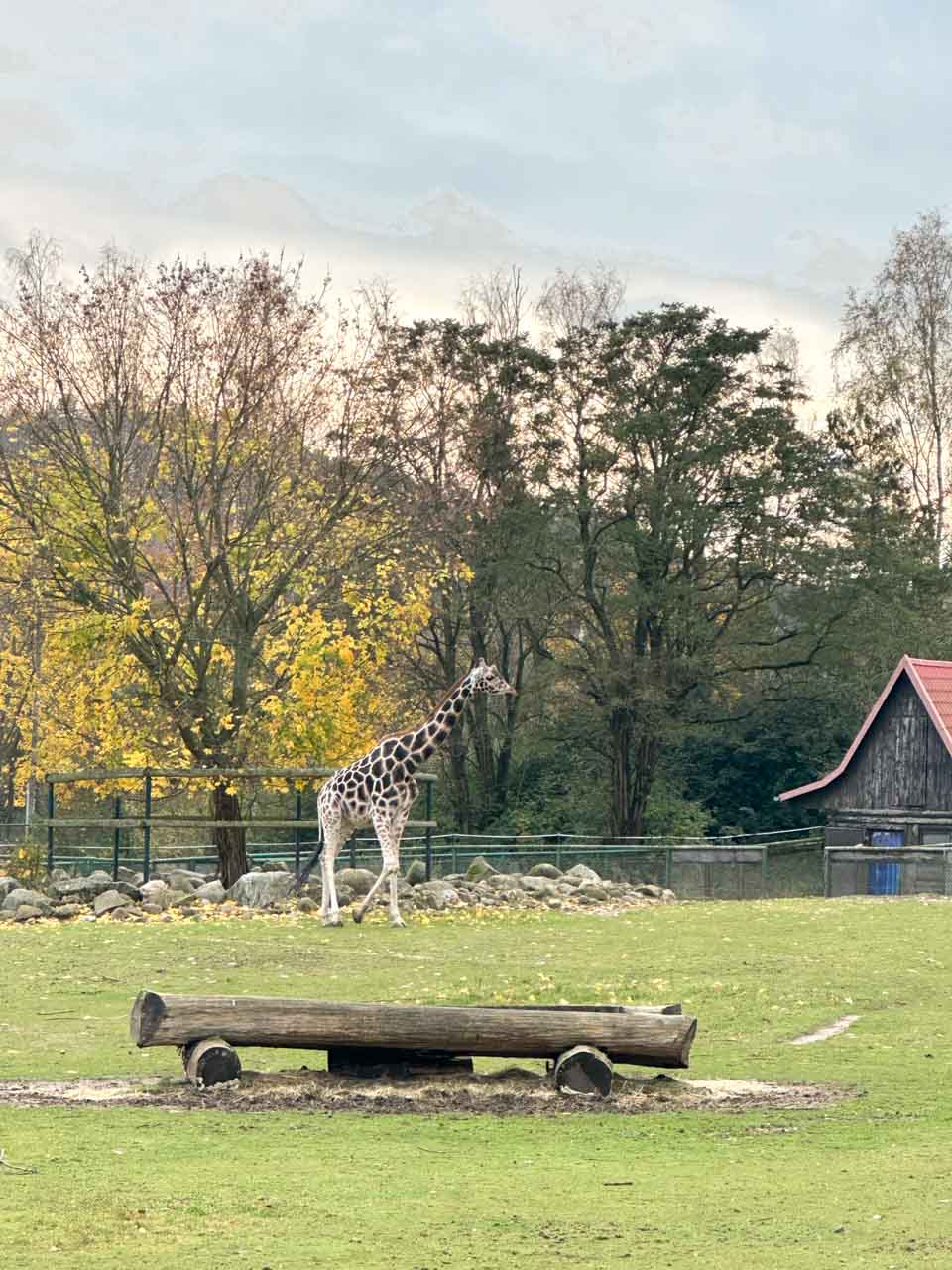
The zoo itself dates back to the 1950s, so don’t expect modern enclosures or fancy extras like aquariums or orientariums. Still, it’s a pleasant way to spend an afternoon. Tickets cost 45 PLN (around €10.60 / £9.20) between April and September, and 30 PLN (around €7.10 / £6.10) between October and March.
17. Visit the tallest building in Gdańsk
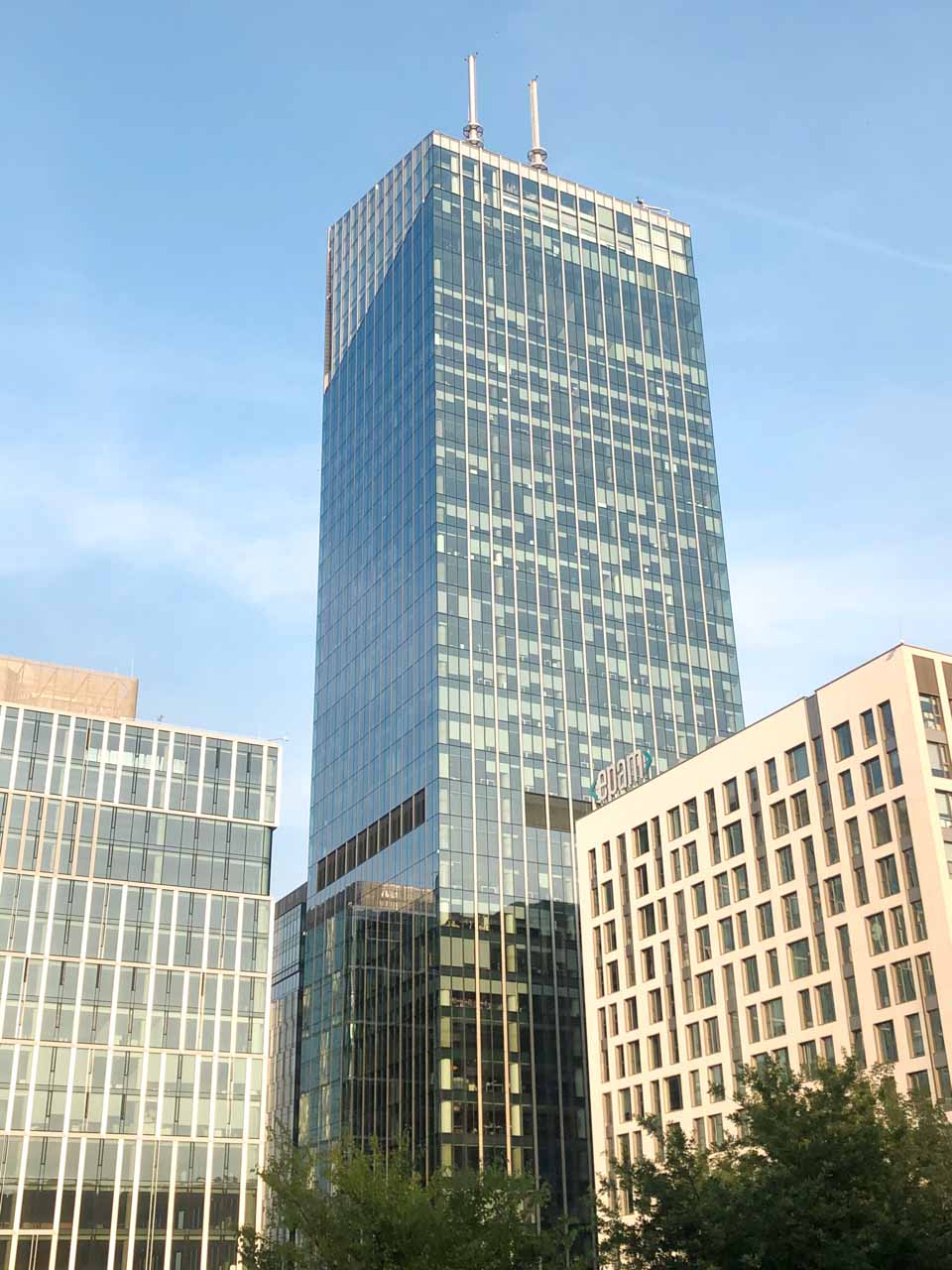
This is one of my favourite places in Gdańsk, and I’ve taken pretty much every guest here over the years. Olivia Star is the tallest building in the whole Tricity area, and the 32nd floor has an observation deck with incredible 360-degree views.
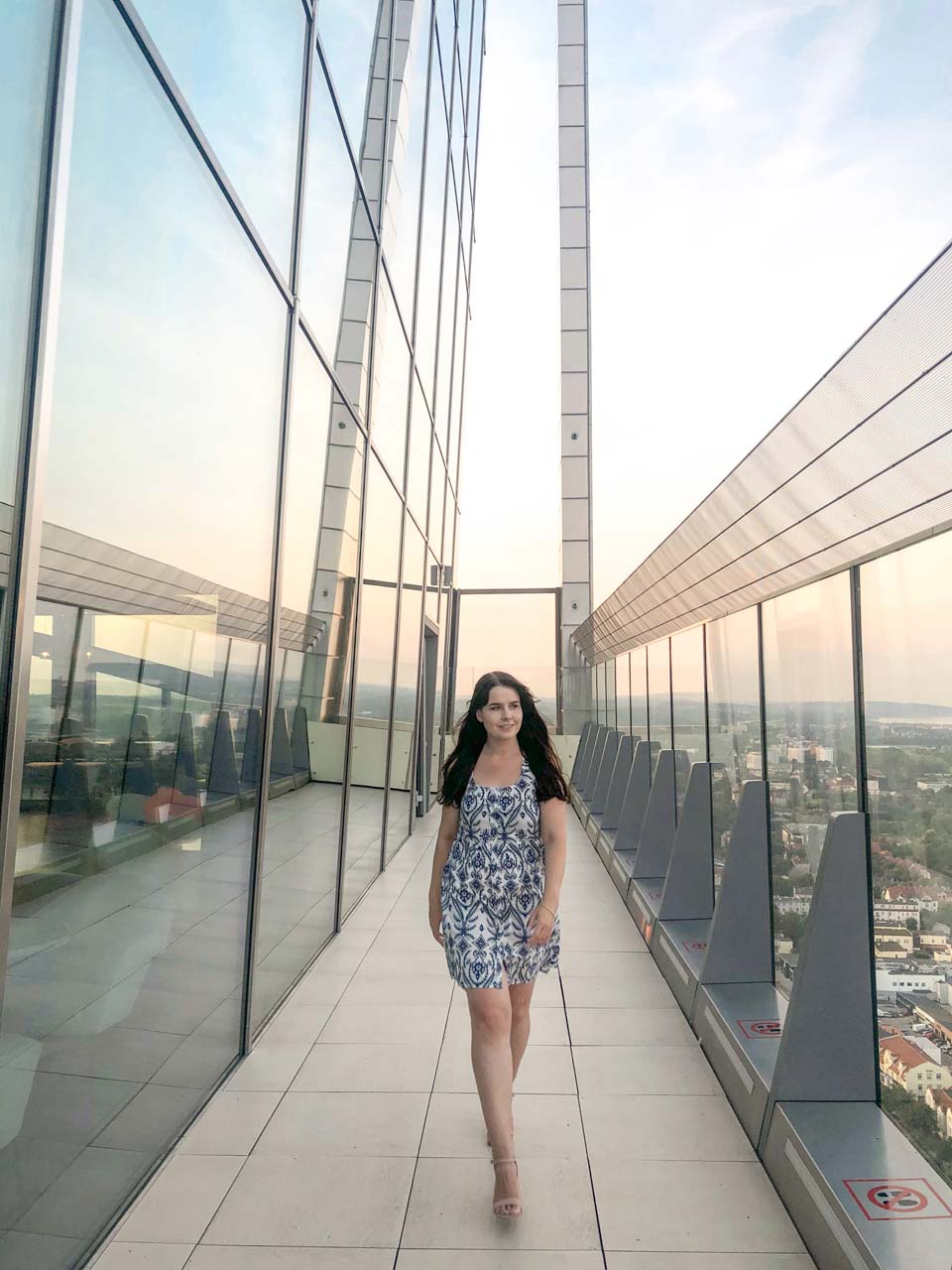
One side is open to the air, while the rest you can enjoy from inside. Even though it’s in the Oliwa district rather than the Main City, the views are still seriously impressive – on a clear day, you can see right across the Bay of Gdańsk.
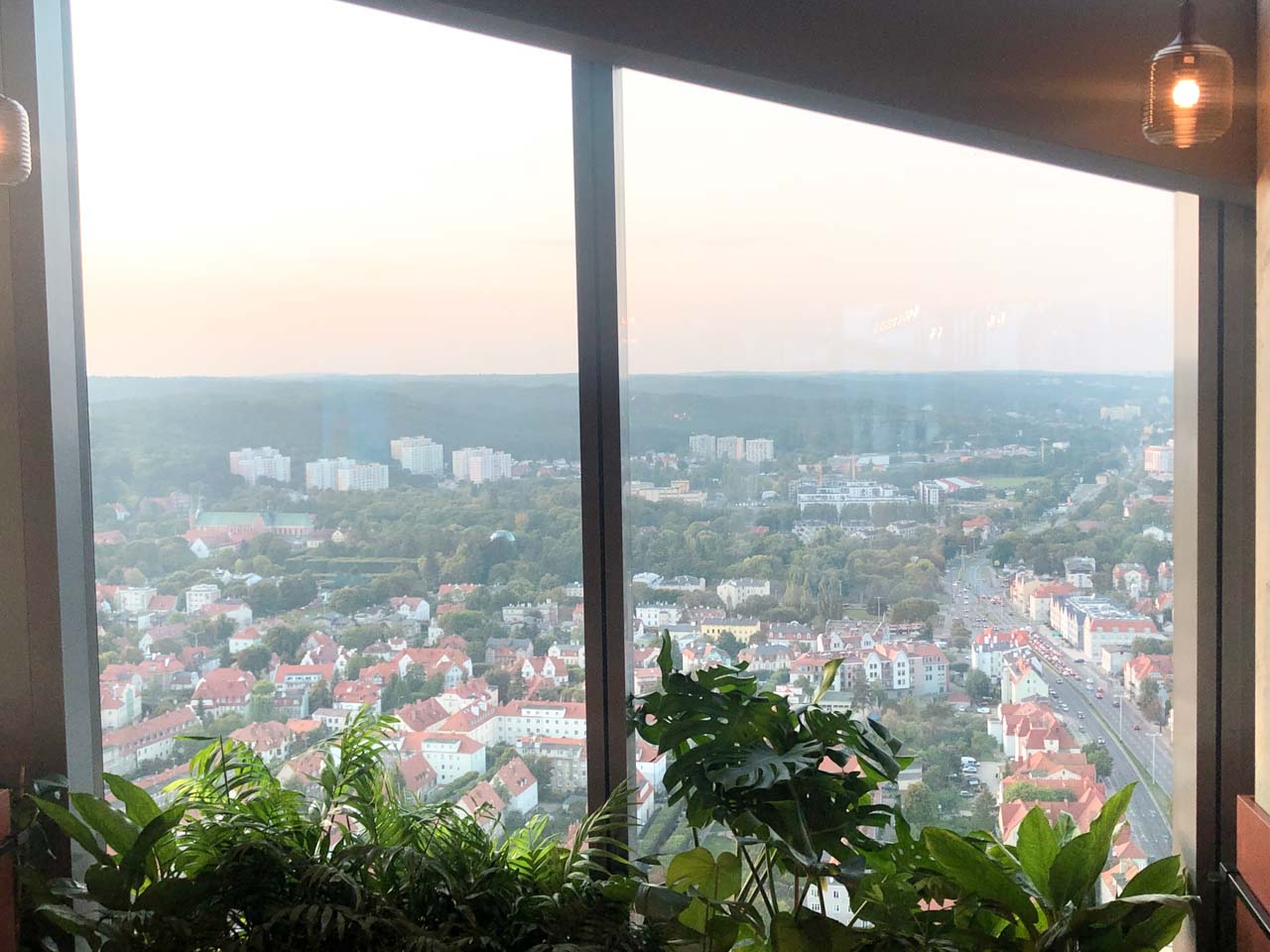
The interiors take inspiration from Polish ocean liners and merchant ships built in Gdańsk (like the MS Batory), the old townhouses of Oliwa, and the nearby Tricity Landscape Park.

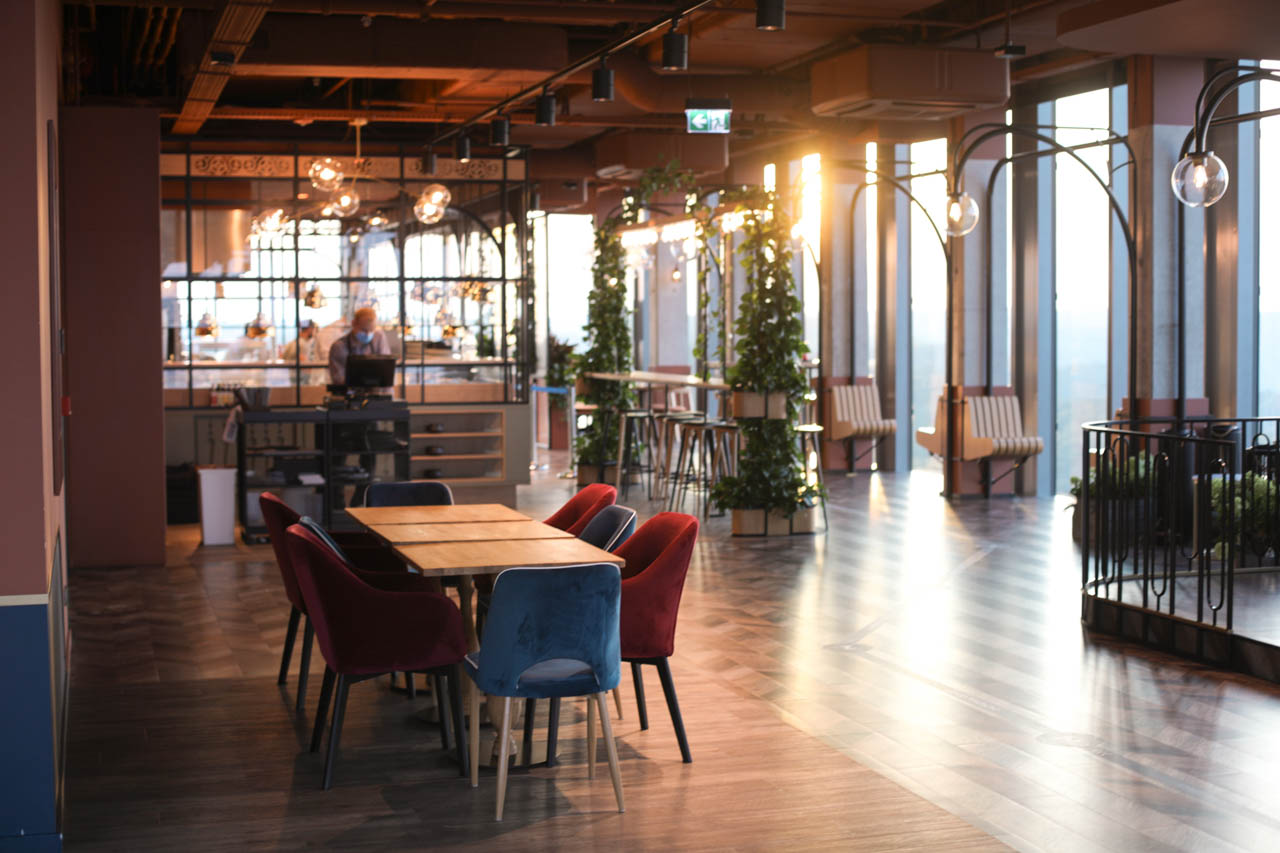
There’s also a seasonal restaurant and bar on the same floor, so it’s a great spot for a drink with a view – I often come up just for a cocktail. On the 33rd floor, you’ll find Treinta y Tres, a Spanish restaurant with great tapas, and Arco by Paco Pérez – the city’s only Michelin-starred spot, offering fine dining tasting menus. If you’ve got a reservation at either of these two, you can head straight up without a ticket.
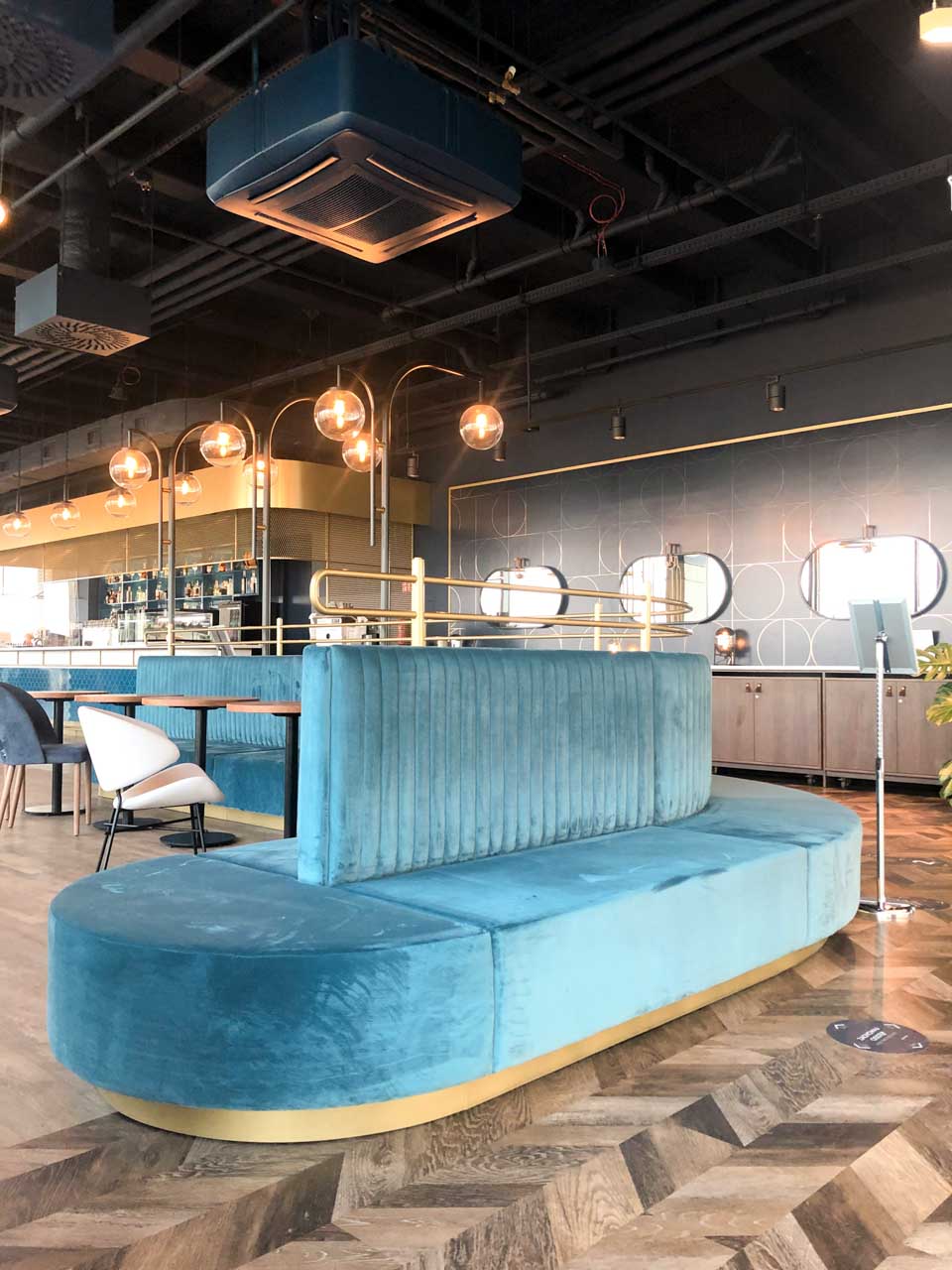



All regular tickets include access to Olivia Garden – an indoor tropical garden with a bar.
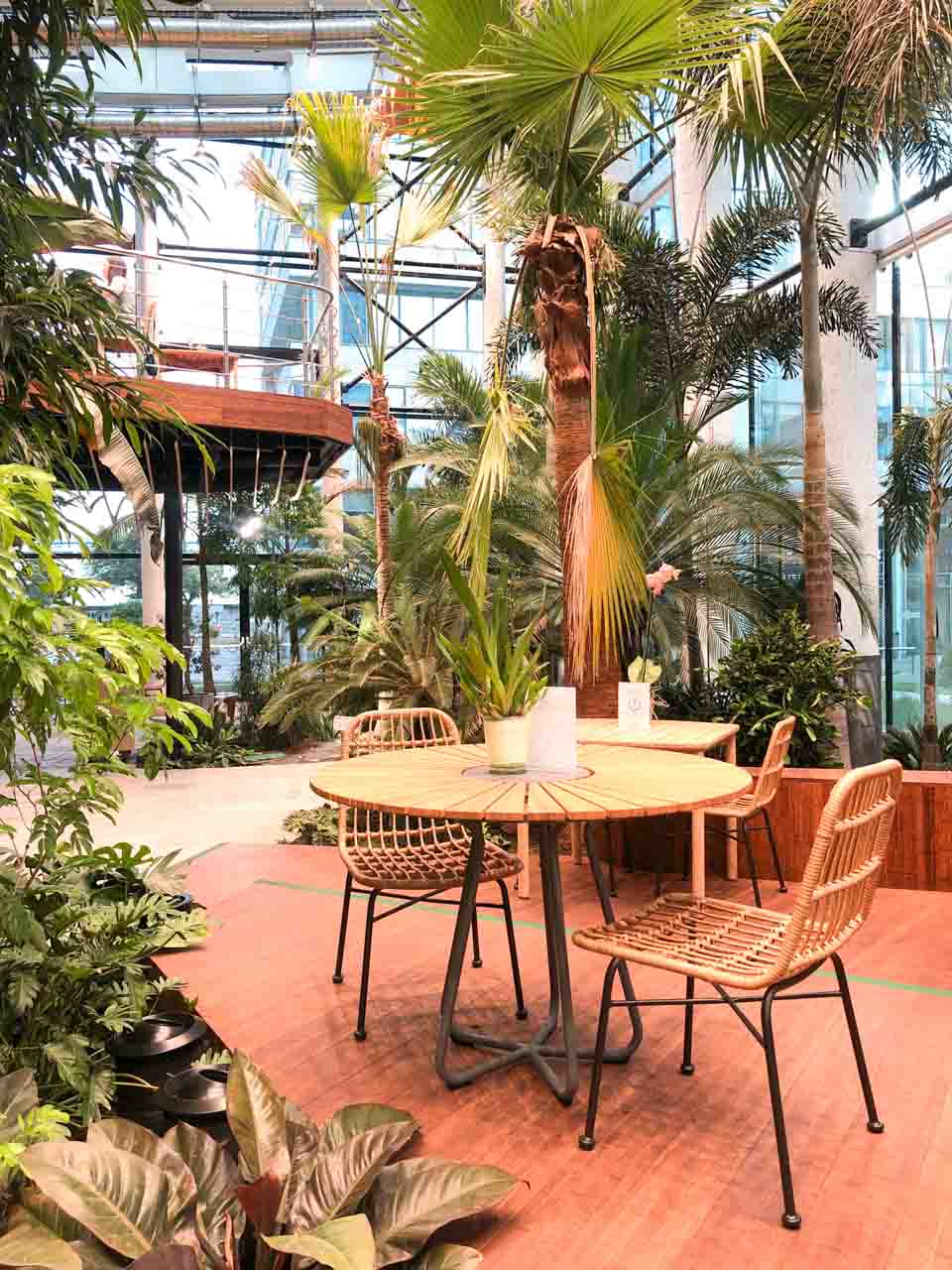
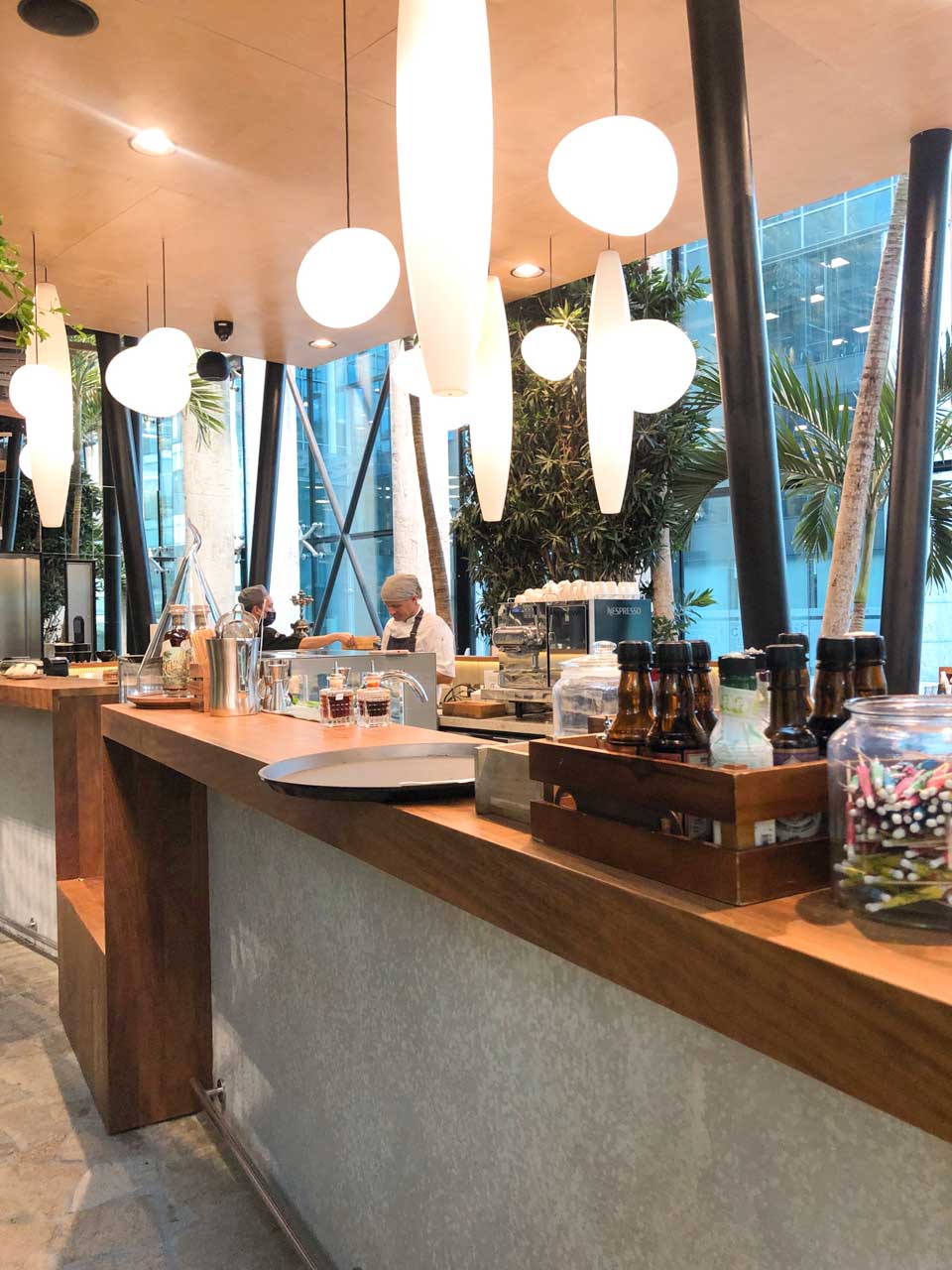
If you want to save some money, the garden is free to enter after 4 pm on weekdays and all weekend, or anytime if you’ve downloaded the Olivka app.


I’d actually recommend doing that – the app gives you 200 welcome points, which is just enough to cover a ticket to the observation deck! You also earn points for anything you buy on the 32nd floor, so if you grab a coffee or cocktail, you might earn yourself another free visit. Just note the points expire after two months.


18. Explore the mural gallery in Zaspa
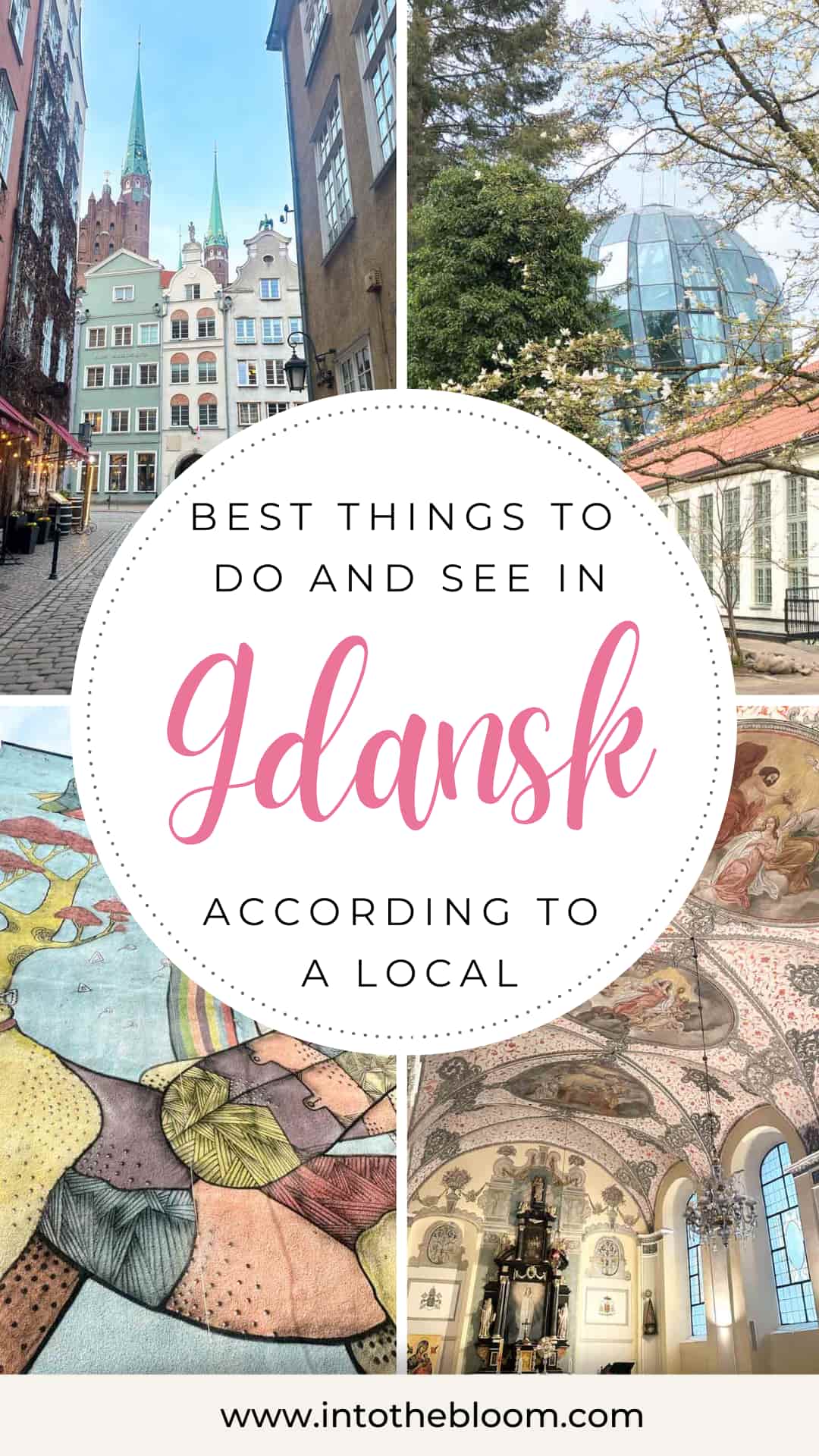
If you’re into street art, you’ll love Zaspa – it’s home to the largest mural gallery in Europe. Across the district, you’ll find 59 large-scale murals on the sides of blocks of flats, plus 19 smaller pieces around the building entrances.


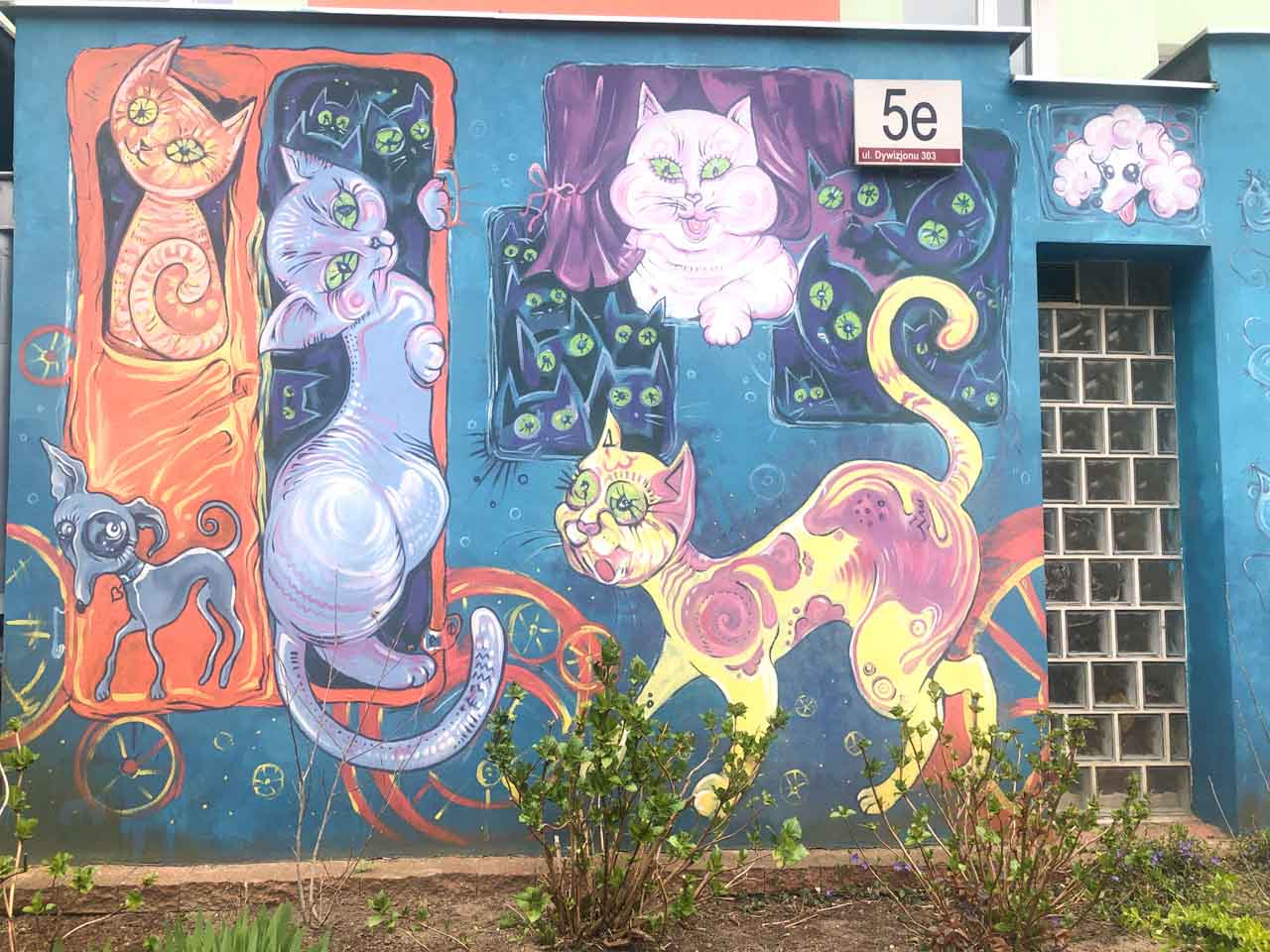
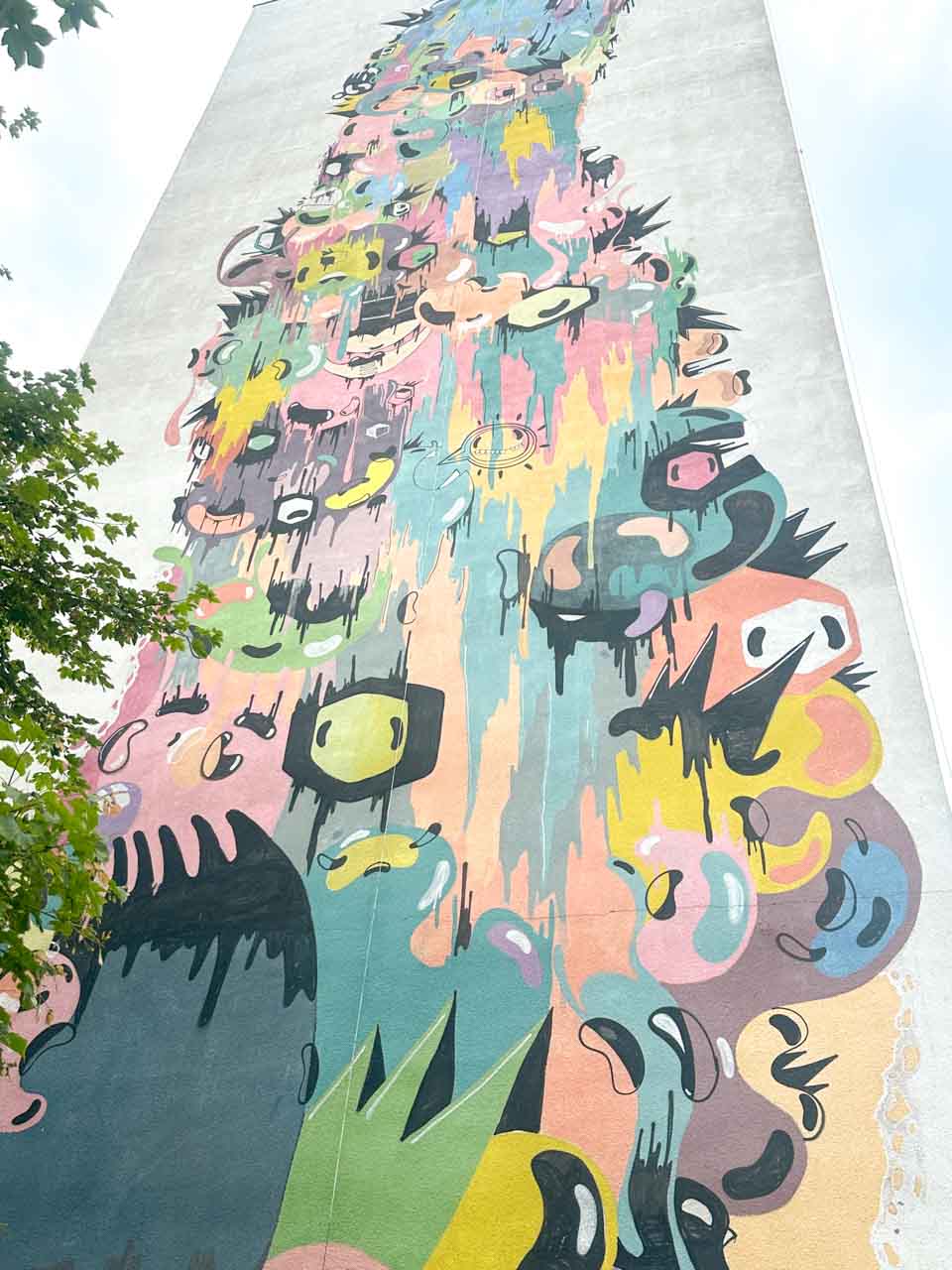
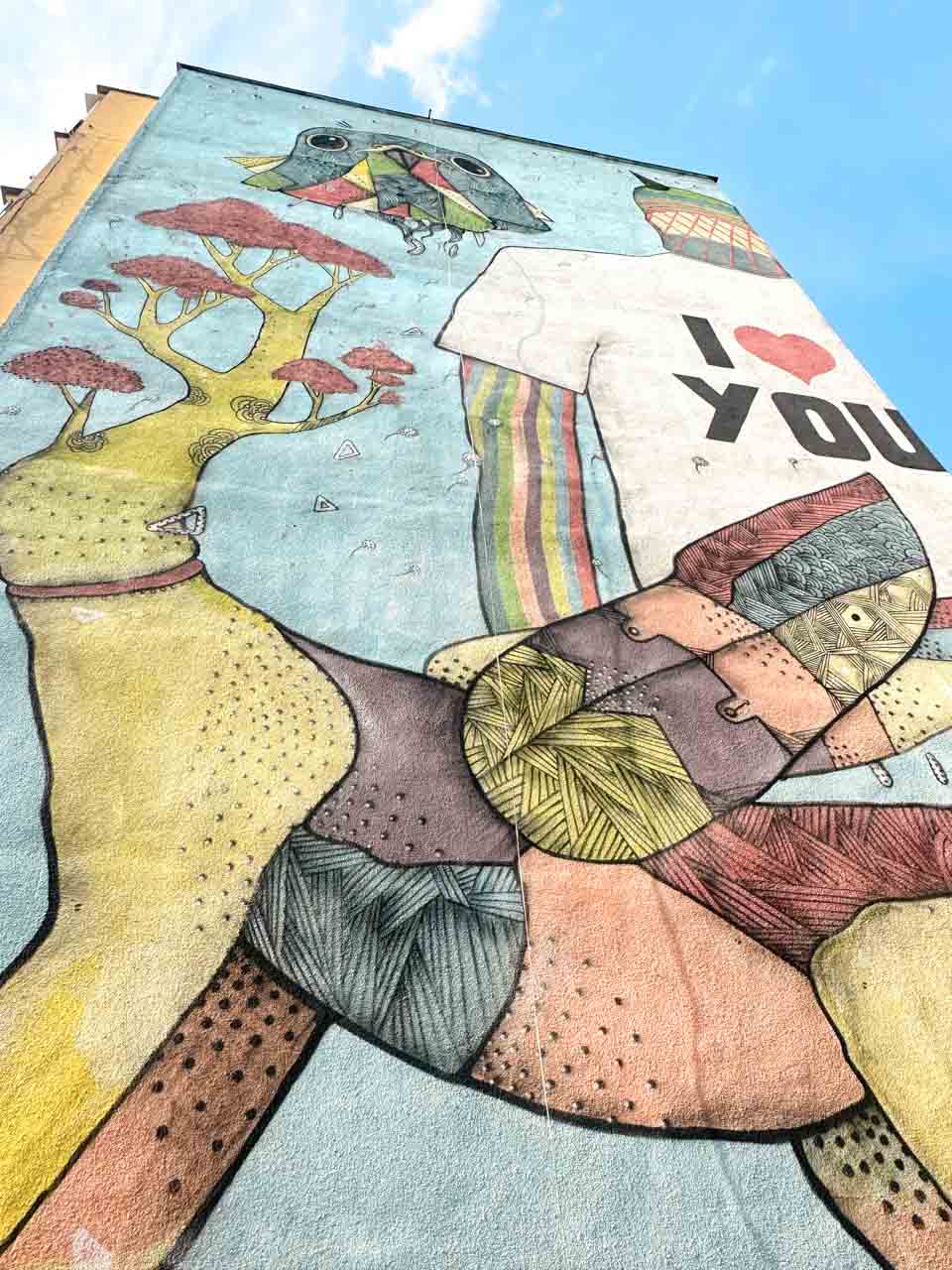
It all began in 1997 to celebrate Gdańsk’s 1000th anniversary. Then, between 2009 and 2016, the city hosted the Monumental Art Festival, inviting artists from all over the world to add their work to the growing gallery.


During the festival, international artists created 38 murals, and students from the Gdańsk School of Mural (made up mostly of students and grads from the Gdańsk and Wrocław Academies of Fine Arts) added more of their own.
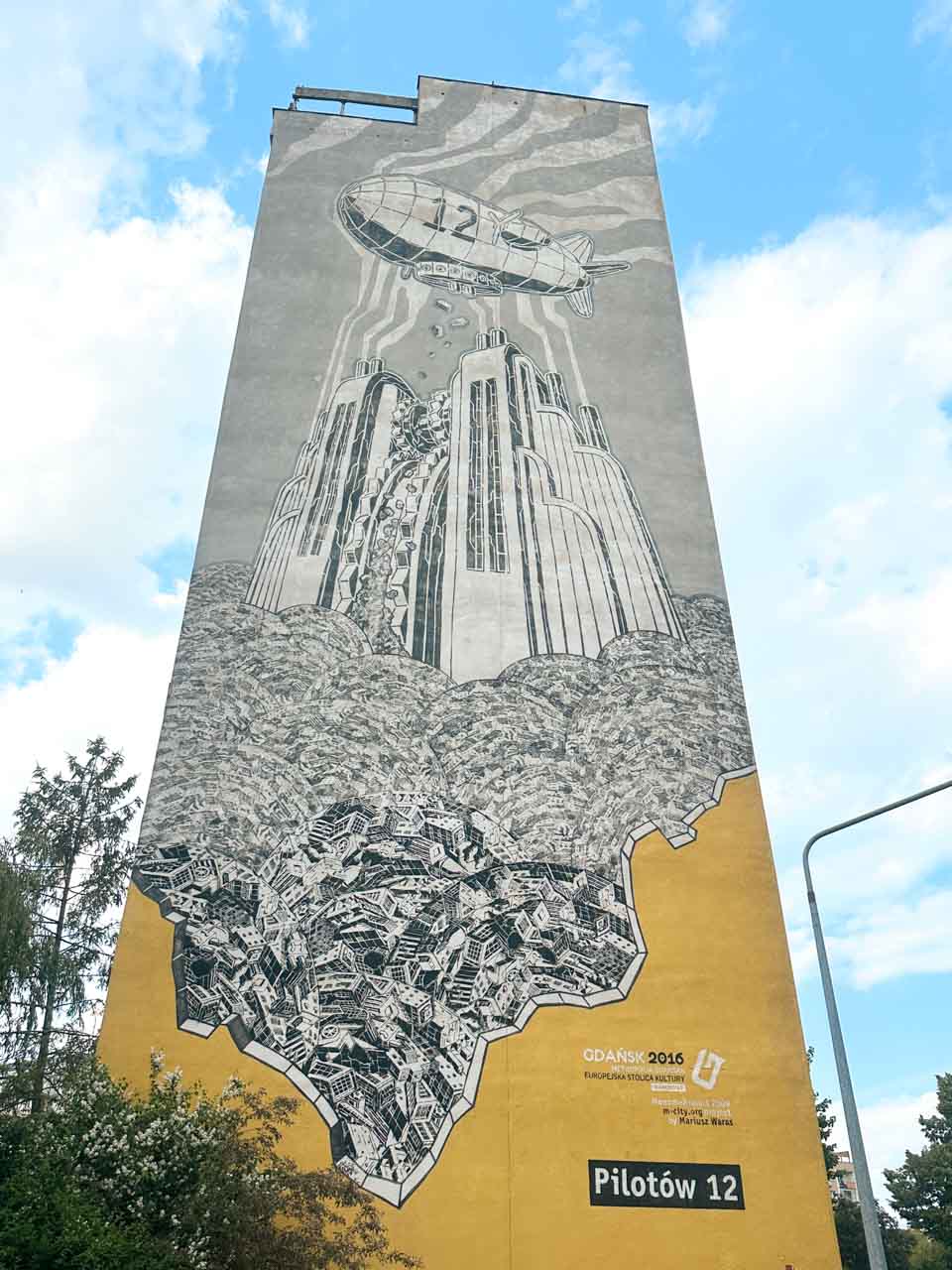

You’ll find a mix of styles and stories here – some murals focus on local history, like the one of Lech Wałęsa painted on the side of the block he used to live in. Others are abstract or reflect the personal stories of the artists who painted them.
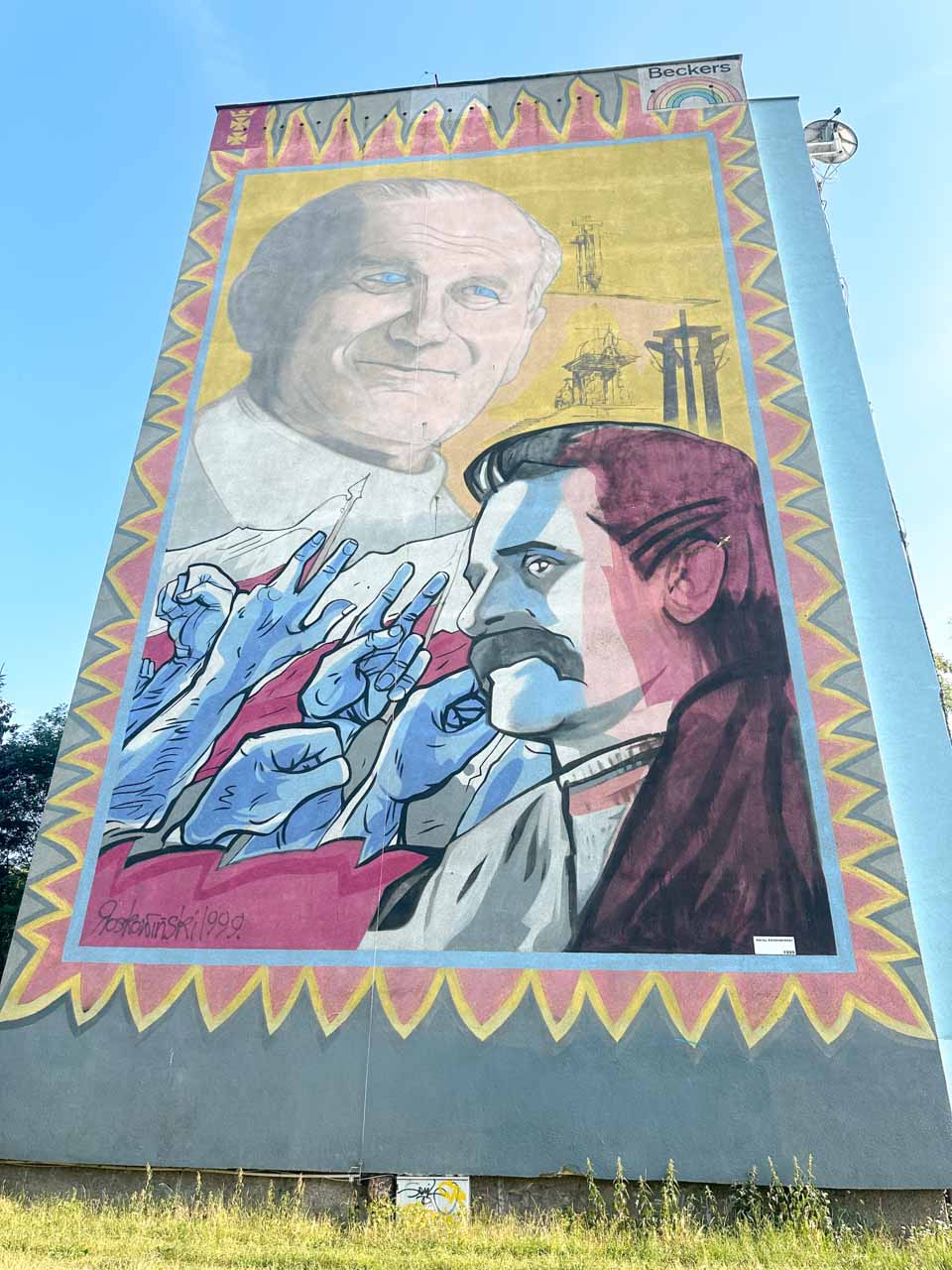

If you want to do a self-guided walk, look at the map of the area between the two spots where Hynka Street meets Aleja Rzeczypospolitej – that’s where you’ll find them all. The City Culture Institute even put together a map with descriptions of each mural to help you along the way.

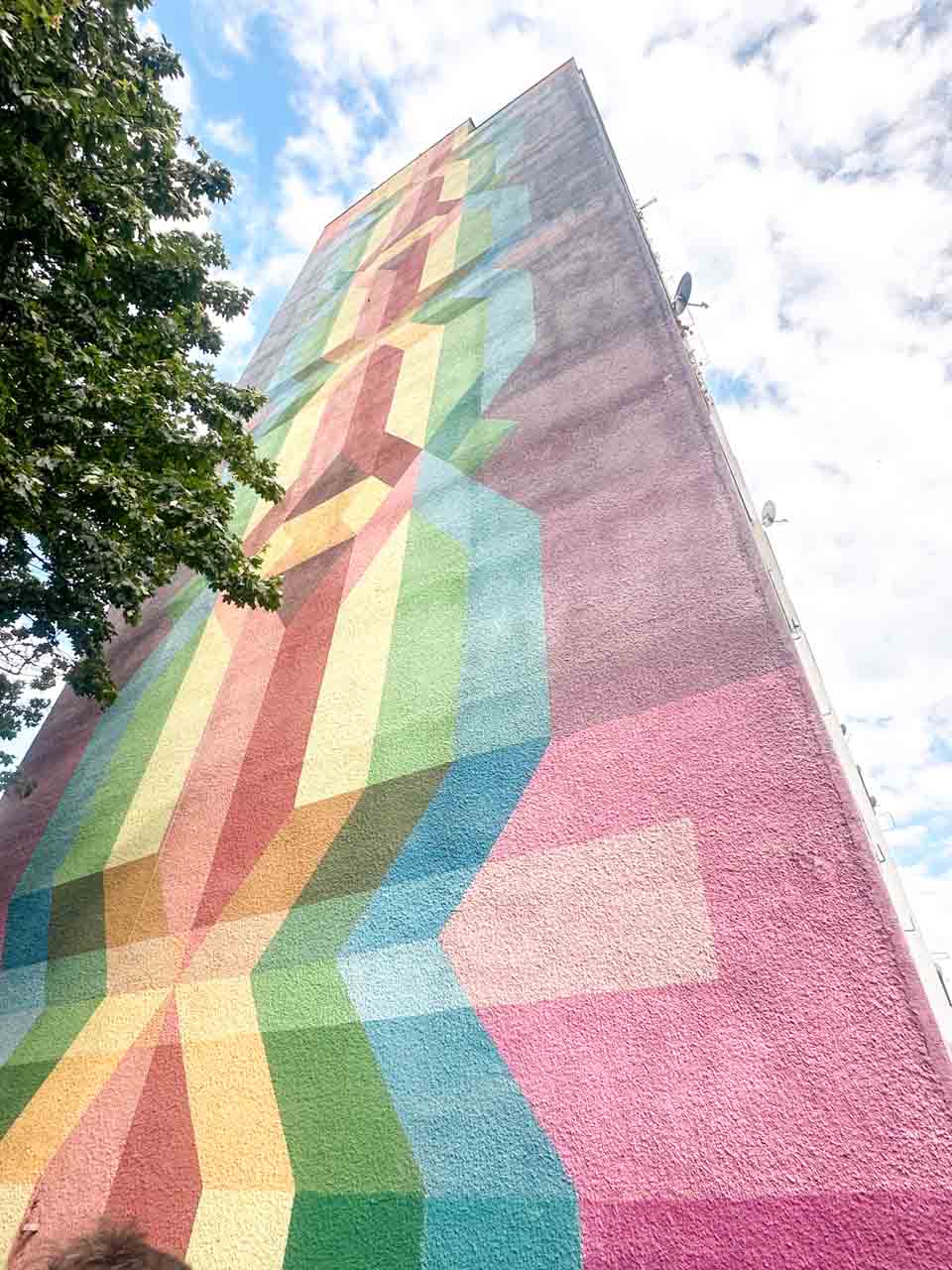
And if you fancy a break, I recommend stopping by Cafe Antidotum nearby – their coffee and pastries are excellent!
19. Explore Nowy Port
Whenever someone asks where to go in Gdańsk that most tourists don’t even think to visit, Nowy Port (New Port) is always my first answer.
Like most port districts, it still has a bit of a dodgy reputation – it used to be where sailors went after leaving their ships and often got up to no good. But over the past few years, it’s started to change, and it’s a brilliant place to visit if you want to see a more local, authentic side of the city.
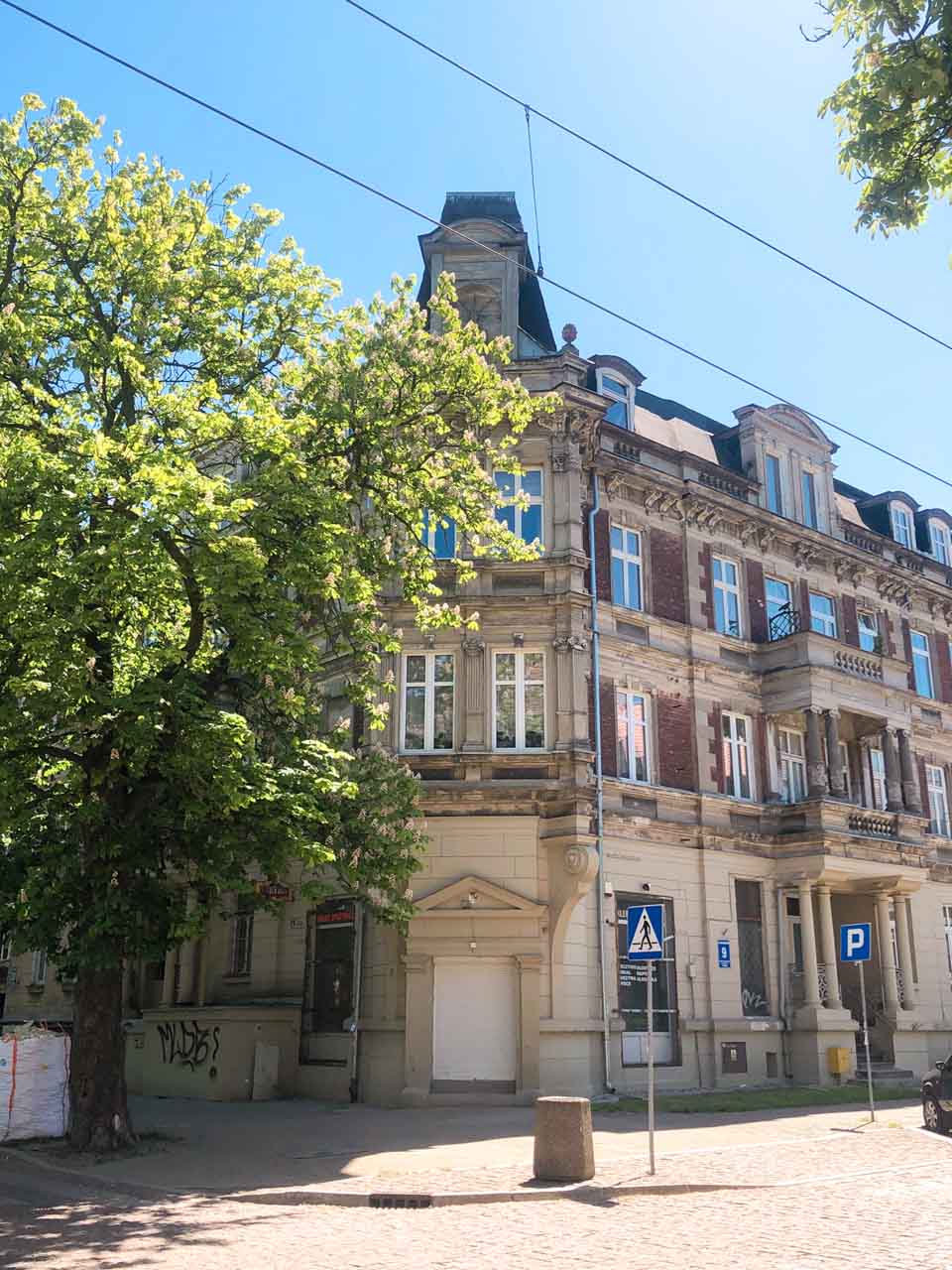
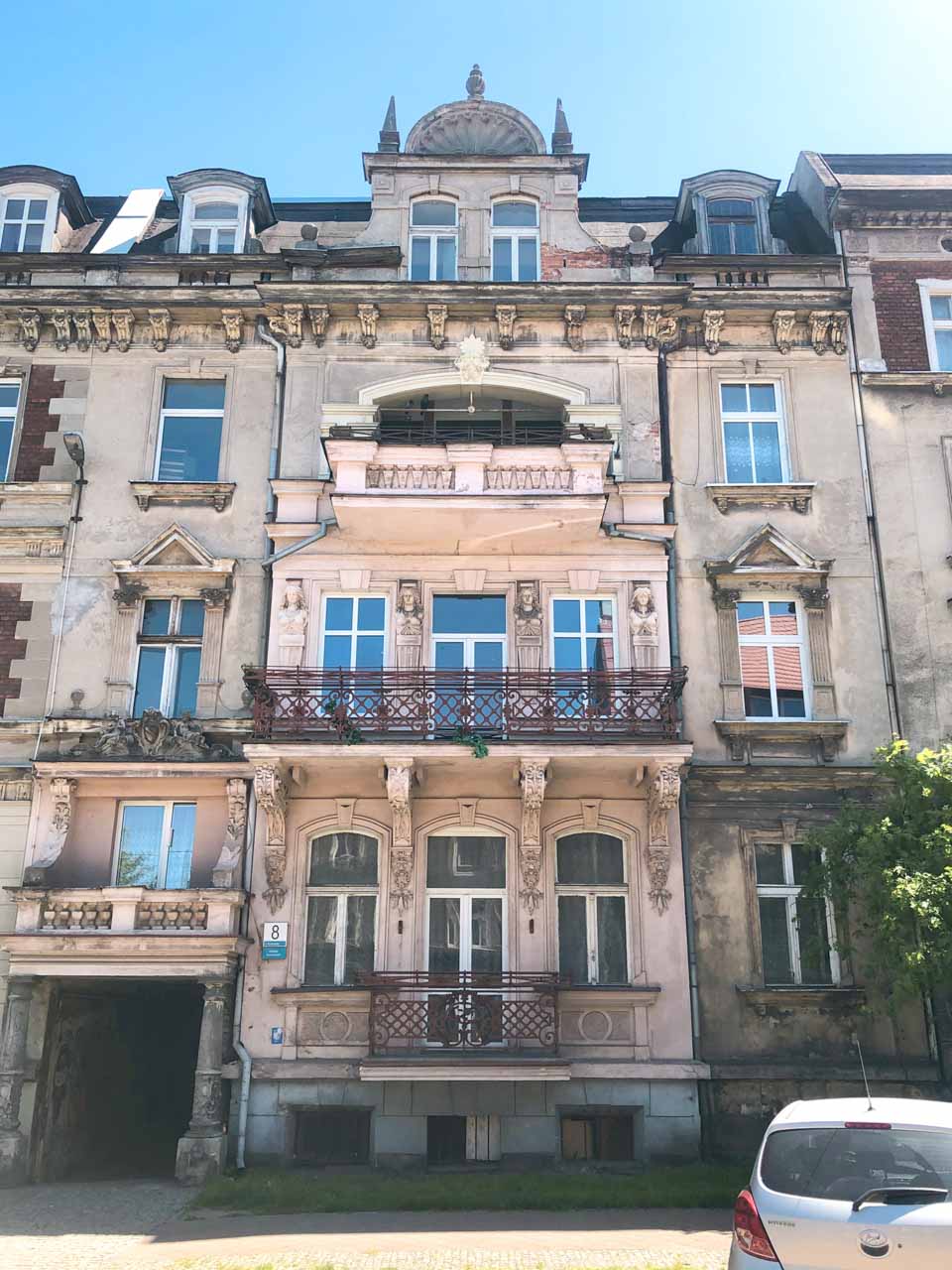
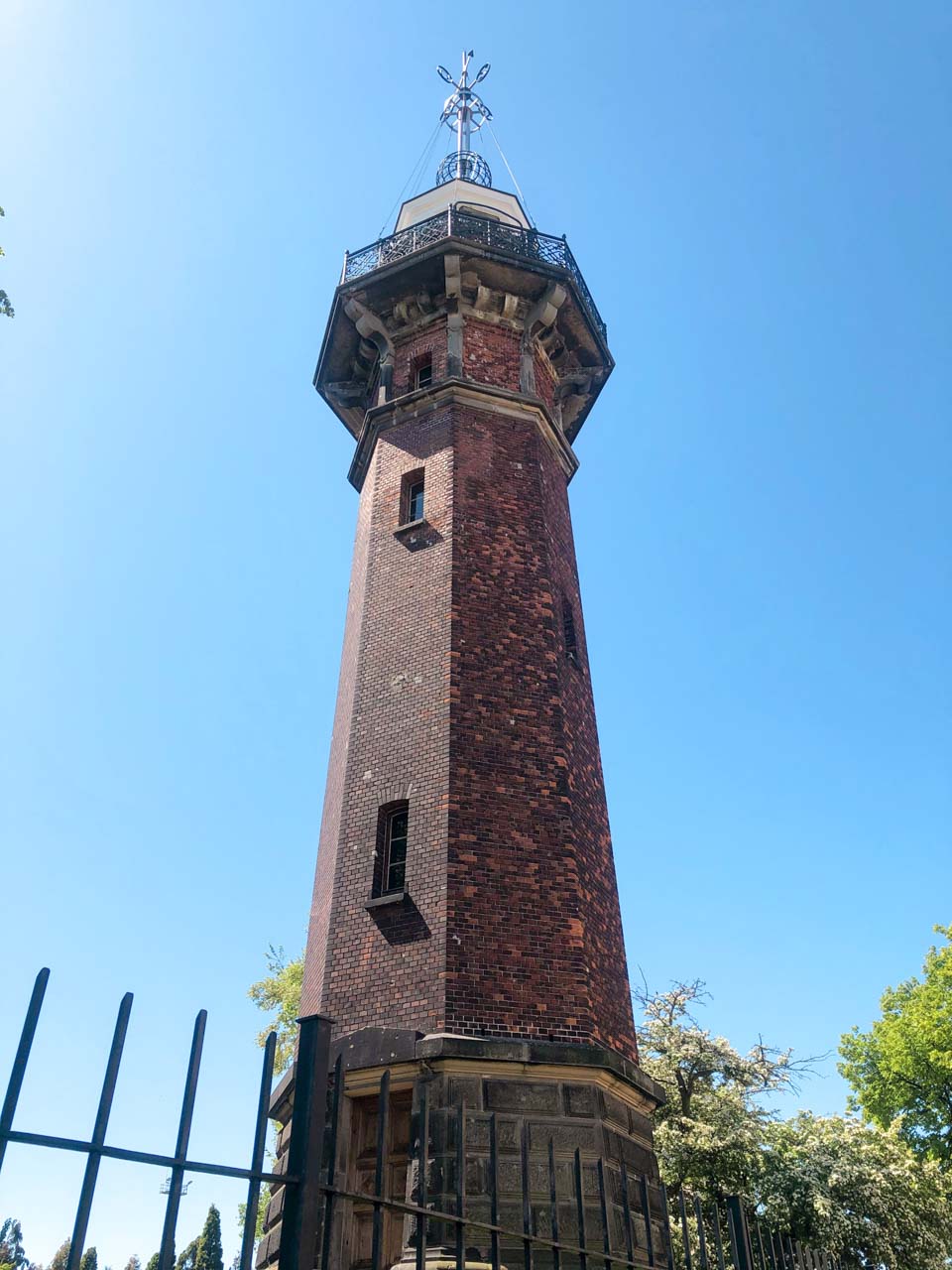
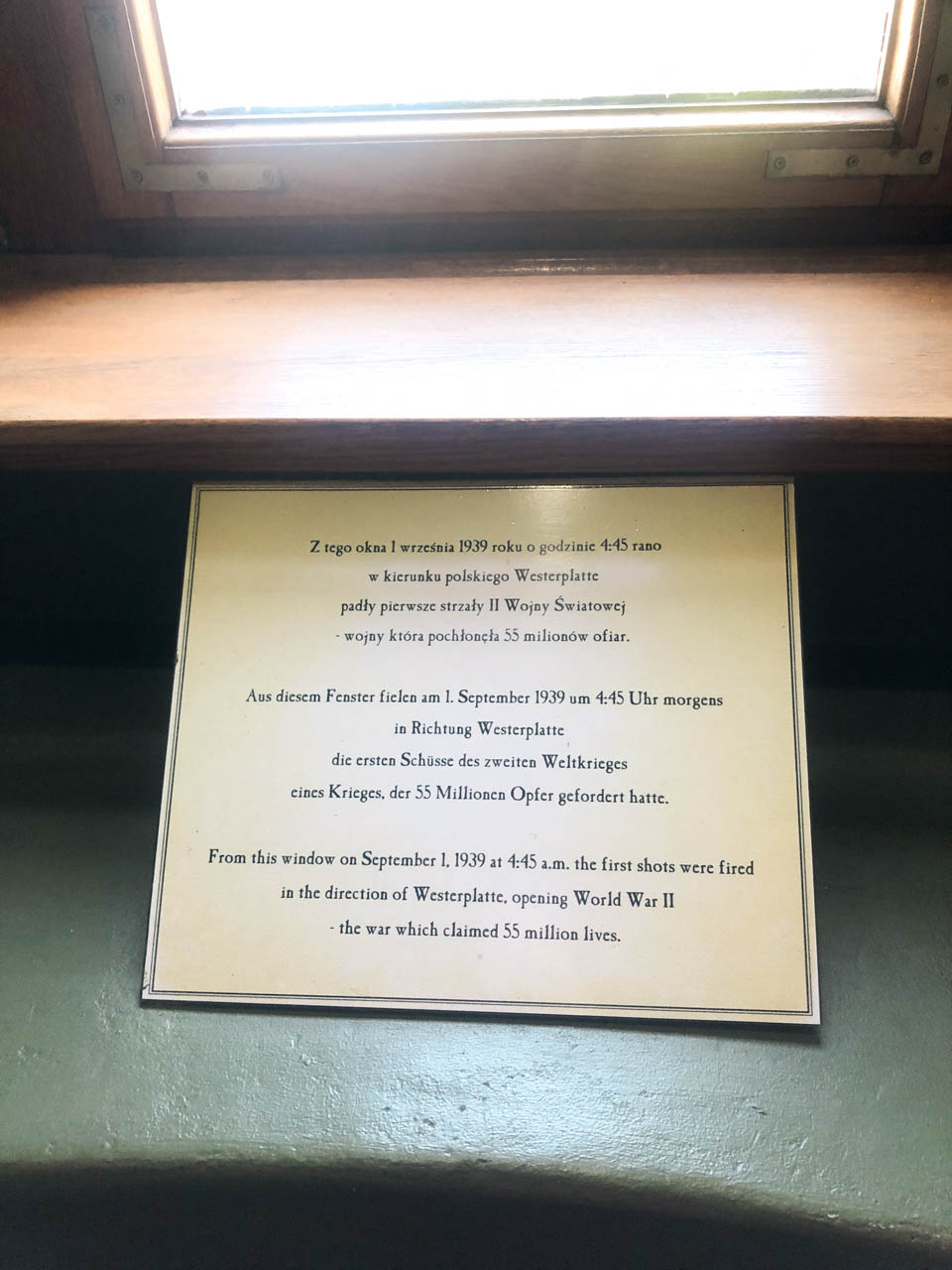
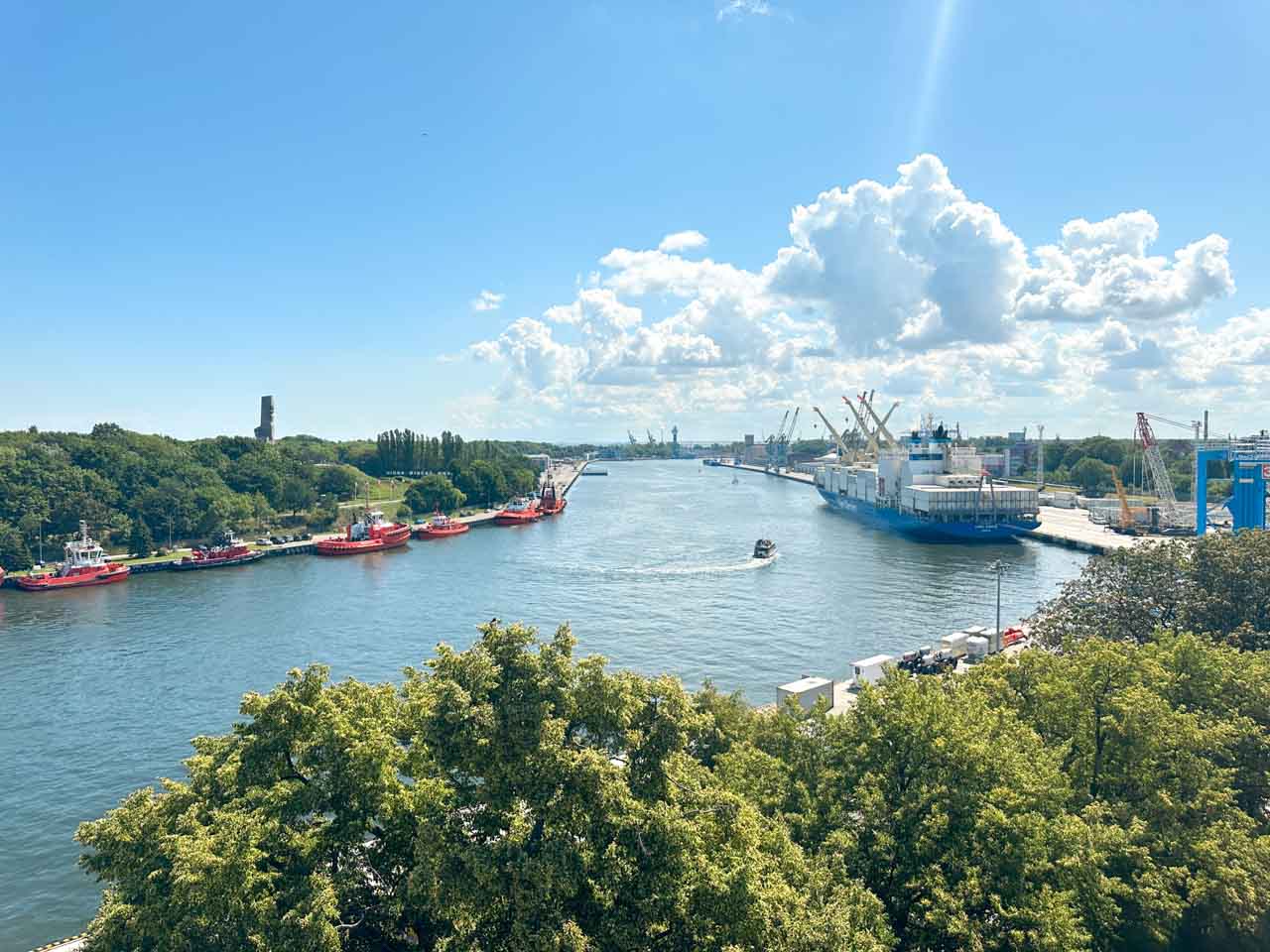
My favourite spot to take guests is the New Port Lighthouse. Back in school, I learned that the first shots of WWII were fired at Westerplatte from the Schleswig-Holstein warship. But according to the lighthouse owner, the ship’s crew were three minutes late – meaning the shots fired from the lighthouse window were actually the first of the war. Tickets cost 12 PLN (around €2.80 / £2.50), and you can visit from May to September.
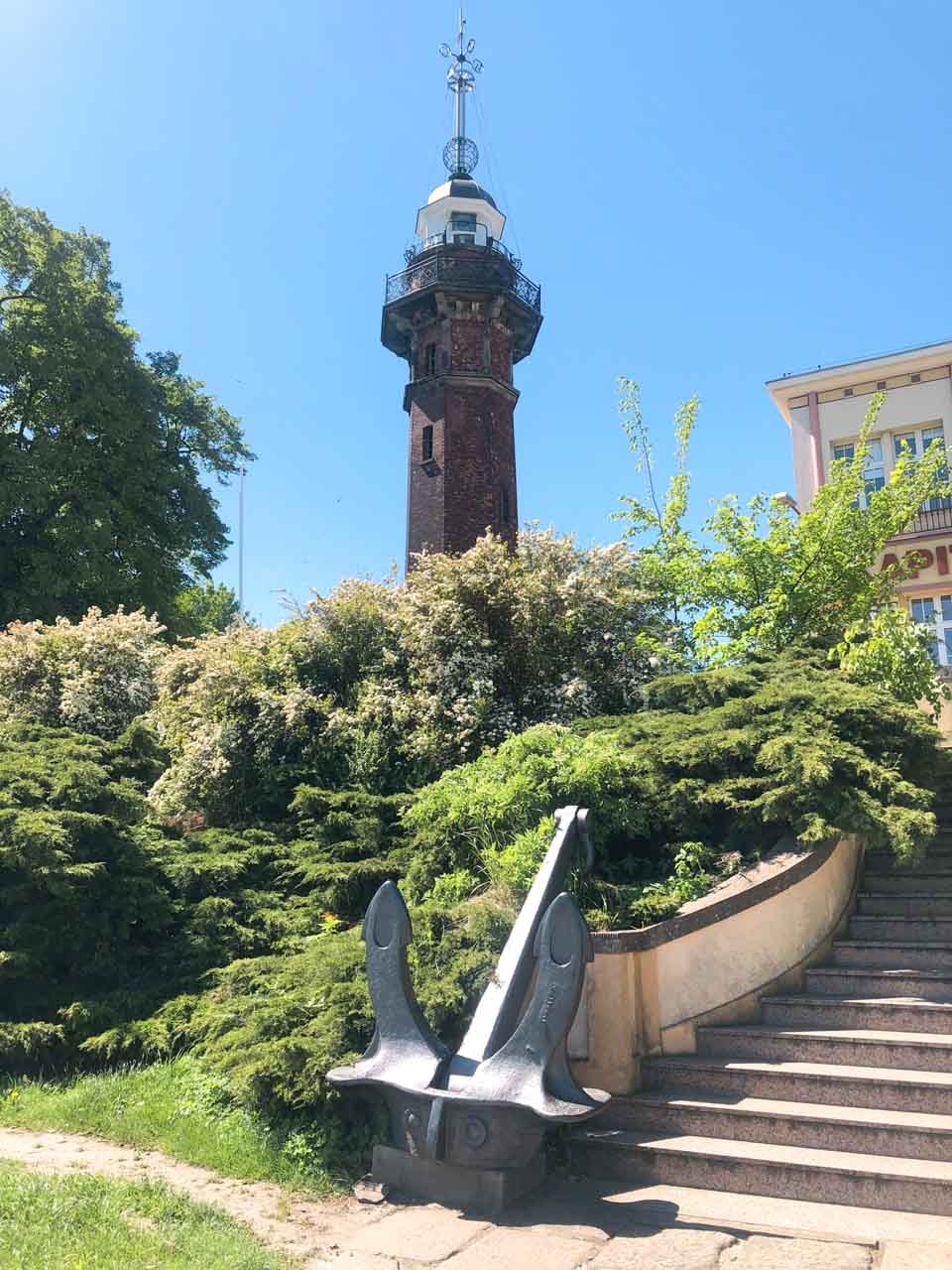
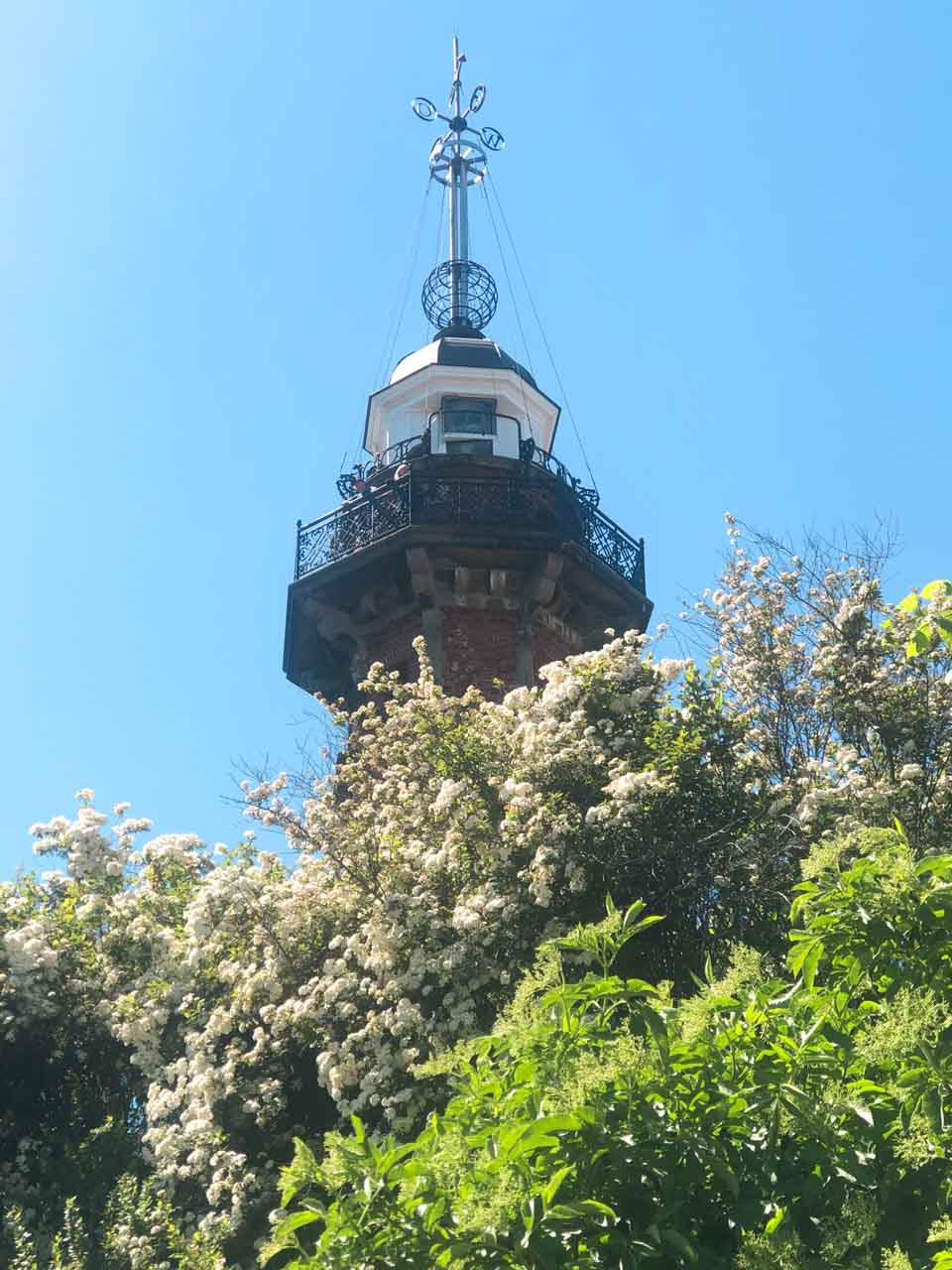
Before you head inside, don’t forget to look up. There’s a ball on top of the lighthouse that used to drop at noon, two, four, and six in the afternoon to help ships synchronise their clocks. These time balls were used before radio was a thing, and only a few are still around today. Sadly, this one’s been broken for a few years now, so you won’t see it in action… but it’s still pretty cool to spot.
While you’re in Nowy Port, make sure to grab a meal or drink at Perła Bałtyku. It feels like stepping back into 1980s Poland – not in a trendy, curated-for-tourists way, but in a genuinely local way. Most people eating there are regulars from the neighbourhood, and the atmosphere is wonderfully nostalgic.
20. Experience Gdańsk’s organs and carillons live
If you enjoy music in beautiful old spaces, Gdańsk has a few lovely things to offer – and many of them are completely free.
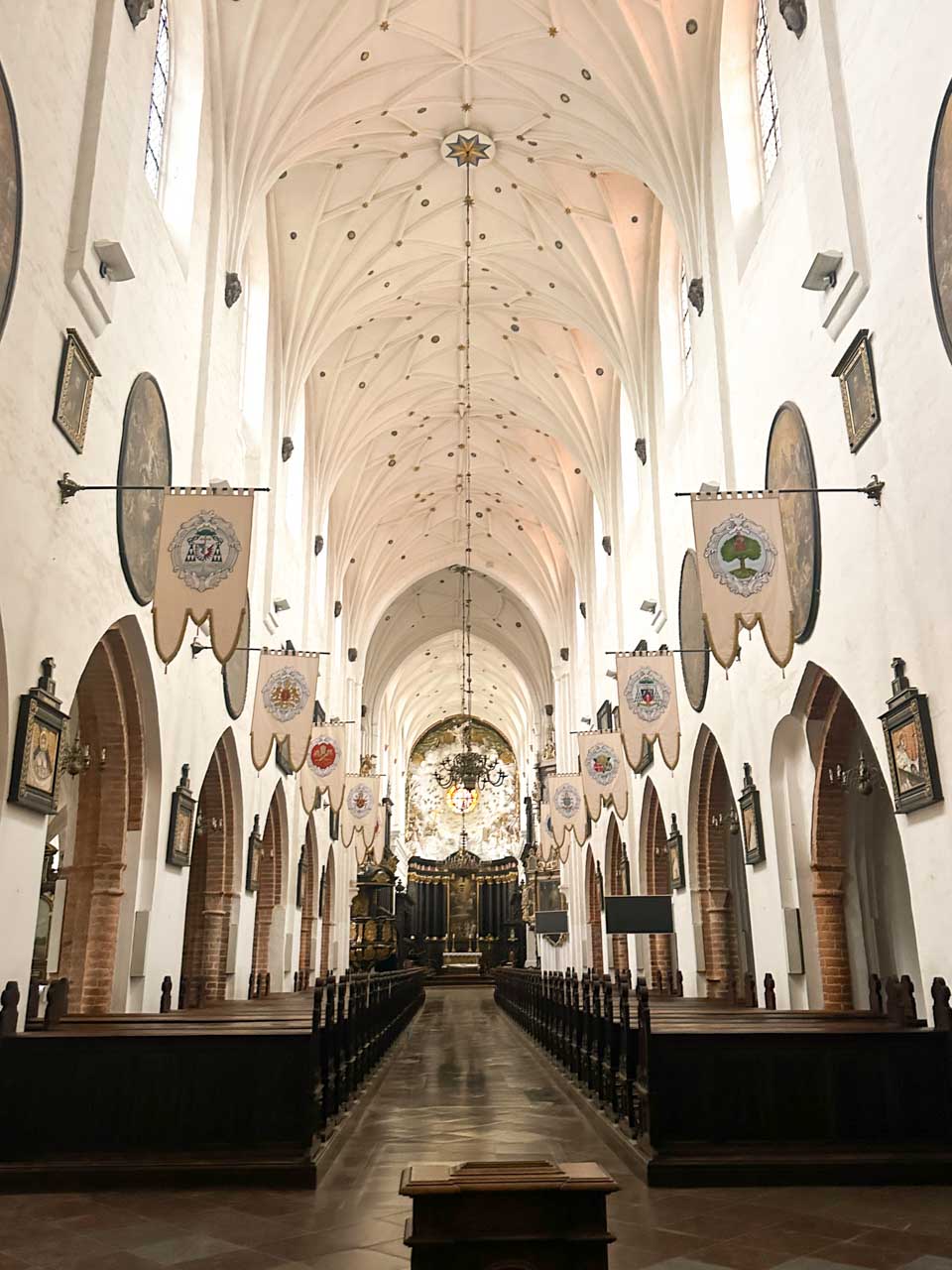
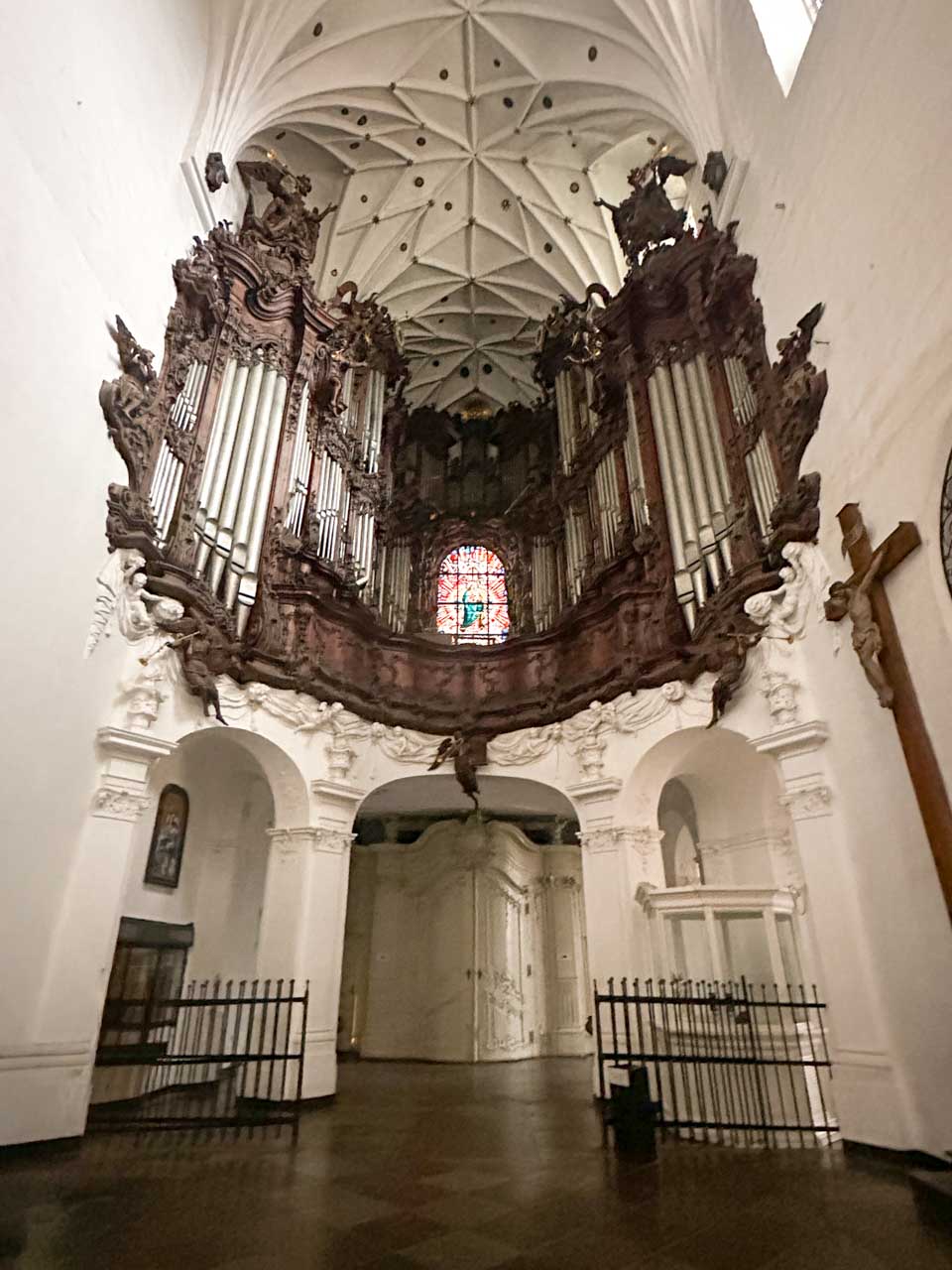
The best place to start is Oliwa Cathedral. There are short performances at 12 pm from Monday to Saturday, and at 3 pm on Sundays. In spring and summer, they usually add more times, and in the warmer months, you can also attend paid evening concerts with guest musicians. St. Mary’s Church also hosts ticketed concerts in July and August, and it’s a lovely setting to experience live music in the heart of the Main Town.
But what really makes Gdańsk stand out is the carillon – a rare instrument made up of bells, played by hand from a keyboard inside a tower. There are only around 640 carillons in the world, and Gdańsk has 3 of them, making it one of the few cities where you can regularly hear this kind of music.
Each summer, from mid-July to the end of August, the city hosts the Gdańsk Carillon Festival, with performances by musicians from all over the world. You can then catch free carillon concerts every Friday at 8:30 pm in the gardens next to St. Catherine’s Church. Plus, you can hear them year round every Friday at 11 am and every Saturday at 12:05 pm from the Main Town Hall tower.


Even if you’re not planning to attend a concert, keep your ears open – the carillons chime every hour on the hour, so there’s a good chance you’ll hear them just while walking around the city.
21. Sample Gdańsk’s historic liqueurs and a syrupy beer
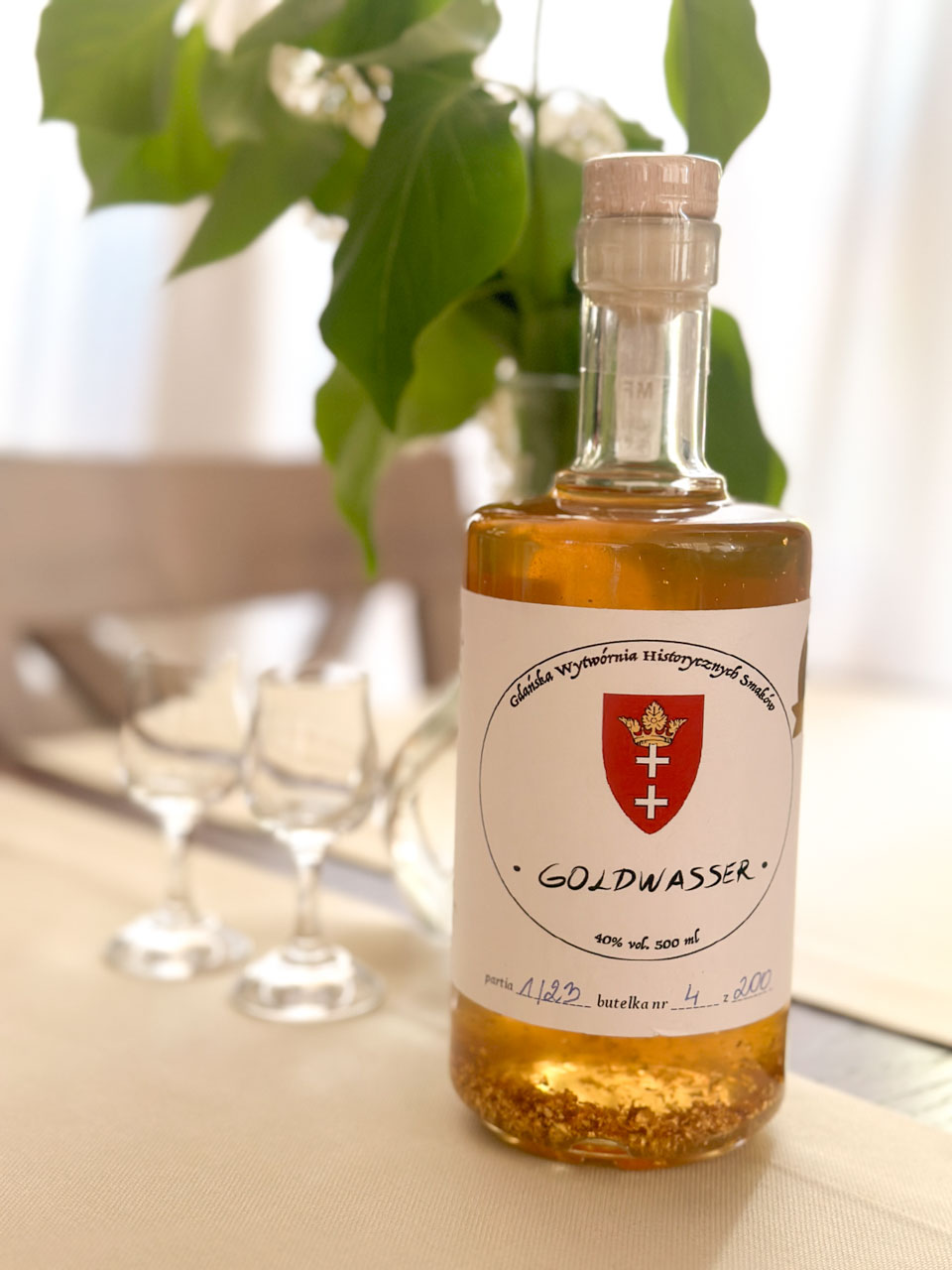
Goldwasser
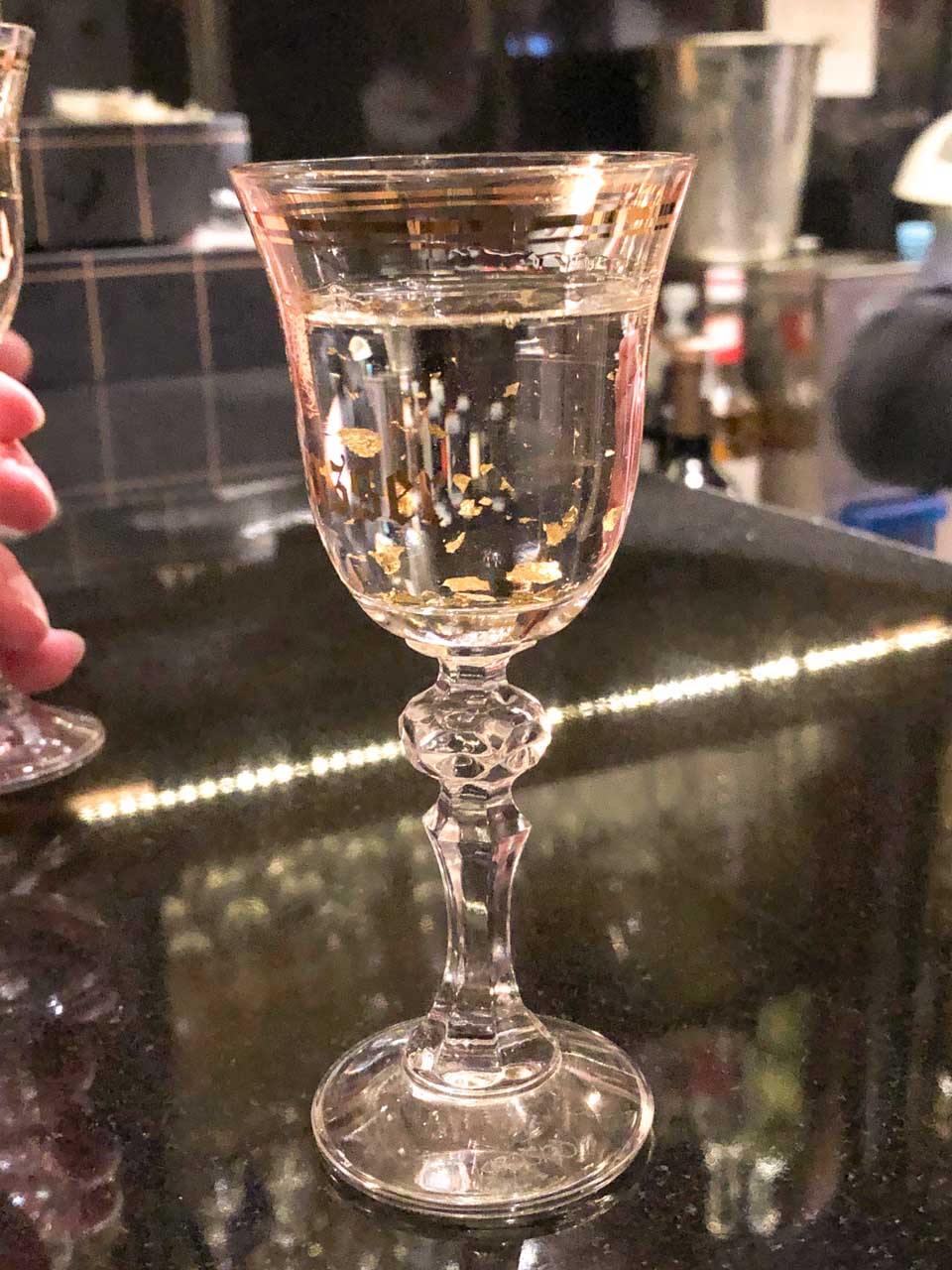
Most people have heard of Goldwasser – the clear herbal liqueur with real gold flakes floating inside. It was created at the end of the 16th century by Ambrozy Vermollen, a Dutch pharmacist who settled in Gdańsk as a refugee. Back then, it was meant to be a kind of health tonic, and his family kept making it here right up until 1945.
But Goldwasser isn’t the only traditional spirit with ties to the city.
Machandel
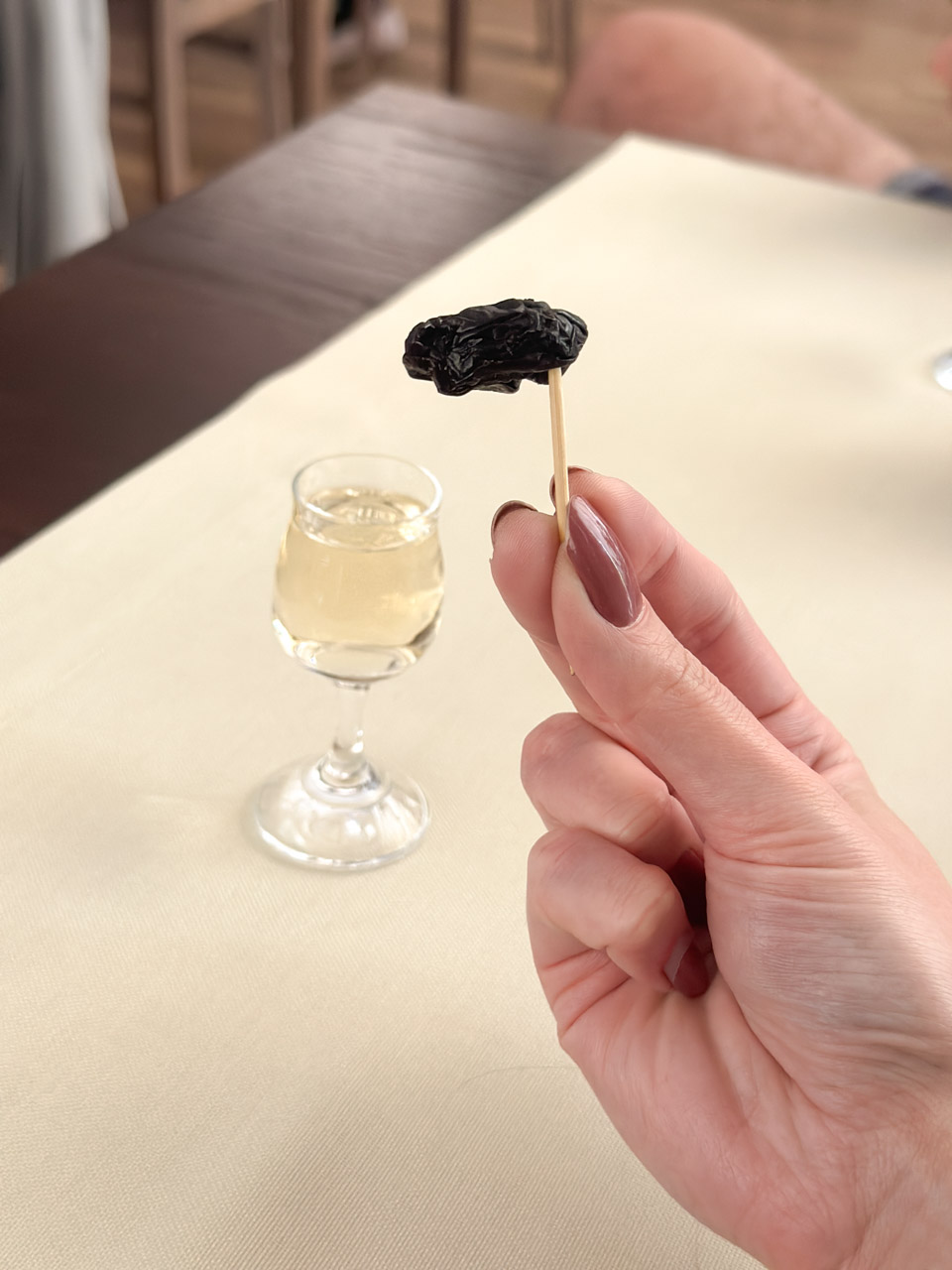
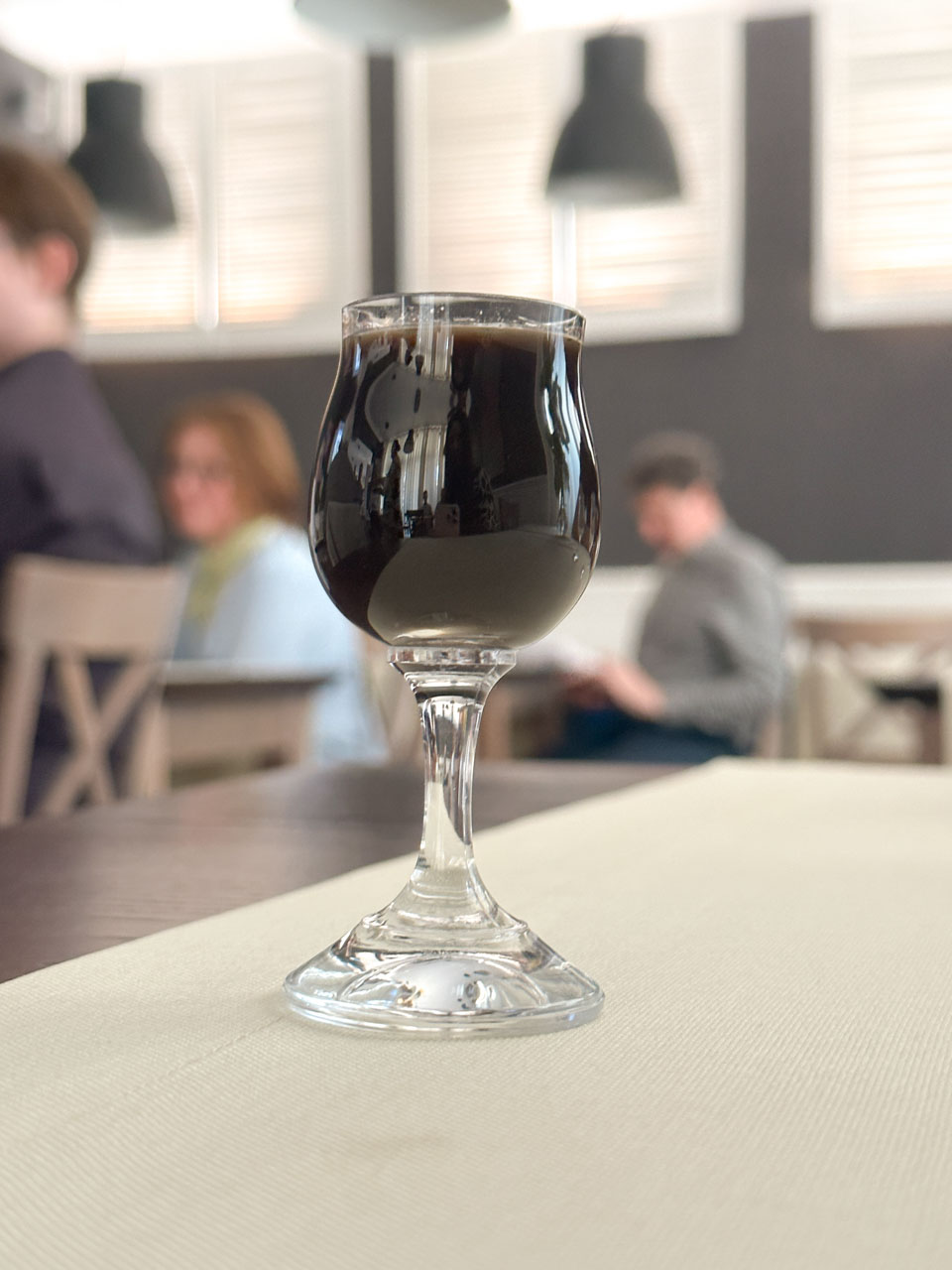
Another one to look out for is Machandel – a juniper-based liqueur that likely came before Dutch jenever and early gin. It was never made in Gdańsk itself, but the city has a long-standing connection to it, especially thanks to its elaborate drinking ritual. Here’s how it goes:
- Place a dried plum on a toothpick and rest it in the glass.
- Pour the Machandel over it.
- Pick up the plum with your left hand, eat it, and keep the stone in your mouth.
- Drink the shot without swallowing the stone.
- Spit the stone back into the glass.
- Break the toothpick in half and drop it in too – a tribute to lost sailors and broken masts.
Apparently, if you got any part wrong, you had to buy the next round. Makes tequila look easy, doesn’t it?
There are other historic spirits too:
- Kurfürsten – a bitter digestive with roots in the 17th century
- Krambambuli – a red liqueur with herbs and fruit, once thought to cure everything from colds to shyness
- Pomeranzen – an orange liqueur made from peels, originally by the local Mennonite community
Where can you try Gdańsk’s historic liqueurs?
You can sample Goldwasser, Kurfürsten, and Machandel at the Goldwasser restaurant in the Main City. But if you’re looking to bring something home, I’d recommend stopping by the Winne Grono restaurant.
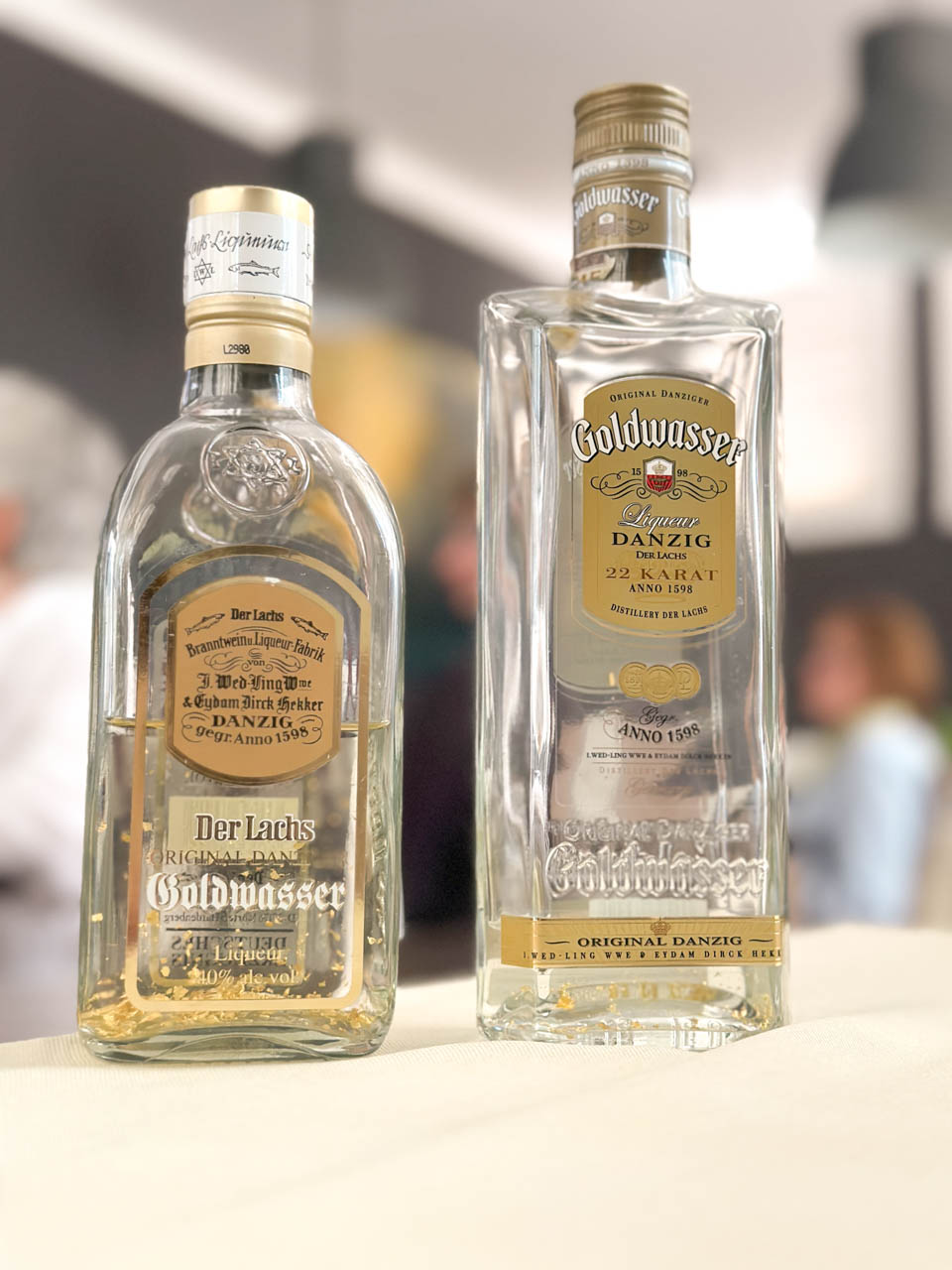
Until 2022, the restaurant was located in the old Der Lachs distillery building, where many of these spirits were originally made. When Covid hit and everything shut down, the owner decided to use the downtime to dig deep into the distillery’s past.
He spent months searching through archives and historical records to uncover the original recipes. Today, you can buy the small-batch liquors he recreated at the Winne Grono restaurant, including a straw-coloured version of Goldwasser you won’t find in shops. Just keep in mind they’re made in limited quantities, so not everything may be available.
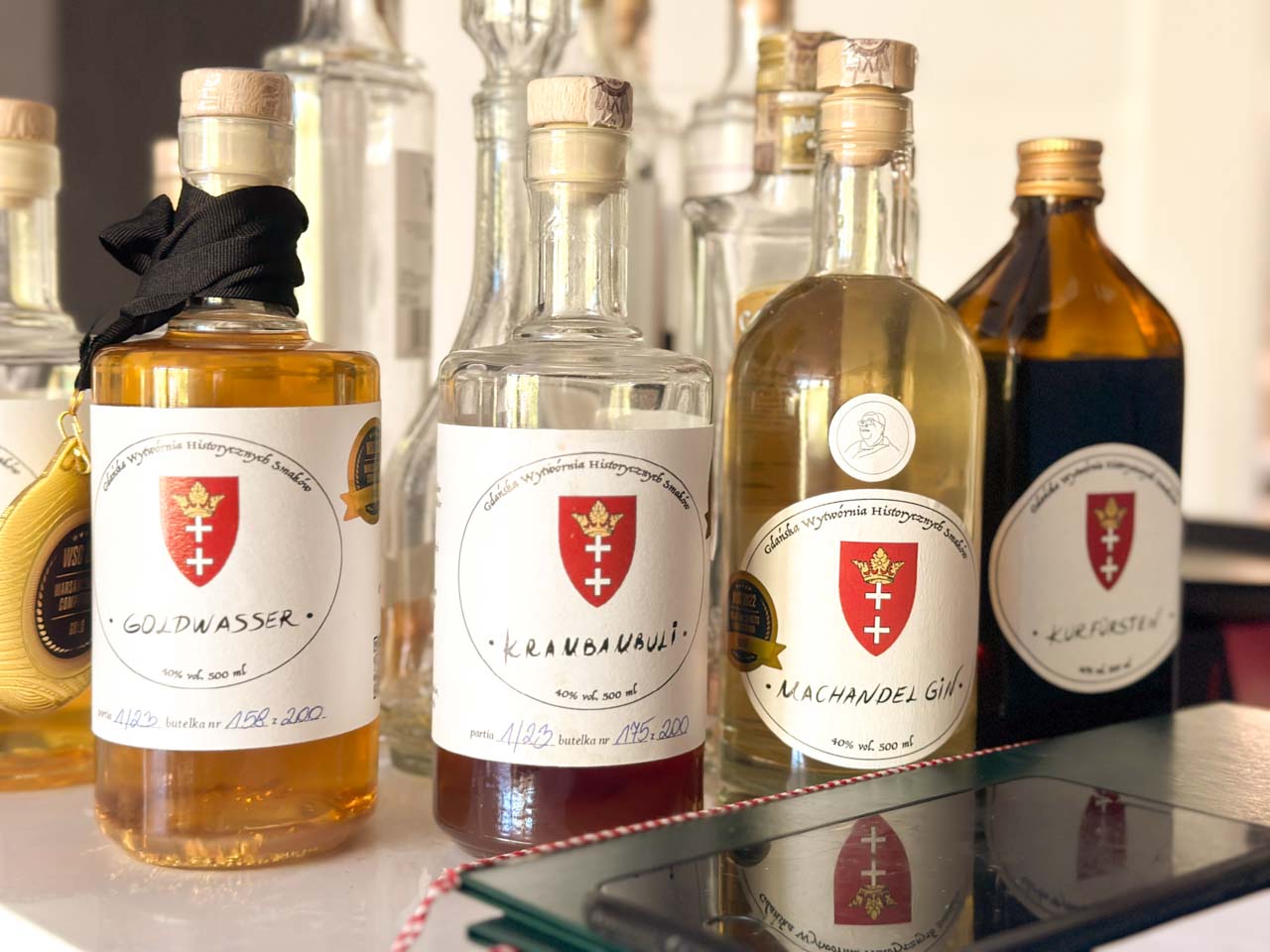
If you’re visiting during St. Dominic’s Fair or the Christmas Market, look out for Gdańska Wytwórnia Historycznych Smaków – they sometimes have a stall with all these historic spirits.
Jopenbier
And finally, there’s Jopenbier – a thick, sweet beer syrup brewed in Gdańsk since at least 1449. It was originally sold for its supposed health benefits and is definitely not your average pint.
Since then, several breweries around the world have been trying to recreate the original recipe. Today, you can try a modern version at PG4 Brewery, near the main train station.
I’ll be honest – it tastes a bit like boozy cough syrup, but it’s a fun part of the city’s brewing story and worth trying once.
22. Try traditional Polish cuisine
Of course, no trip to Poland would be complete without trying the local food.
Some of the most iconic Polish dishes include pierogi – soft dumplings usually filled with potato and cheese, meat, mushrooms, or seasonal fruit. You’ll also find żurek, a sour rye soup often served with sausage and egg.
Then there’s schabowy – a breaded pork cutlet, a bit like a Polish schnitzel – and mielony, a minced meat patty often served with mashed potatoes and pickled cucumber. Bigos is another classic: a rich hunter’s stew made with sauerkraut, fresh cabbage, and mixed meats.
Other options include placki ziemniaczane – crispy potato pancakes served with sour cream or goulash. Or try gołąbki – cabbage rolls stuffed with rice and minced meat, covered in a tomato-based sauce.
For pierogi, my favourite spot in Gdańsk is Mandu – they’ve got a huge variety and everything is made fresh. If you’re after something more refined, try Tygle Gdańskie or Winne Grono, where you’ll find Polish dishes with a creative twist and flavours inspired by Gdańsk’s past.
And if you want a proper budget-friendly, no-frills experience, pop into a milk bar (bar mleczny in Polish). These canteen-style eateries date back to the communist era and still serve up simple, home-cooked meals at very reasonable prices. Around the Main City area, I’d recommend Bar Turystyczny or the milk bars on Stągiewna and Długie Ogrody streets.
Don’t forget dessert – pączki (Polish doughnuts) are a must-try year-round, and in summer, keep an eye out for jagodzianki – soft, yeasted buns filled with wild blueberries (bilberries).
If you want a full guide to the best Polish dishes, let me know in the comments and I’ll make one!
23. Experience Gdańsk’s seasonal markets & festivals
If you’re in Gdańsk during the winter, make sure to check out the Gdańsk Christmas Market. It’s not as well-known as the ones in Wrocław or Kraków, but it still gets busy – especially on the weekends. You don’t need more than a day to see the best of it, and if you want to plan ahead, I’ve written a full guide to the Gdańsk Christmas Market to help you get around.


But if cold weather isn’t your thing (or you’re visiting in summer), don’t worry – Gdańsk saves its biggest event for the warmer months. St. Dominic’s Fair has been running since 1260, and it completely takes over the Main City from the end of July to mid-August. It’s much bigger than the Christmas market – in fact, it’s one of the biggest open-air festivals in all of Europe.

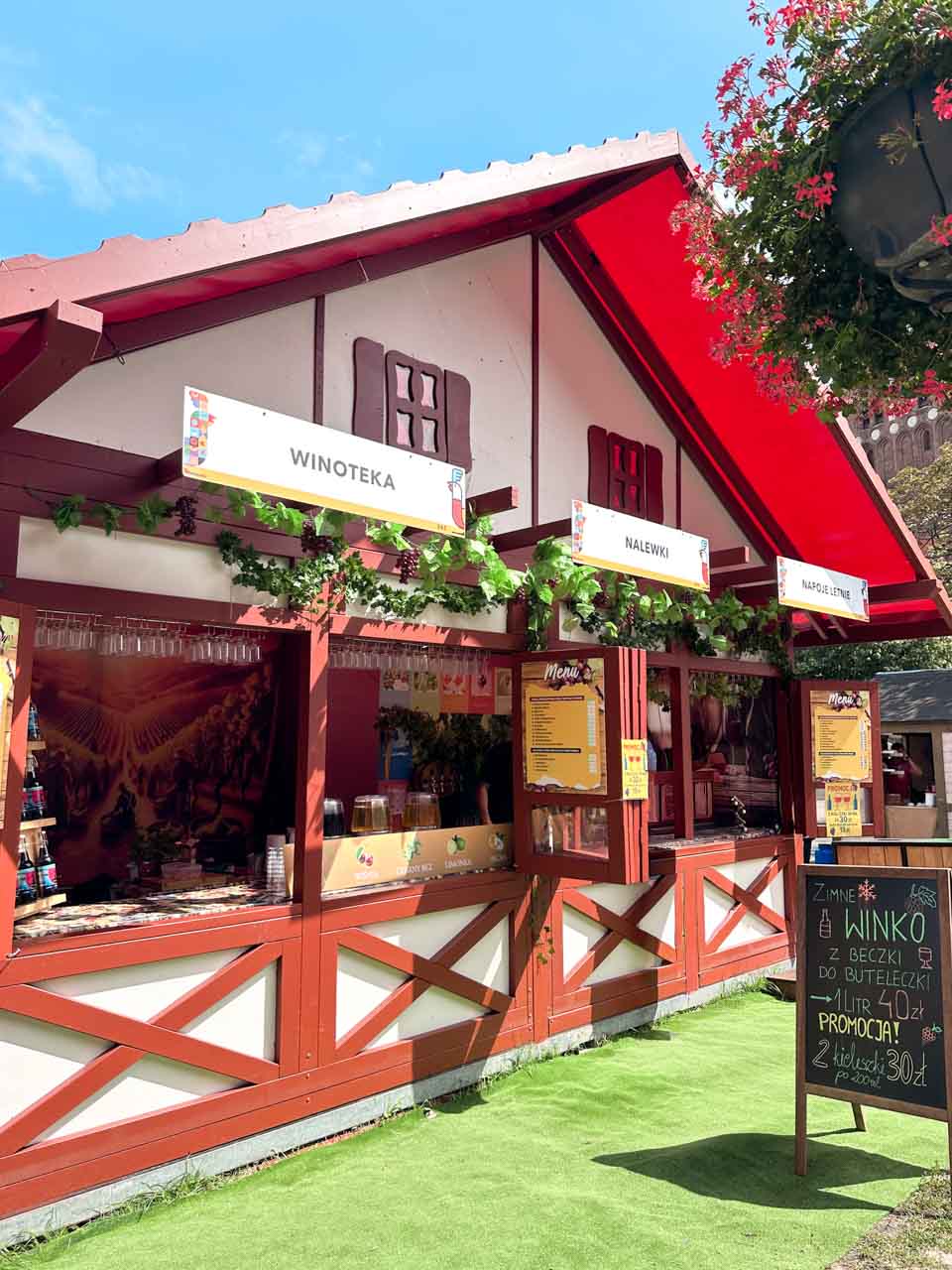
The fair stretches through the Main City and even crosses the river, with over 700 stalls set up last year. You’ll find loads of food (both Polish and international), handmade crafts, local art, and all kinds of quirky gifts. There’s also a proper flea market where you can hunt for antiques and vintage treasures.
I want to put together a full guide to St. Dominic’s Fair before next year’s edition, so feel free to bookmark this post, as I will add the link here once it’s ready.
24. Shop for unique souvenirs
Whenever I’m researching new places, I always notice how few guides mention where to go for good souvenirs that aren’t mass-produced stuff. So, I thought I’d put together a list of my favourite spots in Gdańsk to find something a bit more original, whether you’re after a gift or just something to remind you of your trip.
If you want to buy unique souvenirs:
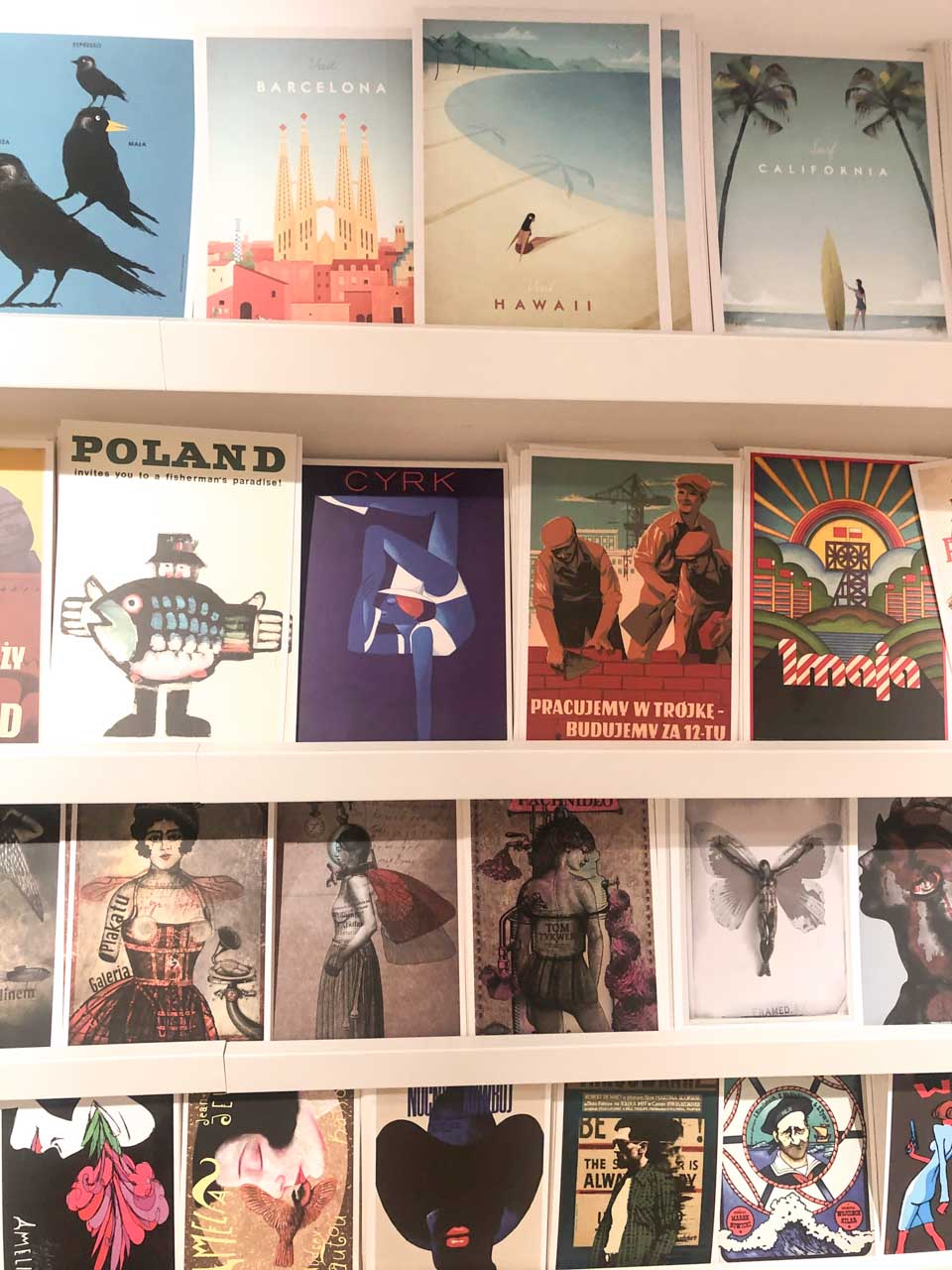
- Pańska Store – This is my go-to. They’ve got a bit of everything: ceramics, prints, postcards, socks, candles by a great local brand Wosk i Knot, and more.
- Szafa Gdańska – A lovely shop with a great selection of premium or vintage-looking gifts, including historical books, postcards, teas, coffees, and other bits.
- Ceramika Bolesławiec Gdańsk – While this isn’t local to Gdańsk (it’s from the southwest of Poland), the beautifully hand-painted ceramics from Bolesławiec make for an amazing souvenir or gift. You can find the shop on Spichrzowa Street, and they also host workshops where you can paint your own ceramics.

For local liquors:
- Gdańska Wytwórnia Historycznych Smaków is the best place to pick up traditional Gdańsk liqueurs and spirits.

If you want to buy coffee:
- If you’re into specialty coffee, check out one of the local roasters like Kawana or Nieczapla – both based in Gdańsk and known for their quality beans.
- For something with cute packaging, go for Gdańska Palarnia Kawy – they do coffee blends with different cities in the region illustrated on the bags.
For perfumes:
- I’m a big fan of Perfume Craft, an artisan perfumery that creates original fragrances using notes like amber, meadow flowers, and forest moss. You’ll usually find them at the Christmas Market or St. Dominic’s Fair, and some of their perfumes are exclusive to these events. Outside of that, you can also find a selection at Sopocki Styl in Sopot.


25. See seals in their natural habitat
Here’s something most tourists don’t realise – you don’t have to go to the far corners of Iceland or Scandinavia to see seals in the wild. Just head to Mikoszewo, right outside of Gdańsk, where the Vistula River meets the sea. It’s a quiet, open stretch of beach, and part of the protected “Mewia Łacha” nature reserve.
Seals like to come here because it’s peaceful and safe, and if you’re lucky, you might spot a few (up to a few hundred!) lying on the sand. The area’s also great for birdwatching – gulls, terns and a few rarer species nest here too.
For a better chance of seeing the seals, you can take a boat trip with a local company. Morskie Safari runs cruises all year round, depending on the weather. It’s 70 PLN (around €16.50 / £14.30) for adults, and a really unique experience. Another option is Rejsy Mikoszewo, which also offers cruises in the area.
It’s an easy trip out of the city, perfect if you’re after a bit of nature and something different from the usual sights. You can either get an Uber there or take the 870 bus from the main bus station in Gdańsk (you can buy tickets on the PKS Gdańsk website or at the bus station).
26. Take a day trip to the nearby cities
If you’re looking for more day trip ideas from Gdańsk, there are loads of brilliant options just a short train or car ride away.
First off, Gdańsk is part of what’s known as the Tricity – a group of three neighbouring cities: Gdańsk, Sopot and Gdynia. They’re all connected by a fast and easy local train, and together they almost feel like one big city. But each has its own unique character:
- Gdańsk is the historic heart, full of colourful buildings and many museums to explore.
- Sopot is the seaside resort, known for its long pier, sandy beach, and relaxed holiday feel.
- Gdynia is the modern one – a port city with modernist architecture and great cafés and restaurants.
They’re close enough that you can visit all three in a day, but it’s also nice to take your time and explore each one at a slower pace.
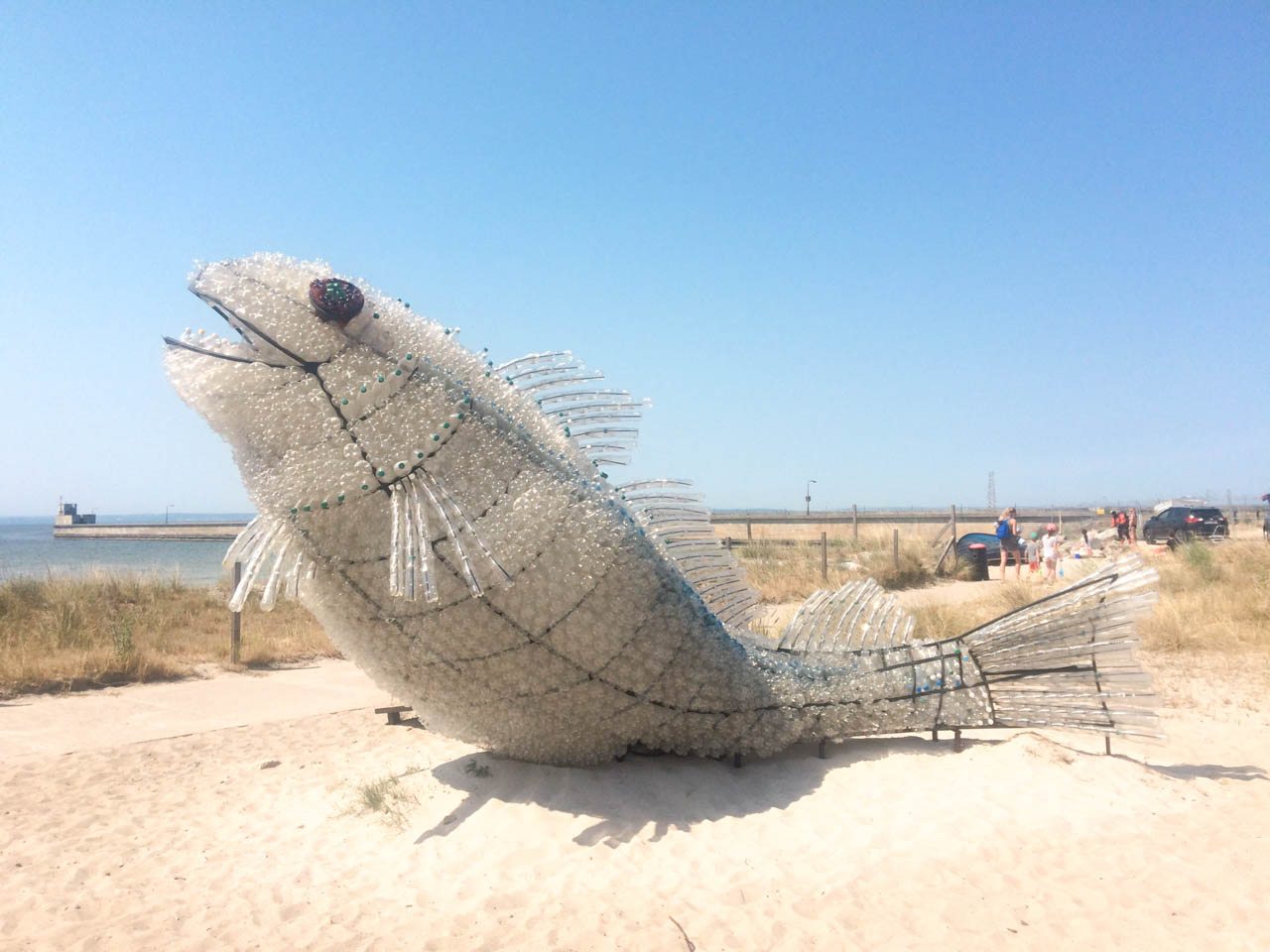
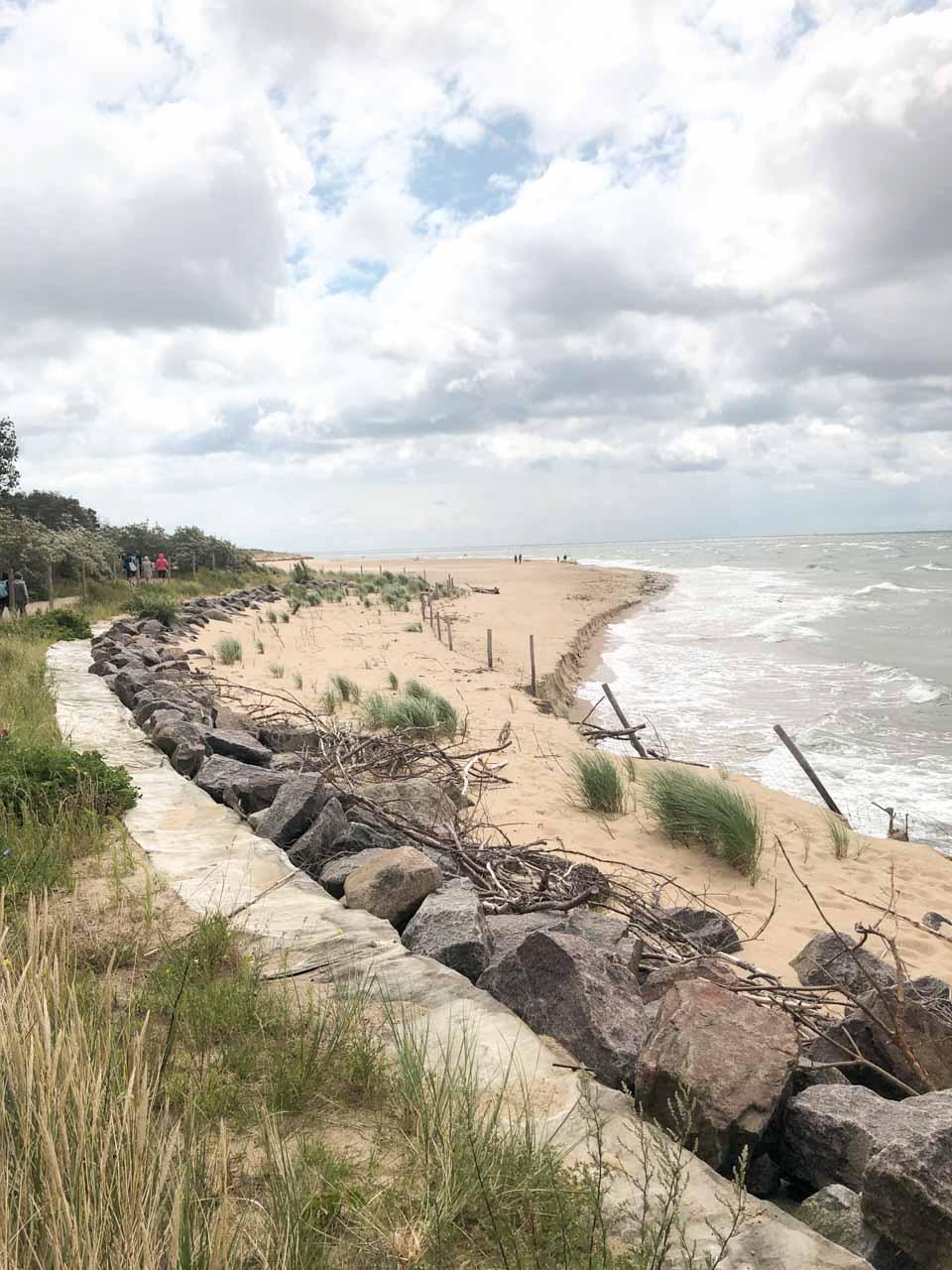
If you fancy getting further out into nature, head to the Hel Peninsula – a long, narrow strip of land stretching out into the sea. Even though it’s not the northernmost point, it’s often called the place where Poland begins. It’s got an aquarium where you can see seals, and it’s great for water sports enthusiasts. You can take a direct train from Gdynia year round or hop on a ferry from any of the three cities in the warmer months.
And for something completely different, make time for Malbork Castle – one of the largest brick castles in the world. It’s just over an hour away by train, and I’ve written a separate guide all about how to visit Malbork Castle and what to see there.

Which of these places or experiences in Gdańsk would you love to try the most?



I usually get the information from different sources, but this site was enough for a thorough preparation of a visit to Gdańsk – thank you very much for that. I visited all of the above. My heart stayed on the M3 crane, because I visited it at dusk, in cloudy weather and without other tourists, so the atmosphere was surreal. By some miracle, I also met an interesting guy there, whom I unfortunately let go too easily, and now I’m crying. Thanks for the advice, I would never have found some of these places without this site. PS Zaspa murals are located on a large area, plan at least 2 hours for it and print the folder from the link for easier searching.
My wife and I have just returned from 4 days in Gdansk (from the UK) and your blogs on the tri-city have been invaluable. Thanks so much for taking the time and effort to exhaustively catalogue the city’s charms!
The WW2 museum and European Solidarity Centre are both really excellent (do the WW2 one first though)! And also not on the same day if you can avoid it.
100 Czna, Elektrykow Street and Ratuszerowa Caffe Cocktails were all great shouts that we would probably not have ventured to/found without this blog. Dust Kitchen was also excellent.
We had an absolutely fantastic time! Thanks again.
Author
Oh, I’m so happy to hear that! Thanks so much for sharing 😊 I’m really glad you enjoyed your trip to Gdańsk and got to discover a few gems through my guides 😊 And yes, I completely agree about not doing both museums on the same day. The WWII Museum in particular can be quite emotionally exhausting, so it’s definitely enough for one day. It sounds like you managed to fit a lot into your four days. Thanks again for such a lovely comment!
Best website I’ve found on my entire 12 day, 9 port Baltic Cruise. Thanks so much!
Author
You’re very welcome! I’m glad you found it useful. Thanks so much for your kind words!
Dear Dominika,
Your blog was absolutely wonderful! I traveled with my husband and we followed every single one of your recommendations! From food to visits to what and when to see Gdansk. This guide has been one of the most useful and complete guides I’ve ever followed.
Thanks a lot! You made our trip interesting, meaningful and super fun.
Author
Oh wow, this makes me so happy! Thank you so much for your lovely comment, Mercedes ☺️ I’m so glad you and your husband enjoyed Gdańsk and found the guide helpful. I put a lot of time into creating these guides, so it really means a lot to hear that it helped make your trip special. Thanks again!
May i ask, if i fly in on 24th Dec & stay till 28th or 29th Dec, wil we have nothing much to see/do ? I read that gdansk christmas market last day is 23rd dec ? & many places like museums wil be closed from 23rd till 26th?
Is it better to fly in to krakow instead?
Author
The Gdańsk Christmas Market does indeed end on 23rd December. 😊
In Poland, we celebrate Christmas from 24th–26th December, so most museums, attractions, shops, and restaurants will be closed during those days. Things usually start returning to normal from 27th December.
I don’t think it would be much different in Kraków. If there are any specific museums or attractions you’d like to visit, I’d recommend checking their Christmas opening hours before booking, but I’d expect most, if not all of them to be closed on 24th–26th December regardless of the city.
Personally, I actually prefer the Gdańsk Christmas Market. I found the one in Kraków quite overpriced and very crowded, and when we visited it just didn’t have much of a festive atmosphere. Gdańsk’s market is much better in my opinion – it’s just a shame it ends on 23rd December.
If you’re mainly coming for the Christmas market, I’d actually recommend Wrocław over Kraków. I think it has a much better atmosphere overall.
Great guide to Gdansk. Thanks a lot. Looking forward even more to our visit. David
Author
You’re very welcome, glad you found it helpful and hope you have a great trip!
Hello Dominika,
This blog seems very helpful. My trip is going to be at the end of June, and I already really like what you’ve written here.
Peter, Slovakia
Author
Hello Peter,
So happy to hear that! I hope you enjoy your trip. If any questions come up while you’re planning, feel free to reach out ☺️
Hi,
Thank you for your recommendations. My daughter and I are spending four days in Gdansk from sunday, and this was very helpful. 🙂
Kind regards
Lise from Norway
Author
Hi, you’re very welcome! Hope you and your daughter have the best time in Gdansk 🙂
Thank you for your suggestions! especially with things to do a restaurants. We will go the last week of Feb so its a shame to hear a lot of things we wanted to do are closed but saves us the trip and wasting time. 100nia is closed 🙁 and main town hall tower
Author
You’re welcome! 😊 Part of 100cznia is still open – there’s an ice skating rink outside and a couple of bars and restaurants inside. I know it’s not quite the same as the outdoor containers, but it’s still something! There’s also a brand-new ice bar above Plenum on Elektryków Street. I haven’t checked it out myself yet, but it could be fun to try ☺️
Absolutely wonderful post, thanks a lot for these tips!
Author
You’re welcome, I am so happy to hear that you liked it!
I want to say WOW! I’ve been to the tricity area many times and clearly haven’t touched the surface. Murals… I need to get there sooner rather than later to film all of those. Thank you for another insightful and all-encompassing blog. Your blogs are always informative with great tidbits, photos, and recommendations. This might be your best one yet. 🙂
Author
Thank you SO much for your kind words – this really means a lot! You’ve done loads of exploring yourself, but yes, I completely agree – those murals are definitely waiting for you to vlog them. I’d absolutely love to hear your commentary 🙂
Challenge accepted on the murals. 🙂
Author
Can’t wait to watch that vlog 🙂
What a great post, thanks so much for writing this!
Author
You’re very welcome – I’m so glad you liked it!